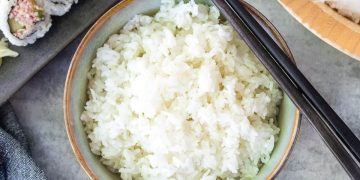











Rice is one of the most universally consumed staples in the world, yet not all rice is created equal. Among the myriad of rice varieties, sushi rice holds a special place, celebrated not only for its role in Japanese cuisine but also for its distinctive texture, taste, and handling characteristics. Many casual cooks may assume that rice is just rice—that cooking it with a bit of water and heat produces the same result. But sushi rice is a world apart. Understanding why sushi rice is so different from regular rice requires an exploration into its variety, processing, cooking methods, and cultural context.
1. The Unique Variety of Sushi Rice
At the heart of sushi rice’s uniqueness is its variety: typically short-grain or medium-grain rice. Unlike long-grain rice, such as basmati or jasmine, sushi rice is almost round in shape and is known for its high starch content, particularly amylopectin, which contributes to its characteristic stickiness. Regular long-grain rice, by contrast, contains more amylose, which keeps the grains separate and fluffy.
This starch composition is crucial for sushi-making. Stickiness is not just a matter of texture—it allows sushi rice to hold together when shaped into nigiri or rolled into maki. Without this glue-like property, sushi would fall apart in your hands, making it impossible to enjoy the delicate harmony of rice, fish, and seaweed.
Interestingly, even within Japan, there are premium sushi rice varieties, such as Koshihikari, which is renowned for its balance of sweetness, sheen, and elasticity. This variety’s grains swell perfectly during cooking, absorbing the right amount of seasoning while retaining structure.
2. The Polishing Factor: How Rice Processing Matters
Rice does not appear in the pristine, pearly form we see in stores. After harvesting, rice grains are husked to remove the inedible outer shell, leaving what is known as brown rice. For sushi rice, this is then polished to remove the bran layers, creating the smooth white grains we recognize.
Polishing is more than aesthetic. It reduces fats and proteins in the outer bran layer, which can interfere with the absorption of the essential sushi seasoning mixture—usually a combination of rice vinegar, sugar, and salt. Polished sushi rice has a cleaner flavor, lighter mouthfeel, and the ideal capacity to become sticky without becoming mushy.
Regular rice, depending on its type, may not be polished to the same degree or may even retain some bran for nutritional reasons, as with brown rice. This difference directly affects cooking behavior, flavor, and suitability for specific dishes.
3. The Science of Sushi Rice Stickiness
When we talk about stickiness, we’re discussing gelatinization, a chemical process where starch granules absorb water and swell under heat. Sushi rice, with its high amylopectin content, gelatinizes more fully than long-grain varieties. The result is a viscous, cohesive texture that can be molded yet remain tender.
Interestingly, sushi rice is not just sticky; it has a slightly elastic, glossy texture. This is a result of careful washing and cooking methods that optimize starch release without overcooking, creating grains that cling together while maintaining a subtle bite—a texture that chefs call “al dente rice”.
4. Rinsing and Soaking: The Art Before the Fire
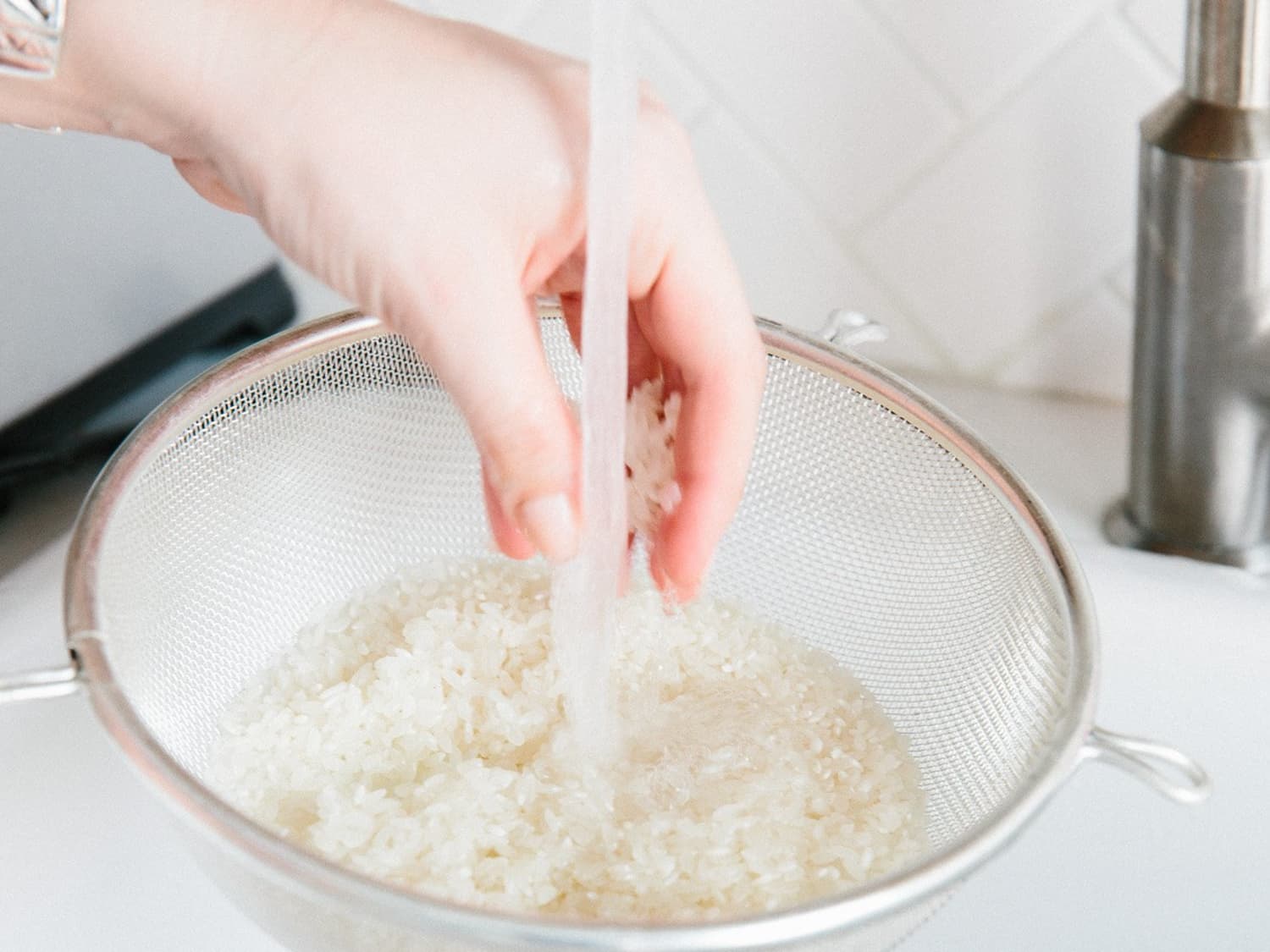
Unlike regular rice, sushi rice undergoes a rigorous preparation routine. First comes rinsing, often repeated multiple times until the water runs clear. This removes excess surface starch, preventing the rice from becoming gummy or overly sticky in an unpleasant way.
After rinsing, sushi rice is soaked in water for a period—sometimes 30 minutes to an hour—allowing grains to absorb water evenly. This ensures even cooking and contributes to the desired texture. Regular rice varieties may skip soaking altogether or only require a brief rinse, as their cooking properties differ significantly.
5. The Precision of Cooking Sushi Rice
Sushi rice is never just “boiled and drained.” Precision is key. Traditional methods use a heavy-bottomed pot or rice cooker, measuring water-to-rice ratios meticulously. The cooking process is designed to create uniform gelatinization, where each grain is tender, slightly sticky, and glossy.
Timing is essential. Overcooking can lead to mushy, glue-like rice, while undercooking leaves it hard and unsuitable for shaping. Regular rice varieties often tolerate a looser cooking style, as separate grains are more desirable for pilafs or fried rice.

6. The Secret Ingredient: Sushi Vinegar
Even perfectly cooked rice is not sushi rice until it meets sushi vinegar (su-meshi). This mixture of rice vinegar, sugar, and salt is folded gently into hot rice, imparting a subtle sweet-and-sour flavor and further enhancing stickiness. The vinegar also plays a preservative role, helping the rice last longer and pairing harmoniously with raw fish.
The application is an art. Excess stirring can crush grains, resulting in mushy rice, while uneven distribution can lead to inconsistent flavor. Regular rice dishes rarely undergo this stage, highlighting a major culinary distinction.
7. Temperature and Handling
Sushi rice is always served at body temperature or slightly warm, never cold or piping hot. This ensures optimal texture and flavor perception, as cold rice hardens and hot rice becomes overly sticky. Sushi chefs handle rice delicately with wet hands or specialized paddles, forming nigiri or rolls without crushing grains—a sharp contrast to casual serving methods for everyday rice.
8. Textural Contrast: Why Sushi Rice Feels Different
Compared to steamed long-grain rice, sushi rice has a unique mouthfeel: soft, slightly sticky, elastic, and subtly chewy. This allows it to balance raw fish, nori, and fillings without overpowering the other components. Regular rice prioritizes grain separation and fluffiness, ideal for dishes like pilafs or biryani, but unsuitable for sushi’s structural requirements.
9. Cultural and Culinary Significance
Sushi rice is not merely a base; it is the soul of sushi. In Japanese culture, rice is revered as sacred food, and sushi chefs undergo years of training to perfect its preparation. The attention to detail—from variety selection to seasoning technique—reflects centuries of culinary refinement.
Regular rice dishes, while diverse and globally popular, do not bear the same ritualistic significance or precision-focused preparation as sushi rice. This cultural lens helps explain why sushi rice has evolved into a highly specialized product.
10. Regional Variations and Innovations
Even within Japan, sushi rice differs by region. Some regions favor slightly firmer grains, while others prefer stickier, softer textures. Modern chefs experiment with brown sushi rice, seasoned blends, or glutinous rice mixes for new textures, but traditional sushi rice remains the standard due to its unmatched balance of stickiness, flavor, and gloss.
Outside Japan, sushi rice is often replicated with short-grain rice from other countries, but subtle differences in water absorption, starch composition, and flavor mean it is never exactly the same.
11. Common Misconceptions About Sushi Rice
Many people think that any short-grain rice can replace sushi rice. While it is technically possible, the results are rarely authentic. Using long-grain rice leads to fluffy, loose grains that cannot hold nigiri or rolls together. Even short-grain rice not designed for sushi lacks the perfect amylopectin-to-amylose ratio, leading to texture or taste compromises.
Another misconception is that sugar and vinegar are optional. Skipping these ingredients fundamentally changes the rice’s flavor, leaving it bland and structurally inadequate.
12. Pairing Sushi Rice with Ingredients
The characteristics of sushi rice—mild sweetness, slight acidity, and stickiness—allow it to complement a variety of toppings without overpowering them. Raw fish, pickled vegetables, and seaweed rely on the rice to act as a neutral yet subtly flavored foundation. Regular rice, with its drier, separate grains, lacks this versatile harmony.
13. Cooking Tools That Make a Difference
While sushi rice can be cooked in a simple pot, professional chefs often use Hangiri (wooden rice tubs) to cool and season rice. The wooden surface absorbs excess moisture, while the wide shape facilitates gentle folding of vinegar into rice. These tools are unique to sushi preparation and have no parallel in regular rice cooking.
14. The Role of Water Quality
Believe it or not, the water used can dramatically influence sushi rice. Mineral content, pH, and even temperature affect starch gelatinization and flavor absorption. Chefs often adjust water ratios meticulously, something rarely considered in regular rice cooking, where approximate measurements are generally acceptable.
15. Texture, Taste, and the Science of Enjoyment
Ultimately, sushi rice is a culinary marvel because it balances science and art. The right starch content, cooking method, seasoning, temperature, and handling produce a rice that is soft yet elastic, subtly sweet and tangy, and visually glossy. Regular rice, by contrast, prioritizes grain separation, neutrality, or fluffiness depending on cuisine—qualities that make it unsuitable for sushi.
16. Conclusion: A Grain Apart
Sushi rice is much more than just rice. Its unique variety, starch composition, preparation methods, seasoning, and cultural importance set it apart from the everyday rice found in most kitchens. The meticulous process—from washing and soaking to cooking and seasoning—is what gives sushi rice its distinct texture, taste, and versatility. Understanding these differences not only improves culinary outcomes but also deepens appreciation for a cuisine where rice is the quiet star of every plate.
In essence, sushi rice is a perfect combination of science, artistry, and tradition, making it incomparable to regular rice. For anyone passionate about sushi, the rice itself is as important as the fish, the roll, or the artistry of presentation. Its uniqueness lies not only in chemistry but also in centuries of cultural refinement—proving that even something as simple as rice can achieve sublime perfection.