







Introduction: The Spell of a City That Refuses to Leave You
Some cities charm you once. Prague is the one that never stops. Travelers arrive expecting a postcard of spires and cobblestones; they leave with something far more complicated: a sense that the city has slipped under their skin. And then, inevitably, they return—again, and again, and again.
Why? Why does Prague inspire this magnetic loyalty in modern travelers, digital nomads, weekend wanderers, art seekers, beer hunters, architecture lovers, and hopeless romantics?
The reasons are plentiful—historical, sensory, economic, emotional—and they intertwine to form a city experience that feels both cinematic and intimately human. Prague is beautiful, yes, but so is Florence. It’s historic, yes, but so is Athens. Affordable, yes, but so is Kraków. What Prague manages to do is merge these elements into a seamless, addictive whole.
This article dives deep into that spell. Not in vague travel-brochure poetry, but through the lens of culture, psychology, design, heritage, economics, and experiential travel theory—yet still told with warmth, charm, and storytelling flair.
Prepare for an elegant, analytical journey through the Czech capital, and an exploration of why the world keeps circling back to its magical core.
1. A City Built Like a Story You Want to Reread
Prague is constructed like a narrative—layered, vibrant, and effortlessly cinematic. Travelers often say walking through the city feels like flipping through chapters that blend fairy tales, political thrillers, and philosophical dramas in one seamless volume.
1.1 The Architecture That Doesn’t Repeal Its Magic
Many cities impress with architecture; few deliver architectural continuity like Prague. Within a compact radius, you encounter:
- Gothic severity in the spires of the Church of Our Lady Before Týn
- Baroque drama in St. Nicholas Church
- Romanesque solidity in the Basilica of St. George
- Art Nouveau curves and seduction in the Municipal House
- Cubist eccentricity in the House of the Black Madonna
- Modern sleek minimalism across newer districts and galleries
What stands out is not just the variety—it’s the condition. Prague’s historical miracle is that much of the city survived modern destruction, giving travelers an unusually intact architectural repository.
Many capitals look like patchwork; Prague feels like a curated museum of Europe’s greatest design epochs, but one you can live in, dine in, and stroll through freely.
1.2 The Visual Rhythm of the City
Urban designers talk about “visual legibility”—a city’s ability to orient you through intuitive design. Prague is a masterclass:
- The river is central, anchoring your mental map.
- Bridges become visual anchors in travel memories.
- Red rooftops create a coherent skyline.
- Towers produce vertical rhythm.
- Curved medieval streets create a sense of curiosity and suspense.
Travelers often describe Prague as “walkable art,” but academically, the city simply possesses excellent spatial coherence. You remember it because your brain likes organizing beauty.
2. The Atmosphere No Other City Quite Replicates
For many return visitors, Prague’s magic is not its monuments but its mood. The city radiates an emotional texture that’s hard to describe—and harder to forget.
2.1 A Mood Balanced Between Melancholy and Euphoria
Prague is simultaneously:
- melancholic yet hopeful
- historical yet youthful
- elegant yet gritty
- mystical yet intellectual
- calm yet electric at night
Travelers repeatedly describe the same sensation: the city feels enchanted but grounded. It invites contemplation but never boredom. This emotional duality is rare—most cities push you toward one dominant feeling. Prague gives you inner dialogue.
2.2 The Light That Painters Dream Of
Few European capitals offer Prague’s atmospheric light:
- soft golden haze in early mornings
- dramatic long shadows in the narrow lanes
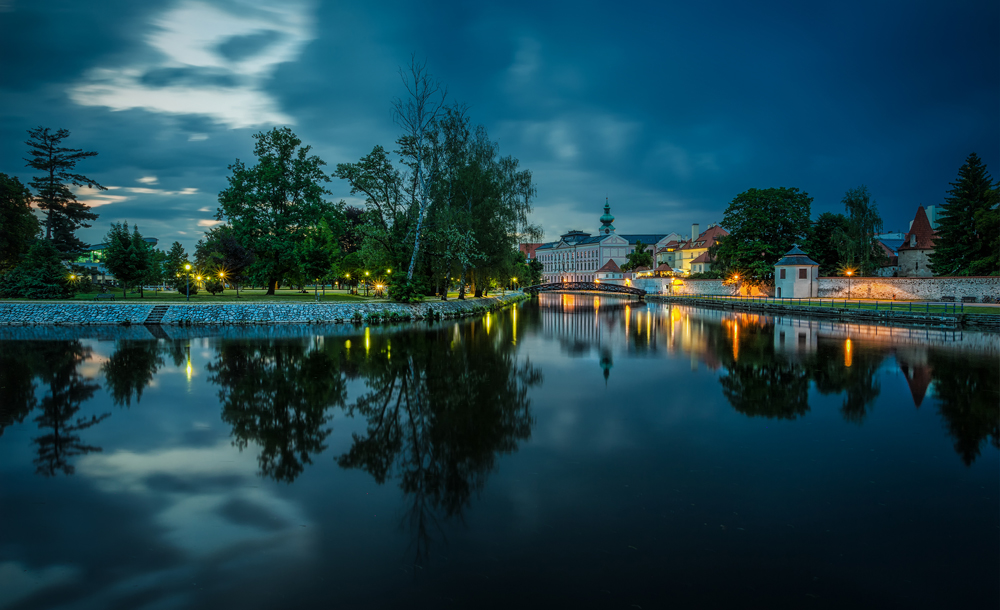
- a river that reflects the sky like a painter’s canvas
- warm, lantern-lit nighttime streets
Photographers return for the light alone. Even casual travelers feel it. No filter needed.
3. Story Density: History Lives Here Without Feeling Like Homework
Travelers enjoy places with “story density”—environments where history is easy to access, even without guides or textbooks. Prague excels.
3.1 The Layers You Walk On
Every part of the city feels inhabited by stories:
- defenestrations that triggered wars
- alchemists who roamed castle laboratories
- kings who built bridges based on astronomical calculations
- writers like Kafka, whose psychological landscapes still echo through the streets
Prague is a place where fiction and history overlap naturally.
3.2 Kafka’s Shadow (and Why Travelers Love It)
Franz Kafka still defines Prague’s intellectual aura. For travelers, Kafka symbolizes:
- modern existential thought
- surreal urban complexity
- a uniquely Czech blend of humor and despair
You don’t need to be a literature scholar to feel his presence. Even ordinary moments—fog over Charles Bridge, a quiet tram ride, a rainy café corner—feel like accidental scenes from a Kafka novella. This sense of narrative richness makes Prague feel profound, even to casual visitors.
4. The Social Experience: Prague Makes People Feel at Home
It isn’t just the city’s appearance—it’s the way people experience daily life.
4.1 A City That Welcomes Without Overwhelming
Prague has mastered the balance between global and local:

- Tourist-friendly, but not aggressively commercial
- International, but still deeply Czech
- Busy, but never feeling like chaos
- Cultured, but not elitist
Travelers notice that the city manages crowds better than many European capitals. Even in peak season, you can turn a corner and find quiet.
4.2 Café Culture That Encourages Lingering
Prague’s cafés blend Viennese elegance, Central European intellectual tradition, and modern creativity. They are:
- inexpensive
- comfortable
- aesthetically delightful
- historically influential
The city encourages you to slow down. Modern travel is often rushed; Prague rewires you.
4.3 The Friendliness Factor
Czechs famously aren’t loud or overly performative—but they are warm, witty, dry-humored, and straightforward. Many return visitors appreciate this authenticity more than the surface-level friendliness in some big tourist cities.
5. The Value Equation: A Luxury of Experience Without Luxury Prices
One of the most practical reasons people return is simple: Prague delivers a high-quality travel experience at reasonable cost.
5.1 Affordable High Quality
Travelers often remark that Prague offers:
- excellent dining at mid-range prices
- world-class beer at astonishingly low prices
- museums and concerts that are widely accessible
- accommodation options that don’t require extraordinary budgets
The city offers European richness without the economic strain of Paris, London, or Rome.
5.2 Experiences That Feel Worth It
Nothing feels like a tourist trap. Instead, value is apparent in:
- classical concerts in baroque halls
- river cruises with dramatic nighttime cityscapes
- craft beer tastings in historic cellars
- beautifully maintained parks with panoramic views
The cost-to-enjoyment ratio keeps travelers coming back.
6. The Food and Drink Culture: Quiet Excellence
Czech cuisine used to be considered heavy and traditional. Modern Prague rewrites the narrative.
6.1 The Evolution of Czech Cuisine
Today’s Prague dining scene is:
- inventive
- beautifully plated
- globally influenced
- deeply connected to local ingredients
You can enjoy:
- traditional svíčková
- modern Czech reinterpretations
- bakeries offering world-class pastries
- tasting menu restaurants that rival major capitals
6.2 Beer Culture That Travelers Celebrate
Prague isn’t just a city that enjoys beer—it perfected it.
Travelers love Czech beer because:
- it’s crisp
- it’s artisanal even when mass-produced
- it’s incredibly affordable
- the beer halls create instant camaraderie
Even travelers indifferent to beer find themselves converted in Prague.
7. Walkability: A City Meant to Be Discovered at Human Speed
Travel researchers often emphasize the link between walkability and traveler satisfaction. Prague ranks exceptionally high.
7.1 A Human-Sized Metropolis
Prague blends the convenience of a capital with the navigability of a small city. In a single day, you can:
- explore Old Town
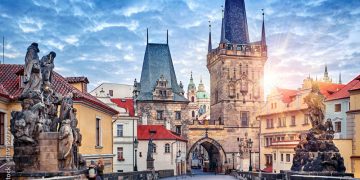
- cross the Charles Bridge
- wander Malá Strana
- climb to Prague Castle
- shop in New Town
- relax in Letná Park
Few capitals allow this much variety on foot.
7.2 Every Path Feels Like a Reward
In Prague, detours become highlights:
- hidden courtyards
- unexpected viewpoints
- small galleries
- artisan shops
- tucked-away gardens
The city rewards curiosity more than planning.
8. Seasonal Beauty: A City Designed for Year-Round Magic
Many cities peak in one season; Prague excels in all of them.
8.1 Spring
Cherry blossoms along Petřín Hill, mild weather, and long golden sunsets.
8.2 Summer
Open-air cinemas, park picnics, river kayaking, and lively street life.
8.3 Autumn
Amber light over the Vltava, crisp weather, and near-perfect photography conditions.
8.4 Winter
Christmas markets, snow-dusted rooftops, warm pub interiors, misty mornings, and atmospheric evenings.
Every season feels like the “best time” to return.
9. Culture That’s Alive, Accessible, and Unpretentious
9.1 Museums and Galleries Beyond the Obvious
Prague’s cultural scene is rich without being overwhelming. Institutions range from:
- contemporary art museums
- historical exhibitions
- design spaces
- technology centers
- literary museums
Everything feels curated but not intimidating.
9.2 Music Everywhere
Prague breathes music:
- classical concerts
- jazz cellars
- indie venues
- opera houses
- street performers
Music here feels integrated into daily life, not reserved for elites.
10. The River: Prague’s Emotional Axis
The Vltava River is not decorative—it’s psychological. It gives the city:
- openness
- reflection
- breathing space
- romantic texture
Bridges aren’t just connectors; they’re major emotional scenes in many travelers’ memories.
11. Nighttime Prague: A Different City Entirely
If daytime Prague is a historical romance, nighttime Prague is a mysterious dreamscape. Travelers often return simply to walk the city after dark.
11.1 Lights, Shadows, Silence
The combination of:
- lamplight
- reflective water
- baroque silhouettes
- hushed streets
creates a cinematic quality that feels almost unreal.
11.2 Safe Yet Mysterious
Few cities maintain such atmospheric nighttime beauty while staying welcoming and safe.
12. The Psychological Pull: Why Prague Stays With You
There is a reason travelers describe Prague as “haunting.” The city activates specific emotional and cognitive triggers.
12.1 Familiar Yet Fantastical
Prague feels like the blueprint for a fairy-tale city—but it’s real. This blend activates nostalgia, imagination, and curiosity simultaneously.
12.2 A City That Lets You Be the Main Character
Dense visual detail + walkability + atmospheric light create cinematic self-projection. Simply put: people feel good in their own story here.
12.3 Calm for the Mind
Prague offers stimulation without chaos. The city’s pace produces psychological relief.
13. The Return Phenomenon: Why One Visit Isn’t Enough
13.1 Too Much to Absorb in One Trip
Travelers return because Prague is compact but deep:
- Each district feels like a different city
- Each season rewrites the mood
- Each return visit reveals new layers
13.2 Emotional Memory
People chase feelings, not checklists. And Prague creates powerful emotional memory anchors:
- that first view from Charles Bridge
- the echoing footsteps in old alleys
- the warmth of a café during winter rain
- the shimmering river at dusk
13.3 A City That Changes With You
Your first trip is visual.
Your second is emotional.
Your third is intellectual.
Your fourth feels like coming home.
Prague adapts to travelers as they evolve—few cities do this gracefully.
Conclusion: Prague Isn’t Just Visited—It’s Experienced, Remembered, and Revisited
Travelers keep returning to Prague because no visit feels final. The city holds too much beauty to capture at once, too much subtlety to decode in a single trip, and too much emotional resonance to forget.
Prague is not a destination—it’s an ongoing relationship.
It gives you:
- European history that feels alive
- architecture that feels dreamlike
- atmosphere that feels cinematic
- value that feels honest
- culture that feels approachable
- spaces that feel personal
- beauty that feels endless
And that is why travelers return. Not out of routine, but out of longing.
Prague invites you to read the story again. And every time, it offers a new chapter.