





The Baltic Sea region, an often overlooked stretch of coastline in Northern Europe, holds a hidden charm that’s yet to be fully appreciated by global travelers. Nestled between Scandinavia, Eastern Europe, and the Western European continent, it is a cultural and natural treasure trove, waiting to be explored by those with an eye for history, adventure, and scenic beauty.
In this article, we’ll explore why the Baltic Sea region might just be Europe’s most underrated destination. From its rich historical significance to its vibrant modern culture, its stunning landscapes to its unique blend of traditional and contemporary experiences, this region deserves far more attention than it gets.
A Brief Introduction to the Baltic Sea Region
The Baltic Sea itself is a large, shallow body of water that lies between the Scandinavian Peninsula to the west, the European mainland to the south, and the Baltics to the east. Surrounding it are eight countries: Denmark, Estonia, Finland, Germany, Latvia, Lithuania, Poland, and Sweden. Despite its central location in Europe, the Baltic Sea has remained somewhat of an afterthought for travelers, overshadowed by the more famous Mediterranean coast or the iconic cities of Central Europe.
However, beneath the radar, these coastal nations offer a fascinating mix of cultures, histories, and landscapes that rival any well-trodden European destinations. Whether it’s the medieval towns of Tallinn, the picturesque archipelagos of Finland, or the pristine beaches of Lithuania, the Baltic is a diverse and intriguing region that has much to offer.
1. A Rich Historical Tapestry
The Baltic Sea region has witnessed centuries of complex history, shaped by a variety of peoples, rulers, and empires. This turbulent past has left behind a fascinating mix of cultures, architecture, and stories. From the Viking Age to the Hanseatic League, from the Teutonic Knights to the Soviet era, the region offers a timeline that stretches far beyond what most visitors realize.
The Hanseatic Legacy
A key highlight for history lovers is the legacy of the Hanseatic League, a powerful medieval trade alliance that controlled much of the Baltic Sea’s trade routes from the 13th to the 17th centuries. Cities like Riga, Tallinn, and Lübeck were once bustling hubs of commerce and culture, their cobbled streets still echoing with stories of the past.
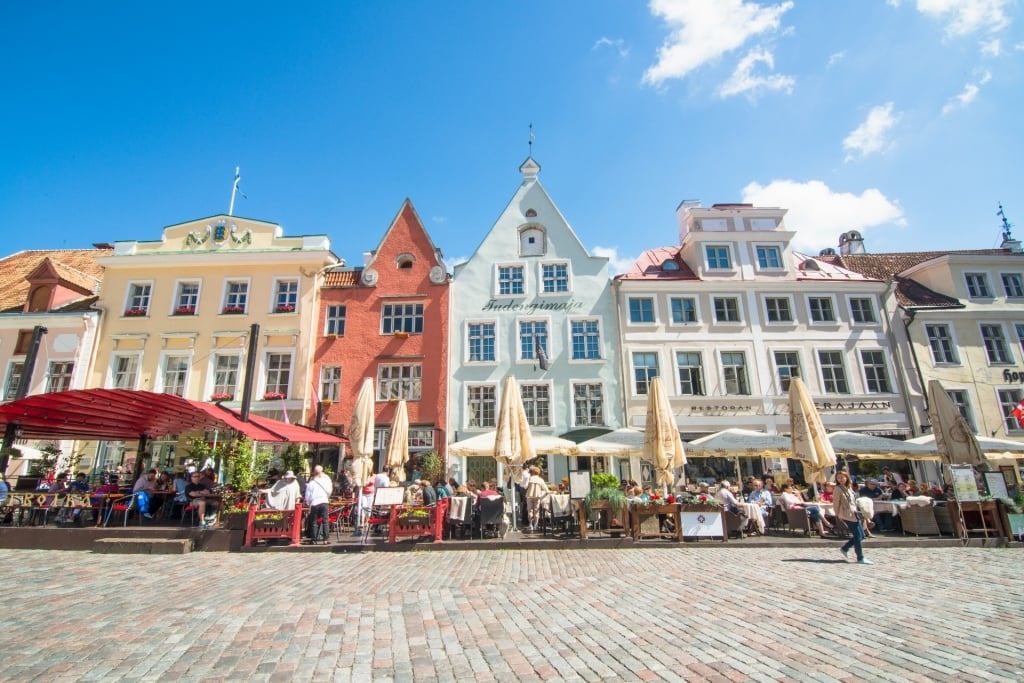
Many of these cities boast beautifully preserved medieval Old Towns, which are now UNESCO World Heritage sites. Walking through the narrow, winding streets feels like stepping back in time. Tallinn’s Old Town, in particular, is one of the best-preserved medieval cities in Europe, and a UNESCO-listed treasure.
Viking Influence
The Viking legacy is deeply ingrained in the history of the Baltic, with numerous archaeological sites, museums, and Viking burial grounds scattered across the region. Sweden, in particular, was a central player in Viking trade routes, with cities like Birka (a UNESCO World Heritage site) offering insight into their influence on the region.
The Soviet Shadow
Though many people are aware of the Baltic States’ (Estonia, Latvia, and Lithuania) struggles for independence, fewer are familiar with the profound impact of the Soviet Union’s occupation. The region’s cities, particularly in Latvia and Lithuania, have an intriguing mix of Soviet-era architecture and modern urbanism, offering visitors a look at the complex cultural blending that has shaped the area over the past century.
2. A Playground for Nature Lovers
While the Baltic Sea region may not boast the towering peaks of the Alps or the sunny shores of the Mediterranean, it is home to a wealth of natural beauty that is often overlooked. From pristine beaches to lush forests, the Baltic region offers a unique, tranquil retreat for those seeking to escape the hustle and bustle of more famous destinations.
The Finnish Archipelago
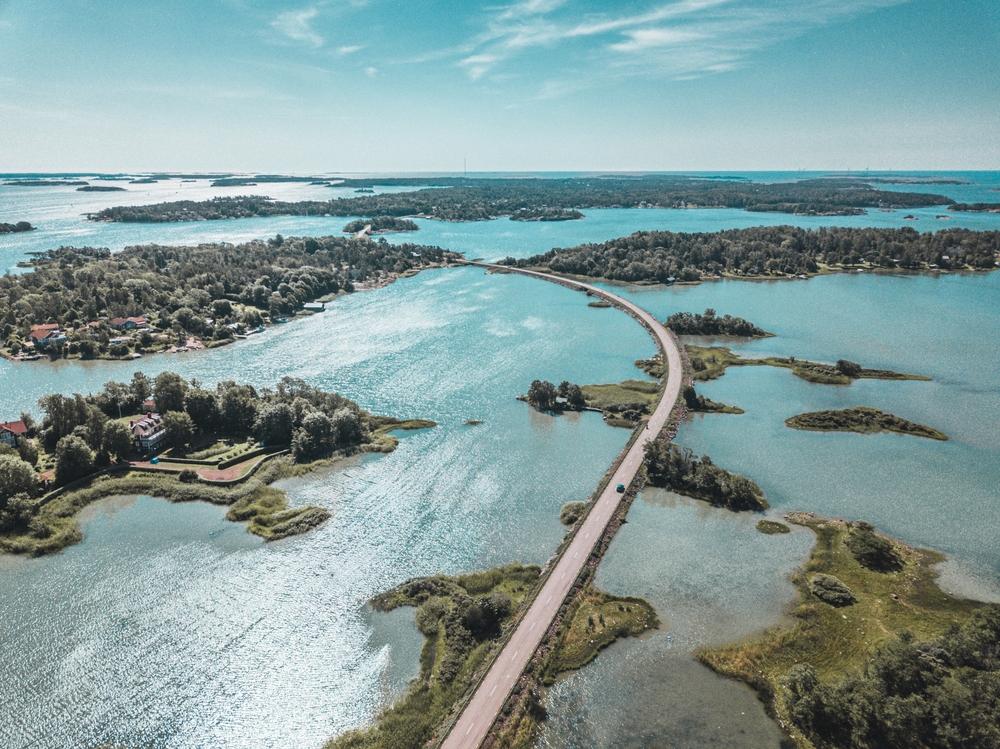
Finland’s Archipelago Sea, with its more than 20,000 islands, is one of Europe’s best-kept secrets. This vast archipelago is a haven for nature lovers, offering everything from quiet boat rides to kayaking, cycling, and hiking. The islands are home to charming villages, picturesque lighthouses, and an abundance of wildlife, including seals, birds, and rare plant species. It’s an ideal place for eco-tourism, where visitors can experience the simplicity and serenity of Finnish island life.
The National Parks of Estonia and Lithuania
Estonia’s national parks, such as Lahemaa National Park, are a paradise for those seeking unspoiled nature. Lahemaa is one of the oldest national parks in Europe, known for its bogs, dense forests, and picturesque coastal landscapes. The park is also dotted with grand manor houses, reflecting the region’s aristocratic past.
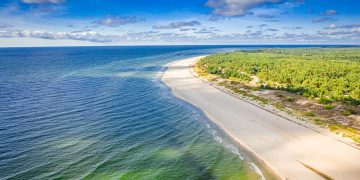
Lithuania is home to the Curonian Spit, a UNESCO World Heritage site and one of the most unique landscapes in Europe. A long, narrow strip of sand dunes stretching along the coast, the Curonian Spit offers visitors miles of unspoiled beach, along with quaint fishing villages, nature trails, and striking views of the Baltic Sea.
Sweden’s Untouched Wilderness
Sweden’s vast wilderness, much of which remains virtually untouched, offers a perfect escape for hiking, camping, and winter sports enthusiasts. The northern part of the country, above the Arctic Circle, is particularly renowned for its pristine landscapes, including the Laponian Area, another UNESCO World Heritage site. Here, visitors can experience the raw beauty of the Scandinavian tundra, home to the indigenous Sámi people and their reindeer herds.
3. Coastal Beauty and Seaside Escapes
Despite the region’s sometimes cold reputation, the Baltic Sea coastline offers an array of beautiful and diverse beach destinations, often far less crowded than more popular European beach towns.
Poland’s Baltic Beaches
The Polish coastline, especially around the town of Sopot, offers some of the best beaches in the Baltic region. With long stretches of golden sand, shallow waters, and plenty of seaside cafes, Sopot is a great destination for those looking for a more relaxed and less commercialized beach experience. It’s also home to the famous wooden pier, one of the longest in Europe, offering spectacular views of the sea.
Denmark’s Rugged Shores
Denmark’s coastline, with its dramatic cliffs and sandy dunes, is another must-see. Jutland’s beaches, such as those near Skagen, provide perfect spots for walking, cycling, or simply enjoying the fresh sea air. The wind-swept shores offer plenty of opportunities for solitude and reflection, especially for those keen on birdwatching or photography.
4. Unique Cultural Experiences
The Baltic Sea region is a melting pot of languages, traditions, and customs, each country offering a distinct cultural identity. From the vibrant festivals of Finland to the folk traditions of Latvia and the culinary delights of Poland, the region offers travelers an exciting array of cultural experiences.
Baltic Cuisine
Food lovers will be thrilled by the distinct culinary offerings of the region. Swedish meatballs are just the beginning; the Baltic region has a wealth of unique dishes, many of which make use of fresh, local ingredients from land and sea. Estonian and Latvian cuisine is heavily influenced by Scandinavian and Russian flavors, with dishes such as dark rye bread, smoked fish, and hearty stews being popular staples.
Lithuania’s culinary scene is deeply rooted in traditional peasant food, with hearty dishes like cepelinai (potato dumplings) and kugelis (potato pudding) offering a true taste of Lithuanian comfort food. Meanwhile, Poland’s pierogi (dumplings) and hearty soups like borscht and żurek showcase a blend of Eastern European flavors.
Festivals and Traditions
Throughout the year, the Baltic countries host a range of lively festivals celebrating everything from music to folklore. Tallinn’s Old Town is the backdrop for one of Europe’s largest medieval festivals, where visitors can experience everything from jousting to medieval feasts. Riga’s Midsummer Festival is another highlight, a celebration of the summer solstice with bonfires, dancing, and singing.
Sweden’s Midsummer festival is another must-see, where Swedes gather to celebrate the arrival of summer with traditional music, food, and dancing around a maypole. These festivals offer visitors a chance to immerse themselves in the local culture and customs, adding a layer of authenticity to any trip.
5. The Hidden Charm of Cities and Towns
The Baltic Sea region is dotted with charming cities and towns that are often overlooked by tourists. These destinations offer the perfect balance of history, culture, and modernity, with an emphasis on sustainability and local character.
Riga: The Art Nouveau Capital
Riga, Latvia’s capital, is a vibrant, cosmopolitan city with an exceptional collection of Art Nouveau architecture. Its charming Old Town is a UNESCO World Heritage site, while its wide boulevards are lined with beautiful buildings from the early 20th century. Beyond its architectural beauty, Riga has a thriving cultural scene, with numerous galleries, theaters, and music festivals.
Gdańsk: Poland’s Maritime Jewel
Gdańsk, one of Poland’s oldest cities, is another hidden gem. With its rich history as a former Hanseatic port, it is home to striking architecture, vibrant street art, and bustling markets. Gdańsk is also the birthplace of the Solidarity movement, which played a key role in the fall of communism in Eastern Europe.
Conclusion: Why the Baltic Sea Region Deserves More Attention
In summary, the Baltic Sea region is undoubtedly one of Europe’s most underrated destinations. Its mix of rich history, stunning landscapes, and vibrant cultures make it a perfect choice for travelers seeking something different from the mainstream European hotspots. Whether you’re into history, nature, culture, or simply enjoying the serenity of the sea, the Baltic Sea region has something for everyone.
It’s time to step off the beaten path and discover this hidden European gem.