










The Atlas Mountains, a majestic range stretching over 2,500 kilometers through Morocco, Algeria, and Tunisia, have become a hotspot for travelers seeking a blend of natural beauty, cultural immersion, and adventure. Located in the heart of Morocco, these mountains rise dramatically, offering a striking contrast to the vast Sahara Desert to the south and the Mediterranean coastline to the north. As one of the world’s most iconic mountain ranges, the Atlas has become a symbol of rugged beauty, rich history, and unspoiled wilderness. But what exactly is drawing travelers to this diverse and stunning part of Morocco?
A Natural Wonderland: The Allure of the Atlas
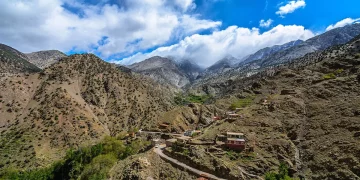
At the core of the appeal of the Atlas Mountains is their dramatic landscape, a mix of towering peaks, fertile valleys, and arid plateaus. The highest peak in the range, Mount Toubkal, reaches 4,167 meters (13,671 feet) above sea level, making it the highest point in North Africa. This towering giant attracts trekkers and mountaineers from all corners of the globe. But it’s not just the heights that captivate visitors. The lower valleys, dotted with Berber villages, offer a glimpse into traditional rural life that has changed little over centuries. The terrain is as varied as it is stunning, with snow-capped peaks in winter, vibrant green valleys in spring, and golden-brown hills during summer.
Adventure Awaits: Trekking, Climbing, and More
For many, the Atlas Mountains are an outdoor lover’s dream. Whether you’re an experienced climber or a casual hiker, the mountains offer something for everyone. The most popular activity is trekking, with well-marked trails winding through remote villages and scenic landscapes. The trek to Mount Toubkal is one of the most iconic, with travelers from around the world challenging themselves to summit North Africa’s highest peak. The ascent is a test of endurance, but the view from the top is worth every step.
If trekking isn’t enough to get your heart racing, the Atlas Mountains also offer world-class rock climbing. The valleys are lined with cliffs that range in difficulty from beginner-friendly routes to expert-level challenges. The region is especially known for its limestone rock formations, which provide an exciting challenge for climbers of all levels.
For those seeking something more relaxed, the Atlas is a paradise for cyclists, photographers, and birdwatchers. Mountain biking through the hills provides an adrenaline-pumping experience while allowing riders to explore the hidden nooks of the range. And for those with a camera in hand, the beauty of the Atlas Mountains offers endless opportunities for awe-inspiring photos of dramatic vistas, tiny villages, and ancient ruins.
Rich Cultural Heritage: A Glimpse into Berber Life
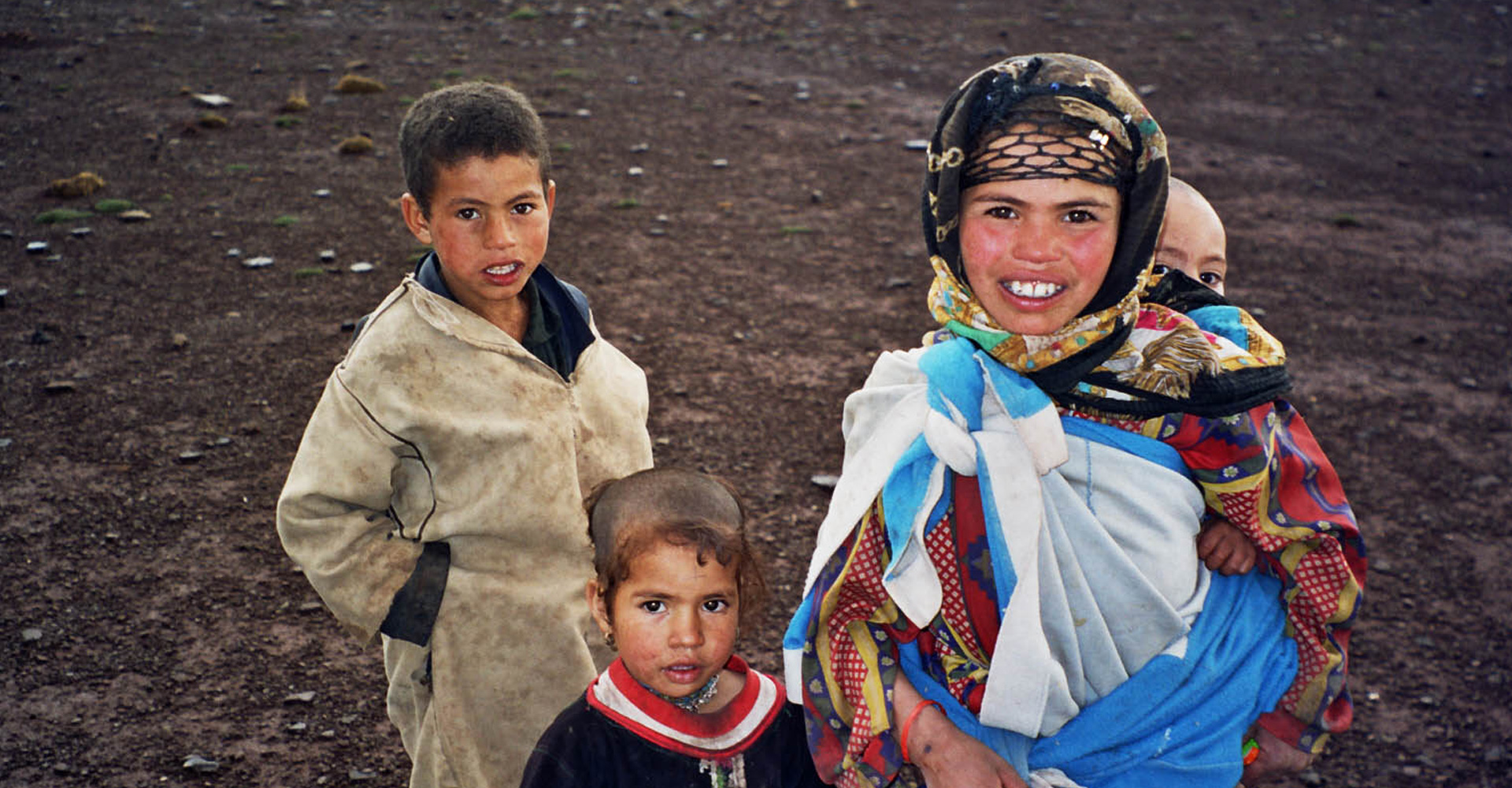
One of the most compelling reasons travelers flock to the Atlas Mountains is the opportunity to experience Berber culture firsthand. The Berbers, indigenous people of North Africa, have lived in these mountains for centuries, and their rich traditions and history are woven into the fabric of the land. The Berber villages that dot the Atlas are a time capsule of ancient ways of life. Constructed with mudbrick and stone, these villages blend harmoniously into the mountainous landscape, creating a striking contrast with the surrounding wilderness.
Visitors to the Atlas have the chance to interact with Berber families, learn about their age-old customs, and even stay in traditional kasbahs (fortified houses). The hospitality of the Berber people is legendary, and travelers often find themselves welcomed with open arms, invited into homes for a meal of couscous, tagine, and freshly brewed mint tea. Exploring the region’s local markets also offers a fascinating glimpse into Berber craftsmanship, with handmade carpets, pottery, and textiles available for purchase.
Moreover, the Atlas is home to several important historical sites, including ancient kasbahs and ruins from the days of the Almoravid and Almohad dynasties. The UNESCO-listed Ait Benhaddou, a fortified city built along the ancient caravan routes, is a must-see for history buffs. This iconic site has also made appearances in numerous films, including Gladiator and Game of Thrones.
The Ultimate Retreat: Peace and Solitude
While Morocco’s coastal cities, such as Marrakech and Casablanca, draw in the crowds, the Atlas Mountains offer a quieter, more tranquil alternative. For those seeking a break from the bustle of urban life, the mountains provide a peaceful retreat into nature. The stunning vistas, fresh air, and isolation from the world make it an ideal destination for those looking to disconnect and rejuvenate.
Many travelers choose to stay in guesthouses or eco-lodges nestled in the heart of the mountains, where they can enjoy a more sustainable, off-the-beaten-path experience. These accommodations often focus on eco-tourism, with solar power, organic food, and water conservation efforts in place to minimize the environmental footprint.
In recent years, wellness retreats in the Atlas Mountains have gained popularity, offering travelers the opportunity to practice yoga, meditation, and holistic health surrounded by nature. Whether you’re in search of inner peace or simply a serene environment to relax, the Atlas Mountains offer the perfect setting.
Climate and Best Time to Visit
The Atlas Mountains’ climate varies depending on the altitude, making it a year-round destination. The lower valleys experience a Mediterranean climate, with warm summers and mild winters, while the higher altitudes experience snow and freezing temperatures in winter and cool to mild temperatures in summer.

The best time to visit is typically in spring (April to June) and autumn (September to November) when the weather is most pleasant for trekking and outdoor activities. Summer can be hot, especially in the lower valleys, while winter brings the possibility of snow and more challenging conditions at higher elevations. For those who love the idea of snow-capped peaks and winter treks, the winter months can be an ideal time to explore.
The Atlas Mountains and Sustainable Tourism
As more travelers are drawn to the beauty and culture of the Atlas Mountains, sustainable tourism has become a central issue. Efforts are being made to protect the environment and preserve local traditions while supporting the livelihoods of the people who call this region home. Eco-tourism is on the rise, with a focus on reducing environmental impact and promoting responsible travel practices.
One example of sustainable tourism is the work being done to protect the region’s wildlife. The Atlas Mountains are home to several endangered species, including Barbary lions, Barbary apes, and the Atlas viper. Conservation efforts are underway to protect these creatures and their habitats from encroaching development and over-tourism.
Moreover, tourism is providing economic benefits to the local Berber communities, enabling them to improve their quality of life while preserving their cultural heritage. The influx of visitors has led to the development of infrastructure such as roads, schools, and medical facilities, but there is still much to be done to ensure that tourism remains beneficial for everyone involved.
The Atlas Mountains in Popular Culture
Over the years, the Atlas Mountains have captured the imaginations of writers, filmmakers, and artists. Their rugged beauty and timeless appeal have made them a popular setting for movies, documentaries, and novels. The range has appeared in several Hollywood films, including The Mummy and Babel. Its dramatic landscapes have provided the perfect backdrop for stories set in exotic, remote locations.
The Atlas also holds a deep connection to Moroccan literature. Writers such as Mohamed Choukri and Tahar Ben Jelloun have drawn inspiration from the mountains, using them as symbols of both hardship and beauty. The Atlas represents a land that is both harsh and inviting, a place where people have learned to survive and thrive in an unforgiving environment.
Conclusion: A Timeless Destination
The Atlas Mountains remain one of Morocco’s most sought-after travel destinations, drawing a diverse mix of adventurers, culture enthusiasts, nature lovers, and peace seekers. From its awe-inspiring landscapes to its rich cultural heritage, the Atlas offers an unforgettable experience for anyone lucky enough to visit. Whether you’re trekking to the top of Mount Toubkal, exploring ancient Berber villages, or simply soaking in the peaceful surroundings, the Atlas Mountains are a reminder of Morocco’s incredible diversity and timeless beauty.
As more travelers flock to this stunning region, it is crucial to balance tourism with conservation to ensure that the Atlas Mountains remain as captivating for future generations as they are today.