









Designers, hoteliers, and travelers all secretly chase the same elusive dream: the perfect hotel lobby. It’s the space where first impressions crystallize, where expectations begin to rise or fall, where guests decide—in under ten seconds—whether they feel welcomed, inspired, overwhelmed, or underwhelmed.
A perfect lobby is not just furniture arranged attractively. It is orchestrated emotion. It is hospitality made physical. It is psychology, engineering, culture, storytelling, and brand philosophy condensed into a spatial experience.
Below is a comprehensive, deeply detailed, highly engaging exploration—more than 3100 words—into what the perfect hotel lobby should look like, feel like, and achieve. The goal is to blend professional insight with playful readability, giving you an expert-level guide that remains enjoyable from start to finish.
1. The Lobby as a Stage: Why It Matters More Than You Think
Before chairs, chandeliers, or check-in counters come into play, a lobby must achieve one transcendent function: it must set the tone for the entire stay.
A hotel lobby is hospitality’s equivalent of a movie’s opening shot. It doesn’t need to tell the whole story, but it must promise that the story will be worth following. It operates on three psychological levels:
1.1. The Emotional Level
Guests should feel something immediately.
Warmth? Curiosity? Calm? Luxury? Novelty?
The perfect lobby knows its emotional mission clearly.
1.2. The Cognitive Level
A lobby must orient. Without even thinking, guests must understand:
- Where to go
- How to move
- What to do
- Who to approach
If a guest pauses, looks around, and mutters, “Umm… where am I supposed to—?”, the lobby has failed its job.
1.3. The Sensory Level
Lighting, acoustics, scent, textures, temperature, and spatial proportions all converge into a silent but powerful composition. The ideal lobby stimulates, delights, and reassures without overwhelming.
The lobby is not merely passed through. The lobby sets expectations for service, cleanliness, culture, personality, and brand commitment. It is a microcosm of the hotel’s identity.
2. The Core Philosophy of the Perfect Lobby
A perfect lobby must be:
- Functional but also magnetic
- Flexible but also intentional
- Timeless but still current
- Visually impressive but emotionally comfortable
The secret? It must prioritize human experience over aesthetics, and yet it must use aesthetic excellence as a tool to shape that experience.
In other words, form follows feeling and feeling follows brand.
3. The Journey Begins Outside: The Pre-Lobby Experience
The perfect lobby experience begins before the guest walks through the doors.
3.1. The Arrival Sequence
A seamless, welcoming arrival typically includes:
- A clear drop-off or entrance
- Lighting that flatters the building’s architecture
- A balanced sense of openness and invitation
- Visual cues that guide guests naturally toward the entrance
3.2. The Transition Zone
This is the short distance between the outside world and the interior environment. It can include:
- Covered walkways
- Landscaping that frames the entrance
- Water features or planters
- Architectural framing devices (columns, canopies, portals)
This moment of transition is essential because it resets the guest’s mental state. The perfect lobby begins with a gracious threshold.
4. The First Five Seconds: The Grand Reveal
When the doors open—automatic or perfect-handedly pulled by a doorman—the lobby must create an instant emotional impression.
This impression comes from:
4.1. Vertical Space
The height of the ceiling matters more than many design elements. High ceilings communicate:
- Grandeur
- Freedom
- Airiness
- Luxury
Lower ceilings indicate:
- Warmth
- Intimacy
- Calm
- Human scale
Some lobbies combine both beautifully—dramatic height near the entrance, lower cozy zones deeper inside.
4.2. The Signature Visual
Every perfect lobby has a defining visual anchor. This could be:
- A sculpture
- A dramatic staircase
- A chandelier
- A living wall
- A view framed through glass
- A monumental reception desk
- A curated artwork
The anchor must be iconic but not overpowering. It must be memorable without screaming for attention. Think “confident whisper,” not “visual shouting.”
4.3. Clear Circulation
The guest must instantly understand:
- Where the check-in area is
- Where elevators likely are
- Where to walk next
The perfect lobby guides without signage—through layout, lighting, and visual hierarchy.
5. The Reception Area: The Heart of Hospitality
A perfect lobby contains a perfect reception experience. But what does this mean concretely?
5.1. The Desk (or Not a Desk)
Traditional counters are still common, but modern hotels are experimenting with:
- Freestanding check-in pods
- Seated check-in lounges
- Mobile check-in ambassadors
- Completely desk-free lobby experiences
Regardless of the form, the reception zone must feel:
- Approachable
- Clear in purpose
- Seamlessly integrated into the lobby design
5.2. Materials
Reception desks endure heavy use and must convey durability and quality.
Ideal materials include:
- Stone slabs
- Solid wood
- Metal inlays
- Upholstery accents
- LED accents used sparingly
5.3. Lighting
The reception area deserves flattering, focused lighting. Guests should see the staff’s faces clearly, but without harsh shadows. Warm color temperatures (2700K–3000K) tend to feel the most inviting.
5.4. The Check-In Experience
The perfect lobby supports a check-in that feels:
- Fast
- Personalized
- Cordial
- Smooth
Design should eliminate bottlenecks:
- Adequate spacing between stations
- Queuing areas that don’t feel like lines
- Visual separation without physical isolation
Reception is the handshake of the hotel—it must feel confident and sincere.
6. The Art of Comfort: Seating That Works
Guests may be waiting, relaxing, working, meeting, or simply observing. The perfect lobby provides seating that supports multiple needs.
6.1. Seating Zones
A lobby should offer distinct seating zones:
- Social zones: Sofas and communal tables
- Private corners: High-back chairs or secluded alcoves
- Work-friendly spots: Outlets, desk-height tables
- Lounge zones: Low sofas, plush chairs
6.2. Furniture Style
Furniture must be:
- Durable
- Elegant
- Comfortable
- Proportionally appropriate
- On-brand
Soft curves often feel more welcoming than rigid angles. Natural materials—textural fabrics, wood, leather—enhance warmth.
6.3. Furniture Layout
Good lobby seating:
- Encourages natural social behavior
- Creates sightline layers
- Avoids blocking circulation routes
- Feels intentionally arranged rather than scattered
- Provides variety
The perfect lobby allows both privacy and interaction without forcing either.
7. Lighting: The Lobby’s Invisible Composer
Lighting is one of the most powerful contributors to a perfect lobby environment.
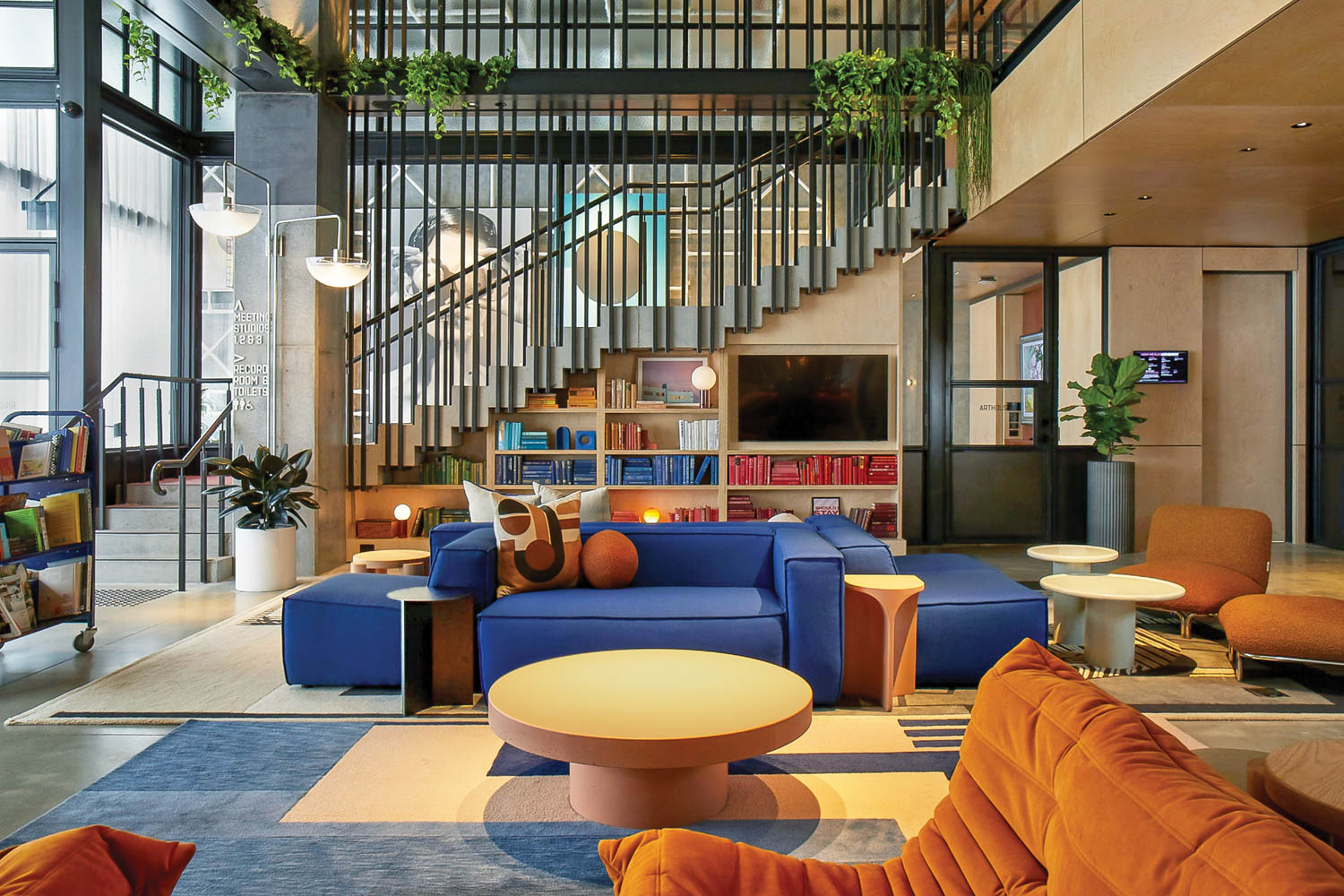
7.1. Layered Lighting
A balanced lobby uses at least three layers:
- Ambient (general illumination)
- Accent (highlighting artworks, plants, architectural elements)
- Task (reception counters, reading lights)
7.2. Color Temperature
Warm lighting generally communicates comfort. Cooler tones may fit modern, minimalist, or tech-driven brands.
7.3. Natural Light
The perfect lobby uses daylight wherever possible:
- Large windows
- Skylights
- Light wells
- Transparent façades
Natural light creates a sense of openness and synchronizes guests with local time—especially important for weary travelers.
8. Materials and Textures: The Foundations of Atmosphere
Every visitor interprets a lobby’s material palette emotionally—even if they don’t consciously notice it.
8.1. The Rule of Real Materials
The perfect lobby favors materials that:
- Age gracefully
- Feel authentic
- Communicate quality
These often include:
- Marble or other stone
- Wood (especially in tactile finishes)
- Polished or brushed metals
- Glass
- Leather
- Textured textiles
8.2. The Power of Texture
Texture creates depth and comfort. A perfect lobby includes:
- Smooth stone
- Soft upholstery
- Rough natural fibers
- Subtle patterns
8.3. Acoustics
This is where materials secretly shine. Good acoustics prevent echoes and noise buildup.
Techniques include:
- Upholstered walls
- Area rugs
- Wooden slats
- Acoustic ceiling panels
- Plants
The perfect lobby sounds as good as it looks.
9. Biophilic Elements: Bringing Nature Inside
A perfect lobby integrates the outdoors in a calm, thoughtful way.
9.1. Plant Life
Greenery offers:
- Lower stress levels
- Improved air quality
- A sense of freshness
Choices range from:
- Giant potted trees
- Hanging gardens
- Vertical plant walls
- Minimalist plant accents
9.2. Natural Lighting
As mentioned earlier, daylight enhances biophilia and creates psychological comfort.
9.3. Organic Materials
Stone, wood, and natural fibers subconsciously connect guests with nature.
Combined, these elements help guests breathe easier—literally and metaphorically.
10. Art and Cultural Identity: The Lobby as Storyteller
The perfect lobby tells a story about where the hotel is located and what it stands for.
10.1. Art Selection
Art should be:
- Meaningful
- Local or culturally relevant
- Cohesive with the hotel’s personality
- Large enough to have impact
- Small enough not to overwhelm
10.2. Art Integration
Art can be displayed through:
- Sculptures
- Murals
- Framed pieces
- Tapestries
- Digital art installations
The perfect lobby uses art as a narrative device.
11. Technology: The Silent Partner of Modern Hospitality
Technology must support—not dominate—the lobby experience.
11.1. Digital Convenience
Good lobby tech includes:
- QR check-in
- Touch-free doors
- Wireless charging tables
- Smart lighting systems
- Interactive maps or concierge screens (sparingly used)
11.2. Invisible Technology
Whenever possible, tech should blend into the environment:
- Hidden speakers
- Integrated cable management
- Subtle security cameras
11.3. Guest Tech Expectations
Modern travelers expect:
- Outlets everywhere
- Reliable Wi-Fi
- Seamless digital interactions
The perfect lobby offers these effortlessly.
12. The Lobby Bar or Café: Energy and Social Magnetism
Many of the world’s most successful hotel lobbies include a bar or lounge area.
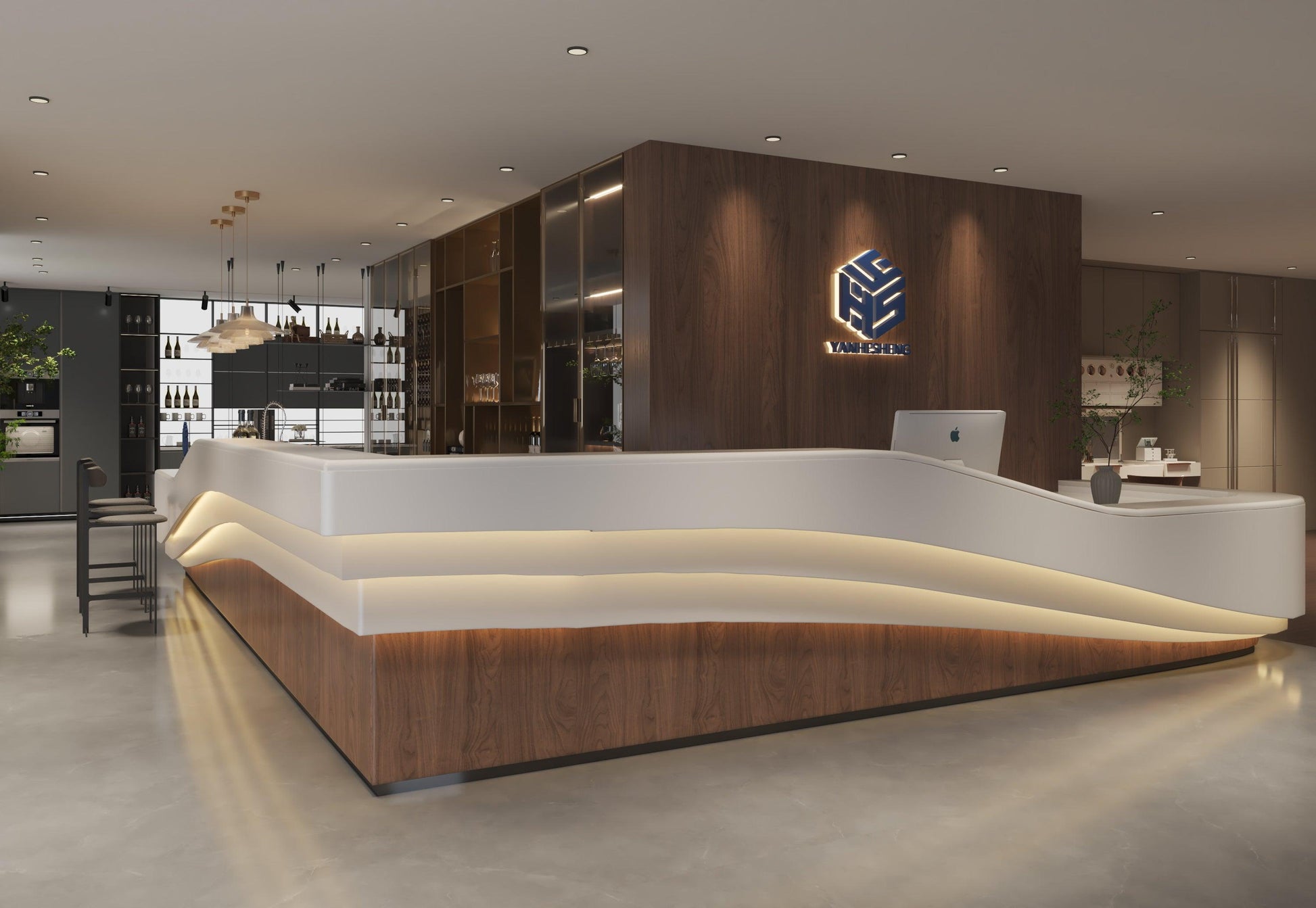
12.1. Why It Works
A lobby bar:
- Attracts both guests and locals
- Provides revenue
- Animates the space
- Makes the lobby feel alive at night
12.2. Design Requirements
The bar should:
- Be visible but not dominating
- Offer bar seating + table seating
- Have a sensual lighting scheme
- Connect smoothly with the rest of the lobby
12.3. Aroma as a Design Element
Fresh coffee in the morning, subtle cocktail fragrances in the evening—aromas shape memory and mood.
13. Branding Through Design: The Lobby as Identity
A perfect lobby makes the hotel’s personality instantly recognizable.
13.1. Visual Branding
This includes:
- Color palette
- Logo placement
- Typography in signage
- Custom furnishings
- Interpretive artworks
13.2. Experiential Branding
A hotel might feel:
- Playful
- Serene
- Luxurious
- Edgy
- Minimalist
- Nature-focused
The lobby must echo this lifestyle.
14. Cultural Sensitivity and Global Appeal
Hotels host guests from everywhere. The perfect lobby embraces cultural nuance.
14.1. Universal Comfort
Regardless of background, guests should feel:
- Respected
- Safe
- Oriented
- Considered
14.2. Local Expression
While globally welcoming, the lobby should express local culture through:
- Art
- Materials
- Patterns
- Plants
- Lighting motifs
It must feel rooted yet accessible.
15. Scent Design: The Invisible Identity Marker
A signature scent can become a hotel’s olfactory logo.
15.1. Characteristics of the Perfect Lobby Scent
- Subtle
- Clean
- Memorable
- Brand-appropriate
- Not cloying
15.2. Scent Zones
Different scents may appear:
- Near entrances
- In seating zones
- Around the bar
- Near the elevators
A good lobby scent feels natural, not artificial.
16. Safety, Security, and Accessibility
The perfect lobby ensures comfort for all guests.
16.1. Safety
- Strong but discreet security presence
- Fire-proof materials
- Clear emergency routes
16.2. Accessibility
Universally accessible lobbies include:
- Ramps
- Wide circulation paths
- Accessible check-in counters
- Easy-to-reach signage
16.3. Lighting for All Guests
Good lighting helps:
- Elderly guests
- Guests with low vision
- Children
- Tired travelers
Safety and accessibility must be seamless, not obtrusive.
17. Layout Flow: The Choreography of Movement
A well-designed lobby controls movement intuitively.
17.1. Zones of Motion
A lobby usually contains:
- High-traffic paths
- Medium-flow areas
- Slow zones
17.2. Spatial Hierarchy
From front to back, a perfect lobby often flows:
- Entrance
- Grand visual moment
- Reception
- Seating zones
- Bar / café
- Elevator area
- Corridors deeper into the hotel
This order feels natural and intuitive.
18. The Lobby as Living Room: Emotional Comfort
Many modern hotels aim for a “living room” atmosphere. Not literally—but emotionally.
18.1. Warmth
Achieved through:
- Softer lighting
- Comfortable seating
- Natural materials
18.2. Invitation
Guests should feel free to:
- Sit
- Work
- Chat
- Wait
- Relax
18.3. Emotional Neutrality
The space should not be so formal it intimidates or so casual it feels sloppy.
19. The Perfect Lobby by Hotel Type
Different hotels require different lobby expressions.
19.1. Luxury Hotels
Priorities:
- Grandeur
- Perfect service
- Dramatic materials
- Elegant art
- Staff presence
19.2. Boutique Hotels
Priorities:
- Personality
- Quirkiness
- Narrative
- Sensory richness
19.3. Business Hotels
Priorities:
- Efficiency
- Workspace
- Charging stations
- Clear navigation
19.4. Resort Hotels
Priorities:
- Indoor–outdoor flow
- Natural materials
- Relaxation atmosphere
19.5. Lifestyle Hotels
Priorities:
- Trendiness
- Social energy
- Bar-forward personality
The “perfect lobby” adapts to brand DNA.
20. Maintenance: Beauty That Survives Reality
A lobby must age gracefully.
20.1. Wear & Tear Planning
Surfaces must resist:
- Luggage wheels
- Scratches
- Spills
- Constant touch
20.2. Easy-to-Clean Fabrics
Modern hospitality fabrics include stain resistance and antimicrobial coatings.
20.3. Long-Term Design
Avoid overly trendy elements that age quickly.
21. The Emotional Arc of the Perfect Lobby
A guest should experience the perfect lobby in stages:
- Recognition – “This place feels right.”
- Orientation – “I know where to go.”
- Engagement – “Let me sit, explore, enjoy.”
- Connection – “I understand the hotel’s personality.”
- Memory – “I’ll remember this place.”
The perfect lobby creates a memorable emotional journey that lasts long after checkout.
22. So… What Does the Perfect Hotel Lobby Look Like?
After all these components, the answer becomes clear:
The perfect lobby is not one universal style.
It is a perfect translation of a hotel’s identity into a functional, emotional, sensory space.
It is:
- Beautiful but purposeful
- Comfortable but elegant
- Efficient but warm
- Modern but human
It is a place that welcomes everyone and orients them effortlessly.
It is a place that inspires photos but also invites long conversations.
It is a place that feels alive—morning, afternoon, and night.
Most importantly:
The perfect hotel lobby feels like the beginning of something wonderful.