










Hotel buffets are often regarded as a feast for the senses—an all-you-can-eat extravaganza brimming with options ranging from freshly baked pastries to international delicacies. But are all hotel buffets truly created equal? The answer, unsurprisingly, is no. While some buffets elevate dining into an art form, others fall short of expectations, leaving diners with little more than a sea of uninspired, overcooked dishes. So what makes a great hotel buffet? Is it the quality of food, the variety, or perhaps the atmosphere that separates the exceptional from the ordinary? This article will explore the multifaceted nature of hotel buffets, diving into what makes some shine while others disappoint, and offering insight into how to make the most of your next buffet experience.
The Concept of the Hotel Buffet: A Brief Overview
Hotel buffets have their origins in the European tradition of “smorgasbord” dining, which was popularized in Sweden. The smorgasbord concept was based on the idea of offering a variety of dishes, allowing guests to choose as much or as little as they desired. Over time, this evolved into the modern hotel buffet, which became a staple in many resorts, cruise ships, and hotels worldwide.
Today, hotel buffets serve as a convenient and often affordable dining option for guests, allowing them to sample a wide range of dishes, often reflecting both local cuisine and international influences. However, while the concept remains relatively unchanged, the quality, execution, and overall experience can vary drastically from one hotel to another.
Key Factors That Set Hotel Buffets Apart
1. Quality of Ingredients
The quality of ingredients is arguably the most important factor in determining the overall success of a buffet. A buffet that uses fresh, high-quality ingredients will almost always stand out. Think of the difference between a salad made from crisp, organic greens versus one with wilted lettuce and tasteless tomatoes. Freshness directly impacts taste and texture, and guests can immediately tell when a dish has been prepared with care and attention to detail.
Buffets that source locally grown produce or fresh seafood will often excel in providing a vibrant and memorable dining experience. Conversely, buffets that rely on frozen or pre-packaged ingredients are typically noticeable by their lackluster flavors and textures. The use of premium ingredients—whether it’s high-quality cheeses, top-tier meats, or farm-to-table produce—can elevate a hotel buffet from mundane to extraordinary.
2. Variety of Dishes
One of the primary appeals of a buffet is the variety it offers. A great hotel buffet should offer a broad selection of dishes that appeal to all kinds of tastes, dietary preferences, and cultural backgrounds. From traditional breakfast items like eggs and bacon to diverse ethnic cuisines such as sushi, dim sum, and curries, the best buffets provide a well-balanced selection.
A well-curated buffet not only satisfies the hunger but also piques the curiosity of the diner. The inclusion of seasonal ingredients and specialty items—such as freshly made pasta, gourmet cheeses, or intricate desserts—adds an element of surprise and delight. Variety also extends to accommodating dietary restrictions, ensuring that there are options for vegetarians, vegans, gluten-free, and halal diners.

3. Presentation and Aesthetics
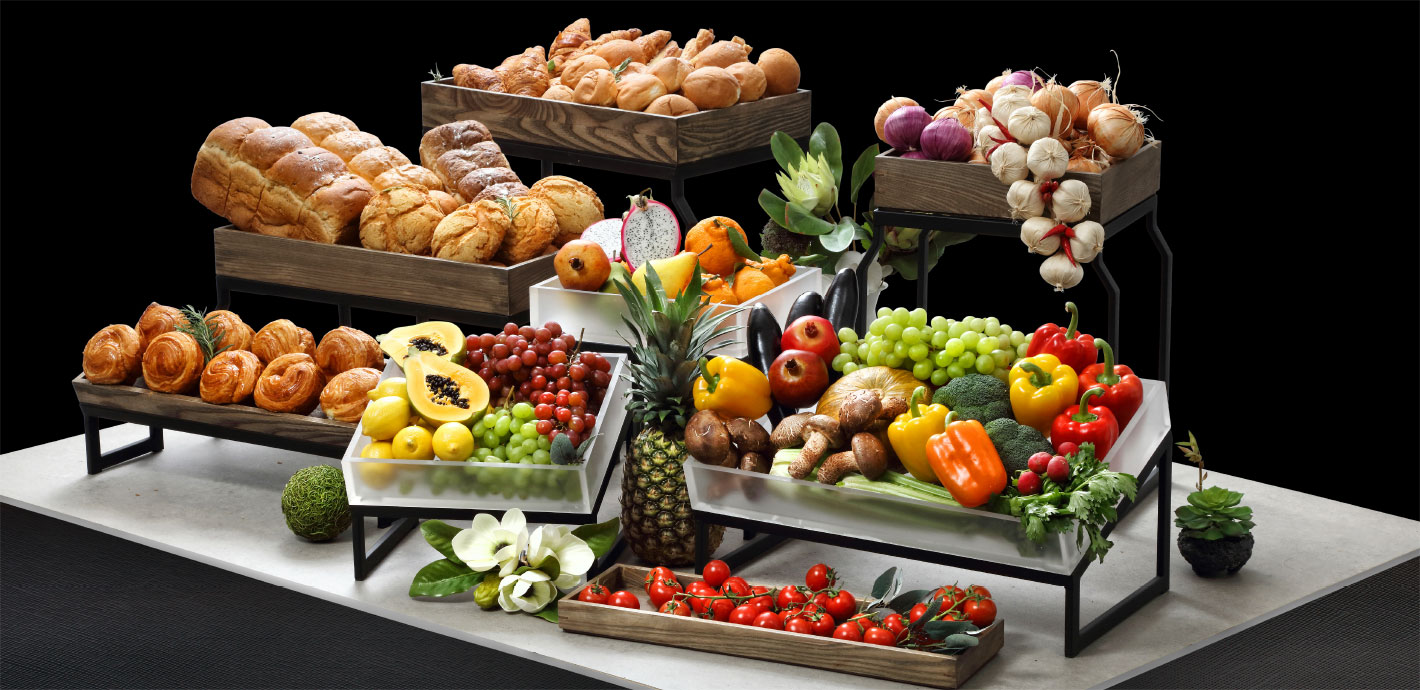
While food quality and taste are paramount, the visual appeal of a buffet should not be underestimated. Guests are more likely to be excited about a buffet that looks vibrant, organized, and thoughtfully arranged. A buffet that is poorly laid out, with dishes stacked haphazardly or looking unappetizing due to poor presentation, can lead to a disappointing experience.
The best hotel buffets understand the power of presentation. Colorful ingredients, neatly arranged platters, and artfully designed display stations can make all the difference. For example, a seafood bar arranged with ice sculptures or an elaborate dessert section featuring tiered cakes and macarons can elevate the experience significantly.
4. The Atmosphere
The atmosphere surrounding the buffet is just as important as the food itself. A chaotic, overcrowded dining space with long lines and limited seating can quickly turn a buffet experience from delightful to stressful. On the other hand, a well-designed buffet space that is spacious, with plenty of seating options, clean tables, and a relaxing ambiance, will set the tone for a pleasant meal.
Lighting, music, and even the way the buffet is presented (such as with an open kitchen concept) can affect the overall dining experience. Buffets in high-end resorts or luxury hotels often feature elegant décor, attentive staff, and even live cooking stations where chefs prepare food right before your eyes, adding a sense of theater to the meal.
5. Service and Attentiveness
Though buffets are typically self-serve, the service aspect remains crucial. Attentive staff who frequently clear empty plates, replenish food stations, and maintain cleanliness make a world of difference. When a buffet lacks proper maintenance or when guests are left to hunt for utensils and napkins, the experience can quickly degrade.
High-end buffets, especially those in luxury resorts, often offer table service alongside the buffet. In this case, servers can bring beverages, assist with specific requests, and ensure that the buffet area remains clean and well-stocked.
6. Price vs. Value
Price is another important consideration when evaluating a hotel buffet. While buffets can be a cost-effective option for those looking to sample a variety of dishes, the perceived value depends on the quality of the food and the overall experience. A cheap buffet may offer low-cost, mass-produced food that leaves guests feeling unsatisfied, while an expensive buffet might offer gourmet fare but lack sufficient variety or presentation.
It’s important to strike a balance between price and quality. The most successful hotel buffets manage to provide a high level of quality while maintaining a reasonable price point for the variety and experience they offer.
7. Specialty Offerings
Some hotel buffets distinguish themselves by offering unique, signature dishes that guests can’t find elsewhere. These specialty offerings might include local delicacies that showcase the region’s culinary heritage, such as freshly made pho in Vietnam, or an extensive variety of dim sum in Hong Kong. Additionally, luxury buffets may offer rare ingredients like caviar, foie gras, or truffles, catering to guests seeking an elevated dining experience.
8. Seasonal and Themed Buffets
Another way that hotel buffets stand out is through seasonal or themed offerings. A buffet during the holidays might feature traditional festive dishes like roasted turkey and stuffing, while a summer buffet could include a selection of grilled meats, seafood, and fresh fruits. Some resorts offer themed buffets, such as Mediterranean nights or seafood festivals, that focus on specific types of cuisine, giving guests a more immersive dining experience.
How to Make the Most of Your Buffet Experience
While hotel buffets can be a great way to sample a variety of dishes, making the most of the experience requires a little strategy. Here are some tips for getting the best value and enjoying your buffet to the fullest:
- Start with Smaller Portions: Don’t overload your plate at the start. Buffet indulgence is best when approached in small steps. Try a little bit of everything and go back for your favorites.
- Head for the Specialty Items: Many buffets feature signature dishes or items that are unique to that particular hotel or region. Make sure to sample these items early, before they run out.
- Avoid Common Staples: Instead of filling your plate with ubiquitous dishes like plain bread or basic salads, try to focus on more interesting and flavorful options that you wouldn’t typically make at home.
- Pace Yourself: Buffets are a marathon, not a sprint. Don’t rush through the meal—take time to savor the food, talk to your companions, and enjoy the atmosphere.
- Save Room for Dessert: Desserts are often the highlight of a buffet, with elaborate spreads of cakes, pastries, and sweet treats. Be sure to leave space for this indulgent finale.
Conclusion: The Allure of the Hotel Buffet
Hotel buffets are a unique dining experience that offers variety, convenience, and the opportunity to sample multiple dishes in one sitting. However, not all buffets are created equal. The best buffets are those that carefully balance quality, variety, presentation, and atmosphere while maintaining a reasonable price. As travelers, food lovers, and buffet enthusiasts, it’s essential to know what to look for in a great buffet and how to maximize the experience. Whether you’re enjoying an all-you-can-eat brunch at a five-star resort or indulging in regional delicacies at a themed buffet, the allure of the buffet lies in its ability to offer something for everyone.