











Stories are more than just a means of entertainment or a medium for passing the time. They have an extraordinary capacity to shape how we perceive and interact with the world. From ancient mythologies to modern-day movies, stories possess a unique power to define our realities, influence our behaviors, and even transform our understanding of the world around us. The question, “Do stories have the power to redefine reality?” is not just a philosophical musing—it is an inquiry into the very nature of human consciousness, culture, and society.
In this article, we will explore the profound ways in which stories shape our lives. By examining different domains—psychological, cultural, and social—we will understand how narratives influence our perceptions of reality, construct identities, and create collective experiences. Ultimately, we will see that stories not only reflect the world but also have the potential to change it.
The Psychological Impact of Stories
At the core of the question lies the psychology of storytelling. Humans are, at their essence, storytelling creatures. From the moment we learn to speak, we begin to narrate our lives, crafting stories about our experiences, desires, and dreams. These personal stories are not just reflections of what is happening around us but also a way to make sense of our inner worlds.
Constructing Identity Through Stories
One of the most significant ways in which stories redefine reality is through their role in shaping personal identity. Our identities are, in many ways, constructed through the stories we tell ourselves and others. Whether it’s the narrative of overcoming adversity, the story of an unfulfilled dream, or the tale of a great triumph, these stories inform how we view ourselves in relation to the world.
Psychologist Jerome Bruner, in his theory of narrative construction of reality, argues that humans create meaning in their lives through storytelling. We don’t merely react to events in our lives; we interpret and make sense of them by placing them within a coherent narrative framework. These stories allow us to organize our experiences and give them purpose, thus shaping our perception of reality.
Take, for example, a person who believes they are “bad at math.” This belief often originates from past experiences—perhaps a few poor test results or a teacher’s harsh words. Over time, these moments get woven into a narrative: “I’ve always struggled with math.” This story becomes part of their identity and influences how they approach future challenges. But if this person were to reframe the narrative—perhaps by retelling it as a story of gradual improvement—then their reality shifts. The new narrative opens the door to different possibilities and transforms the way they experience the world.
Empathy and Emotional Resonance
Stories also have the power to shift our emotional states and expand our sense of empathy. A well-told story can transport us to another person’s shoes, allowing us to feel what they feel and see the world from their perspective. This emotional engagement can help us reconsider our preconceived notions, biases, and attitudes.
Take literature, for example. Through novels, plays, and poems, readers can experience life through the eyes of people who might be vastly different from themselves. This process of “cognitive empathy” allows us to feel what someone from another culture, race, or socioeconomic background might experience, challenging our prior assumptions and broadening our worldview.
In the same vein, movies, TV shows, and even news stories can evoke emotions that make us question the reality we live in. When people are emotionally moved by a documentary about climate change, for example, they may begin to perceive environmental issues not as distant problems, but as urgent, personal matters that require immediate action. Stories, in this sense, can be catalysts for social change, redefining how we understand global challenges.
Cultural Influence and Storytelling
Stories don’t just influence individuals; they are deeply ingrained in the cultural fabric of society. Cultures across the world are defined by the stories they tell. From religious myths to historical narratives, these stories serve as a lens through which societies interpret their collective identity, values, and purpose.
Myth and Legend: Shaping Worldviews
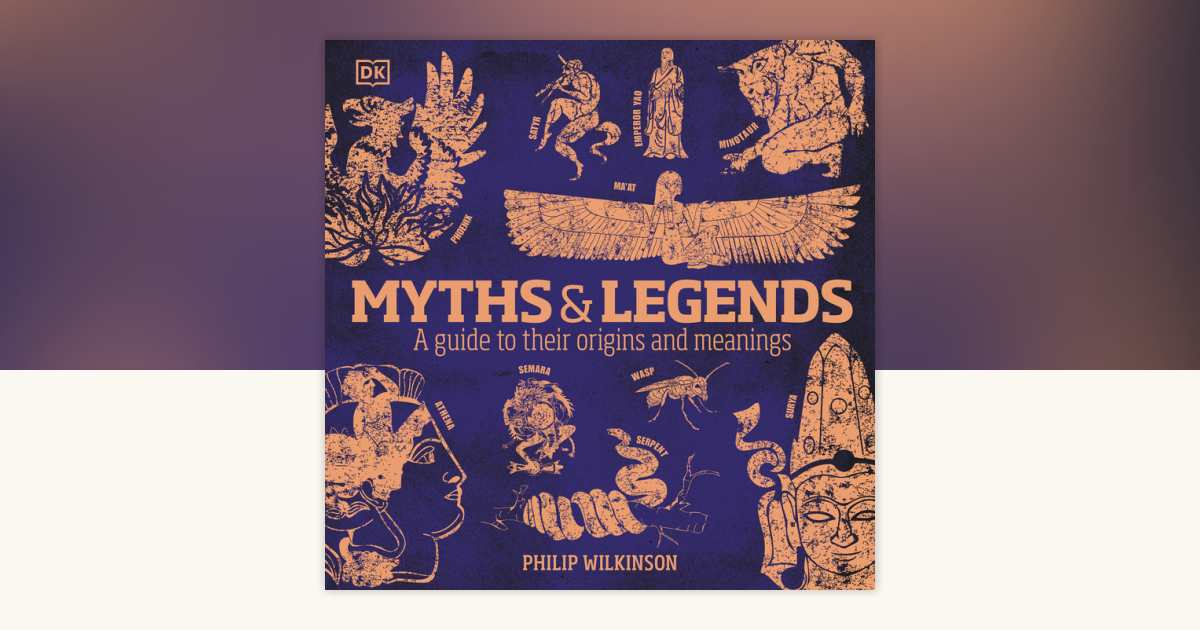
Throughout history, myths and legends have played a critical role in shaping societies’ understanding of reality. These stories often involve gods, heroes, and supernatural events, and they reflect the values and fears of the culture from which they emerge. Whether it’s the Greek myth of Prometheus, who defied the gods to give fire to humanity, or the Norse tale of Ragnarok, which foretold the end of the world, these stories offer more than just entertainment—they provide a worldview.
For instance, many ancient cultures used stories of gods and heroes to explain natural phenomena, like the changing of seasons or the ebb and flow of the tides. In doing so, they constructed a reality where human beings interacted with forces beyond their control, a reality shaped by the unseen and the divine. These stories defined the cultural understanding of the natural world and the place of human beings within it.
Even in modern times, myths continue to shape societal beliefs. Superheroes, for example, have replaced gods and demigods in the popular imagination. Characters like Superman, Wonder Woman, and Spider-Man may not be real, but they provide moral lessons and offer models of idealized behavior. They challenge our perceptions of good and evil, and through these stories, we negotiate the values of our modern societies.

Cultural Narratives and Social Norms
Stories also have a more direct impact on social norms. From the stories we read to the movies we watch, the narratives that dominate a culture often dictate what is considered “normal” or “acceptable.” Take, for instance, the portrayal of gender roles in literature and media. For decades, stories often depicted men as strong, dominant figures and women as nurturing, passive ones. These cultural narratives reinforced societal expectations, shaping how individuals acted and how they were expected to behave in different situations.
However, as these stories began to change—due to shifting cultural attitudes and the work of feminist movements, for example—the perception of gender roles started to shift as well. Stories began to depict women as powerful leaders and men as emotionally vulnerable. This evolution in storytelling has, over time, led to a redefinition of gender roles in society and how individuals are expected to express their identities.
Stories as Tools for Social Change
One of the most powerful ways in which stories redefine reality is through their ability to inspire social change. Stories have the unique ability to challenge the status quo, expose injustice, and rally people to action. From Harriet Beecher Stowe’s Uncle Tom’s Cabin to modern-day movements like #MeToo, storytelling has been instrumental in changing public opinion and social structures.
The Power of Narrative in Activism
Historically, stories have played a pivotal role in shaping social movements. The Civil Rights Movement in the United States, for example, was not just a political struggle—it was a battle over the stories that defined African Americans’ place in society. Leaders like Martin Luther King Jr. understood the power of storytelling. His speeches, including the famous “I Have a Dream” speech, painted a picture of a different reality, one where racial equality was not just a possibility but a necessity.
Today, social media serves as a platform for stories of marginalized communities to reach a global audience. Personal narratives shared online can ignite movements, raise awareness of social issues, and bring about meaningful change. By sharing stories of injustice, resilience, and hope, activists can redefine what is possible in the fight for equality.
Rewriting the Past to Shape the Future
Stories have the power to reshape how we view history. History is not a static collection of facts; it is constantly being rewritten and reinterpreted. As new voices are added to the historical narrative, new stories emerge that challenge established views of the past. For instance, the historical narrative surrounding colonization has shifted in recent years, with post-colonial scholars and indigenous activists offering new interpretations of events that were once seen as “civilizing missions” but are now understood as acts of exploitation and oppression.
By reinterpreting history through these new lenses, societies can redefine their present and future. This process is vital for healing historical wounds and creating a more just and equitable world.
The Role of Stories in Technology and Virtual Realities
In the modern era, stories have not only transformed cultural and social realities but have also begun to shape virtual and augmented realities. As technology advances, storytelling is becoming increasingly interactive, immersive, and dynamic. Video games, virtual reality (VR), and augmented reality (AR) are allowing individuals to experience stories in ways never before possible.
In VR, for example, players don’t just read or watch stories—they live them. They interact with characters, explore worlds, and make choices that affect the outcome of the story. This interactivity gives individuals a sense of agency and control, allowing them to shape the narrative in ways that would be impossible in traditional media.
As technology continues to evolve, it is likely that stories will play an even more profound role in shaping our perception of reality. What was once confined to fiction may soon become an immersive experience that challenges our understanding of what is real and what is possible.
Conclusion: Stories as a Tool for Redefining Reality
Stories are not passive reflections of the world—they are active forces that shape and redefine reality. From the narratives we create about ourselves to the cultural myths that guide our societies, stories play a central role in constructing the realities we inhabit. They provide meaning, shape identities, influence social norms, and drive movements for change.
In the end, stories have the power to make the world what it is and what it can be. As we continue to tell stories, we are not merely recounting events—we are actively participating in the creation of a shared reality, one narrative at a time.