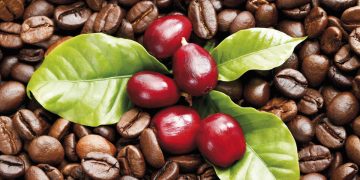










Coffee: a beloved morning ritual for millions, the fuel that powers our day and the warm comfort we turn to during moments of relaxation. It’s no wonder that the demand for organic coffee has skyrocketed in recent years, as more consumers seek out healthier, more environmentally friendly options. But, with so many labels, certifications, and marketing buzzwords, how can we be sure if the coffee we’re drinking is truly organic? And what does “organic” really mean in the context of coffee?
In this article, we’ll take a deep dive into the world of organic coffee, examining how it’s grown, processed, and certified. We’ll also explore whether the claims on your coffee bag hold up and how you can make the best choice for both your health and the environment. Let’s uncover the truth about your morning cup of joe.
What Does Organic Coffee Really Mean?
The Basics of Organic Coffee
At its core, “organic” refers to agricultural practices that aim to promote biodiversity, conserve soil health, and reduce pollution. For coffee to be considered organic, it must be grown without synthetic fertilizers, pesticides, herbicides, or genetically modified organisms (GMOs). Organic coffee farms also prioritize sustainability, using methods that enhance the natural ecosystem rather than deplete it.
But these practices extend beyond just the absence of chemicals. Organic farming emphasizes the health of the entire farming system, including crop rotation, composting, and encouraging natural predators to control pests. For coffee growers, this means they must adhere to specific guidelines set by certifying bodies to ensure that their farming practices meet the standards for organic certification.
The Process of Organic Coffee Production
Organic coffee production begins in the soil, where healthy, nutrient-rich conditions are key to producing high-quality beans. To keep the soil healthy, organic farmers often use compost and natural fertilizers rather than chemical alternatives. This results in coffee beans that are grown in a more balanced ecosystem, without the heavy use of artificial inputs that can harm the environment.
After harvest, organic coffee beans are processed similarly to conventional coffee, but with added care to avoid contamination from non-organic materials. Coffee beans are usually washed, dried, and roasted in facilities that are certified to handle organic products.
Organic Certification: Who’s Watching the Coffee Growers?
For coffee to be labeled as “organic,” it must pass strict certification processes. In the United States, this is typically overseen by the U.S. Department of Agriculture (USDA), which has an Organic certification program. Similar programs exist in other countries, such as the EU Organic Certification in Europe or the Fair Trade certification, which includes organic standards among other ethical guidelines.
The certification process involves on-site inspections, audits, and testing to ensure that organic standards are being met. These checks happen not only at the farm level but also at various points along the supply chain, from processing to packaging, to ensure that organic integrity is maintained throughout.
The Cost of Organic Coffee
One reason organic coffee tends to be more expensive than conventional coffee is the labor-intensive farming practices and the cost of certification. Organic farmers don’t have the convenience of chemical pesticides and fertilizers, and they often need to implement more manual, environmentally friendly methods, such as crop rotation and handpicking. Additionally, the certification process itself requires farmers to meet high standards, which can come with associated costs.
For consumers, this means that organic coffee is often more expensive. However, many people feel that the added cost is worth it, knowing that the beans they are drinking were grown without harmful chemicals, in a way that is better for the environment.
Is Your Coffee Really Organic? The Hidden Truths
The Pervasive Problem of “Greenwashing”
Unfortunately, the coffee industry is not immune to the practice of “greenwashing,” where companies market their products as environmentally friendly or organic when they don’t meet rigorous standards. In many cases, this can mean misleading claims or vague labels like “all-natural” or “sustainably sourced,” which sound good but don’t necessarily indicate genuine organic practices.
For example, some coffee producers may use the term “organic” loosely, suggesting their product is organic without official certification or clear transparency. These companies may avoid the costly certification process but still present their coffee as a natural or eco-friendly option.
How can you avoid falling victim to greenwashing? Look for products that clearly state their certification (e.g., USDA Organic, Fair Trade Organic), and don’t rely solely on buzzwords. It’s essential to dig deeper into the brand’s practices and ensure they align with truly organic farming methods.
Mixed Farms: Organic vs. Non-Organic Beans
Another tricky area is mixed farms, where both organic and conventional crops are grown. While coffee farms may be certified organic, it’s possible that some beans in the batch are non-organic. This could happen when coffee beans are harvested or processed together with conventional beans. It’s why a true organic farm will go to great lengths to maintain a strict separation between organic and non-organic crops, including separate storage and transportation methods.
Farmers who grow both organic and conventional coffee may not always meet the necessary standards for organic certification, particularly when cross-contamination occurs during processing. It’s crucial to buy coffee from well-established, reputable brands that have rigorous quality control procedures in place to avoid contamination.
The Environmental Impact of Organic Coffee
Organic coffee is often touted as the more sustainable choice because it tends to have less of an environmental impact than conventionally grown coffee. Organic farming reduces soil erosion, improves water retention, and preserves biodiversity by avoiding harmful chemicals. Furthermore, many organic coffee farms implement agroforestry practices, which involve planting coffee under the shade of larger trees, providing habitats for wildlife and reducing the need for pesticides.
However, the environmental impact of organic coffee isn’t without its challenges. Organic farming methods can require more land to produce the same yield as conventional farming, which can increase deforestation in some areas. Additionally, the logistics of organic certification and transportation to market can increase the carbon footprint of organic coffee in certain situations. As with all agricultural products, the environmental impact depends on various factors, including farming methods, location, and transportation practices.
Coffee with a Conscience: Fair Trade and Organic Coffee
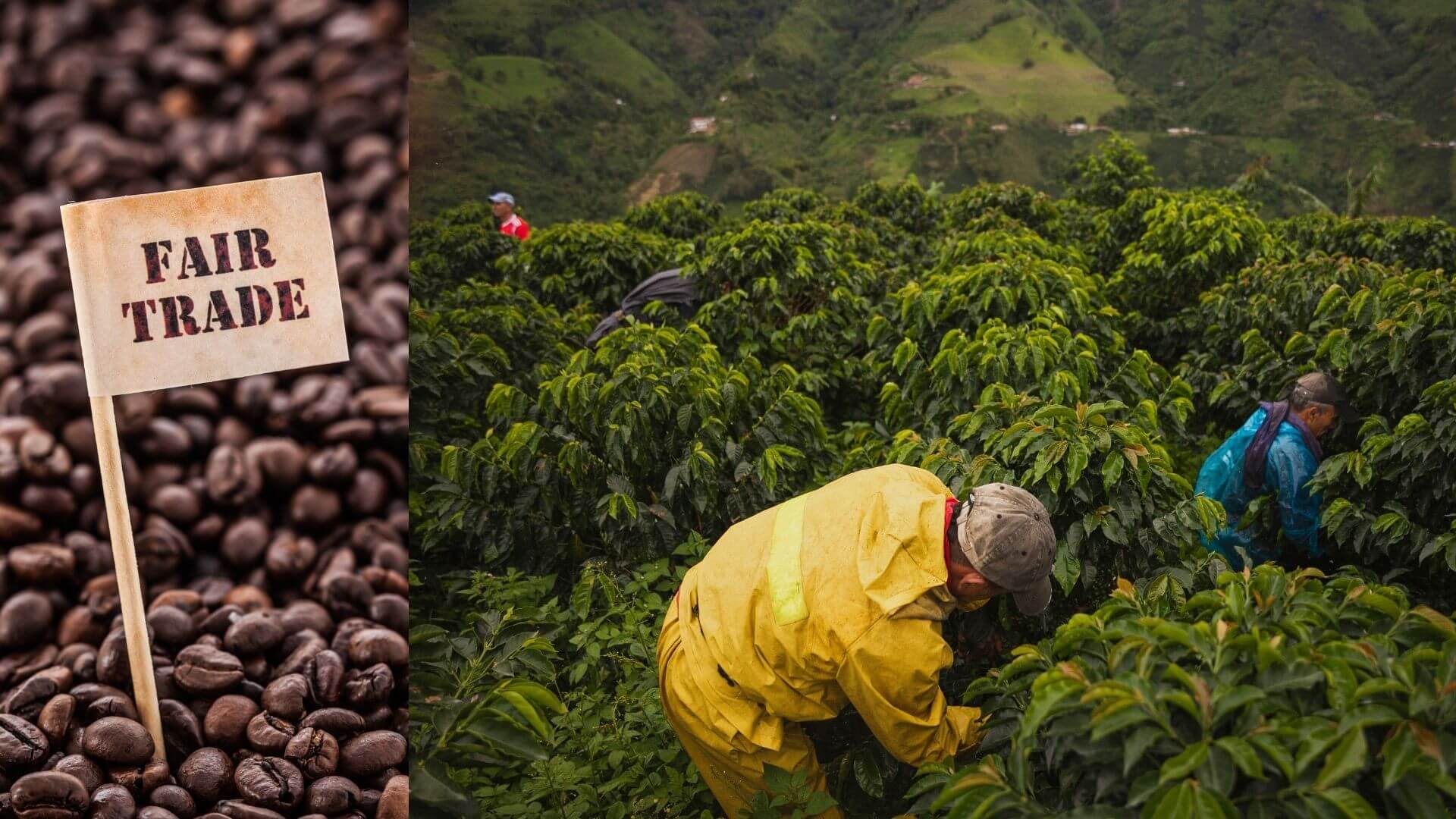
Fair Trade and organic coffee often go hand in hand. Fair Trade certification ensures that coffee farmers are paid fairly for their labor, that they work in safe conditions, and that the communities around coffee farms receive support in areas such as education and healthcare. When you buy Fair Trade organic coffee, you’re supporting a more ethical and sustainable supply chain from farm to cup.
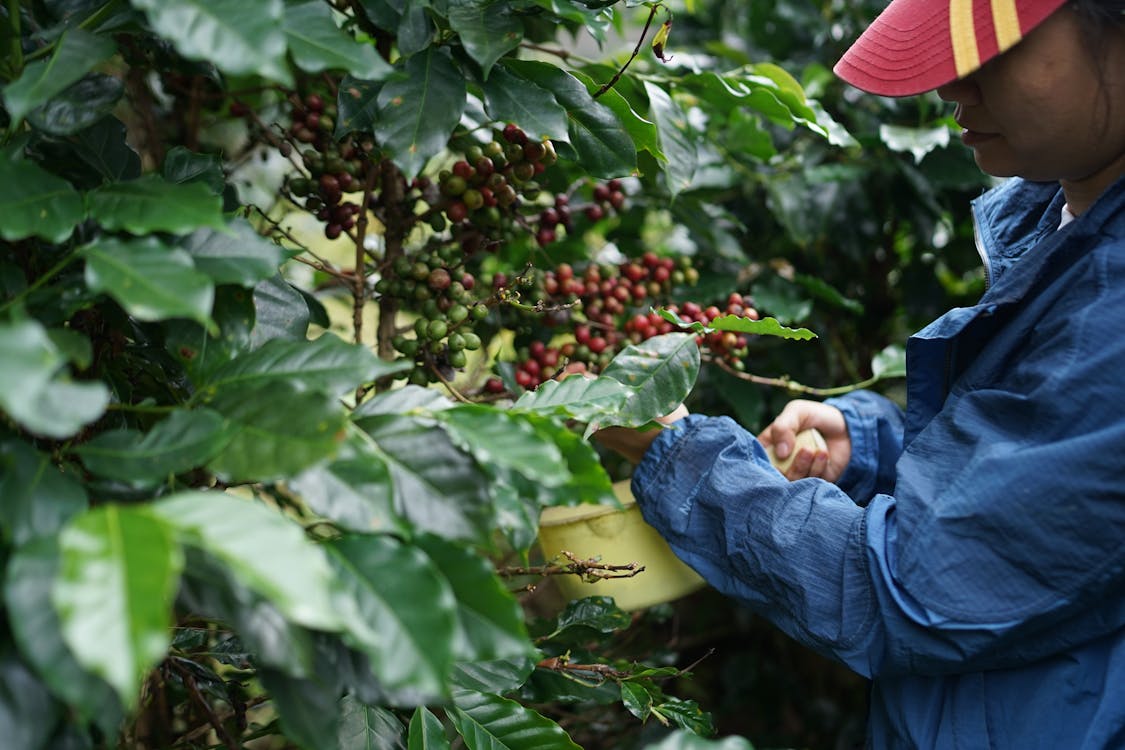
The relationship between Fair Trade and organic certification is not always mandatory, but many small-scale farmers choose to pursue both certifications in order to meet the growing demand for ethical and organic products. The result is a cup of coffee that is better for the environment, the workers, and the consumer.
Is Organic Coffee Better for Your Health?
Many people turn to organic coffee because they believe it’s a healthier choice. Organic coffee has fewer pesticide residues compared to conventionally grown coffee, which can be a concern given the high levels of pesticide use in non-organic coffee farming. While the levels of pesticides in conventional coffee are typically considered safe by regulatory bodies, some people prefer to avoid them altogether.
Moreover, organic coffee is less likely to be genetically modified (GMOs), as GMOs are prohibited in organic farming. Although research on the health impacts of GMOs is still ongoing, many consumers prefer to avoid them for peace of mind.
In addition to pesticide concerns, organic coffee is often grown with fewer chemical inputs, which may preserve its natural flavor profiles. Many coffee enthusiasts believe that organic coffee offers a cleaner, more vibrant taste because the beans aren’t tainted by chemicals, making it a preferred option for those who appreciate high-quality coffee.
Choosing the Right Organic Coffee
How to Spot Truly Organic Coffee
When you’re choosing an organic coffee, look for certifications like the USDA Organic seal or Fair Trade Organic. These seals guarantee that the coffee has met specific organic farming standards. Ideally, you’ll also want to choose brands that are transparent about their sourcing practices, including details about how and where the coffee is grown.
Look for brands that prioritize sustainability in all aspects of their production, from farming to packaging. Many organic coffee brands also offer information about their environmental initiatives, such as carbon offset programs or sustainable packaging, allowing you to make a more informed choice.
Single-Origin vs. Blend
When shopping for organic coffee, you’ll likely encounter both single-origin and blended options. Single-origin coffee comes from one specific region or farm and often highlights the unique flavors of that area. Organic single-origin coffees are a great way to experience the distinct characteristics of different growing regions, from the fruity, bright flavors of Ethiopia to the smooth, chocolatey notes of Colombia.
Blended organic coffees, on the other hand, are created by combining beans from multiple regions to produce a balanced, consistent flavor profile. If you enjoy a specific flavor profile, a blend might be the better option. Regardless of your preference, the key is to ensure the beans are certified organic, which guarantees they were grown according to strict environmental and health standards.
Coffee Roasting and Organic Integrity
Even after your coffee is grown organically, the roasting process can introduce potential risks if the facility isn’t certified organic. Many organic coffee companies take care to ensure that their roasters use separate equipment or cleaning methods to avoid contamination with non-organic beans.
When purchasing organic coffee, check the packaging for information about the roasting facility’s certification. A reputable organic coffee roaster will be transparent about the process and be happy to explain their commitment to organic practices.
Conclusion: Sip with Confidence
So, is your coffee really organic? If you’re buying from a certified, reputable source, the answer is most likely yes. But it’s important to be aware of the potential pitfalls, such as greenwashing, mixed farms, and environmental considerations, which can muddy the waters when it comes to organic coffee.
By choosing certified organic coffee, you’re not only ensuring that your cup is free from harmful chemicals, but you’re also supporting sustainable farming practices that benefit the planet and its people. Whether you’re motivated by health concerns, environmental impact, or ethical considerations, making the switch to organic coffee is a decision that can make a positive difference.
As consumers, we have the power to choose what we put in our bodies and how we support the industries that provide us with food and beverages. So, next time you brew a cup of organic coffee, you can sip with confidence, knowing that you’ve made an informed choice.