










French fries—those golden, crispy, and salty morsels that have earned their place as the ultimate comfort food in many parts of the world. Whether served as a side dish at a fast-food chain, a decadent snack in a cozy café, or a homemade delight, they always seem to hit the spot. But what is it about French fries that makes them so irresistible? Is it the texture, the flavor, or perhaps something more complex? In this article, we will explore the science, history, and sensory allure behind French fries, unraveling why they are the food we just can’t resist.
The Origins of French Fries: A Global Debate
Before diving into the irresistible qualities of French fries, it’s essential to clarify their origins. Despite the name “French fries,” there’s ongoing debate about whether they originated in France or Belgium. Both countries claim to be the birthplace of this beloved dish, each with a unique perspective.
Belgium’s Claim
Belgians argue that French fries were first created in their country during the late 1600s. The story goes that villagers in the Meuse Valley often ate small fried fish. However, during a particularly cold winter when the river froze over, they resorted to frying potatoes cut into the shape of fish. This, they say, is the true origin of French fries.
France’s Claim
On the other hand, the French point to the late 18th century, when street vendors in Paris began frying thin slices of potatoes and selling them as a snack. These vendors, known as “pommes frites” (French for fried potatoes), became a staple of French street food culture. The dish eventually spread globally, gaining traction in various countries.
Regardless of where they were first created, French fries have become a universal food enjoyed by millions worldwide. In fact, the global spread of French fries is an interesting tale of cultural exchange and innovation.
The Irresistible Appeal: Texture, Taste, and Aroma
So, what makes French fries so hard to resist? The allure of French fries can be broken down into three key factors: texture, taste, and aroma.
1. The Perfect Texture: A Delightful Crunch
The texture of a French fry is arguably the most important factor in its appeal. When done correctly, French fries strike a perfect balance between a crispy exterior and a soft, fluffy interior. This combination creates a sensory experience that is both satisfying and comforting.
The crispy exterior comes from the process of frying the potatoes in hot oil. As the oil heats up, the surface of the potato slices undergoes a Maillard reaction, a chemical reaction between amino acids and reducing sugars that gives French fries their golden-brown color and crispy texture. The oil quickly seals the outside of the potato, creating a barrier that prevents moisture from escaping and ensures that the inside stays tender.
The soft interior, on the other hand, is a result of the potato’s starch content. When heated, the starches in the potato gelatinize, creating a creamy texture that contrasts beautifully with the crispy exterior. This duality of textures—crispy on the outside, soft on the inside—is what makes French fries so incredibly satisfying to bite into.
2. The Allure of Salt: A Flavor Explosion
The next key component of French fries’ irresistible appeal is their taste, and it all starts with salt. Salt plays a critical role in enhancing the natural flavors of the potato. Potatoes are relatively bland on their own, but when paired with salt, they develop a savory flavor that heightens our senses. This is not just a matter of taste; it’s a biological response.
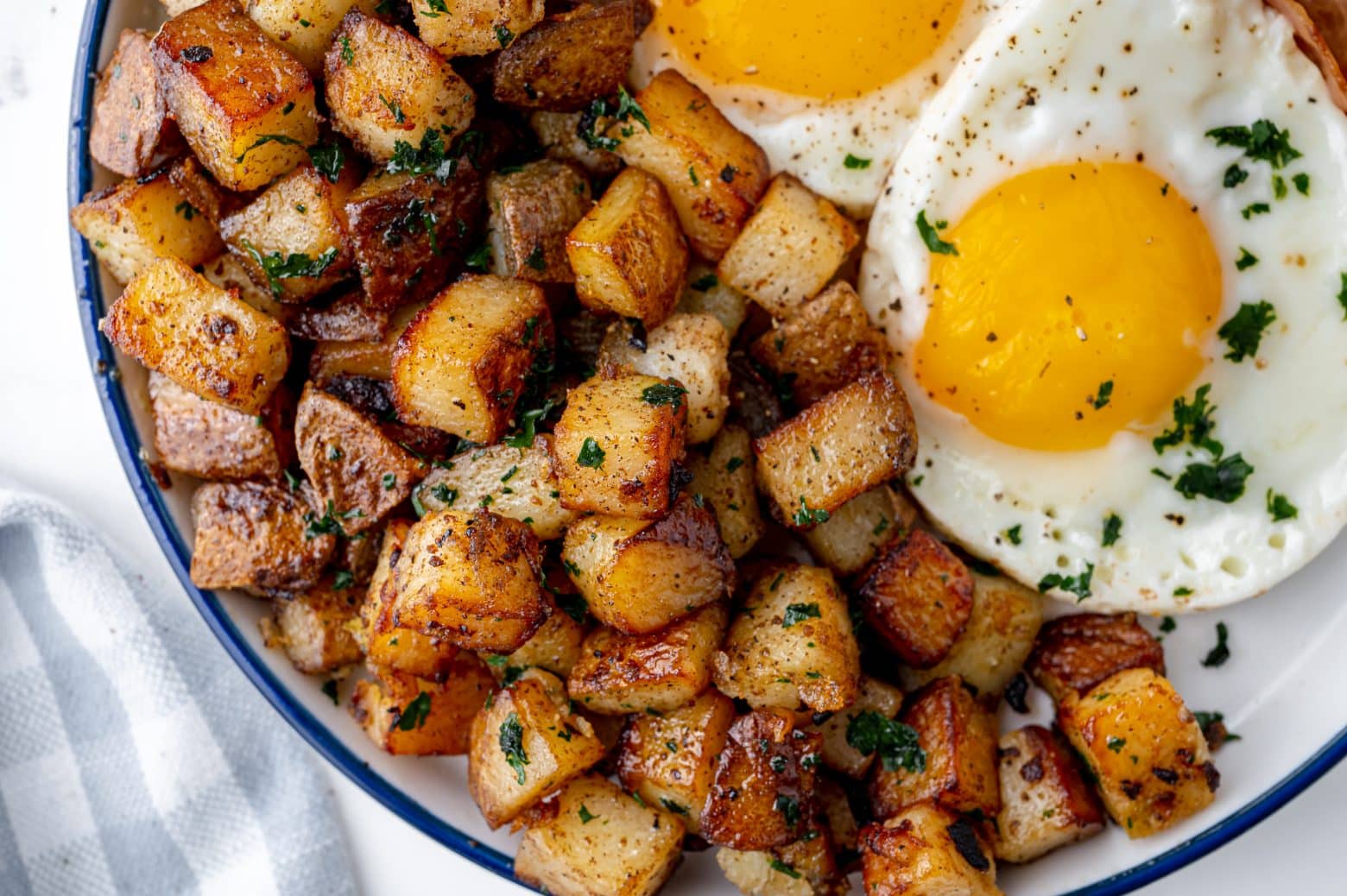
Our brains are wired to crave salt because it helps maintain electrolyte balance and hydration. This biological craving leads us to experience a sense of pleasure when we eat salty foods like French fries. In fact, research shows that salt can activate the reward centers of the brain, triggering the release of dopamine, the “feel-good” neurotransmitter. This explains why we find ourselves reaching for another fry, and another, even after we’ve had a satisfying amount.
But salt alone doesn’t account for the full flavor profile of French fries. The frying process also imparts a rich, savory umami flavor to the potatoes. This umami, the fifth taste alongside sweet, salty, sour, and bitter, is produced by the Maillard reaction and contributes to the overall complexity of the fry’s flavor. Combined with the salt, the result is a flavor explosion that is both satisfying and crave-worthy.
3. The Aromatic Appeal: A Mouthwatering Scent
One of the most irresistible aspects of French fries is their aroma. The scent of freshly fried potatoes wafts through the air, drawing people in from blocks away. This sensory experience is almost universally appealing.
The smell of French fries is a result of several chemical reactions that occur during the frying process. As the potatoes cook in hot oil, they release volatile compounds, including aldehydes, ketones, and fatty acids, that contribute to the signature “fried” scent. These compounds are complex and varied, creating a rich, mouth-watering fragrance that stimulates the olfactory senses and triggers a desire to eat.
Interestingly, the aroma of French fries is also linked to nostalgia. For many people, the smell of French fries evokes memories of childhood, family gatherings, or casual outings with friends. This emotional connection adds another layer to their appeal, making them not just a food but a comforting, familiar experience.
The Science of Craving: Why We Can’t Stop Eating Them
Beyond the sensory appeal of French fries, there are deeper psychological and neurological reasons why we find them so irresistible. Understanding these mechanisms helps explain why it’s so hard to stop at just one fry.
1. The Role of Fat
Fat is an essential component of the French fry. The oil used to fry the potatoes provides a high-energy source of calories that our bodies instinctively crave. Throughout human history, fat has been a valuable nutrient, signaling abundance and providing the energy necessary for survival. This evolutionary preference for fat is still present in modern humans, making foods like French fries particularly enticing.
Moreover, fat is known to enhance the taste and texture of food. The rich, buttery mouthfeel of the oil-coated fries creates a sense of indulgence, making each bite feel luxurious. The combination of fat and salt is a particularly potent pairing, as both ingredients activate the brain’s reward centers, encouraging us to eat more.
2. The Reward System: Dopamine and the Pleasure Principle
The brain’s reward system plays a central role in our desire for French fries. As mentioned earlier, consuming salt triggers the release of dopamine, a neurotransmitter that is associated with pleasure and reward. Every time we bite into a crispy, salty fry, our brain associates it with positive reinforcement, prompting us to seek out more fries.

Additionally, the act of eating French fries taps into the brain’s anticipatory reward system. When we see a plate of golden fries, the brain releases dopamine in anticipation of the pleasure we will experience while eating them. This is why we often find ourselves craving French fries before we even take the first bite. The promise of indulgence is enough to activate our reward centers, setting the stage for a satisfying eating experience.
3. Portion Size and Mindless Eating
One of the reasons we find it so difficult to stop eating French fries is that they are often served in large portions. The relatively small size of the fries and their ease of consumption contribute to what is known as “mindless eating.” Because each fry seems so small and inconsequential, it becomes easy to eat them without thinking about how many we’ve consumed. Before we know it, we’ve polished off an entire serving, often without realizing how much we’ve actually eaten.
Portion sizes in fast food restaurants and snack bars are designed to exploit this tendency, encouraging us to eat more than we intended. The easy-to-grab, bite-sized nature of French fries makes them a perfect candidate for overconsumption.
The Social and Cultural Impact of French Fries
While French fries are undeniably irresistible on a personal level, their cultural significance cannot be overlooked. French fries have become a symbol of comfort and indulgence, transcending regional boundaries and uniting people across the globe.
1. French Fries as a Social Food
French fries are often associated with social gatherings. Whether it’s sharing a basket of fries with friends at a restaurant or passing around a plate of fries at a family barbecue, they serve as a communal food that brings people together. Their casual, unpretentious nature makes them a perfect accompaniment to conversations and social interactions.
In many cultures, fries are also a symbol of convenience and affordability. Fast food chains like McDonald’s have made French fries a ubiquitous part of modern life, offering them as a quick and inexpensive meal option. In this context, French fries are not just food—they are a social experience, a way for people to bond over a shared love of comfort food.
2. The Globalization of French Fries
Thanks to globalization, French fries have become a global phenomenon. They can be found in virtually every corner of the world, with each country putting its own unique spin on the classic dish. In the United States, French fries are often served with ketchup or other dipping sauces. In Belgium, fries are traditionally paired with mayonnaise. In the United Kingdom, fries are served with malt vinegar, while in Canada, the iconic poutine combines fries with gravy and cheese curds.
This global variation of French fries reflects their adaptability and universal appeal. No matter where you are, there’s a good chance you’ll find French fries on the menu—sometimes with a local twist, but always with that irresistible combination of crisp, salty goodness.
Conclusion: The Irresistible Allure of French Fries
What makes French fries so irresistible? It’s a combination of factors—texture, taste, aroma, and the brain’s natural cravings—that together create a food experience like no other. From their perfect balance of crispy and fluffy to their savory, umami-packed flavor, French fries have earned their status as one of the most beloved foods in the world.
Their appeal goes beyond just the sensory experience, tapping into our brains’ reward systems and our natural preference for fat and salt. Additionally, their cultural significance as a social and shared food further cements their place in our hearts and on our plates.
In the end, French fries are more than just a side dish or snack. They are a symbol of comfort, indulgence, and shared moments, making them a timeless favorite for people of all ages. Whether enjoyed in a fast-food restaurant, at home, or as part of a celebratory meal, French fries are here to stay—irresistible as ever.