










In a world where dieting trends constantly rise and fall, few debates have persisted as long as the one about fats. Does eating fat make you fat? The answer isn’t as straightforward as a simple “yes” or “no.” Our understanding of fats, their role in the body, and how they affect weight gain has evolved significantly over the past few decades. To fully grasp the nuances of this age-old question, we need to dive into the science behind fats, their impact on metabolism, and how they interact with other macronutrients in our diets.
The Basics of Fat: A Macronutrient Overview
To understand whether eating fat contributes to weight gain, we must first recognize what fats are and their role in the body. Fats are one of three primary macronutrients, along with carbohydrates and proteins. They provide energy, support cell structure, protect vital organs, and enable the absorption of fat-soluble vitamins like A, D, E, and K. In fact, fats are crucial for the body’s overall function and health, and they contribute to a range of physiological processes.
There are three main types of fats:
- Saturated fats: Found in animal products like meat, butter, and cheese, as well as some plant-based oils (like coconut and palm oil).
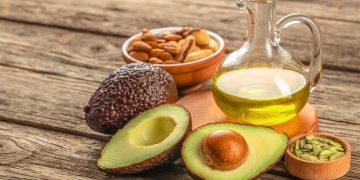
- Unsaturated fats: These are further divided into monounsaturated fats (found in olive oil, avocados, and nuts) and polyunsaturated fats (found in fatty fish, flaxseeds, and walnuts).
- Trans fats: Often artificially created through hydrogenation, trans fats are found in processed and packaged foods and are considered harmful to health.
Among these, unsaturated fats are generally seen as beneficial for heart health, while saturated fats should be consumed in moderation, and trans fats should be avoided entirely.
Fat and Weight Gain: The Myth and the Reality
For years, people were led to believe that eating fat directly leads to weight gain. This belief stems from the fact that fat is calorie-dense, providing 9 calories per gram, whereas carbohydrates and proteins offer only 4 calories per gram. If you consume large quantities of fat without balancing your calorie intake, it could lead to an excess of calories, which might contribute to weight gain. However, the story isn’t that simple.
Caloric Surplus and Weight Gain
At its core, weight gain occurs when there is a caloric surplus—when the body consumes more calories than it needs for energy expenditure. This surplus, regardless of whether it comes from fats, carbohydrates, or proteins, is stored as fat in the body. Thus, it isn’t necessarily the consumption of fats that leads to weight gain; rather, it’s the total calorie intake that matters.
Eating fat doesn’t inherently cause the body to store fat. In fact, fats play a role in regulating satiety, the feeling of fullness, and the body’s ability to burn fat. When consumed in the right amounts and from healthy sources, fats can help maintain a healthy weight by promoting proper digestion, preventing overeating, and keeping blood sugar levels stable.
The Role of Insulin and Metabolism
A key factor in weight management is insulin, the hormone responsible for regulating blood sugar levels. Excessive carbohydrate consumption—especially refined carbs and sugars—can cause insulin levels to spike, leading to fat storage. On the other hand, fats have a minimal impact on insulin secretion. This means that when you eat a diet rich in healthy fats, you may be less likely to experience the insulin spikes that encourage fat storage.
Moreover, fats play a vital role in regulating metabolism. Studies have shown that individuals who consume healthy fats tend to have a more efficient metabolism compared to those who consume high amounts of refined sugars and processed carbohydrates. This is because fats are more slowly digested than carbohydrates, which can help prevent overeating and provide a steady, sustained source of energy.

Fat and Hormonal Regulation
Fats are not only important for energy but also play a role in regulating hormones that control hunger and satiety. For instance, omega-3 fatty acids, which are a type of polyunsaturated fat found in fatty fish and certain plant sources, have been shown to positively influence the hormones leptin and ghrelin. Leptin helps signal fullness to the brain, while ghrelin is known as the “hunger hormone.” Maintaining a balance of these hormones can be essential for managing appetite and preventing overeating.
The Importance of the Type of Fat You Eat
The type of fat you consume is just as important, if not more important, than the amount. Let’s break down the different types of fat and how they impact health and weight.
Healthy Fats: Monounsaturated and Polyunsaturated
Monounsaturated and polyunsaturated fats are often considered the “good” fats. These fats are typically found in plant-based oils, nuts, seeds, avocados, and fatty fish. They are known to support heart health by lowering bad cholesterol (LDL) and increasing good cholesterol (HDL).
Omega-3 fatty acids, a form of polyunsaturated fat found in fish, flaxseeds, and walnuts, are particularly beneficial for reducing inflammation, supporting brain function, and even improving fat metabolism. By including these types of fats in your diet, you can help prevent chronic diseases, improve your fat-burning potential, and maintain a healthy weight.
Saturated Fats: A Moderate Approach
Saturated fats are often labeled as unhealthy, but recent studies have begun to challenge this notion. While it’s true that excessive consumption of saturated fats can increase LDL cholesterol and raise the risk of cardiovascular diseases, moderate consumption of healthy saturated fats (like those found in coconut oil, grass-fed butter, and dark chocolate) can still be part of a balanced diet. As with everything, the key is moderation.

The Danger of Trans Fats
Trans fats are artificially created fats that have been hydrogenated to increase shelf life and improve texture in processed foods. Unfortunately, these fats have been shown to raise LDL cholesterol, lower HDL cholesterol, and increase the risk of heart disease, obesity, and diabetes. Trans fats should be avoided at all costs. They not only contribute to weight gain but also pose serious health risks.
The Fat-Burning Potential of Fat
Interestingly, fat is not only a macronutrient that our bodies store—it’s also the fuel that can help us burn more fat. When we reduce carbohydrate intake (as seen in low-carb diets like keto or paleo), the body enters a state called ketosis, where it shifts from using glucose (sugar) as its primary energy source to using fat. This process encourages the body to burn its stored fat for energy, leading to weight loss.
Moreover, fat can have a thermogenic effect—meaning it can slightly increase the number of calories the body burns during digestion. While this effect is not drastic, it shows that fats have a unique ability to support fat metabolism in the body.
Fat and Physical Performance
Fat isn’t just for weight loss; it’s also a key player in physical performance. The body relies on fat for sustained energy, especially during prolonged low-to-moderate-intensity exercises. Endurance athletes, for example, often train their bodies to burn fat as a primary energy source to improve performance and delay fatigue. In fact, the body is capable of burning a much larger amount of fat during exercise than it is carbohydrates, which is why fat-adapted athletes tend to have better endurance.
In contrast, high-intensity exercises like sprints and weightlifting rely more heavily on carbohydrates for quick energy. However, the balance of both fat and carbs in the diet is important to support overall fitness and recovery.
Practical Tips for Incorporating Healthy Fats into Your Diet
- Choose Whole Foods: Opt for whole food sources of healthy fats, such as avocados, nuts, seeds, olive oil, and fatty fish. These foods are packed with essential nutrients and will help keep you full and satisfied.
- Moderate Saturated Fat: While it’s okay to enjoy moderate amounts of saturated fat from healthy sources like coconut oil and grass-fed butter, try to limit highly processed foods that are rich in saturated and trans fats.
- Eat Omega-3s: Incorporate more omega-3 fatty acids into your diet by eating fatty fish (like salmon, mackerel, and sardines) or plant-based sources like flaxseeds and chia seeds.
- Mind Your Portion Sizes: While fats are essential, they are also calorie-dense. Be mindful of portion sizes to avoid consuming excess calories, which can lead to weight gain.
- Avoid Processed Foods: Minimize consumption of packaged and processed foods that contain unhealthy trans fats and refined sugars. These foods are not only bad for your health but also promote weight gain due to their high calorie content and low nutritional value.
Conclusion: The Balanced Approach to Fat Consumption
So, does eating fat make you fat? Not necessarily. The truth is, it depends on the type and quantity of fat you consume, along with the overall balance of your diet. Healthy fats are essential for optimal health, and when eaten in the right proportions, they can actually support weight management and improve metabolic function. The key is to focus on nutrient-dense, whole food sources of fat, while moderating your intake of saturated fats and completely avoiding harmful trans fats.
Incorporating healthy fats into your diet, alongside a balanced mix of proteins, carbohydrates, and plenty of fiber, is the optimal approach for maintaining a healthy weight and overall well-being.