











Mental health has been a growing area of interest in recent years, as more people are becoming aware of the importance of mental well-being in overall health. Traditional approaches often focus on therapy, medication, and lifestyle changes, but one emerging area of study is the role of diet, specifically fermented foods, in enhancing mental health.
Fermented foods, ranging from yogurt and kimchi to kefir and sauerkraut, are gaining popularity not just for their tangy flavors but also for their potential health benefits. This article will explore the fascinating connection between fermented foods and mental health, shedding light on the science behind how the gut and brain are linked and how these foods may help improve mood, cognitive function, and even anxiety levels.
The Gut-Brain Connection: A Brief Overview
To understand how fermented foods might help with mental health, it’s crucial to first grasp the concept of the gut-brain axis. The gut-brain axis refers to the bidirectional communication system between the gut and the brain. The gut is often referred to as the “second brain” because it contains an extensive network of neurons that can influence brain function and mental health. This communication occurs through several pathways, including the vagus nerve, neurotransmitters, and the immune system.
The gut is home to trillions of microorganisms, collectively known as the gut microbiome. These microbes play a vital role in digesting food, regulating the immune system, and, increasingly, influencing mood and behavior. The microbiome can influence the brain by producing chemicals that affect mood, such as serotonin, dopamine, and gamma-aminobutyric acid (GABA). In fact, about 90% of the body’s serotonin, a neurotransmitter linked to happiness and well-being, is produced in the gut.
When the balance of bacteria in the gut is disrupted (a condition called dysbiosis), it can lead to a variety of mental health issues, including depression, anxiety, and even cognitive decline. Conversely, a healthy, diverse microbiome is thought to promote a more stable mood and better mental health. This is where fermented foods come into play.
What Are Fermented Foods?
Fermented foods are foods that have undergone a process where microorganisms such as bacteria, yeast, or molds break down the food’s sugars and starches. This process can enhance the food’s nutritional value, improve digestibility, and, most importantly, enrich the gut with beneficial probiotics—live bacteria that can have a positive effect on gut health.
Some common examples of fermented foods include:

- Yogurt and kefir: Dairy products that have been fermented with beneficial bacteria like Lactobacillus and Bifidobacterium.
- Kimchi and sauerkraut: Fermented vegetables, often cabbage, that are rich in probiotics.
- Kombucha: A fermented tea that contains beneficial yeasts and bacteria.
- Miso and tempeh: Fermented soy products that are staples in many Asian diets.
- Pickles: Vegetables, typically cucumbers, that have been fermented in brine.
These foods are rich in probiotics, which can help populate the gut with beneficial bacteria. A healthy gut microbiome is associated with better digestion, improved immune function, and, increasingly, a more balanced mood.
The Role of Fermented Foods in Mental Health
- Improved Gut Microbiome:
The most direct impact of fermented foods on mental health is through their ability to enhance gut microbiome diversity. Studies have shown that diets rich in fermented foods can increase the number of beneficial bacteria in the gut, leading to a healthier microbiome. A well-balanced microbiome supports proper digestion and can also help to regulate mood. Certain strains of probiotics found in fermented foods, like Lactobacillus and Bifidobacterium, have been shown to reduce symptoms of anxiety and depression. These probiotics can produce neurotransmitters such as serotonin, which, as mentioned earlier, plays a crucial role in regulating mood. - Reduction of Inflammation:
Chronic inflammation has been linked to several mental health conditions, including depression, anxiety, and even Alzheimer’s disease. Fermented foods are known to have anti-inflammatory properties due to the presence of bioactive compounds created during fermentation. These compounds can help reduce inflammation in the gut and brain, potentially alleviating symptoms of depression and anxiety. A study conducted on individuals who consumed fermented foods daily found significant reductions in systemic inflammation and improvement in mood. By modulating the immune system and decreasing inflammation, fermented foods may play a role in alleviating the psychological symptoms associated with chronic inflammation. - Enhanced Production of Neurotransmitters:
Probiotics found in fermented foods can influence the production of several key neurotransmitters that regulate mood. For example, Lactobacillus strains have been found to produce GABA, a neurotransmitter that has a calming effect on the brain. This could potentially help individuals who suffer from anxiety disorders or sleep disturbances. Moreover, as mentioned earlier, the gut produces the majority of the body’s serotonin. By fostering a healthy gut microbiome, fermented foods can contribute to better serotonin production, which is directly linked to feelings of happiness and emotional stability. - Stress Reduction:
One of the most exciting areas of research is the potential of fermented foods to help manage stress. Several studies have found that consuming probiotic-rich fermented foods can help reduce the physiological and psychological effects of stress. The mechanisms behind this are still being studied, but it’s believed that probiotics may help regulate the body’s stress response by balancing the levels of cortisol, the primary stress hormone. One study found that individuals who consumed probiotics for a few weeks experienced a noticeable decrease in perceived stress and anxiety levels, as well as lower levels of cortisol in their saliva. Fermented foods, by supporting gut health, may help mitigate the negative effects of chronic stress on mental well-being. - Improved Cognitive Function:
Mental clarity, memory, and cognitive performance are all influenced by the health of the gut microbiome. Emerging research suggests that the gut-brain axis may play a critical role in cognitive decline, particularly in diseases like Alzheimer’s and Parkinson’s. Fermented foods, by supporting a balanced microbiome, could help protect against age-related cognitive decline. Some studies have shown that probiotics can improve memory, learning, and cognitive performance, potentially offering a natural approach to cognitive enhancement. Furthermore, by reducing inflammation and oxidative stress, fermented foods could help reduce the risk of neurodegenerative diseases.
The Science Behind Fermented Foods and Mental Health: What the Studies Say
While the connection between fermented foods and mental health is still being explored, several studies provide promising evidence. For example, a 2017 study published in Psychiatry Research found that individuals who consumed a high amount of fermented foods had lower levels of social anxiety and depression. The researchers suggested that the probiotics found in fermented foods may help promote a more positive mood and reduce anxiety.
Another study published in Frontiers in Psychology in 2016 concluded that probiotic supplementation could have a positive impact on stress and anxiety levels. Participants who took probiotics experienced reductions in stress-related symptoms, leading researchers to speculate that probiotics may offer an adjunctive treatment for those dealing with anxiety disorders.
Although much of the research is still in its early stages, the growing body of evidence suggests that fermented foods can indeed play a role in improving mental health by enhancing the gut microbiome, reducing inflammation, and supporting neurotransmitter production.
Practical Ways to Include Fermented Foods in Your Diet
- Start with Probiotic-Rich Yogurt:
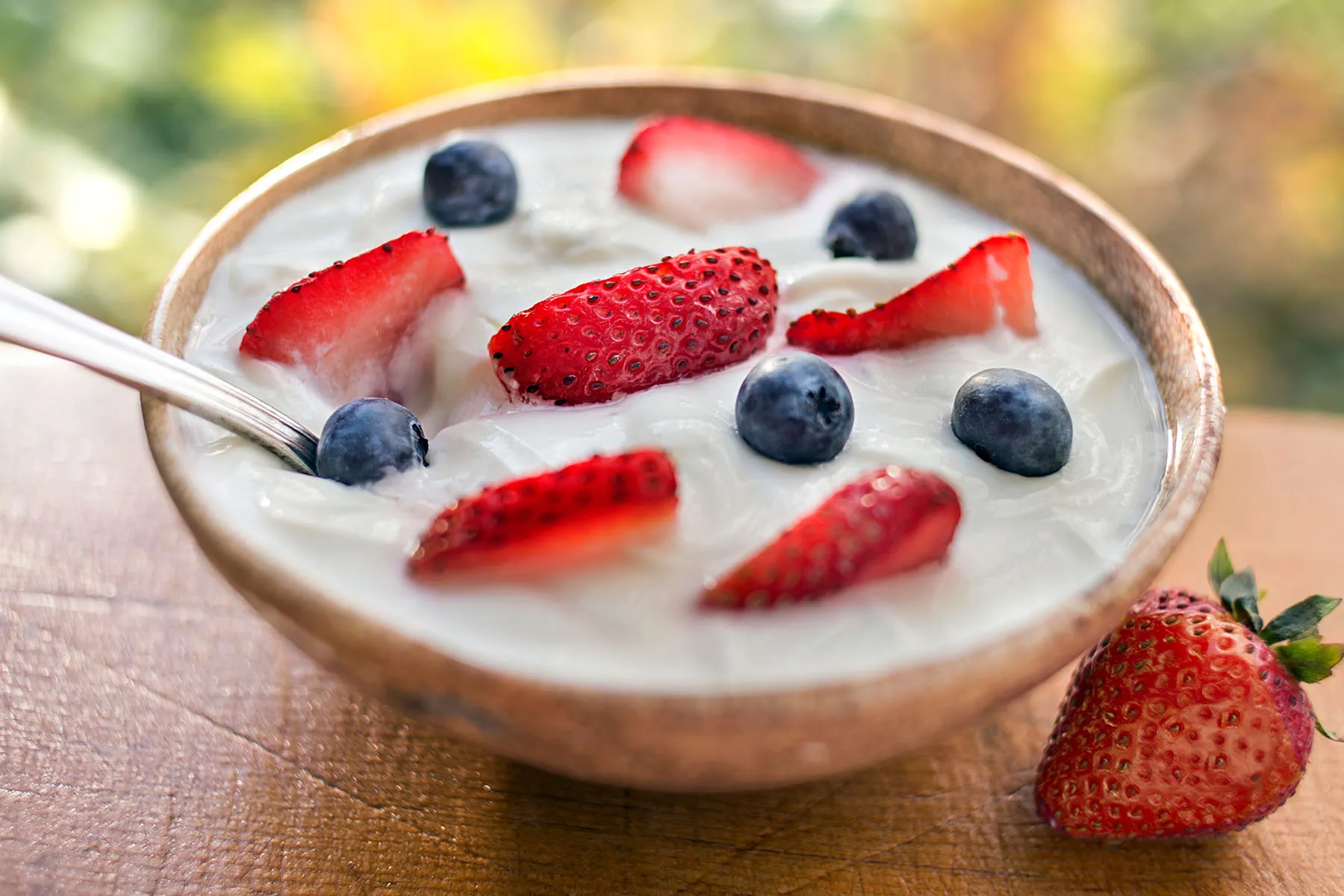
If you’re new to fermented foods, a good starting point is probiotic-rich yogurt. Look for options with live and active cultures. Pair it with fruit or honey for a delicious snack. - Add Kimchi or Sauerkraut to Meals:
Sauerkraut and kimchi are versatile, fermented vegetables that can be added to sandwiches, salads, or served as a side dish. These foods are packed with flavor and probiotics. - Sip on Kombucha:
If you enjoy tea, kombucha is an excellent fermented drink that’s both refreshing and beneficial for gut health. You can easily find it at most grocery stores in a variety of flavors. - Incorporate Miso Soup:
Miso is a fermented paste made from soybeans and is commonly used in soups and stews. It adds depth to your meals and offers probiotic benefits. - Snack on Pickles:
Pickles, especially those that are naturally fermented (not vinegar-based), can be a great on-the-go snack. They’re tangy, crunchy, and filled with beneficial bacteria. - Try Fermented Soy Products:
If you’re looking to add more plant-based options to your diet, fermented soy products like tempeh and natto are great sources of probiotics and protein.
Conclusion
The relationship between fermented foods and mental health is a fascinating area of research that holds promise for improving mood, cognitive function, and overall well-being. By supporting gut health and influencing the gut-brain axis, fermented foods may help alleviate symptoms of anxiety, depression, and stress, offering a natural approach to mental health care.
While more research is needed to fully understand the extent of these benefits, the existing evidence is compelling. So, why not give fermented foods a try? Incorporating them into your diet could be a simple yet powerful way to support your mental health and improve your quality of life.