










The preference for steak cooked to different levels of doneness is as varied as the people who order it. From the well-done fanatics to the rare enthusiasts, everyone has a personal stake in how their meat is prepared. But among all these preferences, there’s one that stands out for its boldness and audacity: blue rare. Some people prefer their steak cooked to the absolute bare minimum, where the outside is seared and the inside remains essentially raw, at room temperature. This extreme level of doneness, while seemingly counterintuitive to many, has a devoted following. But what is it about blue rare steak that makes it so appealing to certain individuals? Why do some people prefer this almost uncooked form of steak? Let’s dive deep into the world of blue rare steaks and uncover the science, psychology, and culture behind this unique preference.
The Basics of Blue Rare Steak
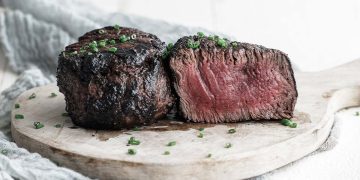
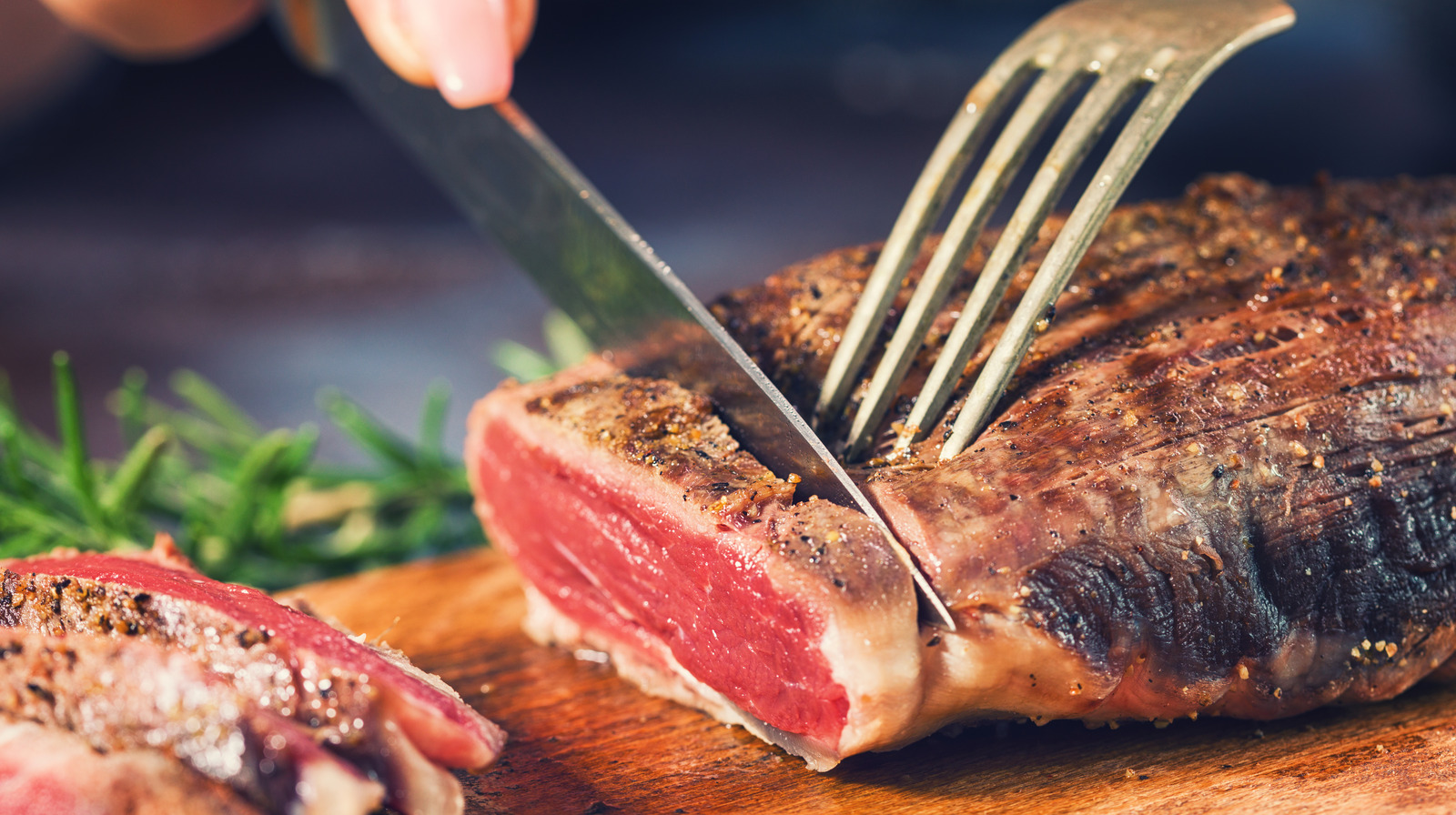
Before we get into why some people prefer blue rare steak, let’s first define what it actually is. A blue rare steak, also known as “very rare,” is a piece of beef that is briefly seared on the outside, leaving the inside essentially raw and cool to the touch. This steak is typically cooked for only a minute or two per side at a high temperature to achieve a charred exterior while leaving the interior almost untouched.
To clarify, blue rare is not the same as rare or medium-rare. A rare steak is typically cooked to an internal temperature of 120°F–130°F (49°C–54°C), while a blue rare steak is closer to 110°F (43°C) or even lower, which makes it quite rare in both its preparation and appeal.
The result? A steak that’s crusty on the outside, tender and cool on the inside, with a strong, unadulterated beef flavor. The meat is still raw, except for the exterior that has been briefly seared at high heat.
The Sensory Appeal: Texture and Flavor
The most obvious reason why some people gravitate toward blue rare steaks is the texture and flavor. For steak lovers, the texture of the meat is just as important as the taste. Blue rare steak offers a completely different sensory experience compared to more cooked steaks, and this is part of its allure.
1. Texture: Tenderness to the Max
When steak is cooked very briefly, it retains a soft, almost buttery texture that is unmatched by other levels of doneness. The muscle fibers have hardly been altered by heat, and the protein hasn’t contracted enough to cause the meat to firm up. This creates a steak that is exceptionally tender, and the raw interior contrasts with the slight crispness of the exterior.
For those who enjoy a steak with maximum tenderness, blue rare is the ultimate choice. The steak is juicy, melt-in-your-mouth soft, and some argue it’s the only way to experience beef in its purest form.
2. Flavor: The Ultimate Beefy Experience
The flavor of a blue rare steak is also quite different. Because the meat has been subjected to minimal heat, it retains much of its natural beefy flavor. The Maillard reaction, which typically occurs during the cooking process and contributes to the steak’s depth of flavor, is only partially activated. As a result, the interior remains fresh, almost sweet, and the raw beef taste is more pronounced.
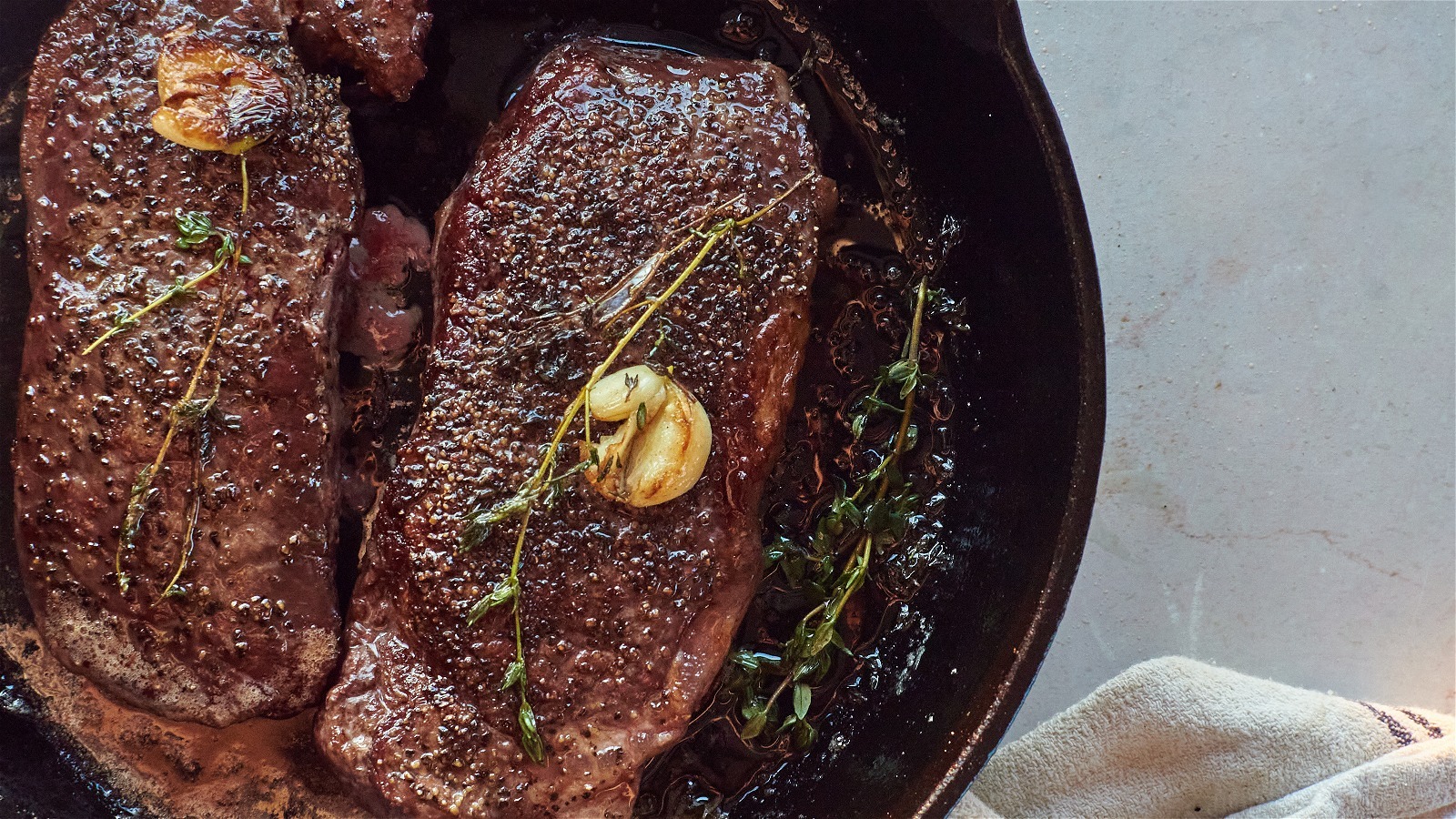
People who enjoy blue rare steak often describe the flavor as pure, clean, and unadulterated. For them, it’s about experiencing the natural essence of the beef itself, without the interference of extensive cooking processes.
The Science Behind Blue Rare Steak
To fully appreciate the appeal of a blue rare steak, it’s helpful to understand the science of cooking meat. When beef is exposed to heat, its proteins, primarily collagen and myosin, begin to break down, which causes the meat to shrink, change color, and become firmer. The degree to which these proteins break down determines the steak’s texture and flavor.
At blue rare temperatures, the meat has barely been affected by heat, and the breakdown of proteins is minimal. The muscle fibers are still intact, contributing to the steak’s tenderness and preserving the original flavors of the meat. Additionally, the fat hasn’t had time to render, so the steak retains much of its natural juiciness.
As the steak is cooked at higher temperatures, more of the fat melts and the muscle fibers contract, creating a firmer texture and a more pronounced, slightly caramelized flavor. The longer the cooking time, the more the natural juices are drawn out of the meat, leading to a drier steak. In contrast, blue rare steak is packed with moisture and freshness, giving it a rich, natural flavor that is often described as delicate and sweet.
Psychological Factors: Why Some People Love Blue Rare
Beyond the sensory experience, there are psychological and cultural reasons why some people gravitate toward blue rare steaks. These reasons can range from the pursuit of exclusivity to the desire for authenticity and a connection to culinary traditions.
1. The Allure of the Extreme
For some people, the appeal of a blue rare steak lies in its extremity. Blue rare is not the standard way to cook beef, and it represents a bold culinary choice. Those who order it may feel like they are part of a select group that has a refined taste or a particular appreciation for the nuances of beef. Eating blue rare is a statement, and for some, it represents a willingness to embrace the raw, primal essence of food.
This desire to experience something different and unique is often linked to personality traits like open-mindedness and a preference for novelty. People who enjoy blue rare steaks may be more inclined to take risks in other areas of life as well, embracing experiences that others might consider too extreme or unconventional.
2. A Preference for Naturalness and Purity
For many blue rare enthusiasts, there is also a philosophical element to the preference. The idea of eating beef in its most unaltered state speaks to a desire for authenticity and purity. In a world where food is often processed, mass-produced, and overly seasoned, blue rare steak offers an unspoiled, back-to-basics experience.
The rawness of the steak allows the consumer to connect directly with the source of the food, appreciating the simplicity and purity of the animal’s flesh. It’s a return to a time before industrialization and mass meat production, where people ate food in its most natural form. This connection to a more primal way of eating is powerful for some.
3. Cultural and Social Influences
In some cultures, steak is seen as a luxurious, high-end dish, and the way it’s cooked can carry a great deal of social significance. Opting for blue rare steak can be a way to signal sophistication or a certain level of culinary knowledge. In these contexts, ordering a steak blue rare can be an expression of a refined palate, one that’s capable of appreciating subtle flavors and textures that others might miss.
Additionally, there are certain culinary circles where blue rare steak is considered the epitome of steak preparation. In these environments, the preference for blue rare may be influenced by peer groups or culinary trends, with the act of eating such a steak aligning the individual with a particular social identity.
Potential Health Concerns
While many people love their steak blue rare, it’s important to note that there are potential health risks associated with consuming undercooked meat, especially beef. Cooking meat to higher temperatures helps kill harmful bacteria and parasites that might be present, which is why the U.S. Department of Agriculture (USDA) recommends cooking ground beef to an internal temperature of 160°F (71°C) and steaks to at least 145°F (63°C) for safety reasons.
With blue rare steak, the internal temperature remains low, which means there is a slightly higher risk of foodborne illness. However, this risk is mitigated when the steak is sourced from high-quality, properly handled beef. Many blue rare aficionados prefer to only eat steaks from trusted sources, such as grass-fed or locally raised cattle, which are less likely to harbor harmful pathogens.
For the most part, the risk is relatively low for healthy individuals, but it’s still important to be aware of the potential dangers of consuming undercooked meat. It’s always a good idea to make sure the beef you’re eating is fresh and has been stored and handled correctly to minimize the risk.
Conclusion: A Matter of Personal Taste
At the end of the day, the preference for blue rare steak is a deeply personal one. Whether it’s the intense tenderness, the pure beef flavor, or the psychological appeal of eating something extreme, there’s no denying that blue rare steak has a special place in the hearts of its fans. For these individuals, blue rare is not just a way of cooking beef; it’s a celebration of flavor, texture, and authenticity in its most unadulterated form.
Though it may not be for everyone, blue rare steak represents a unique and audacious choice in the world of steak preparation, one that attracts a select group of people who are unafraid to challenge culinary norms and embrace the boldest possible flavor experience.