










Pastry is one of the most versatile and beloved elements of baking, gracing everything from buttery croissants to hearty pies. While there are various types of pastry—flaky, short, puffed, and more—one particular challenge that many bakers face is achieving the perfect balance. Pastry should be tender and crisp, but not so flaky that it falls apart. So, how do you make a perfect pastry without it being too flaky? Let’s dive into the technique, science, and tips for creating a pastry that achieves the right texture every time.
Understanding Pastry
Before we talk about how to avoid too much flakiness, let’s first understand what gives pastry its texture. Pastry dough is typically made with four basic ingredients: flour, fat, liquid, and salt. The fat, whether butter, shortening, or lard, plays a key role in determining the texture of the pastry.
The Role of Fat
The fat in pastry is what gives it its characteristic tenderness and crispiness. When the fat is incorporated into the dough, it forms small layers, which in turn results in flakiness. But too much fat can lead to overly flaky and crumbly pastry, while too little can make it tough and dry.
Butter, commonly used in most pastry recipes, adds both flavor and moisture. The more butter you use, the more flaky and tender the pastry will become. However, when making pastry for things like quiches or meat pies, you want a balance of flakiness without the dough breaking apart too easily. This is where the technique comes into play.
The Role of Flour
Flour gives the dough structure, but too much flour can make the pastry tough and dry, while too little can result in weak, unstable pastry that falls apart. The type of flour also plays an important role: pastry flour, with its lower gluten content, is ideal for a tender and delicate texture, while all-purpose flour can be used in most situations but may result in a slightly tougher pastry.
Why Too Flaky Pastry Is a Problem
A flaky pastry, like the one found in croissants or puff pastry, is often praised for its delicate texture and melt-in-your-mouth qualities. But when pastry is too flaky, it can fall apart too easily, making it hard to slice or hold together once baked. Additionally, it can result in a pastry that’s too greasy or crumbly in texture.
When making pastries for savory dishes or pies, you want the dough to hold up under the weight of fillings and maintain its structure throughout baking. An overly flaky dough can lead to a messy, unattractive final product that doesn’t hold together well.
Key Techniques for Making a Perfect Pastry
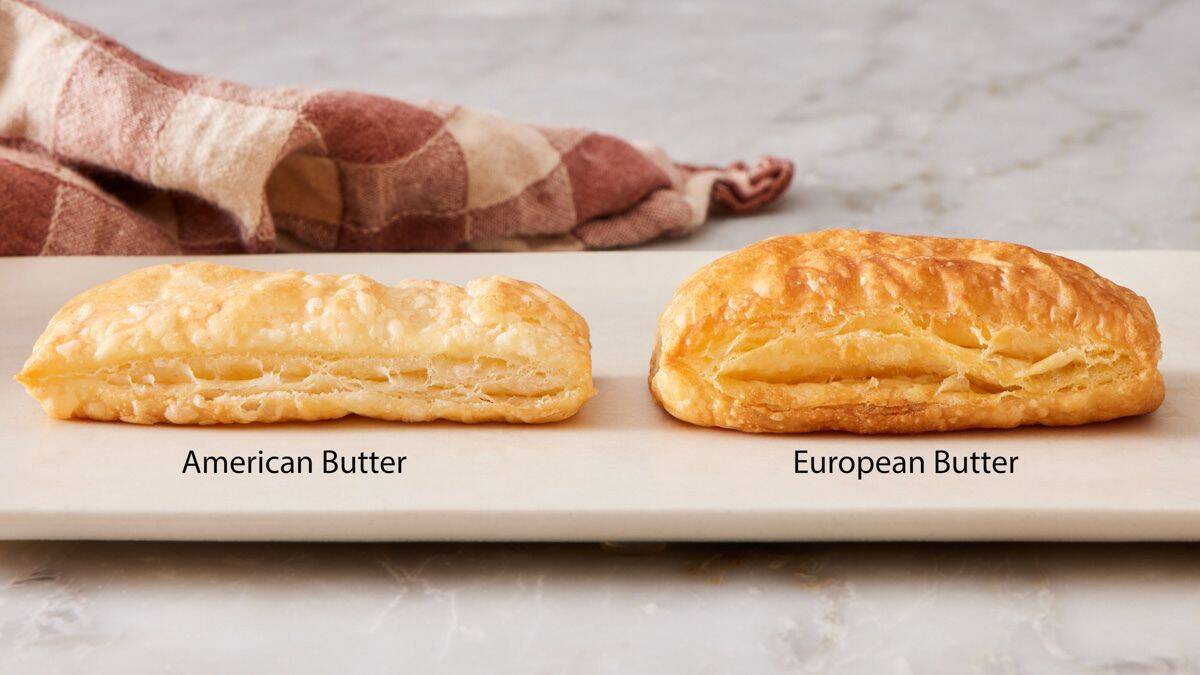
To make the perfect pastry without it becoming too flaky, there are several techniques you should consider. These include controlling the amount of fat used, how you handle the dough, the mixing method, and chilling the dough before baking. Let’s look at each technique in more detail.
1. Use Cold Fat and Liquid
The key to controlling flakiness is the temperature of the fat and the liquid. When making pastry, the fat should be cold—ideally straight from the fridge—and the liquid should be ice-cold. This ensures that the fat stays solid and doesn’t fully incorporate into the flour as you mix the dough. The cold fat will melt in the oven, leaving small pockets of air that create a light, crisp texture, but not so many that the pastry becomes overly flaky.
Cold fat also prevents the dough from becoming too greasy, which can make it hard to handle and result in a fragile texture.
2. Minimize the Handling of the Dough
Overworking the dough is one of the most common mistakes when making pastry. If you knead the dough too much, the gluten in the flour will develop and make the pastry tough. To prevent this, use your hands sparingly and try to handle the dough as little as possible. The goal is to bring the dough together just enough so it holds, without activating too much gluten.
When you mix the ingredients, use a gentle folding motion rather than kneading. It’s also important to avoid adding too much flour to your work surface while rolling the dough out, as this can create a dry texture and make the dough harder to work with.
3. Use a Pastry Blender or Food Processor
To keep the fat from fully incorporating into the flour, you can use a pastry blender or food processor. A pastry blender is a hand tool with several blades that allows you to cut the fat into the flour without overworking it. A food processor can be an even quicker option, but be careful not to over-blend the dough. Pulse the mixture just until the fat is cut into small, pea-sized pieces, which will create the right level of flakiness without it being too flaky.
4. Gradually Add the Liquid
The liquid in pastry dough binds the ingredients together, but adding too much or too quickly can lead to a tough texture. When you’re making pastry, it’s important to add the liquid slowly, a tablespoon at a time, and mix until the dough just comes together. This ensures that the dough isn’t too wet, which could make it sticky and difficult to roll out.
If you add too much liquid, the dough will become too soft and will result in a flakier, more fragile texture. To avoid this, always check your dough’s consistency before adding more liquid.
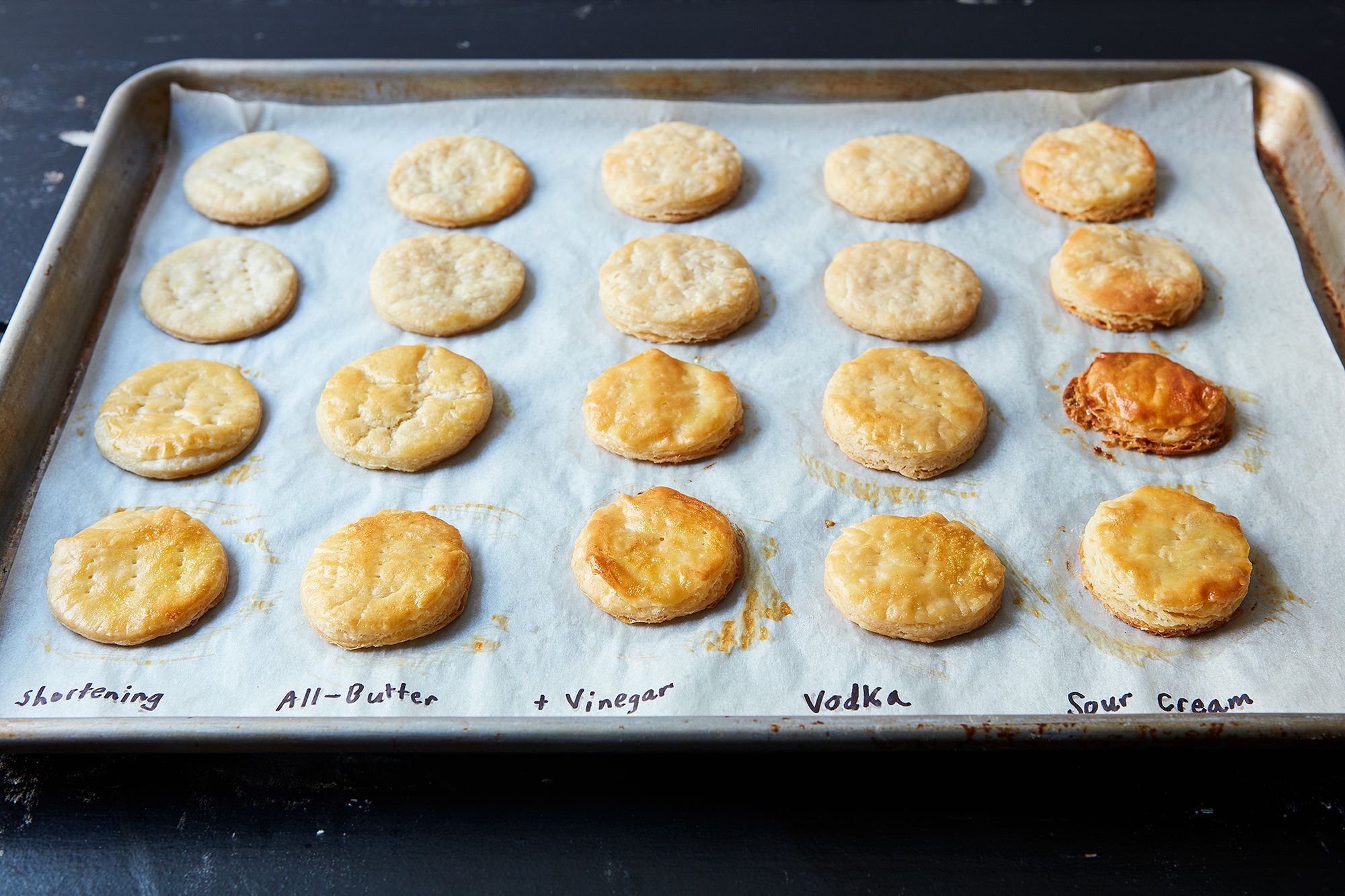
5. Rest and Chill the Dough
Once your dough is mixed, it’s important to give it time to rest and chill before you roll it out. This allows the gluten to relax and helps the dough hold its shape as it bakes. Chilling the dough also makes it easier to roll out without sticking or tearing.
You should chill the dough for at least 30 minutes, but if you have time, letting it rest for an hour or more will improve the texture even more. During this time, the fat in the dough will firm up, creating a structure that results in a tender, but not too flaky, pastry.
6. Roll the Dough Out Gently
When it’s time to roll out the dough, do so gently. Use a rolling pin to gently roll the dough from the center outwards. You want to roll it out evenly, making sure that the thickness is uniform. Aim for a thickness of about 1/8-inch for most pastries.
Avoid using excessive flour when rolling out the dough. A light dusting is all that’s necessary. Too much flour can dry out the dough, leading to a tougher pastry.
7. Blind Bake When Necessary
For pies and tarts with wet fillings, you may need to blind bake the crust (partially baking it before adding the filling). Blind baking ensures that the pastry cooks through without becoming soggy. If you’re concerned about flakiness, this step can also prevent your pastry from getting too flaky by giving it a stable structure before it’s filled.
To blind bake, line the unbaked crust with parchment paper and fill it with pie weights or dried beans. Bake at a lower temperature until the edges are golden and the center is firm.
Tips for Specific Pastries
While the basic principles of making pastry apply across the board, different types of pastries call for different approaches. Here’s a quick guide to the key differences for some common types:
- Puff Pastry: This is an inherently flaky pastry, designed for layers of crispiness. If you want to reduce the flakiness, make sure not to overwork it during the folding process, and keep the layers relatively thin.
- Shortcrust Pastry: For a less flaky, more firm texture (ideal for pies), use a higher ratio of fat to flour and avoid overworking the dough. This will create a tender, crumbly crust that holds its shape.
- Choux Pastry: This pastry, used for eclairs and cream puffs, is made by cooking the dough before baking. For a less “puffy” effect, ensure the batter is thicker and not too airy.
Conclusion
Creating a perfect pastry without it becoming too flaky is all about balance and technique. By using cold ingredients, handling the dough minimally, adding the right amount of liquid, and resting the dough properly, you can achieve a pastry that’s crisp, tender, and perfectly structured—without falling apart. The goal is not to eliminate flakiness altogether, but to control it, ensuring a dough that holds its shape but still provides that light, melt-in-your-mouth texture.
By understanding the role of each ingredient and following the right methods, you’ll be able to create pastries that are a delight to the senses, with just the right amount of flakiness.