








Fermented foods have been part of human diets for thousands of years, gracing tables in cultures across the world. From tangy kimchi in Korea to rich sauerkraut in Germany, fermentation is more than just a culinary tradition; it’s a powerful tool for promoting gut health. In this article, we’ll dive into how fermented foods work, their benefits for your digestive system, and the science behind their impact. Along the way, we’ll also explore some of the most popular fermented foods and how you can incorporate them into your diet to improve overall well-being.
What Are Fermented Foods?
Fermentation is a natural metabolic process that involves the breakdown of sugars by bacteria, yeasts, or fungi. In the case of foods, this process occurs under controlled conditions, often in the presence of salt, sugar, or acid, to encourage the growth of beneficial microorganisms. These microorganisms, known as probiotics, are responsible for the health benefits of fermented foods.
Fermented foods range from dairy products like yogurt and kefir to plant-based options like kimchi, miso, and kombucha. When you consume these foods, you’re ingesting live probiotics that can enhance your gut microbiota, the complex community of microorganisms living in your intestines.
How Fermented Foods Benefit Your Gut Health
1. Improved Digestion
Fermented foods are rich in enzymes and probiotics, which can help your digestive system break down and absorb nutrients more efficiently. Many fermented foods contain live bacteria that assist in the digestion of complex carbohydrates, proteins, and fats. This can be especially beneficial for people who suffer from digestive issues such as bloating, gas, or constipation.
The probiotics in fermented foods can also improve the overall function of your intestines by promoting a healthy balance of gut bacteria. A balanced microbiome supports optimal digestion, prevents harmful bacteria from taking hold, and encourages regular bowel movements.
2. Enhanced Immune System
About 70% of your immune system is housed in your gut, making gut health directly tied to your body’s ability to defend itself against harmful invaders. Fermented foods support the gut’s immune function by boosting the population of good bacteria and reinforcing the gut barrier.
Probiotics found in fermented foods have been shown to increase the production of immunoglobulins, which are antibodies that play a key role in identifying and neutralizing harmful pathogens. In addition, fermented foods may help regulate inflammatory responses in the gut, preventing chronic inflammation that could otherwise lead to autoimmune diseases or gastrointestinal disorders.
3. Gut Microbiota Balance
The gut microbiota, a diverse community of microorganisms, is crucial to your overall health. A balanced microbiome can improve digestion, reduce inflammation, and even influence your mental health. Fermented foods play a key role in maintaining this balance by introducing beneficial bacteria into the gut.
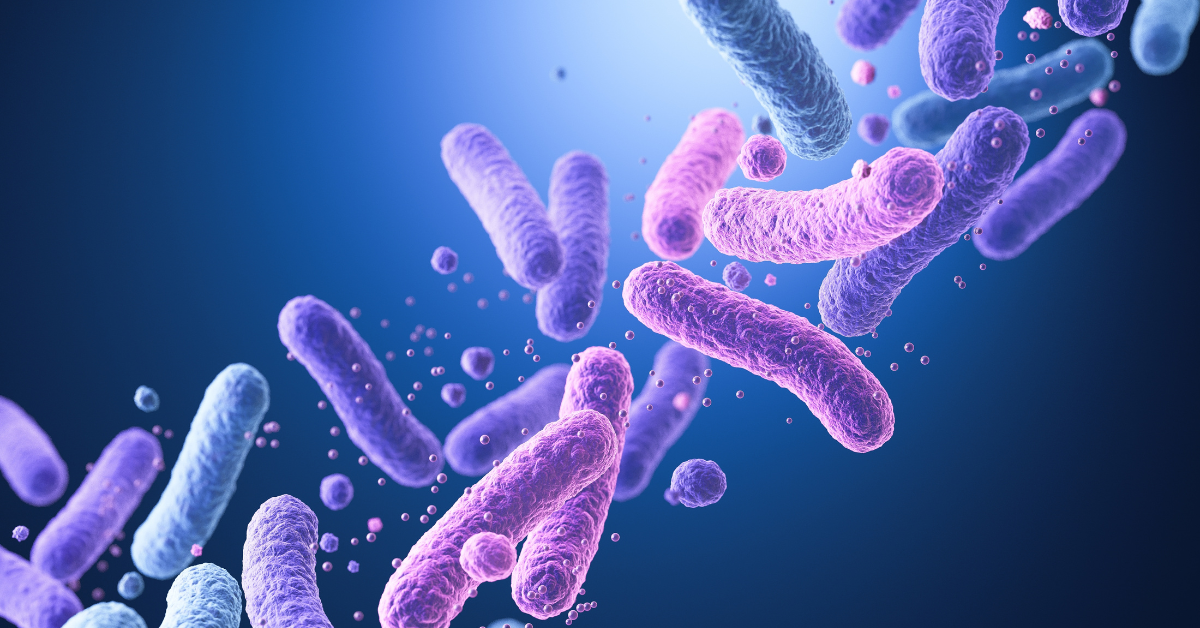
Fermented foods like yogurt, sauerkraut, and kimchi are packed with diverse strains of probiotics. These bacteria not only help keep harmful microorganisms in check but also support a more varied and resilient microbiome. This diversity in the microbiome is linked to better health outcomes, including improved digestion, reduced risk of chronic disease, and even better mood.
4. Support for Mental Health
It might sound surprising, but your gut health can impact your brain health. This connection, known as the “gut-brain axis,” refers to the communication between the gastrointestinal system and the central nervous system. Recent research suggests that the balance of bacteria in your gut can influence mood, stress levels, and even cognitive function.
Fermented foods have been shown to enhance the production of neurotransmitters like serotonin, which plays a key role in regulating mood. Since a large portion of serotonin is produced in the gut, maintaining a healthy gut microbiota can have a direct impact on emotional well-being. Probiotics in fermented foods can also reduce symptoms of anxiety and depression by improving gut health.
5. Gut Lining Integrity
A healthy gut lining is essential for absorbing nutrients, but it also acts as a barrier to harmful substances like toxins and pathogens. A weakened gut lining can lead to conditions like “leaky gut,” where unwanted substances leak into the bloodstream, causing inflammation and potential systemic health issues.
Fermented foods, especially those rich in fiber and prebiotics, help to nourish and maintain the gut lining. For example, the lactic acid bacteria in fermented dairy products have been found to promote the production of mucin, a key component of the mucus that protects the gut lining. By strengthening the gut barrier, fermented foods may help reduce the risk of inflammatory diseases and improve overall gut health.
6. Detoxification
Fermented foods can aid in the natural detoxification processes of your body. Many fermented foods, especially those made from vegetables, contain a variety of organic acids, antioxidants, and vitamins that help neutralize toxins and support the body’s ability to eliminate waste.
For example, kimchi is rich in antioxidants and bioactive compounds that help to eliminate free radicals and reduce oxidative stress in the body. Kombucha, on the other hand, contains polyphenols that have detoxifying properties and can support liver function. The presence of beneficial bacteria in fermented foods also supports the detoxification process by helping to regulate the gut microbiota and reducing harmful bacterial overgrowth.
Popular Fermented Foods for Gut Health
To get the most benefits from fermented foods, it’s essential to incorporate a variety of them into your diet. Here are some of the most popular options, each with its unique flavor and probiotic content:
1. Yogurt
Yogurt is one of the most commonly consumed fermented dairy products. It is made by fermenting milk with specific bacterial strains like Lactobacillus bulgaricus and Streptococcus thermophilus, which produce lactic acid and give yogurt its tangy flavor.
In addition to its probiotic content, yogurt is an excellent source of calcium, protein, and vitamins. Regular consumption of yogurt can improve digestion, boost immunity, and promote healthy bones.
2. Kimchi
Kimchi is a traditional Korean dish made from fermented vegetables, primarily napa cabbage, seasoned with chili peppers, garlic, ginger, and other spices. It’s not only a staple in Korean cuisine but also a powerhouse of probiotics, fiber, and antioxidants.
Kimchi has been linked to improved digestion, weight management, and heart health. It’s also known for its anti-inflammatory properties, which may help reduce the risk of chronic diseases like type 2 diabetes and cardiovascular disease.

3. Kefir
Kefir is a fermented milk drink similar to yogurt but contains a wider variety of beneficial bacteria and yeasts. It’s made by fermenting milk with kefir grains, which are a combination of bacteria and yeast.
Kefir is known for its potent probiotic content and can improve gut health, boost immunity, and even support the skin by reducing inflammation. For those who are lactose intolerant, kefir can often be better tolerated than regular milk or yogurt because the fermentation process breaks down much of the lactose.
4. Sauerkraut
Sauerkraut, a form of fermented cabbage, has long been a favorite in German cuisine. It’s made by fermenting cabbage with lactic acid bacteria, which not only gives it a distinctive sour taste but also makes it rich in probiotics and fiber.
The probiotics in sauerkraut help to balance gut bacteria, while the fiber promotes healthy digestion. Sauerkraut is also a great source of vitamin C, which supports immune function.
5. Miso
Miso is a Japanese condiment made by fermenting soybeans with salt and a fungus called Aspergillus oryzae. The result is a thick, savory paste that is commonly used in soups, marinades, and sauces.
Miso is rich in probiotics, particularly Lactobacillus species, which can enhance gut health. It’s also high in essential amino acids, B vitamins, and minerals like manganese and zinc, making it a valuable addition to any diet.
6. Kombucha
Kombucha is a fermented tea beverage made by fermenting sweetened tea with a symbiotic culture of bacteria and yeast (SCOBY). This drink is known for its effervescence and slightly tangy taste, as well as its probiotic content.
Kombucha has been shown to support gut health by promoting a diverse microbiome and reducing gut inflammation. It also contains antioxidants that help neutralize free radicals and detoxify the body.
How to Incorporate Fermented Foods into Your Diet
Adding fermented foods to your daily meals doesn’t have to be complicated. Here are some simple ways to include these gut-friendly foods in your diet:
- Start with small servings: If you’re new to fermented foods, start with small amounts to let your gut adjust to the new bacteria. Gradually increase your intake over time.
- Add to meals: Incorporate fermented vegetables like kimchi or sauerkraut into salads, sandwiches, or wraps. You can also use yogurt or kefir as a base for smoothies or parfaits.
- Snack on fermented foods: Enjoy a small bowl of yogurt, kefir, or kombucha as a snack between meals.
- Cook with miso: Add miso paste to soups, dressings, or marinades to enhance flavor and boost probiotics.
- Drink kombucha: Sip on kombucha as a refreshing, health-boosting beverage throughout the day.
Conclusion
Fermented foods are much more than just tasty additions to your meals—they are powerful allies in promoting gut health, boosting immunity, and supporting overall wellness. By incorporating a variety of fermented foods into your diet, you can help maintain a balanced gut microbiota, improve digestion, and even enhance mental health. Whether you enjoy a tangy serving of kimchi, a smooth bowl of yogurt, or a refreshing glass of kombucha, the benefits of these probiotic-rich foods are undeniable. Start small, experiment with different options, and enjoy the many ways these ancient foods can contribute to a healthier you.