








Introduction: Beyond the Brochure Barcelona
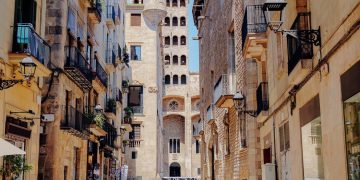
Barcelona is many cities at once. To the hurried visitor, it’s a collage of Gaudí curves, Gothic shadows, sandy beaches, and selfies near La Sagrada Família. But underneath the tourist sheen lies an entirely different Barcelona—one that is lived rather than observed. A Barcelona of narrow backstreets where laundry lines sway between balconies, where the day starts with the clang of shutters, where neighbors know each other’s dogs by name, and where life moves not on itineraries but on instinct.
So the real question isn’t whether you can live like a local in Barcelona’s hidden corners.
The better question is: Are you ready to?
This article is a deep dive into the subtle rituals, rhythms, unwritten rules, and micro-neighborhoods that define the Barcelona experience from within. A long exploration—rich, grounded, and slightly mischievous—that strips away the tourist glaze and shows you how Barcelonians actually inhabit their city. Think of it as a handbook for sliding quietly and respectfully into the undercurrent of local life without disturbing the waters.
Let’s step inside.
1. Understanding the Soul of Barcelona: A Living Mosaic
Local life in Barcelona is neither monolithic nor predictable. It’s as layered as the city’s history—Romans, Visigoths, Franks, medieval guilds, Catalan merchants, modernists, revolutionaries, and finally, the cosmopolitan waves of the 20th and 21st centuries.
This diversity doesn’t create chaos; it creates nuance.
To live like a local, you need to understand Barcelona as:
A City of Neighborhoods (Barrios)
Barcelona isn’t “one” place; it’s a tightly woven grid of micro-ecosystems. Each barrio has its own personality—some soft-spoken, some wild, some artisanal, some fiercely traditional.
A City of Rituals
Barcelonians live life in loops: morning coffees, market visits, evening vermouth, weekend seaside strolls, political discussions in bars, long dinners, and even longer goodbyes.
A City of Quiet Pride
There’s cultural pride here, but it’s not loud. It’s in the language, the festivals, the food, and the way every neighborhood protects its own identity.
If you understand these foundational elements, everything else will fall into place.
2. Finding Barcelona’s Hidden Corners: The Real Neighborhood Guide
To live like a local, you need to know where to be a local. Here are Barcelona’s authentic pockets—places where the daily life of the city thrives beyond the postcard image.
El Poblenou: Where the Old Meets the Innovative
Once an industrial quarter, Poblenou reinvented itself without losing its soul. Old factories sit beside cutting-edge design studios. Smoky family-run bodegas share the street with tech startups. It’s equal parts charming and forward-thinking.
What Life Feels Like Here
- Quiet mornings, wide streets, and a slower rhythm
- Workers biking to offices converted from old textile warehouses
- Families gathering at sunny squares with playgrounds and cafés
- A beach that locals actually use, especially early in the day
Poblenou is ideal if you want a neighborhood that feels lived-in, creative, and deeply connected to its past.
Gràcia: The Village in the City
Gràcia is perhaps the most beloved “local life” barrio. It feels like a small Catalan town accidentally swallowed by Barcelona—but still insisting on its independence.
What Life Feels Like Here
- Narrow streets arranged like a labyrinth
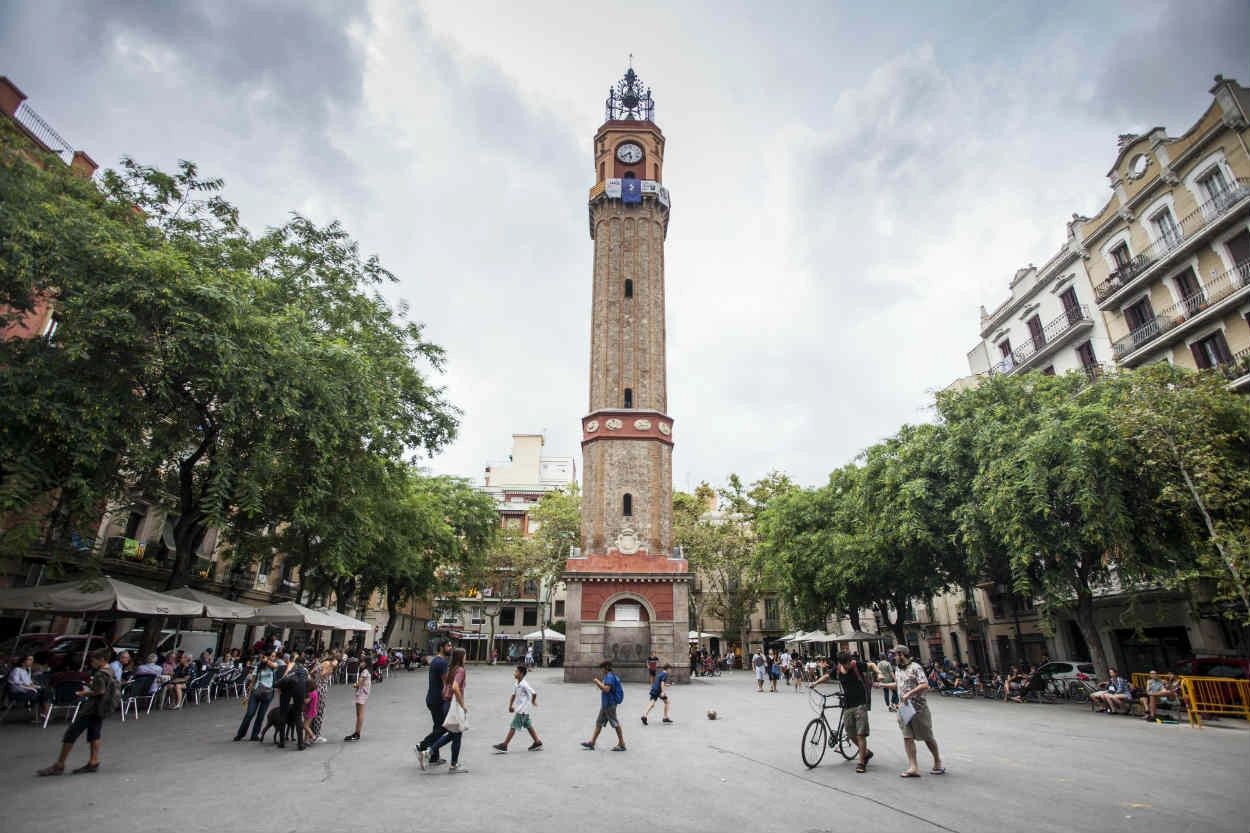
- Small plazas with children chasing pigeons and older men reading newspapers
- Independent shops and bakeries where the owners know everyone’s routine
- Impromptu music, political posters, artisanal boutiques
Gràcia is social, artistic, and community-driven. If you want to live amid creativity but with a traditional backbone, this is your place.
Sant Andreu: Barcelona’s Most Underrated Local Gem
Sant Andreu is where the soul of old Barcelona still beats steadily. It’s far from the tourist orbit—which is exactly why it’s perfect for local immersion.
What Life Feels Like Here
- Elderly neighbors chatting from balcony to balcony
- Families strolling through pedestrian streets
- Local festivals that feel entirely untouched by tourism
- Markets with produce so fresh it seems to come straight from the farm
Sant Andreu is tranquil, familial, and deeply Catalan in character.
Sants: The Worker’s Heartland
This neighborhood offers a gritty-but-warm authenticity. Built on a working-class heritage, Sants is proud, practical, and slightly rebellious.
What Life Feels Like Here
- Day-to-day life centered around Carrer de Sants, one of the longest shopping streets in Europe
- Neighborhood cafés where everyone knows each other
- Local festivals with street-long decorations
- A no-nonsense, down-to-earth vibe
This is the place to live if you want a straightforward, community-focused lifestyle.
El Clot & Camp de l’Arpa: Traditional Without Trying
These twin districts are everyday Barcelona at its purest. People shop in markets, greet neighbors by name, and observe routines that haven’t changed in decades.
What Life Feels Like Here
- Local shops instead of chains
- Elderly residents pushing small carts to buy groceries
- Affordable eateries serving hearty Catalan dishes
- An unpretentious, honest energy
These areas are ideal if you want to be invisible—in the best way.
La Barceloneta (Before 10 a.m.)
After mid-morning, Barceloneta is tourist-heavy. But before 10 a.m., it belongs entirely to locals.
What Life Feels Like Here (Early Hours Only)
- Fishermen cleaning nets at sunrise
- Elderly women sweeping their doorsteps
- Local surfers stretching near Sant Sebastià Beach
- Coffee shops opening with the smell of freshly baked ensaïmadas
If you want to feel what Barceloneta used to be decades ago, come early. Live early.
3. How to Blend In: The Unwritten Rules of Local Life
Living like a local means respecting local codes. These aren’t laws; they’re cultural signals.
Here’s how to navigate them with grace.
Speak a Little Catalan (Not Just Spanish)
Even learning basic phrases will open doors.
- Bon dia (Good morning)
- Sisplau (Please)
- Adéu (Goodbye)
- Gràcies (Thank you)
You don’t need to be fluent. You just need to show respect.
Adopt the Local Rhythm
Barcelona runs on its own time signature.
Mornings:
Calm, slow, essential. Coffee first. Talk later.
Afternoons:
A mix of work and long lunches. Some shops close, not as many as before, but the cultural imprint remains.
Evenings:
The city glows. This is when locals reclaim the streets.
Nights:
Late dinners (9 p.m. is normal), late conversations, and sometimes vermouth that lasts hours.
To live like a local, you must give up the tourist rush.
Respect the Neighbors (This One Is Sacred)
Barcelona residents are extremely protective of their peace. Noise is taken seriously—not out of snobbery, but necessity.
If you live here:
- Do not shout in stairwells.
- Do not let doors slam.
- Do not hold loud balcony conversations after midnight.
- Do not host loud gatherings without warning neighbors.
A quiet presence is the highest form of integration.
Know That Restaurants Are Not the Center of Life
Locals don’t eat all their meals outside. They cook. They shop at markets. They treat eating out as a pleasure, not a default. If you want to live like a local:
- Buy produce at the market
- Learn a simple Catalan recipe
- Enjoy occasional meals out, not daily indulgence
Barcelona is lived in kitchens as much as in restaurants.
Avoid Standing in the Middle of the Sidewalk
You’ll irritate everyone. Instantly.
Barcelona sidewalks are narrow; movement is continuous. Step aside before checking your phone or map.
This single adjustment will transform how locals perceive you.
4. Mastering the Local Food Rituals
Living like a local means eating like one—not extravagantly, but meaningfully. Barcelona’s food culture is grounded in simple ingredients prepared well.
Where Locals Actually Shop
Markets
- Mercat de Sant Antoni
- Mercat del Ninot
- Mercat de la Llibertat
- Mercat de Sant Andreu
These are not tourist attractions; they’re essential pillars of daily life.
Small Shops
- Forn (bakery) for bread
- Carnisseria (butcher)
- Peixateria (fishmonger)
- Colmado (traditional grocery store)
Buying from specialists is a deeply rooted tradition.
What Locals Actually Eat
Catalan cuisine is grounded in land and sea.
Staple Dishes
- Pa amb tomàquet: Bread, tomato, olive oil, salt. Humble perfection.
- Escalivada: Roasted vegetables with smoky depth.
- Botifarra amb mongetes: Sausage with white beans—comfort on a plate.
- Esqueixada: Salted cod salad, fresh and bright.
Sweet Essentials
- Mel i mató (honey & fresh cheese)
- Crema Catalana (the older cousin of crème brûlée)
Drinks Locals Love
- Vermut (vermouth) on Sundays
- Local cava
- Dark coffee served strong and unpretentious
If you adopt these habits, you will blend into the culinary rhythm of the city effortlessly.
5. Social Life, Local Style
Barcelona’s social life is public. People gather outside—in plazas, on benches, at the beach, along promenades.
To live like a local:
Spend Time in Plazas
They are the social lungs of every neighborhood. Whether children are playing or old men are debating politics, plazas are where you’ll feel the city breathing.
Join the Weekend Rituals
- Saturday market shopping
- Sunday morning vermouth
- Afternoon walks along the sea
- Evening gatherings in parks
Understand That Social Circles Are Slow to Build
Barcelona is friendly but reserved. Locals don’t bond instantly. Respecting boundaries and showing consistency is key.
6. Local Transportation: How People Actually Move
Tourists rely on metros. Locals use a blend of mobility styles.
Metro
Efficient, safe, and fast—but often avoided for short distances.

Walking
Barcelona is a walking city. It’s the best way to observe the micro-details of local life.
Biking
With growing bike lanes, cycling is essential—especially in Poblenou and along the seafront.
Scooters (Motorbikes)
One of the most common forms of transport for residents.
Buses
Used more than you’d think, especially by elderly locals or those traveling across neighborhoods without metro coverage.
To live like a local, mix and match.
7. The Art of Enjoying the City Without Consuming It
Locals don’t need constant entertainment. They enjoy the city’s inherent beauty without rushing to “do things.”
Here’s how.
Learn to Sit Still
Barcelona rewards those who slow down:
- watching sunlight hit a tiled façade
- listening to church bells echo in alleys
- observing neighborhood cats lounging in doorways
Enjoy Beaches the Local Way
Avoid:
- Nova Icària at midday
- Weekend afternoons
- Bringing massive bags and setting camp like it’s a resort
Instead:
- Go early or late
- Bring only essentials
- Leave no trace
Locals treat the beach as an everyday extension of the city, not a vacation set.
Celebrate Local Traditions Respectfully
Barcelona hosts dozens of festivals:
- Festa Major de Gràcia
- La Mercè
- Sant Jordi
- Festa de Sant Andreu
Participate quietly. Observe. Celebrate without overwhelming.
8. Micro-Moments That Make You Truly Local
If you want to know whether you’re “living like a local,” check if these things start happening naturally:
- You buy bread from the same bakery every day, and the baker starts greeting you by name.
- You know which plaza has the best pigeons for people-watching.
- You have a favorite vermut bar and order without hesitation.
- You instinctively switch to the right side of the sidewalk.
- You no longer flinch when someone calls you carinyo or nen.
- You start craving pa amb tomàquet at strange times of day.
- You stop relying on Google Maps and start using instinct.
These are signs that Barcelona has quietly accepted you.
9. What Locals Wish Visitors Knew
Living like a local requires being considerate of the community. Here’s what residents would tell you if they could say it gently:
Barcelona is not an amusement park.
It’s home to 1.6 million people with daily routines.
Respect personal space.
Locals are friendly, but not overly enthusiastic about strangers taking photos of residential streets.
Support small businesses.
Tourism is powerful, but small local shops are the backbone of every barrio.
Nightlife is not the heart of local culture.
Even in nightlife districts, respect is key.
Learn the difference between being a visitor and being part of the neighborhood.
It’s mostly about humility.
10. How to Actually Settle Into Local Life: A Step-by-Step Blueprint
Living like a local isn’t about pretending; it’s about integrating mindfully.
Here’s the blueprint:
Step 1: Choose a Non-Touristy Home Base
Pick a barrio with personality and community. Gràcia, Poblenou, Sant Andreu, and Sants lead the list.
Step 2: Establish Your Routine (This Is Everything)
- Morning coffee at the same bar
- Market run twice a week
- Evening stroll in your local plaza
Routine = belonging.
Step 3: Build Micro-Connections
You don’t need epic friendships. Start with:
- the baker
- the produce seller
- your neighbor
- the barista
Small interactions form the backbone of local identity.
Step 4: Participate in Community Life
Go to local festivals, small concerts, neighborhood meetings, craft fairs.
Step 5: Reduce Tourist Behaviors
No oversized backpacks. No loud conversations. No blocking streets. No rush.
Step 6: Adopt Sustainability Practices
Barcelona is deeply eco-conscious.
Recycling, reducing waste, and supporting local food are essential.
Step 7: Embrace Language Gradually
Start with Catalan phrases. Let it grow naturally.
Conclusion: Can You Live Like a Local in Barcelona’s Hidden Corners?
Yes—absolutely.
But only if you’re willing to let go of the surface-level, postcard version of Barcelona.
Living like a local here means:
- valuing community over consumption,
- adopting rhythms over rushing,
- listening more than speaking,
- celebrating small rituals,
- respecting the city’s cultural heartbeat.
Barcelona is not a stage; it’s a living organism. And if you approach it with humility, curiosity, and a willingness to adapt, the city will reveal its most beautiful corners—not the obvious ones, but the subtle ones. The ones with laundry lines, shared smiles, morning bells, café routines, and quiet dignity.
You don’t simply visit this Barcelona.
You melt into it.