









Lisbon is not simply a city you visit. It is a city you enter, like a novel already halfway through its story—where the margins are filled with cryptic notes, half-erased memories, and charming contradictions. The streets of Lisbon are not streets in the conventional sense; they are layers, stacked like geological epochs of culture, ambition, catastrophe, survival, and reinvention. They twist. They echo. They remember. They conspire.
To walk through Lisbon is to walk through a city that knows it is beautiful—and knows you know it too—but it refuses to give away its deepest truths at first glance. Its secrets exist in the micro-textures of everyday life: in the rhythmic pattern of tiles under your feet, in the subtle language of laundry hanging from iron balconies, in conversations whispered in shadowy taverns, in the ghostly outline of vanished buildings, and in the perpetual tug-of-war between sea air and stone walls.
Let’s peel back the layers.
1. The Secret Code Beneath Your Feet: Calçada Portuguesa
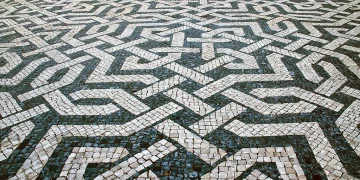
The black-and-white cobblestone mosaics—calçada portuguesa—look decorative, charming, and Instagram-friendly. But they began as a code, a way of embedding identity into the very skin of the city.
Some patterns mimic waves.
Some hide symbols of Portuguese guilds.
Some replicate royal emblems long erased from palaces.
Others whisper folklore.
Walk the streets long enough and you begin to notice that the stones are not random. They are a language of geometry, a quiet act of resistance and self-expression. In some plazas, the patterns warp and swell like visual illusions. In older districts, they trace the path of history; in newer ones, they preserve a craft on the brink of disappearing.
The secret? Every artisan who lays the stones leaves a signature—sometimes literally, sometimes figuratively. A specific flourish, a deviation in pattern, a mischievous motif placed where only the observant will see it.
Lisbon’s sidewalks are not passive infrastructure.
They are maps of human hands.
2. Whispers from the Earthquake That Reinvented a City
Lisbon once died and rebuilt itself in plain sight.
In 1755, the Great Earthquake reduced the city to rubble. But the real secret is not the disaster; it is what rose after. The Marquis of Pombal orchestrated one of the earliest examples of modern urban planning, constructing a grid system, anti-seismic structures, and a philosophy of resilience disguised as architecture.
If you stroll Baixa today, pay attention:
- Buildings share a modular structure like prefabricated soldiers.
- Streets align unexpectedly, a quiet sign of imposed rationality.
- Basements hide wooden frameworks engineered to sway with movement.
- Some facades are illusions—decorative stonework masking mathematical precision.
Lisbon learned to survive by embedding its trauma deep in its bones. What appears classical or charming is actually a response to catastrophe, frozen into the urban fabric.
This is the silent secret Lisbon carries without dramatics: beauty born from disaster, elegance born from engineering, calm born from calculation.
3. The Hidden Elevators and Vertical Geography
Lisbon is a vertical city pretending to be horizontal. Behind many hilly alleyways lie a system of secret shortcuts and hidden infrastructures:
- old stone staircases disappearing behind buildings
- public elevators tucked into shopping arcades
- funicular lines disguised as quaint relics
- internal passages connecting streets on different levels
One of the city’s greatest secrets is that Lisbon was designed to be negotiated through ingenuity, not brute effort. Locals know which staircase cuts a 20-minute uphill walk to four minutes. They know where the elevators are, where the shortcuts hide, where the slope softens.
Street-level Lisbon is merely one layer. The true city exists in vertical slices—a topography of convenience, tradition, and architectural improvisation.
4. Fado: The Sound That Leaks from Stone
You can’t really separate Lisbon from fado, but the secret is that fado is not simply music—it is an emotional architecture. It clings to walls, follows alleys, and shapes the atmosphere of entire districts.
In Alfama, Mouraria, and scattered taverns across the city, fado emerges around corners like a scent. A guitar chord here, a distant voice there. Songs of longing—saudade—float through cracked windows and evaporate before you pinpoint their source.
The trick is that fado is never performed at you.
It is performed around you.
Even when you find a musician, what you really hear is the street resonating—stone amplifying lament, iron balconies spreading the melody like a soft vibration.
The secret is that Lisbon’s streets are tuned instruments.
They were built to echo.
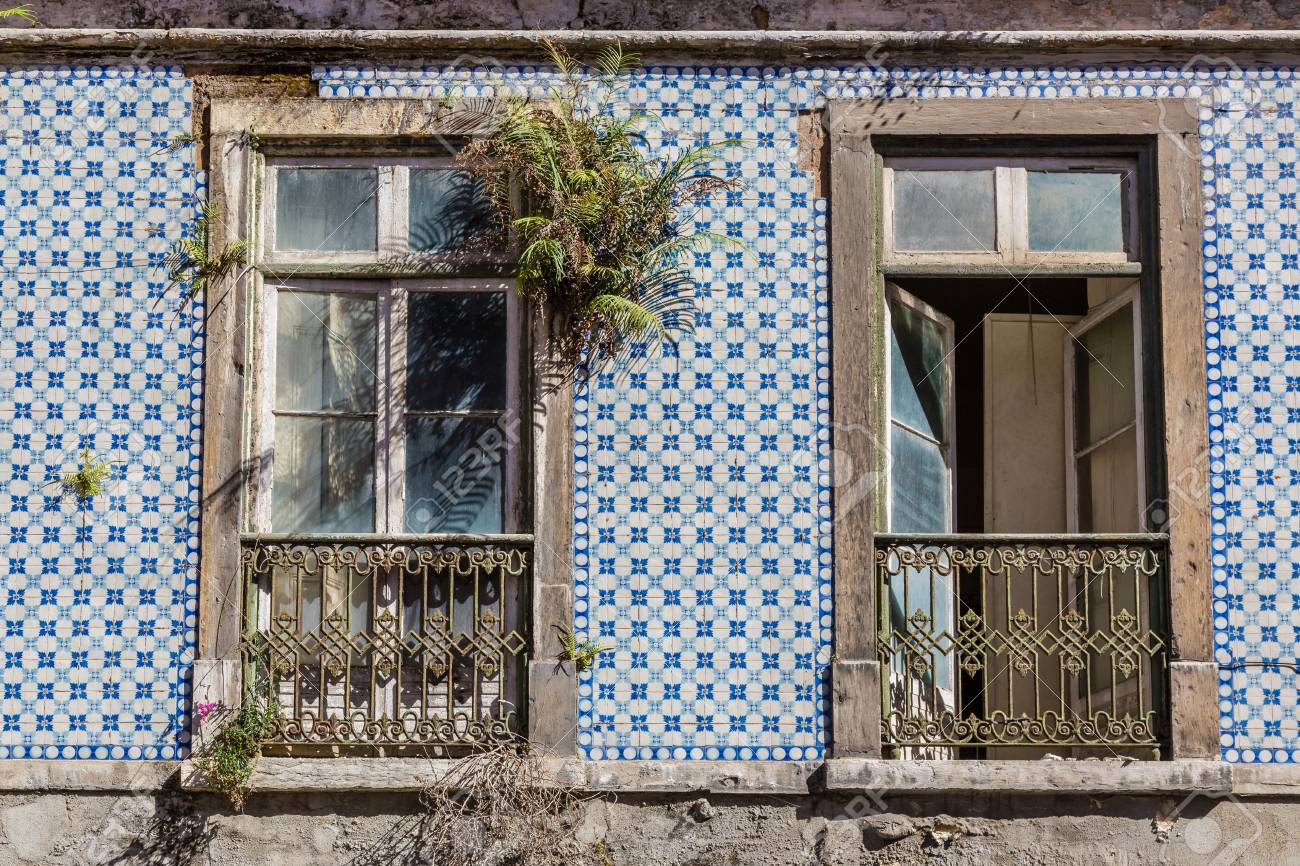
5. Tiles That Remember More Than They Show
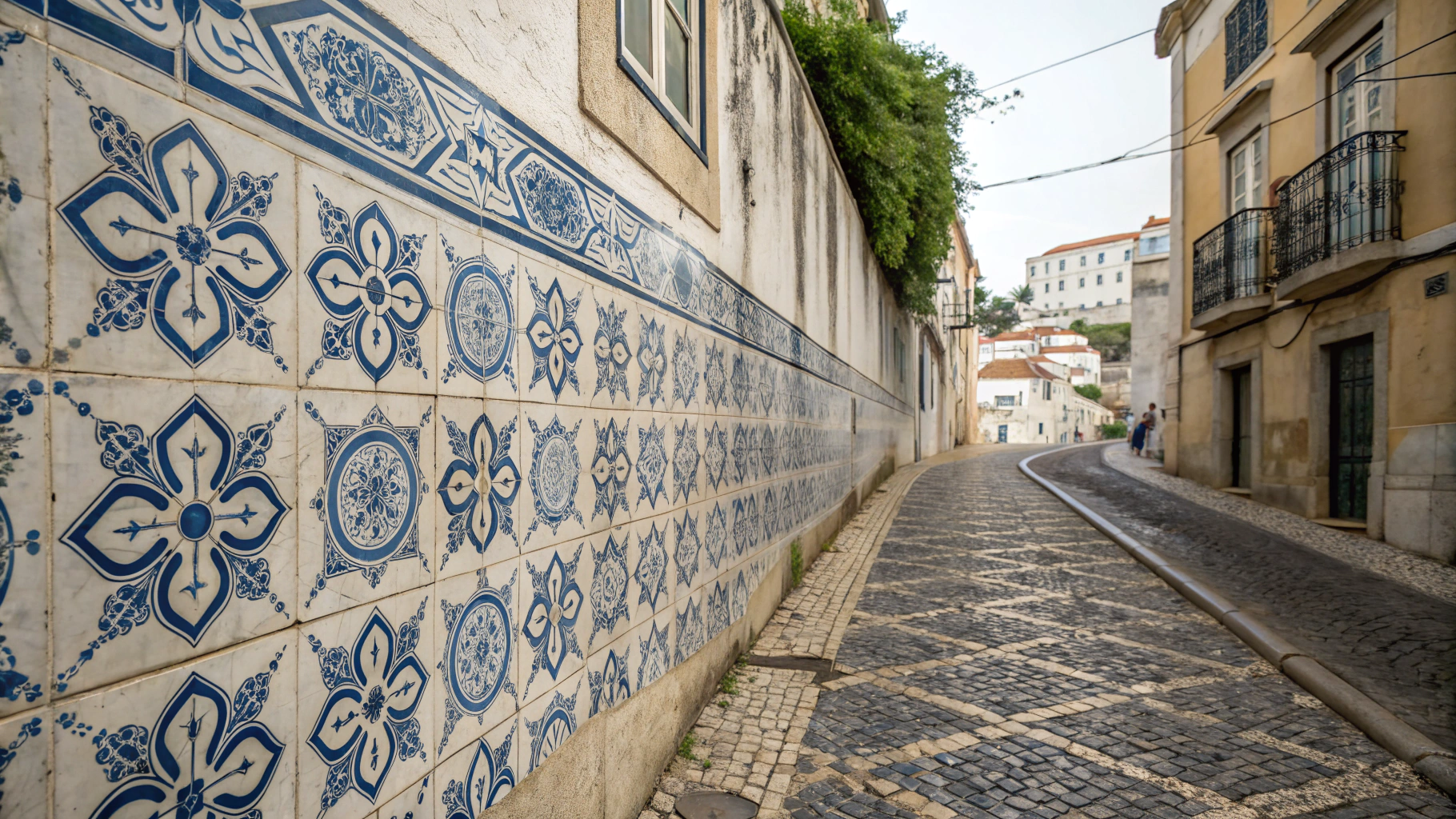
Lisbon’s azulejos are perhaps its most photographed feature. But few people realize the following:
Azulejos are more like manuscripts than decoration.
They preserve:
- chronicles of maritime triumphs
- maps of vanished neighborhoods
- allegories that encoded political commentary
- secret monastic messages
- tales the Inquisition suppressed
- geometric dialogues between Portugal and the Islamic world
Many tile panels in random corners of the city aren’t accidental. They mark the old boundaries of estates, commemorate forgotten events, or signal a building’s former purpose. Some are moral lessons, others historical diaries.
Lisbon’s tiles are not just art.
They are memory archives.
6. The Underworld: What Lies Below the Surface
Few visitors know about Lisbon’s underground labyrinth—reservoirs, cisterns, tunnels, aqueducts, and chambers that seem almost mythological.
Beneath the city lie:
- ancient Roman foundations
- medieval water systems capable of engineering marvels
- cisterns with near-perfect acoustics
- sewers that reveal centuries of urban evolution
- storage rooms turned wine cellars
- wartime bunkers
- concealed transit of goods and political secrets
Lisbon’s underworld is not sinister; it is astonishingly organized, almost elegant. Walking the city above is only half the experience. Below, the stone veins and hollow cavities show you how Lisbon thinks—pragmatic, adaptive, strategic, quietly brilliant.
7. The Tejo’s Dialogue with the City
The river does not simply border Lisbon; it sculpts it.
What tourists see as wide, calm water hides currents of history and maritime strategy. The Tejo is a storyteller, and Lisbon’s streets follow its rhythm: the smell of salt clings to tram rails, humidity curls balconies, breezes change the tone of conversations.
The river shaped:
- trade routes
- shipbuilding districts
- naval secrets
- cultural exchanges
- the architecture of waterfront warehouses
- the psychology of the city’s neighborhoods
Lisbon faces the Atlantic, but dialogues with the river—always aware that the river is the narrator of its golden ages and its darkest chapters.
8. The Trams: Moving Time Capsules
The yellow trams seem like cute vintage relics, but Lisbon’s tram system is an engineering puzzle wrapped in nostalgia. The tracks often follow routes older than the vehicles, threading through streets barely wide enough for a bicycle.
But here’s the secret:
The trams are not relics. They are solutions.
Their small size, tight turning radius, and durability make them perfect for navigating medieval streets. Modern buses cannot replace them without redesigning entire neighborhoods.
Lisbon’s trams survive because they are the only machines that can do the job.
And they do it with charisma.
9. The Secret Language of Balconies
Lisbon’s balconies tell stories—if you know how to read them.
A wrought-iron balcony with floral motifs suggests 19th-century romanticism. Straight geometric lines point to the 20th-century design revolutions. Some railings imitate ships’ ropes, a nod to maritime identity. Others hide initials or symbols of blacksmith guilds.
Balconies in Lisbon communicate:
- family wealth
- political leanings
- architectural periods
- cultural heritage
- social aspirations
Many locals can identify a building’s era by the ironwork alone.
Every balcony is a voice.
10. The Rooftops Where Time Slows Down
From street level, Lisbon’s rooftops seem uniform—terracotta tiles glowing in the sun. But Lisbon’s secret life happens on these rooftops:
- neighbors chatting across shared terraces
- orange trees growing in unexpected corners
- hidden viewpoints no tourist map mentions
- improvised gardens built from recycled materials
- weekend barbecues
- rooftop pigeons that act like unofficial district guardians
This is Lisbon’s most intimate layer. Up here, time pauses. The city sheds its postcard image and becomes a lived-in, breathing organism.
Lisbon’s rooftops are where the city remembers to be human.
11. Alfama’s Maze: Designed for Confusion
Alfama wasn’t designed to charm tourists with its labyrinthine alleys—it was designed to confuse invaders. Its layout is a strategic defensive system.
The twists and turns:
- create blind spots
- slow attackers
- allow residents to trap outsiders
- amplify sound
- create opportunities for surveillance
But the neighborhood also protects something less tactical: community cohesion. The labyrinth nurtures relationships, forging tight-knit social networks.
In Alfama, getting lost is not an accident.
It is an initiation.
12. Culinary Secrets: What the City Eats in Private
You can order cod dishes in restaurants, but Lisbon’s culinary identity hides in home kitchens and late-night corners.
Some secrets:
- Locals have dozens of recipes for cod, none of which are written down.
- Old pastry shops bake items whose origins even they can’t fully trace.
- Small taverns use spice combinations inherited from colonial voyages.
- Certain soups were once medicinal remedies.
- The best dishes often appear only on specific weekdays.
Lisbon’s gastronomy is not merely food. It is oral history delivered on a plate.
13. The Hidden Gardens
Lisbon is greener than it appears. Tucked between buildings, behind monasteries, and above street level are gardens known only to those who stumble upon them or are invited in.
These green sanctuaries:
- host exotic plants brought centuries ago from Africa, Brazil, and Asia
- serve as refuges for artists and thinkers
- create microclimates cooler than surrounding streets
- often hide fountains with symbolic meaning
- offer silence in a city that hums
Lisbon’s gardens are not public secrets—they are private gifts.
14. The City of Miradors: Where the Air Remembers
Lisbon’s lookout points—miradouros—are not simply viewpoints. They were historically used as:
- strategic surveillance posts
- spots for reading wind and weather
- meeting points for traders
- spaces for rituals and community gatherings
Each miradouro carries a unique energy, shaped by wind patterns, bird flight routes, and the acoustic bounce of surrounding hills.
Stand at one long enough and you feel the city breathing.
15. The Sea Explorers’ Ghosts
Much of Lisbon’s golden age is tied to maritime exploration. But the city’s real secret is that its heroic stories are only fragments. The streets store the untold layers:
- shipbuilders’ chants
- navigators’ fears
- political rivalries
- forgotten maps
- curses sailors whispered before departure
- superstitions embedded in architecture
The maritime legacy is not just statues and monuments; it is an atmosphere. The smell of rope, the echo of gulls, the slant of sunlight—these are sensory archives of a past both glorious and brutal.
16. The Modern City Hiding in Plain Sight
For all its antiquity, Lisbon is an innovator. Sleek design studios, scientific institutes, start-ups, and tech labs hide inside rehabilitated buildings.
Some of Lisbon’s most modern secrets:
- digital artists working from rooms older than electricity
- AI startups in former textile warehouses
- experimental cuisine in old butcher districts
- eco-architecture disguised as traditional facades
Lisbon is not a city stuck in nostalgia.
It is a city that blends memory with momentum.
17. Neighborhood Personalities
Each neighborhood in Lisbon behaves like a character in a novel.
Alfama: the storyteller
Mouraria: the rebel
Bairro Alto: the nocturnal poet
Chiado: the intellectual
Belém: the historian
Graça: the observer
Príncipe Real: the trendsetter
Cais do Sodré: the shapeshifter
Campo de Ourique: the gourmand
Avenida da Liberdade: the aristocrat
When you walk these streets, you interact with characters—some charming, some mischievous, all alive.
18. The Secret Rhythm of Daily Life
Lisbon moves at a peculiar tempo. It is never slow, never rushed. It is tide-like—gentle in the morning, rising at midday, shimmering in the afternoon, pulsing at night.
The secret rhythm is shaped by:
- wind direction
- tram schedules
- café rituals
- sunlight angles
- the pace of conversation
Life in Lisbon is an orchestration of small details that collectively create a unique urban music.
19. Nighttime Lisbon: When Shadows Change the Streets
By night, Lisbon’s secrets multiply. Shadows reshape familiar streets, windows become frames of domestic life, and the city’s stone glows softly under orange lamps.
Night reveals:
- the outline of tile murals unseen by day
- hushed conversations on staircases
- the warmth of tavern interiors
- ancestral stories told by street musicians
- the ancient rhythm of footsteps echoing off walls
Lisbon at night is not darker—it is deeper.
20. Why Lisbon Keeps Its Secrets
The last secret is the most important.
Lisbon does not reveal everything because it doesn’t need to. Its magic lies in discovery, not display. It rewards curiosity, patience, and slow, attentive wandering.
Some cities impress you instantly.
Lisbon slowly seduces you.
And once you know its secrets, you carry them like perfume—subtle, lingering, unforgettable.