










Coffee—the magic potion that turns groggy humans into semi-functional beings every morning. It’s more than just a beverage; it’s a ritual, a science experiment, and, for some, a lifestyle. Yet, despite its universal popularity, there’s an eternal debate brewing (pun intended): is there a right way to brew your coffee? The short answer is yes… and no. Let’s dive deep into the aromatic world of coffee brewing, where precision meets passion, science dances with art, and every cup tells a story.
The Fundamentals of Coffee Brewing
Before we get lost in the maze of machines, beans, and grind sizes, it’s crucial to understand the three pillars of brewing: water, coffee, and technique. These components interact in ways that can make or break your morning cup.
Water: More Than Just H2O
Your coffee is about 98% water, so it’s obvious that water quality matters. Tap water often contains minerals and chlorine that can mask the coffee’s flavor. Ideally, use filtered water with balanced mineral content—too soft, and your coffee will taste flat; too hard, and it may taste bitter or metallic. Temperature also matters: water should be between 195°F and 205°F (90–96°C). Too hot and you risk over-extraction; too cold and your coffee may taste weak or sour.
Coffee: Bean Selection Matters
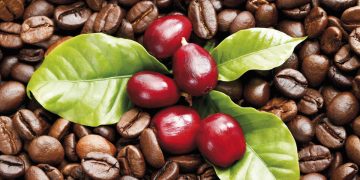
Not all beans are created equal. Arabica beans tend to be more nuanced, sweet, and acidic, while Robusta beans pack a punch with bitterness and caffeine. Roast levels—light, medium, or dark—also affect extraction. Light roasts highlight origin flavors, medium roasts balance acidity and sweetness, and dark roasts emphasize boldness and body. Freshness is key: ideally, coffee should be consumed within 2–4 weeks of roasting.
Grind Size: Precision is Everything
The grind size determines how quickly water extracts flavors from the coffee. Too fine, and you risk over-extraction and bitterness; too coarse, and your coffee may taste weak. Matching grind size to brewing method is critical:
- Espresso: Fine
- Pour-over: Medium-fine
- French press: Coarse
- Cold brew: Extra coarse
Precision scales are highly recommended; even a gram or two can make a noticeable difference.
Brewing Methods: The Right Way?
There isn’t a single “correct” brewing method, but each method has its science, aesthetics, and culture. Let’s explore some of the most popular techniques.
1. Drip Coffee / Pour-Over
The pour-over method is revered for clarity and control. A medium-fine grind and a steady pour yield a clean cup where subtle notes shine. The key is even saturation: pour in a circular motion to ensure all grounds are evenly extracted. While drip machines are convenient, manual pour-over gives you the power to tweak every variable.
2. French Press
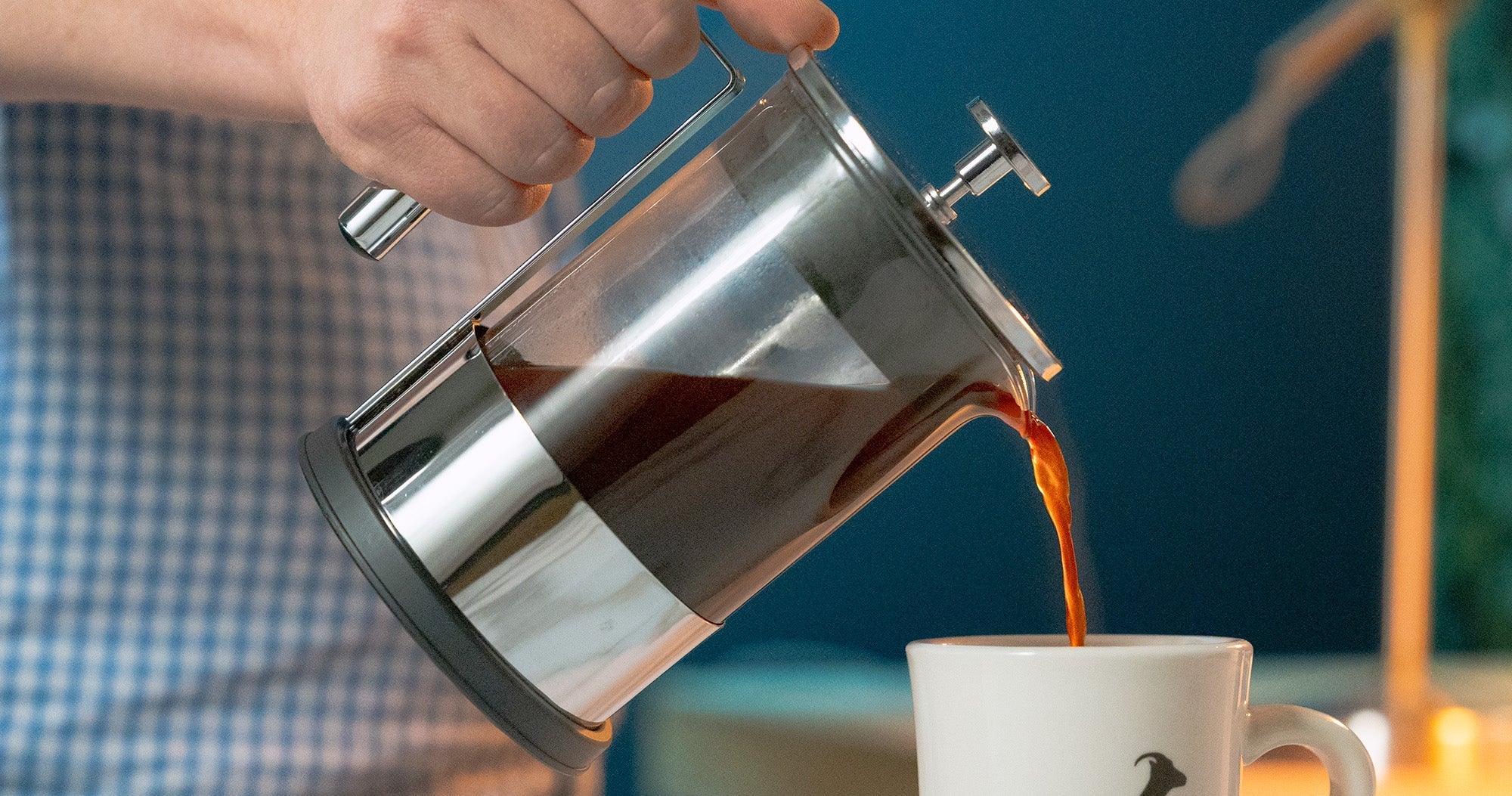
Bold, thick, and full-bodied—that’s the French press. Coarse grounds steep in hot water for about four minutes. Plunging too slowly or too quickly can alter flavor. One golden rule: never press immediately after adding water; let the coffee bloom first. French press is perfect for those who love texture and richness.
3. Espresso
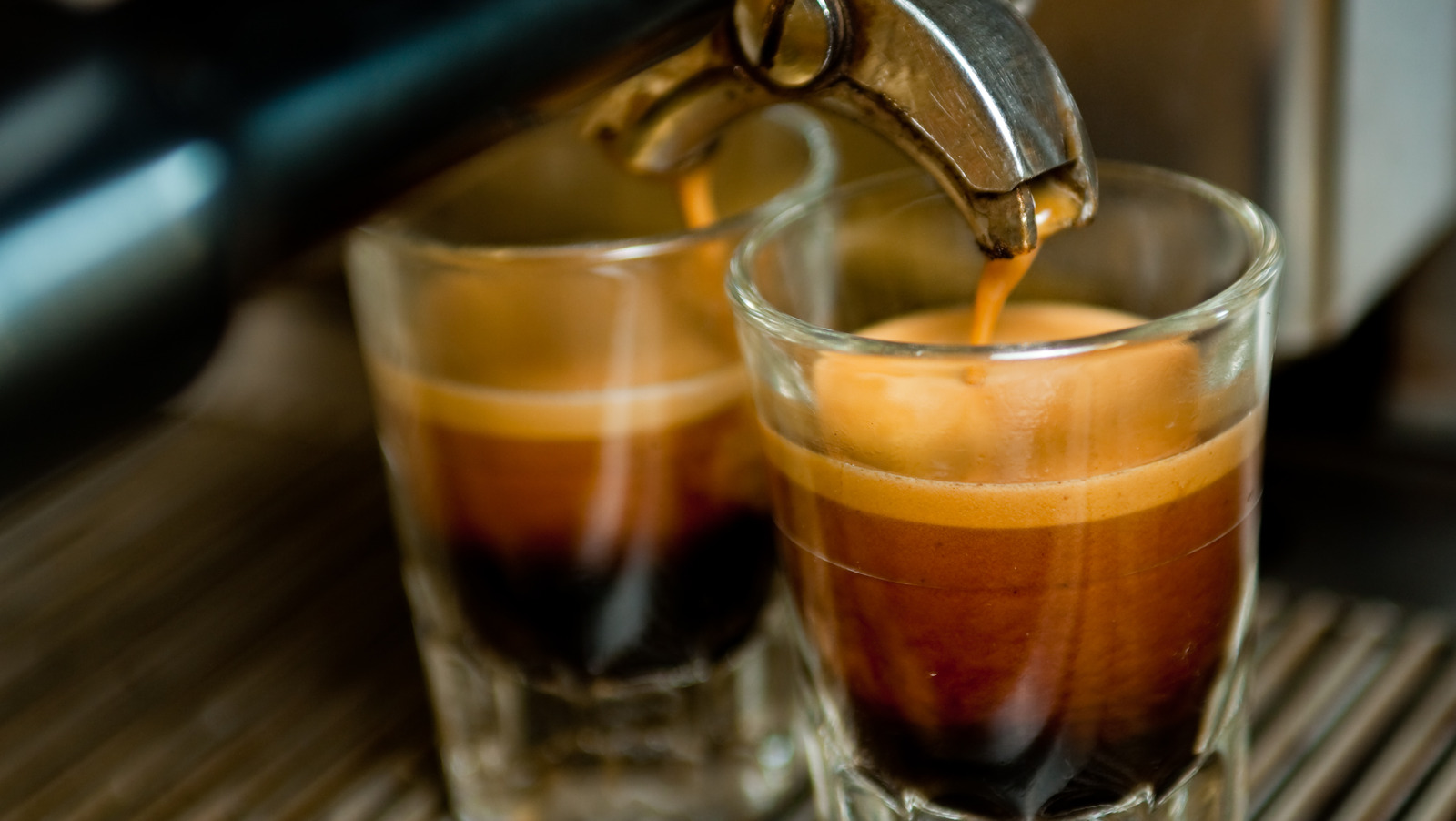
Ah, espresso—the jewel of coffee craftsmanship. Tiny, high-pressure shots extract intense flavors in seconds. Perfecting espresso requires precise grind, tamping pressure, water temperature, and timing. It’s less forgiving than other methods, but the reward is a shot with crema that sings. Espresso is also the base for lattes, cappuccinos, and Americanos.
4. AeroPress
Invented in 2005, the AeroPress is a versatile method blending immersion and pressure. It allows for experimentation with grind size, water temperature, and steeping time. The result can be espresso-like or closer to drip coffee, depending on your technique. It’s portable, easy to clean, and ideal for those who enjoy a hands-on experience.
5. Cold Brew
Cold brew is smooth, low in acidity, and refreshingly sweet. It requires 12–24 hours of steeping in cold water, making it less about speed and more about patience. Coarse grind prevents over-extraction and bitterness. Cold brew works beautifully in summer months or for those sensitive to acidity.
Variables That Define “Right”
The notion of a “right” brew isn’t about dogma; it’s about optimizing variables to your taste preferences. Here are some critical factors:
Coffee-to-Water Ratio
This ratio is perhaps the most underrated variable. Too little coffee, and your drink is watery; too much, and it’s overpowering. A general guideline is 1:15 to 1:18 (1 gram of coffee per 15–18 grams of water) for drip or pour-over, and 1:2 for espresso. But experimentation is encouraged—your perfect cup may deviate from the formula.
Brewing Time
Brewing time affects extraction. Over-extracted coffee tastes bitter, under-extracted coffee tastes sour. Each brewing method has its sweet spot:
- Espresso: 25–30 seconds
- Pour-over: 2.5–4 minutes
- French press: 4 minutes
- Cold brew: 12–24 hours
Temperature
Even minor deviations in water temperature change flavor profiles. Lower temperatures highlight acidity, higher temperatures extract bitterness. Your “right” temperature depends on bean type, roast level, and personal taste.
Common Mistakes to Avoid
Even seasoned coffee lovers fall into traps. Avoid these pitfalls:
- Using old beans: Oxygen and moisture degrade flavor rapidly. Buy small batches.
- Ignoring grind size: One size does not fit all.
- Overlooking water quality: Coffee is mostly water; taste matters.
- Rushing brewing: Patience is a crucial ingredient.
- Neglecting equipment cleanliness: Old oils and residues ruin flavor.
The Role of Equipment
While coffee is ultimately about beans and technique, equipment influences consistency and experience. Consider these essentials:
- Grinder: Burr grinders are superior to blade grinders; they produce uniform particles.
- Scale: Accurate measurements improve reproducibility.
- Kettle: A gooseneck kettle ensures controlled pour.
- Brewing devices: Choose based on taste preference and lifestyle.
High-end gear can elevate your experience but won’t fix poor technique or stale beans. The key is balance: invest where it counts and keep your process consistent.
Tasting Your Coffee
Understanding flavor is critical to mastering the right brew. Coffee tasting, or cupping, involves assessing aroma, acidity, body, and aftertaste. Explore descriptors like fruity, nutty, chocolatey, floral, and earthy. Keep a tasting journal; noting subtle changes in grind size, brew time, or water temperature can guide you toward your perfect cup.
The Science of Extraction
Extraction is the chemical process of dissolving coffee solubles into water. Under-extraction leaves sugars and acids trapped in the grounds, producing sour notes. Over-extraction pulls out excessive bitterness and astringency. Ideally, optimal extraction is 18–22% of the coffee mass. Mastering extraction requires practice, attention, and sometimes a dash of intuition.
Does “Right” Mean Standardized?
The irony is that coffee science offers precision, yet taste is inherently subjective. What’s “right” for one person may be too weak, strong, bitter, or sour for another. Specialty coffee shops aim for consistency, but home brewing celebrates experimentation. The right method is often the one that delights your taste buds, fuels your morning, and sparks joy in the ritual.
Tips for Home Brewers
- Measure everything: Even tablespoons matter.
- Experiment systematically: Change one variable at a time.
- Mind the bloom: Wet coffee first to release gases; it improves extraction.
- Invest in fresh beans: Grinding just before brewing preserves aroma.
- Clean gear regularly: Residual oils can spoil flavor.
- Document your results: Journals help identify patterns and preferences.
Beyond Taste: The Ritual of Coffee
Coffee is more than flavor. Brewing is a mindfulness exercise, a creative outlet, and sometimes a social connector. Whether you cherish the precision of a pour-over, the intensity of espresso, or the simplicity of instant coffee, the act itself can be deeply satisfying. For many, the “right” coffee is as much about the experience as the beverage.
Coffee Trends and Innovations
Coffee culture continues evolving. Trends like nitro coffee, single-origin beans, sustainable farming practices, and smart brewing devices redefine what “right” can mean. Understanding these trends can refine your palate and introduce exciting new rituals.
Conclusion: The Right Way is Your Way
So, is there a right way to brew your coffee? Technically, yes—scientific principles guide optimal extraction, grind, water, and timing. Practically, it’s about your taste preferences, lifestyle, and how much joy the process brings. Master the fundamentals, experiment with variables, savor the aroma, and embrace the ritual. Your perfect cup is a balance of art and science, personal and universal, precise and joyful. Coffee, after all, is never just coffee—it’s an experience, and the “right” way is the way that makes you smile with every sip.