









The world of hospitality is constantly evolving, with technological advancements driving changes in how we experience travel, stay, and interact with our surroundings. High-tech hotel rooms are one of the latest trends that have piqued the interest of travelers and industry professionals alike. But with so many new gadgets, apps, and smart systems being integrated into hotel rooms, a common question arises: are these high-tech amenities a genuine improvement, or are they merely a gimmick designed to catch the eye of tech-savvy guests?
In this article, we will explore the real impact of high-tech hotel rooms, analyze the pros and cons, and discuss whether these technological innovations are truly enhancing the guest experience or just serving as marketing tools. By the end, we will leave you with a clearer understanding of whether high-tech hotel rooms are worth the hype or just another passing trend.
The Rise of High-Tech Hotel Rooms
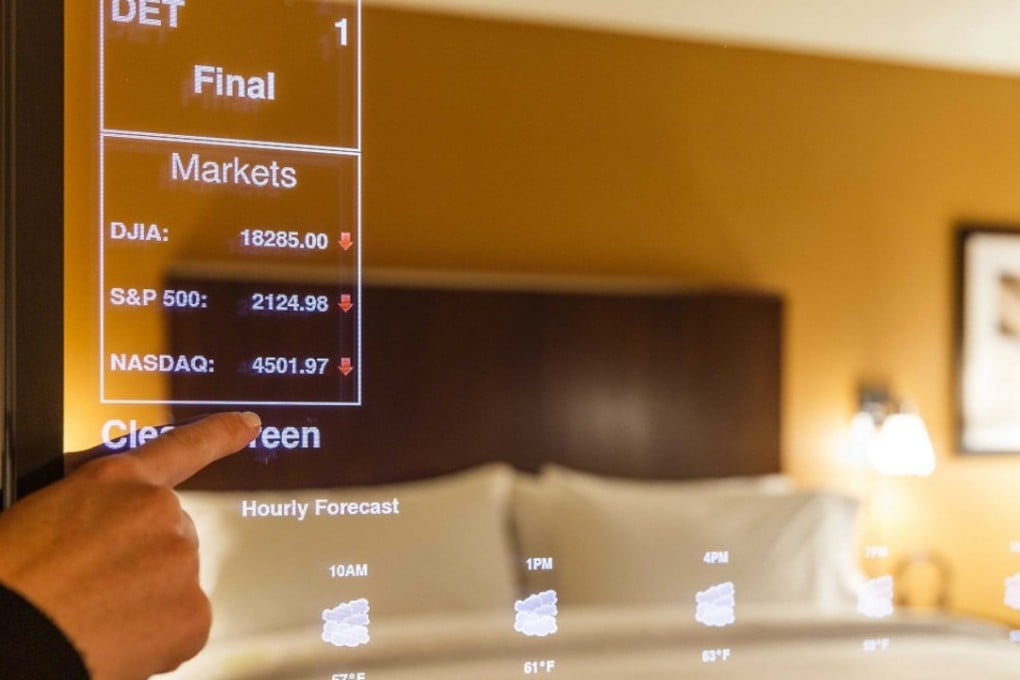
In recent years, the hospitality industry has seen a surge in the integration of advanced technologies into hotel rooms. From voice-activated controls to smart mirrors, robotic assistants, and AI-powered concierge services, the modern hotel room is becoming more than just a place to sleep.
What drives this trend? Primarily, it’s the ever-growing demand for convenience, personalization, and efficiency. Guests increasingly expect hotel rooms to cater to their individual needs, preferences, and schedules. Additionally, the rise of the tech-savvy millennial and Gen Z traveler—who expect high connectivity, automation, and cutting-edge experiences—has pushed many hotels to adopt these advanced technologies.
However, despite the rapid adoption of smart technologies in the hospitality industry, the question remains: do these innovations actually enhance the guest experience, or are they just flashy features designed to attract attention?
The Technology Behind High-Tech Hotel Rooms
To better understand whether high-tech hotel rooms are truly beneficial or just a gimmick, let’s take a look at some of the common technological innovations that are making their way into hotel rooms.
1. Smart Lighting and Climate Control
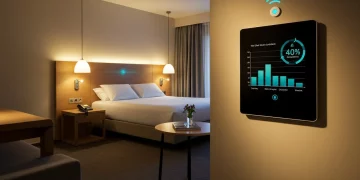
One of the most popular technological features in modern hotel rooms is smart lighting and climate control. Guests can adjust the lighting and temperature in their rooms through voice commands, mobile apps, or tablet-controlled systems. This level of control allows for a personalized ambiance, where travelers can create the perfect environment for sleep, relaxation, or work.
For example, many hotels now offer “mood lighting” options, which change the color and intensity of the lights to suit different times of day or specific activities. Similarly, climate control systems allow guests to fine-tune the room’s temperature, often using smart thermostats that learn the guest’s preferences over time.
Pros:
- Enhanced comfort and convenience
- Personalization options for lighting and temperature
- Can save energy by adjusting settings based on guest activity
Cons:
- Potential technical glitches (e.g., system malfunctions or incorrect settings)
- Some guests may prefer simple, traditional controls
2. Voice-Controlled Assistance
Voice-activated technology, such as Amazon Alexa, Google Assistant, and other AI-powered systems, has become a staple in high-tech hotel rooms. These systems allow guests to control various aspects of their room, from adjusting the thermostat to ordering room service, playing music, or requesting housekeeping services.
These systems are designed to make the guest experience more seamless and convenient by eliminating the need for physical interaction with controls or service staff. Additionally, some hotel chains have integrated local information into the voice assistant, such as recommendations for nearby restaurants or attractions.
Pros:
- Hands-free convenience
- Easy-to-use, especially for tech-savvy travelers
- Can enhance the personalization of the experience (e.g., controlling lights, TV, or music)
Cons:
- Privacy concerns (voice assistants are always listening)
- Technical issues, such as voice recognition errors or connectivity problems
- Some guests may not be familiar or comfortable with voice-activated technology
3. Smart TVs and Entertainment Systems
Gone are the days of limited cable TV channels in hotel rooms. High-tech hotels are now offering smart TVs that allow guests to stream their own content from platforms like Netflix, Hulu, and YouTube. Some hotels even allow guests to log into their personal streaming accounts directly on the TV, eliminating the need to rely on the hotel’s pre-selected content.
Additionally, some hotels offer immersive entertainment options, such as virtual reality (VR) headsets or interactive gaming consoles.
Pros:
- Guests can enjoy a personalized entertainment experience
- Access to streaming services and on-demand content
- No need to bring your own devices or content
Cons:
- Potential for technical difficulties (e.g., connectivity issues)
- Some guests may prefer traditional TV channels
- Security concerns over logging into personal accounts on public devices
4. Robots and Automated Services
In some high-tech hotels, robots have been introduced to replace or assist with traditional hotel services. These robots can deliver towels, toiletries, and food to guests’ rooms, check guests in and out, and even provide concierge services.
For example, hotels like the Henn-na Hotel in Japan are known for their robotic receptionists and room service robots, while some other hotels have introduced AI-powered robots that can engage in basic conversations and assist with requests.
Pros:
- Reduces human labor costs and enhances efficiency
- Provides a futuristic and unique experience for guests
- Can operate 24/7 without downtime
Cons:
- Can feel impersonal or awkward, especially for guests seeking human interaction
- Limited capability to handle complex requests
- Technical malfunctions or maintenance issues can disrupt service

5. AI-Powered Concierge Services
Artificial Intelligence (AI) is transforming the role of the hotel concierge. AI-driven chatbots or virtual assistants can interact with guests to offer personalized recommendations for activities, restaurants, and services. These systems can learn from guest preferences and provide suggestions based on past behavior or similar guests’ choices.
For example, a guest might use an AI-powered system to request restaurant reservations, book tickets to a local museum, or inquire about nearby attractions—all without needing to speak to a human concierge.
Pros:
- 24/7 availability and instant responses
- Personalization based on guest history and preferences
- Efficient and convenient for guests who prefer not to interact with staff
Cons:
- Lack of human touch, which may be important for some guests
- Limited to preset recommendations and services
- Dependence on technology may frustrate non-tech-savvy guests
Are High-Tech Hotel Rooms Just a Gimmick?
While the integration of technology in hotel rooms is undeniably impressive, the real question is whether these innovations genuinely enhance the guest experience or are simply designed to impress potential customers.
The Case for High-Tech Hotel Rooms
For many travelers, high-tech hotel rooms provide an enhanced and personalized experience that traditional hotels cannot match. The convenience of controlling your environment with a voice command, the ability to stream your favorite shows, and the ease of interacting with AI-powered systems all contribute to a more seamless and enjoyable stay.
Furthermore, these technologies can streamline hotel operations, reduce waiting times for services, and even improve energy efficiency. For example, smart climate controls and lighting systems can automatically adjust based on the guest’s preferences or room occupancy, potentially reducing energy consumption.
For tech enthusiasts, the presence of cutting-edge technology can turn an ordinary hotel stay into a memorable experience, blending comfort with futuristic features. High-tech hotels also cater to younger, more tech-savvy generations, who view these innovations as part of the lifestyle they expect.
The Case Against High-Tech Hotel Rooms
On the other hand, there are valid concerns about the overuse of technology in hotel rooms. First and foremost, not all guests are comfortable with or interested in using high-tech features. Older travelers, for example, may find voice-controlled systems, smart thermostats, and app-based services to be confusing or unnecessary. These guests may simply want a comfortable bed, a clean bathroom, and friendly service—without the need for advanced technology.
Moreover, technology can sometimes create problems rather than solve them. System malfunctions, connectivity issues, and technical glitches can disrupt the guest experience and lead to frustration. For example, if the voice assistant fails to understand a command or the smart TV has trouble streaming content, guests may feel inconvenienced rather than impressed.
Another concern is privacy. With voice-activated systems and AI assistants constantly listening, there is a potential for breaches of privacy or security issues. Some travelers may not feel comfortable with the idea of their personal information being stored or shared by the hotel’s tech systems.
Finally, there is the risk that high-tech features could detract from the fundamental aspects of hospitality. The human element—the personal touch provided by hotel staff—can never be fully replaced by technology. Guests who value authentic interactions may find the reliance on automation and robots to be impersonal or alienating.
Conclusion: A Fine Line Between Innovation and Gimmick
High-tech hotel rooms certainly have their merits, but they also come with their challenges. For the right kind of traveler, these technological advancements offer a level of convenience, personalization, and novelty that can transform an ordinary hotel stay into something extraordinary. However, for others, these innovations may feel unnecessary or overwhelming, detracting from the timeless qualities of hospitality that have always defined the hotel experience.
Ultimately, whether or not high-tech hotel rooms are a gimmick depends on your perspective. For tech enthusiasts and younger generations, they may represent the future of travel, a blend of innovation and comfort. For more traditional guests, they may feel like an overly complex solution to a problem that doesn’t really exist.
The key for hotels is to strike the right balance between embracing technology and maintaining the human touch that makes the guest experience truly memorable.