











In the world of food, few debates spark as much interest and confusion as the difference between free-range and factory eggs. For some, it’s a matter of animal welfare; for others, it’s a question of taste. And then, of course, there are those who simply want to know if the egg’s origin really matters when it comes to flavor.
The humble egg is often seen as a simple ingredient—versatile, nutritious, and delicious. But when it comes to sourcing eggs, things can get complicated. Free-range eggs are often marketed as the more ethical and tastier option, while factory eggs—commonly labeled as “cage eggs”—are associated with mass production and less ideal living conditions for the chickens. But do these differences actually translate into a noticeable difference in flavor? Or is it all just a marketing ploy?
In this article, we’ll explore the complexities of the free-range vs. factory egg debate. From the chickens’ living conditions to the impact on taste and nutrition, we’ll take a deep dive into what sets these eggs apart. Along the way, we’ll consider the science, the subjective opinions, and the real-world implications of choosing one type over the other.
The Science Behind Egg Production
To understand the potential differences in taste between free-range and factory eggs, we need to first take a look at how these eggs are produced.
Factory Eggs:
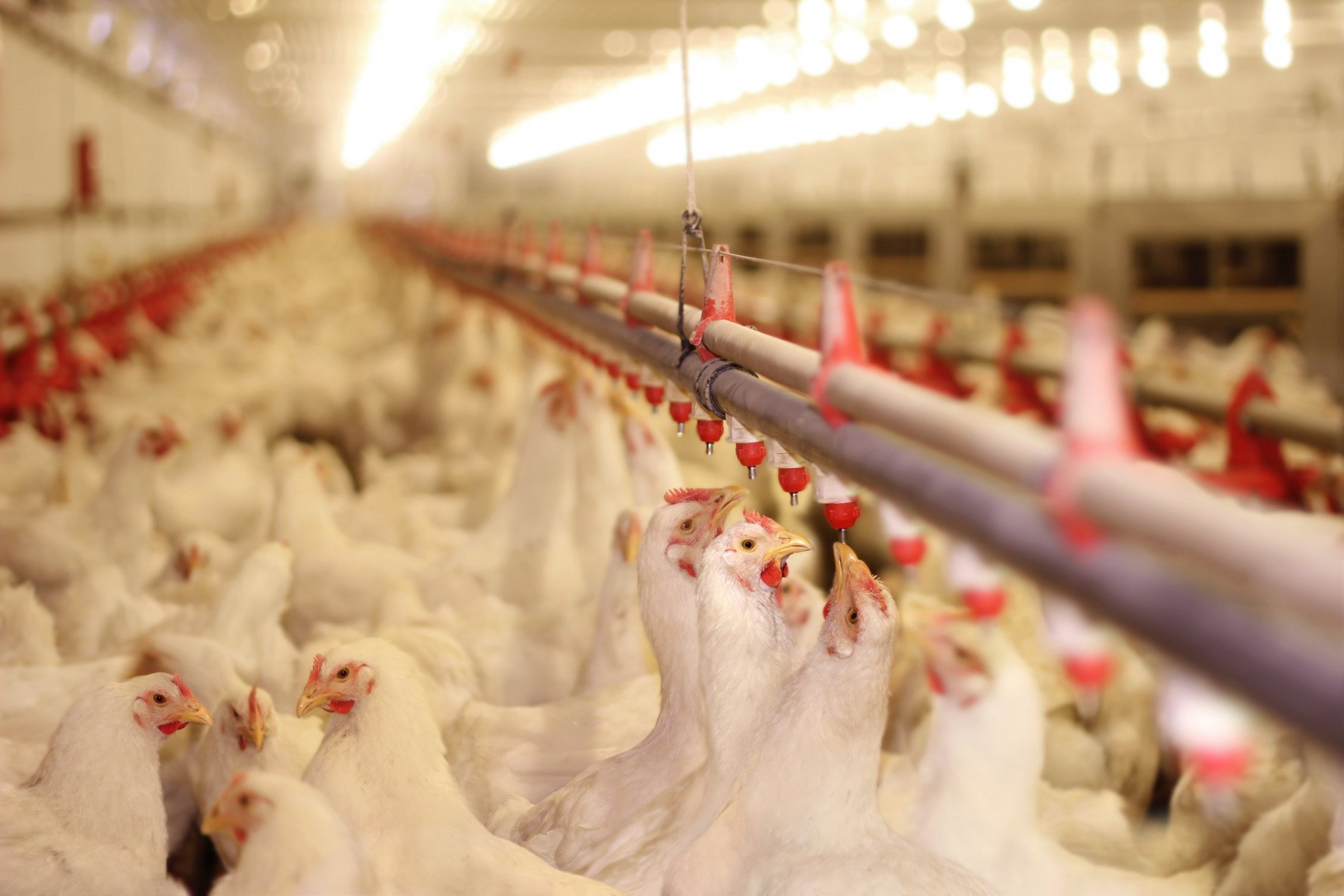
Factory eggs, also known as battery eggs, come from hens that are typically confined to small cages in large industrial farms. These hens live in overcrowded, restrictive conditions where their movement is limited to a small space. They are often fed a diet that includes processed grains, and their exposure to natural light is minimal.
The primary goal of factory farming is to maximize efficiency. These farms are optimized for mass production, meaning the eggs are produced in large quantities with an emphasis on cost-effectiveness rather than animal welfare or quality. As a result, factory eggs are cheaper to produce and more affordable for consumers.
Free-Range Eggs:
Free-range eggs come from hens that are given access to the outdoors, though the extent of this access can vary. In the best-case scenario, free-range hens are allowed to roam freely in open spaces, foraging for food and living in a more natural environment. However, in many cases, the “free-range” label simply means the hens have some outdoor access, but the quality of that access can vary dramatically.
In general, free-range hens are allowed to move around more freely than their factory-farmed counterparts, which can lead to differences in their overall health and well-being. These hens often have a more varied diet that includes grass, seeds, and insects, which may contribute to the quality of the eggs they lay.
Does the Hen’s Diet Impact the Egg’s Taste?
One of the most significant factors influencing the flavor of an egg is the hen’s diet. Just like other animals, hens produce eggs that reflect what they eat. While the exact composition of an egg can be influenced by many factors, the nutritional content and flavor profile can be significantly altered depending on what the hens are fed.

Factory-Farmed Hens’ Diet:
In factory farming, hens are typically fed a highly controlled diet made up of grains like corn and soy. These diets are designed to maximize egg production, and the hens’ feed is often supplemented with vitamins and minerals to ensure they stay healthy and productive. However, this diet tends to lack the variety found in a more natural feeding environment.
As a result, factory eggs tend to have a more neutral, sometimes bland, taste. The hens’ limited access to foraging or natural food sources means the eggs are less likely to have distinctive flavors that come from a varied diet. In many cases, factory eggs can also have a slight “off” taste due to the preservatives or additives in the feed.
Free-Range Hens’ Diet:
In contrast, free-range hens typically enjoy a more varied diet. When allowed access to outdoor spaces, they can eat a variety of foods like grass, bugs, and seeds. This diversity in diet can result in eggs with a richer, more complex flavor profile. Many people who prefer free-range eggs claim that they have a more “earthy” or “fresh” taste, with some even describing a slight “herbal” note due to the natural vegetation hens can consume.
Free-range hens are also less likely to be fed the high levels of antibiotics and hormones often used in factory farms, which may contribute to a cleaner, more natural flavor. The chickens’ more varied diet is often considered to result in eggs that taste more like what eggs should taste like—vibrant, full of flavor, and with a stronger yolk.
Egg Yolks: A Key Indicator of Quality
The color and texture of the egg yolk is often a reliable indicator of the quality and flavor of the egg. Egg yolks from factory eggs are typically pale yellow and may even have an almost white appearance due to the limited variety in the hens’ diet. These yolks tend to be smaller, less rich, and more watery, contributing to a less robust flavor.
Free-range eggs, on the other hand, often have deep, golden-orange yolks. This color comes from the carotenoids in the hens’ diet, particularly the grasses and plants they eat. A darker yolk is often associated with a richer taste and a more vibrant egg, and many people believe that free-range eggs, with their deeper yolk color, offer a more satisfying and flavorful experience.
While yolk color doesn’t always directly correlate with taste (as some commercial feed can be dyed to mimic the appearance of free-range eggs), the presence of a darker, richer yolk is often seen as a sign that the egg is more nutrient-dense and has a more complex flavor.
Taste Tests: What Do People Actually Think?
Now that we’ve discussed the science behind egg production, diet, and yolk color, let’s get to the heart of the matter: taste.
Subjective Preferences:
Taste is, of course, subjective. What one person considers a delicious, flavorful egg may not be the same for someone else. However, many people who regularly consume both free-range and factory eggs claim they can tell a noticeable difference in flavor.
Free-range eggs are often described as having a fuller, richer flavor compared to factory eggs. They tend to have a stronger, more distinct taste that some describe as “eggier.” People who prefer free-range eggs often cite the freshness of the yolk, the texture of the whites, and the overall taste as reasons for their preference.
On the other hand, factory eggs may be considered more neutral or bland by those who are used to the richness of free-range eggs. Some people describe the taste as slightly metallic or even sulfuric, although these are usually the result of less-than-ideal storage or handling of the eggs.
Interestingly, blind taste tests of free-range and factory eggs have yielded mixed results. While some testers can easily tell the difference, others report that they cannot distinguish between the two, particularly when the eggs are cooked in certain ways, such as scrambled or baked into a dish. This suggests that the flavor difference might be more noticeable when the eggs are consumed in their most natural form—fried or boiled, for example—rather than when they are hidden in complex recipes.
Nutritional Differences: Does It Matter?
While taste is certainly important, many consumers choose free-range eggs over factory eggs due to perceived nutritional benefits. But are these eggs actually healthier?
Research suggests that free-range eggs are, in fact, more nutritious in several ways. For instance, free-range eggs tend to have higher levels of omega-3 fatty acids, vitamins A and E, and beta-carotene. The increased exposure to sunlight, a more varied diet, and the ability to forage for natural foods can lead to eggs that are richer in these nutrients.
Factory eggs, by comparison, are typically lower in these beneficial nutrients and may contain higher levels of omega-6 fatty acids, which can contribute to an imbalance in the diet. The use of antibiotics and hormones in factory farming may also affect the nutritional profile of the eggs, though these additives are not present in large enough quantities to pose a significant risk to consumers.
While the nutritional differences may not be drastic, they are worth considering, especially for those who prioritize the health benefits of their food choices.
The Environmental and Ethical Considerations
In addition to taste and nutrition, many people choose free-range eggs for environmental and ethical reasons. Factory farming has long been criticized for its impact on animal welfare, with hens living in cramped conditions that limit their ability to engage in natural behaviors. The ethical concerns surrounding factory-farmed eggs are a major motivator for those who opt for free-range alternatives.
Free-range farming, on the other hand, typically provides hens with more space and opportunities to roam, though the exact conditions can vary. While not all free-range operations are perfect, they generally offer a more humane alternative to factory farming.
The environmental impact of egg production is another important factor to consider. Factory farms contribute to pollution, overuse of antibiotics, and other environmental concerns, while free-range farms—though not entirely without their own ecological footprint—tend to be more sustainable in the long run. Free-range systems can support biodiversity, improve soil health, and encourage more natural farming practices.
Final Thoughts: Is the Taste Difference Worth It?
When it comes down to it, the decision between free-range and factory eggs is a personal one. Some people swear by the superior taste and quality of free-range eggs, while others may not notice a significant difference. The price difference between free-range and factory eggs can also be a deciding factor for many, with free-range eggs often being more expensive due to the higher costs of production.
However, for those who are passionate about animal welfare, sustainability, and flavor, free-range eggs are likely the better choice. Whether or not you can taste the difference depends on your own palate and how discerning you are when it comes to food. Ultimately, the decision is yours—taste test, consider the nutritional benefits, weigh the environmental impact, and choose the eggs that align with your values.