











Podcasting is more than just a trend — it’s a powerful medium for storytelling, education, entertainment, and personal connection. From true crime to self-help, finance to comedy, the diversity of podcast genres is vast, and the number of creators is growing exponentially. But with thousands of podcasts flooding the internet every day, how do you make yours stand out? What makes a podcast engaging and, more importantly, what turns casual listeners into loyal fans?
Creating an engaging podcast is a combination of thoughtful planning, a unique voice, and a well-executed technical approach. In this article, we’ll explore the key steps to successfully creating an engaging podcast that resonates with your target audience. Whether you’re a beginner or an experienced podcaster, these insights will help you take your show to the next level.
1. Find Your Niche
Before jumping into recording, the first step in creating a successful podcast is defining your niche. In the world of podcasting, it’s easy to get lost in the crowd, especially if you’re starting with a broad or overly general topic. Finding a specific niche allows you to target a dedicated audience, build your community, and stand out from the competition.
For example, rather than launching a podcast about “Health and Wellness,” consider narrowing it down to something like “Holistic Health for Busy Professionals” or “Mental Health in the Digital Age.” The more specific you can be, the easier it will be to identify a unique voice and connect with listeners.
Think about your passion, expertise, and the audience you want to reach. What do they care about? What problems do they need solving? Crafting a podcast around a niche that aligns with your own interests and expertise will not only make your content more authentic but also help you establish credibility in your space.
2. Develop Your Podcast Concept
Once you’ve honed in on your niche, it’s time to develop your podcast concept. This includes outlining the style and tone of your show, as well as deciding on the format and frequency of episodes.
Consider the following elements when defining your concept:
- Podcast Format: Will you host solo episodes, feature guest interviews, or run panel discussions? Different formats appeal to different audiences, so think about which format works best for your subject matter and style.
- Tone and Voice: Your podcast’s tone should reflect your personality and resonate with your target audience. Whether you’re aiming for a casual, conversational vibe or a more formal, educational approach, the tone of your podcast will shape your listeners’ experience.
- Episode Length: Some podcasts are 10-minute daily episodes, while others are hour-long deep dives. It’s essential to decide what fits best with your audience’s expectations and your content style. Consistency is key, so make sure you stick to your chosen length once you establish it.
- Episode Frequency: How often will you release new episodes? Will you upload weekly, bi-weekly, or monthly? Be realistic about the time commitment and ensure you can maintain a regular publishing schedule. Consistency will keep your audience engaged and help grow your fanbase.
3. Invest in Quality Equipment
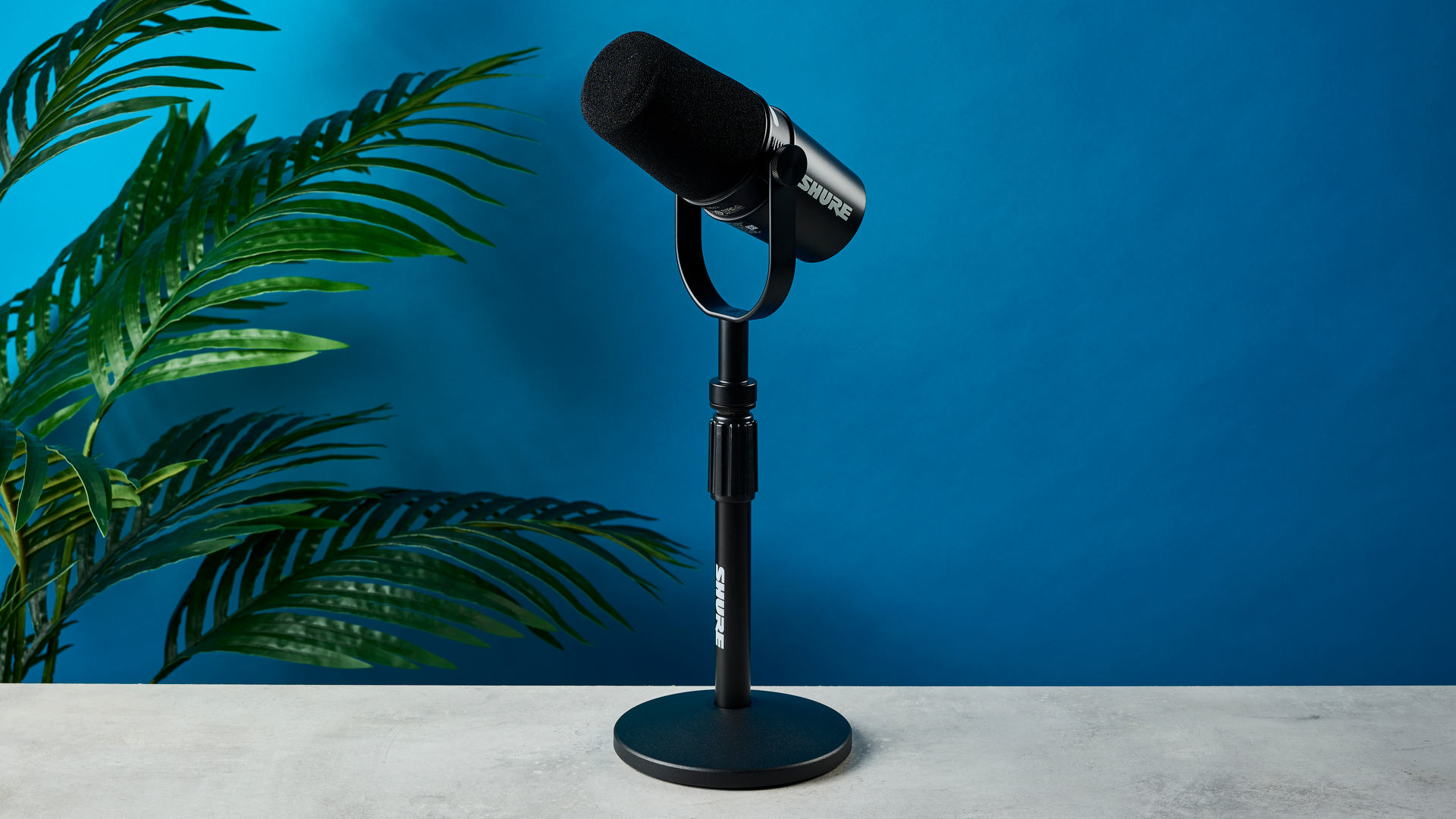
One of the biggest turn-offs for podcast listeners is poor audio quality. In the early days of podcasting, all you needed was a microphone and a laptop. Today, however, audio quality has become a critical element for success. Investing in quality equipment can make a significant difference in how your podcast is perceived.
Here are some basic pieces of equipment every podcaster should consider:
- Microphone: A good-quality microphone is essential for clear and professional-sounding audio. Popular options for beginners include the Blue Yeti or Audio-Technica AT2020, both of which provide great sound at a reasonable price.
- Headphones: Investing in good headphones helps you monitor your audio while recording and ensures you’re not picking up unwanted background noise.
- Pop Filter: A pop filter helps reduce plosives (those harsh “p” and “b” sounds) that can distort audio. It’s an inexpensive addition that can significantly improve sound quality.
- Audio Interface: If you’re using an XLR microphone (which offers superior sound quality), you’ll need an audio interface to connect it to your computer. Popular options include the Focusrite Scarlett 2i2.
- Acoustic Treatment: Background noise can seriously detract from your podcast’s professionalism. Simple acoustic treatments like foam panels or recording in a quiet room can reduce echoes and background sounds.
4. Craft Compelling Content
Your podcast content is the heart and soul of your show. Even the best audio setup and promotional strategies can’t make up for weak content. To captivate your audience, your podcast needs to provide value, whether through entertainment, education, or both.
Here are a few tips for creating engaging podcast content:
- Engage with Your Audience: Ask questions, include listener feedback, and address comments on social media. The more you interact with your audience, the more connected they will feel to your podcast.
- Create a Strong Hook: The opening of your episode should grab your listener’s attention. Start with an intriguing statement, a question, or a preview of what’s to come to keep your audience listening.
- Tell Stories: People love stories. Whether you’re sharing personal experiences or narrating interesting anecdotes, storytelling is a great way to keep listeners engaged. Make your content relatable, and don’t be afraid to show vulnerability.
- Use Research and Facts: If you’re providing information or sharing insights, back them up with credible sources. Having solid data not only increases your credibility but also builds trust with your audience.
- Stay Organized: Having a structured outline or script can help you stay focused and ensure your episodes flow smoothly. While spontaneity is great, aim for clarity and purpose in each episode.

5. Edit for Clarity and Professionalism
Editing is where you refine your podcast into a polished, engaging product. A well-edited podcast will flow seamlessly, keeping your listeners hooked without unnecessary pauses or filler words.
Here’s how to edit your podcast for maximum impact:
- Remove Distractions: Cut out long pauses, excessive ums and ahs, and any irrelevant tangents. This helps keep your content tight and to the point.
- Balance Audio Levels: Make sure your voice and any guest speakers are balanced at a consistent volume. Tools like Adobe Audition or Audacity can help with leveling and removing background noise.
- Add Music and Sound Effects: Background music can enhance the mood of your podcast, while sound effects can be used to punctuate key moments. But use these elements sparingly — they should complement, not overpower, your content.
- Transitions and Intros: Professional podcasts often have consistent intros and outros. Consider using a signature theme song or sound bite to establish brand identity.
6. Promote Your Podcast
Creating an engaging podcast is only half the battle. If you want your podcast to reach its full potential, you need to market it effectively. Here are some strategies for promoting your podcast:
- Leverage Social Media: Share episode links, behind-the-scenes content, and engage with your audience on platforms like Instagram, Twitter, and TikTok. Creating teaser videos or audiograms can help capture attention and drive traffic to your podcast.
- Collaborate with Other Podcasters: Guest appearances or shout-outs from fellow podcasters in your niche can help introduce your show to new listeners. Building relationships within the podcasting community can be mutually beneficial.
- Submit to Directories: Submit your podcast to popular platforms like Apple Podcasts, Spotify, Google Podcasts, and Stitcher. Being listed on multiple directories increases your visibility and accessibility.
- Create a Website: A website dedicated to your podcast can serve as a hub for your content, with episode show notes, additional resources, and links to social media. A blog can also help boost your podcast’s SEO and drive traffic.
- Engage with Fans: Encourage listeners to leave reviews, share episodes, and participate in online discussions. Building a community around your podcast fosters loyalty and helps spread the word.
7. Stay Consistent and Evolve
Consistency is key to building and maintaining an engaged audience. Set realistic goals for how often you can publish new episodes and stick to that schedule. Audiences appreciate knowing when to expect new content.
However, consistency doesn’t mean you shouldn’t evolve. Over time, you may want to refine your podcast’s format, explore new topics, or introduce new segments. Listen to feedback, observe trends in your industry, and keep pushing yourself to improve. The more you evolve and experiment, the more likely you are to stay relevant and exciting to your listeners.
Conclusion
Creating an engaging podcast is a rewarding journey, but it requires effort, creativity, and consistency. By finding your niche, crafting compelling content, investing in quality equipment, and effectively promoting your podcast, you can turn your show into a captivating experience for your listeners. Remember, podcasting is a long-term commitment — stay passionate, stay engaged with your audience, and always strive to improve.