









In today’s fast-paced and ever-evolving business environment, the question of whether to transition from traditional to digital marketing is not just relevant; it’s crucial for survival and growth. For many businesses, especially those who’ve relied heavily on traditional marketing channels, this shift can feel like a leap into the unknown. But as the world around us continues to embrace technology, it’s becoming increasingly clear that digital marketing isn’t just a passing trend—it’s the future. So, is it time for your brand to make the move?
Let’s dive into why this transition may be the right decision, how it can benefit your business, and what steps you can take to smoothly navigate the change.
Understanding Traditional Marketing vs. Digital Marketing
Before we address the core of the question, it’s important to understand what sets traditional marketing apart from digital marketing. Traditional marketing encompasses strategies like print advertisements (newspapers, magazines), television and radio ads, billboards, direct mail, and face-to-face interactions such as trade shows and conferences. These tactics have served businesses for decades and have a long-established place in the marketing world.
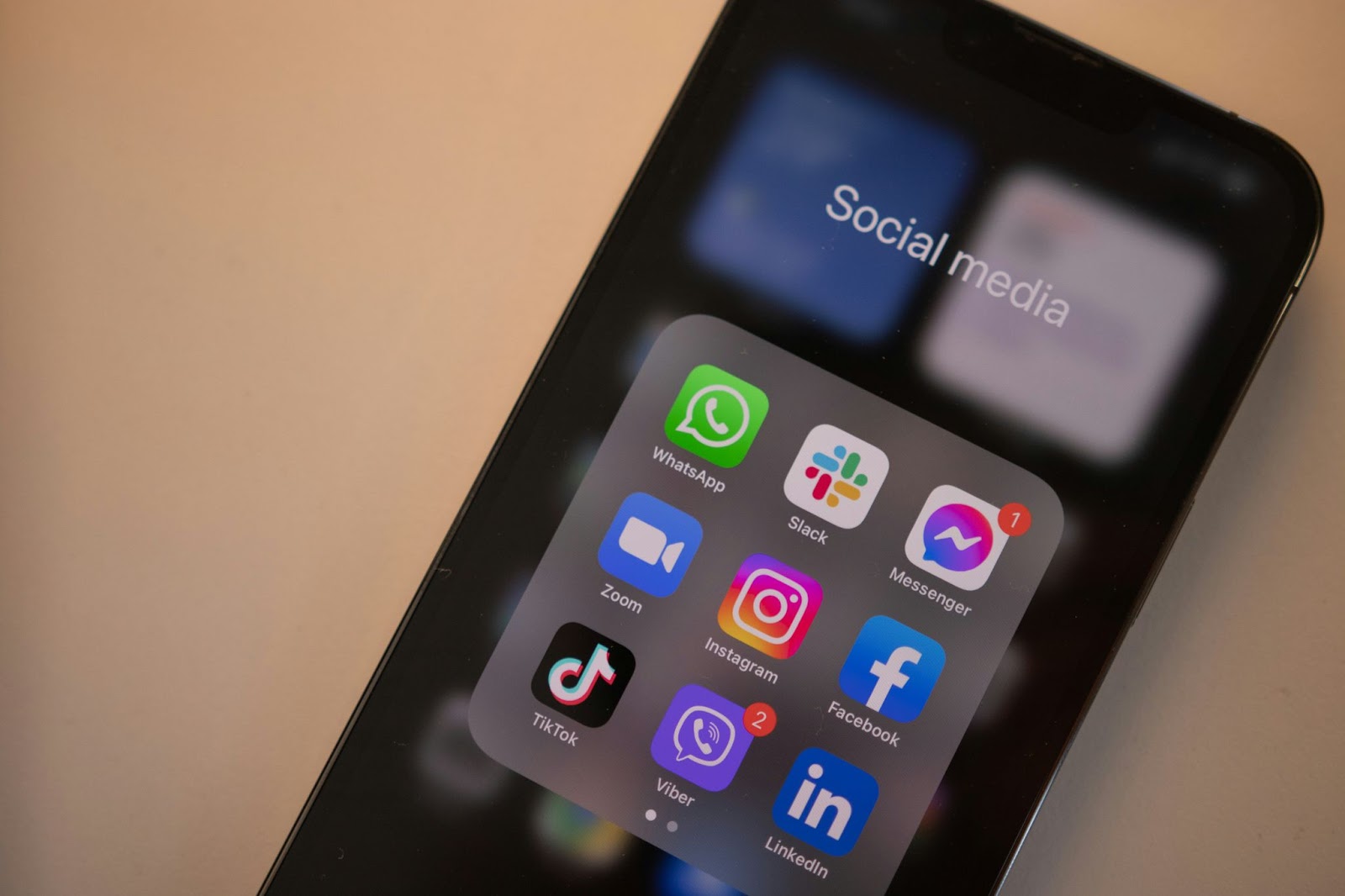
However, digital marketing operates in an entirely different space. It includes strategies that leverage digital platforms such as search engines (Google, Bing), social media (Facebook, Instagram, LinkedIn), email marketing, content marketing, online ads (Google Ads, Facebook Ads), and websites. With digital marketing, businesses can target specific audiences, track their performance in real-time, and create engaging, interactive experiences that traditional marketing simply cannot match.
The Shifting Consumer Behavior: A Digital Revolution
As we move further into the 21st century, the way people consume content has shifted dramatically. No longer do consumers spend their time flipping through newspapers or watching television ads during scheduled commercial breaks. Instead, the internet, smartphones, and social media platforms have become central to how they interact with the world.
This shift has fundamentally changed how businesses must reach their audiences. According to recent statistics, over 4.5 billion people worldwide are active internet users, with the majority of them being active social media users as well. Whether it’s researching a product, watching reviews, or connecting with brands directly, today’s consumer is online and expects businesses to meet them where they are.
If your business is still relying solely on traditional marketing methods, you’re missing out on a vast number of potential customers who now spend the majority of their time online. Digital marketing allows businesses to meet their customers where they are, at any time, with a message that resonates.
Benefits of Digital Marketing Over Traditional Methods
1. Greater Reach and Targeting
One of the most significant advantages of digital marketing is the ability to reach a global audience with just a few clicks. Traditional marketing channels such as print ads or TV commercials are limited by geography, demographics, and budget constraints. In contrast, digital marketing allows you to tailor your message and target specific demographics, such as age, gender, location, interests, and purchasing behavior.
For instance, with social media advertising, you can specifically target people who have shown an interest in products similar to yours or people who have visited your website in the past. This level of precision helps businesses avoid wasting resources on irrelevant audiences.
2. Cost-Effectiveness
Traditional marketing campaigns can be expensive, especially when you factor in print, TV, and radio advertisements. Additionally, tracking the return on investment (ROI) of these efforts can be challenging.
Digital marketing, on the other hand, can be done on a much smaller budget and still deliver impressive results. Google Ads and social media campaigns can be scaled to fit any budget, and with tools like Google Analytics and Facebook Insights, businesses can track exactly how their campaigns are performing in real-time. If something isn’t working, adjustments can be made on the fly—something that’s impossible with traditional methods.
3. Real-Time Analytics and Adjustments
In traditional marketing, it can take weeks or even months before you see results from a campaign. You may launch a billboard or print ad, only to discover later that it wasn’t effective. But with digital marketing, the results are instantaneous. Tools like Google Analytics and Facebook Ads Manager allow you to track the effectiveness of your campaigns in real-time, providing detailed insights into things like clicks, impressions, and conversion rates.
With this data at your fingertips, you can quickly tweak your campaigns to optimize performance. Whether that means adjusting your ad copy, changing your targeting, or reallocating your budget to higher-performing ads, digital marketing provides the flexibility and control that traditional marketing simply cannot.
4. Better Engagement and Interaction
Digital marketing allows for direct interaction with your customers. Social media, email marketing, and chatbots all provide opportunities to engage with customers on a more personal level. You can respond to questions, comments, and feedback in real-time, building a relationship with your audience that fosters trust and loyalty.
Additionally, with content marketing and video marketing, you can provide value to your audience by educating them, entertaining them, and offering solutions to their problems. This level of engagement is difficult, if not impossible, to achieve with traditional marketing methods.
5. Enhanced Brand Awareness and Authority
When you’re visible across multiple digital platforms, you increase your brand’s visibility. SEO (Search Engine Optimization) helps you rank higher in search engine results, while content marketing (blogs, videos, podcasts) can position your brand as an authority in your industry.
By providing useful content and interacting with your audience online, you can build a brand that is not only recognized but trusted. As consumers increasingly look to the internet for information, businesses that have a strong online presence are more likely to capture the attention of their target market.
6. Global Connectivity and 24/7 Availability
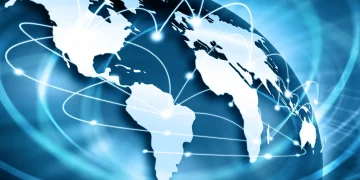
One of the major constraints of traditional marketing is its limited reach. A TV commercial or print ad has a specific airing time or publishing schedule, while digital marketing operates 24/7, across time zones and borders. This means your business can connect with potential customers in different parts of the world, at any time of day.
Whether it’s through an automated email marketing campaign, a website that’s accessible globally, or social media content that can be viewed anywhere, digital marketing keeps your brand active and engaged around the clock.
Challenges in Transitioning from Traditional to Digital Marketing
While the benefits of digital marketing are clear, the transition from traditional to digital can be daunting for some businesses. Let’s explore some of the challenges you might face.

1. Learning Curve and Skillset
For businesses that have been using traditional marketing for years, digital marketing may seem overwhelming. From understanding SEO to creating effective social media ads, the learning curve can be steep. However, there are many online courses, workshops, and resources available that can help businesses build their digital marketing knowledge and skills.
2. Resource Allocation
Shifting from traditional to digital marketing may require reallocating resources, both in terms of time and budget. This could involve hiring new staff, working with digital marketing agencies, or investing in new tools and technologies. For smaller businesses, this might seem like a significant investment, but the long-term benefits will outweigh the initial costs.
3. Integration with Existing Strategies
Traditional and digital marketing don’t have to be mutually exclusive. In fact, the most successful marketing strategies integrate both. While digital marketing offers numerous advantages, traditional marketing can still play a valuable role in some cases. The key is finding the right balance that suits your business and your customers.
How to Make the Transition Smoothly
If you’ve decided that it’s time to transition to digital marketing, here are some steps to help you make the shift with confidence:
1. Define Your Goals and Strategy
The first step in transitioning to digital marketing is to clearly define your goals. What do you hope to achieve with digital marketing? Are you looking to increase brand awareness, drive website traffic, generate leads, or boost sales? Once you have a clear goal in mind, you can develop a strategy tailored to your objectives.
2. Invest in Learning and Training
Digital marketing requires a different skill set than traditional marketing. Invest in training for yourself and your team to ensure you’re equipped with the knowledge and tools needed to succeed in the digital space. Whether it’s taking an online course or hiring a digital marketing consultant, the investment in education will pay off in the long run.
3. Start Small and Scale Gradually
You don’t have to abandon traditional marketing altogether—start by incorporating digital marketing into your existing strategy. For example, you could begin with social media advertising, email marketing, or pay-per-click campaigns before diving into more complex areas like SEO or content marketing. As you get more comfortable with digital marketing, you can gradually scale your efforts.
4. Measure and Adjust
As you implement digital marketing campaigns, it’s essential to measure their effectiveness. Use analytics tools to track your performance and adjust your campaigns accordingly. Digital marketing allows for constant refinement, so don’t be afraid to test different strategies and approaches.
Conclusion: Is It Time?
The answer to the question “Is it time to transition from traditional to digital marketing?” is likely yes—at least in part. Digital marketing offers businesses unparalleled opportunities to reach, engage, and convert customers. While traditional marketing methods still have their place, the power and potential of digital marketing are undeniable.
By embracing digital marketing, businesses can not only stay relevant in an increasingly connected world but also unlock new levels of growth and success. The key is to make the transition thoughtfully, start small, and continually learn and adapt. With the right approach, digital marketing can be the key to taking your business to the next level.