





Introduction:
In a world that’s constantly plugged in, where connectivity and real-time updates dictate much of our lives, there’s a peculiar allure to the idea of being completely “off the grid.” Imagine a place so untouched by modernity, so isolated from the global conversation, that it offers an experience unlike any other—a true escape from the chaos. North Korea, officially known as the Democratic People’s Republic of Korea (DPRK), is one such destination, and for many, the idea of it being the ultimate off-the-grid getaway is both fascinating and perplexing.
But could North Korea really provide a truly unique and isolated experience? What does it mean to be “off the grid,” and how does a country that remains largely closed to the outside world fit into this vision of escape? In this article, we explore these questions and more, delving into the appeal, challenges, and ethical considerations of visiting North Korea as a destination that promises to disconnect you from the modern world.
North Korea’s Unique Appeal
1. A Land Preserved in Time
One of the primary reasons why North Korea might qualify as an ultimate off-the-grid destination is its profound isolation from the outside world. Since the Korean War (1950-1953), North Korea has remained under a strict regime with limited foreign influence. The result? A nation frozen in time, where many aspects of life resemble the mid-20th century.
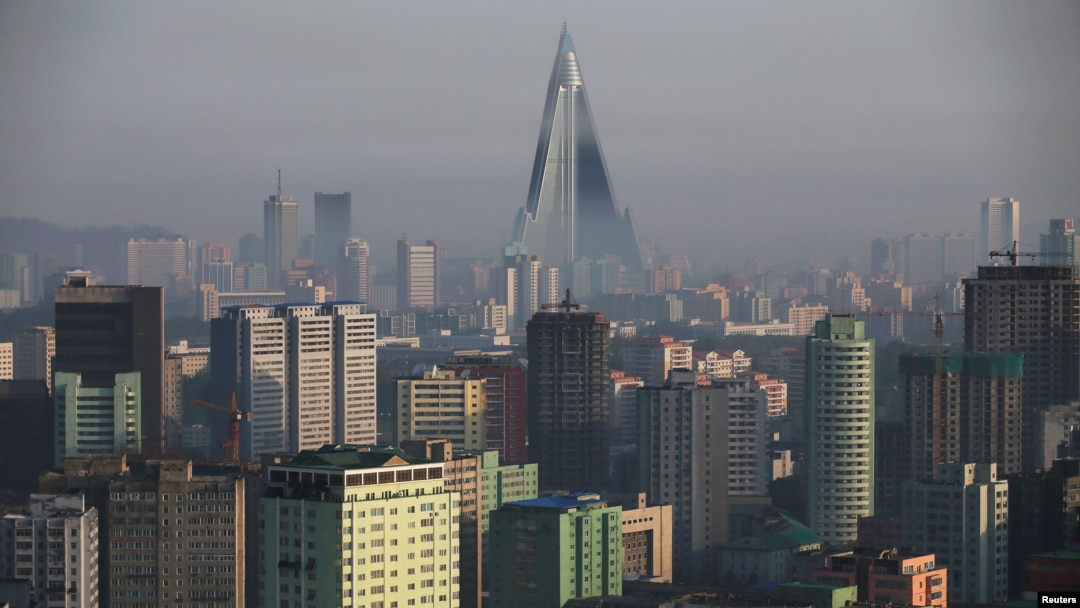
The lack of modernization in major cities like Pyongyang and the limited presence of global corporations means that the landscape and lifestyle are untainted by the typical influences of globalization. When you visit North Korea, you’re stepping into a place that hasn’t been reshaped by the Internet, social media, or the consumer culture so pervasive in the rest of the world. For those seeking a true break from the modern world, this “time capsule” experience offers a unique sense of detachment.
2. Disconnect from Digital Life
In an age where most of us are tethered to our smartphones and the Internet, North Korea’s strict regulations around digital technology offer an opportunity for digital detox in its purest form. The country maintains a near-total ban on foreign devices such as laptops, tablets, and smartphones, meaning that visitors cannot connect to global networks. Internet access is limited to an intranet, which is heavily controlled and censored.
In this sense, visiting North Korea is the ultimate escape from the digital age. No emails, no social media, and no distractions from the outside world—just pure immersion in a reality where time and space operate at their own pace.
3. Unfiltered Views of Political Culture
North Korea’s political landscape is both a spectacle and a source of mystery for many. With a government that has created a carefully curated, centralized vision of its ideology, North Korea is unlike any other nation in terms of how its citizens interact with the world and how outsiders interact with its people. The tightly controlled narrative surrounding the regime and the personality cult of Kim Jong-un create a unique, almost surreal atmosphere for visitors.
For some travelers, visiting North Korea provides an opportunity to witness a society that is starkly different from their own. The restrictions and the intensity of state-sponsored propaganda might seem overwhelming, but they also create an experience that feels like stepping into another world—a world where outside influences have little to no role in shaping public discourse.

A Journey into the Heart of Isolation
4. Limited Tourism: The Enigmatic Experience
North Korea is not a typical tourist destination. The country operates under a tightly controlled tourism model, with all visits requiring approval from the government and guided tours led by government-sanctioned officials. Visitors are often restricted to designated areas, and their itineraries are closely monitored. This restricted access is part of what contributes to North Korea’s off-the-grid appeal.
For those seeking adventure in its most pure and unfiltered form, North Korea offers the ultimate challenge. The limited tourism infrastructure means that the country is not overrun with international tourists, maintaining its authenticity and sense of mystery. Tourists are required to travel in groups with approved guides, which can sometimes result in an unnervingly controlled experience. However, the rewards of stepping into a nation so closed off from the rest of the world are often perceived as unparalleled.
5. A New Frontier for Exploration
Though North Korea is one of the most secretive countries in the world, it is not without its allure as an exploration frontier. For some travelers, the country offers the opportunity to experience the unknown—to step foot in a land that is rarely seen by outsiders and whose landscapes, culture, and history remain largely off-limits to the global public.
From the misty mountains to the desolate, sprawling fields, North Korea offers natural beauty that has yet to be fully explored by the mainstream tourist. It’s a place where the raw, unspoiled landscape allows visitors to feel as though they are truly discovering something new and untouched. While the country is notorious for its strict regulations, for many, the mere act of being able to experience such a remote location firsthand is the ultimate reward.
The Challenges and Realities of Visiting North Korea
6. Navigating the Political Landscape
While North Korea offers a sense of being truly off the grid, it is important to consider the complexities of the political environment. Visitors are required to adhere strictly to local laws and regulations, and any violation can lead to serious consequences. Additionally, the government’s surveillance of foreign visitors means that tourists are always under scrutiny.
For many, this level of control can be unsettling. The “off-the-grid” experience comes with a significant dose of discomfort, especially for those who are accustomed to the freedoms and privacy afforded by most other nations. Moreover, the potential for government surveillance means that anything visitors say or do may be closely monitored. While some find this intriguing or part of the adventure, others may feel a heightened sense of unease.
7. Ethical Considerations: Is it Right to Visit?
One of the most important questions surrounding tourism in North Korea is whether it is ethical to visit a country with such a controversial regime. The government has long been accused of severe human rights violations, including censorship, forced labor, and suppression of political dissent. By visiting North Korea, travelers may inadvertently contribute to the regime’s propaganda machine, which can be a point of moral contention.
On the other hand, some argue that tourism in North Korea can promote a greater understanding of its people and culture, offering a way to foster dialogue and break down misconceptions. There is also the argument that tourism can offer economic benefits to ordinary North Koreans, though the extent to which this is true remains up for debate.
Ultimately, the question of whether it is ethical to visit North Korea hinges on personal values and the motivations for doing so. It is vital that potential travelers weigh the pros and cons, considering both the potential benefits and the potential harms of engaging with such a controversial destination.
Is North Korea the Ultimate Off-the-Grid Destination?
8. The Paradox of Isolation
In many ways, North Korea embodies the very definition of being “off the grid”—isolated, restricted, and disconnected from the modern world. Yet, the very act of visiting the country requires engagement with its state apparatus, its rigid structure, and its controlled narrative. The contradiction is striking: a destination that offers escape through isolation also demands strict adherence to its own rules and expectations.
For some, this paradox is part of the allure. They are drawn to the idea of experiencing a place where the modern world has little to no influence, where time feels as though it has slowed down, and where the constraints of society are removed. However, for others, the lack of freedom and the ethical questions surrounding the regime may overshadow the appeal of such an isolated destination.
9. Conclusion: A Rare Experience for the Brave
In the end, North Korea’s unique combination of political control, historical preservation, and natural beauty presents it as a truly rare off-the-grid destination. It is not for everyone, and it comes with significant risks, challenges, and ethical considerations. But for those who are willing to embrace the isolation, endure the restrictions, and navigate the complex political terrain, it offers a kind of adventure that is hard to find elsewhere in the world.
Whether North Korea is the ultimate off-the-grid destination is subjective. For some, it’s an unparalleled opportunity to disconnect completely from the modern world. For others, it’s a controversial and uncomfortable choice. What’s undeniable is that North Korea’s unique nature and the profound sense of isolation it offers provide an experience that is truly unlike any other.