









The Swiss Alps: a majestic chain of mountains stretching across Switzerland, renowned for their scenic beauty, towering peaks, and their ability to attract millions of tourists each year. For many, they are synonymous with world-class ski resorts, but to reduce the Swiss Alps to merely a skiing destination would be to overlook the full depth of what these mountains offer. In reality, the Swiss Alps are a vibrant ecosystem, a cultural hub, a hiking haven, and a gateway to some of the most awe-inspiring natural landscapes on the planet. They are not just a playground for winter sports enthusiasts but a year-round destination, rich in history, adventure, and unique experiences.
A Natural Wonder
When we think of the Swiss Alps, images of snow-capped peaks dominate our minds. However, the true beauty of these mountains lies in their astonishing diversity. The Swiss Alps are home to some of the highest and most recognizable peaks in Europe, including the Matterhorn and the Jungfrau. These mountains, formed over millions of years through tectonic activity, are a natural marvel that continues to draw geologists, photographers, and outdoor enthusiasts alike.
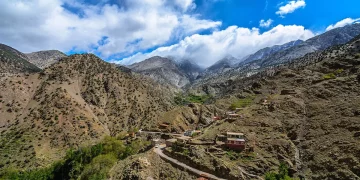
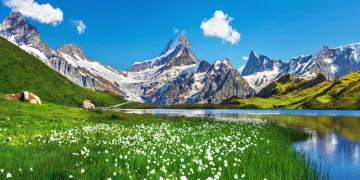
The Alps stretch over 1200 kilometers across Switzerland and are home to over 48 peaks exceeding 4,000 meters in height, including the Dufourspitze, the highest point in Switzerland. But the real beauty of the Alps lies not just in their towering heights but also in their dramatic landscapes. The contrast between steep, rocky cliffs and lush valleys dotted with quaint villages creates a striking and picturesque backdrop.
In the valleys, the air is thick with the smell of pine trees and the refreshing scent of alpine wildflowers in the summer months. Lakes such as Lake Geneva, Lake Lucerne, and Lake Zurich lie at the base of these towering mountains, their waters shimmering beneath the sun. These lakes offer some of the most serene views, often framed by the snowy peaks on the horizon, a sight to behold year-round.
Hiking, Climbing, and Exploring
While skiing may dominate the winter months, the Swiss Alps transform into a hiker’s paradise during the warmer months. Over 65,000 kilometers of marked hiking trails wind through the mountains, offering hikers everything from easy scenic strolls to challenging alpine ascents.
One of the most famous trekking routes is the Haute Route, which stretches from Chamonix, France, to Zermatt, Switzerland. This trail traverses some of the most dramatic landscapes of the Swiss Alps, with majestic glaciers, high-altitude meadows, and panoramic views of some of the tallest peaks in Europe. For those seeking a more leisurely experience, the Gornergrat Railway offers breathtaking views of the Matterhorn without the effort of a strenuous hike.
Mountaineering is another activity that draws adventurers to the Swiss Alps. The region’s glaciers and rocky ridges offer challenging routes for both beginner and experienced climbers. Many of the world’s most iconic mountain expeditions, such as the first ascent of the Matterhorn in 1865, took place in these peaks. Today, alpine climbing remains a popular pursuit, attracting climbers from around the world eager to conquer the heights of these majestic mountains.
For those seeking something a little different, the Swiss Alps are also a hub for paragliding. The region’s stunning landscapes make it one of the best places in the world to take off into the sky. Whether soaring above the valleys or gliding along the ridges, the views from above offer a completely unique perspective of the region’s beauty.

A Hub of Swiss Culture
The Swiss Alps are more than just a natural wonder; they are an integral part of Switzerland’s identity and culture. The region is home to a rich history that has shaped the Swiss way of life and left a lasting imprint on the world.
Swiss culture is heavily influenced by the alpine way of life. For centuries, mountain farming has been the backbone of the economy in many alpine regions. Small villages perched on steep slopes still maintain traditional farming practices that have been passed down through generations. These villages are often home to small artisan cheese dairies, where you can sample some of the world’s best cheeses, such as Gruyère, Emmental, and the famous Swiss fondue.
The region is also home to charming alpine architecture, from traditional wooden chalets to grand mountain hotels. These buildings reflect the simple, yet sophisticated, alpine lifestyle. Visitors will find themselves wandering cobbled streets lined with quaint shops selling locally made handicrafts, alpine gear, and specialty foods. The art of wood carving, for example, is alive and well in the Swiss Alps, with intricate carvings adorning everything from Swiss clocks to furniture and souvenirs.
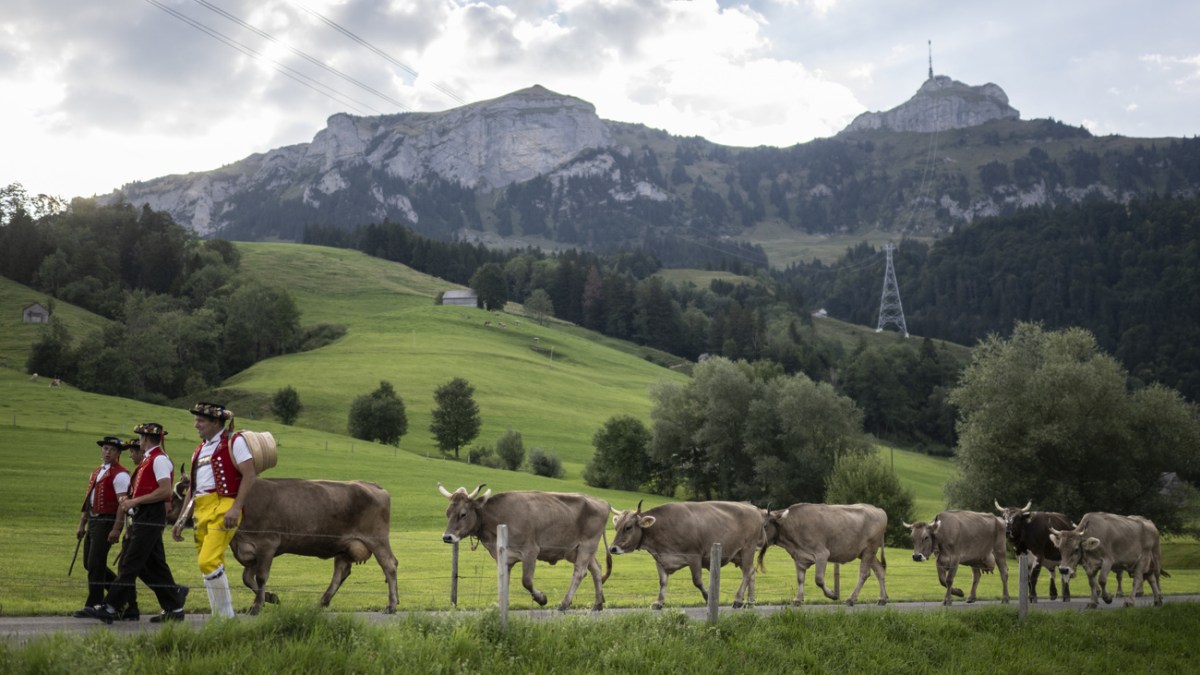
Swiss traditions and festivals also take center stage in the Swiss Alps. Alpine festivals are a vibrant celebration of local heritage, including the famous cow parades in the fall when herders bring their cattle down from the high pastures for the winter. The Alphorn (a traditional long wooden horn) is another iconic symbol of Swiss culture and often features in performances during local celebrations.
The influence of the Alps on Swiss culture extends to its art, music, and literature. From the romantic poetry of Johann Wolfgang von Goethe to the modernist writings of Swiss authors, the mountains have inspired generations of creatives. Alpine music, too, has its own distinct sound, with yodeling being one of the most famous and recognizable musical styles to emerge from this region.
A Year-Round Destination
While the winter months are synonymous with skiing and snowboarding, the Swiss Alps are truly a year-round destination. Each season brings its own unique appeal. In spring and summer, the snow begins to melt, revealing lush green meadows, vibrant wildflowers, and clear mountain streams. The alpine flora and fauna come to life, attracting photographers and nature lovers from around the world.
Autumn is another spectacular time to visit the Swiss Alps. The forests turn golden, creating a magical atmosphere as the mountain air cools. The landscapes become a canvas of orange, red, and yellow hues. This is the perfect time to enjoy mountain biking, wildlife watching, or simply soaking in the beauty of nature as it transitions into winter.
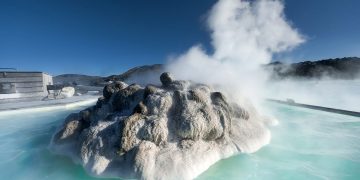
In the winter months, the Swiss Alps truly come alive as a skier’s paradise, with renowned resorts such as Zermatt, St. Moritz, Verbier, and Davos offering world-class slopes. But beyond skiing, these regions offer a range of other activities, from snowshoeing and dog sledding to winter hiking and ice climbing. Many resorts also offer spa experiences, with thermal baths and wellness centers built into the mountain landscape, perfect for relaxing after a day on the slopes.
The Swiss Alps and Sustainability
In recent years, sustainability has become a key issue in the Swiss Alps. The region’s beauty is also its fragility, and preserving the natural environment is crucial for future generations. Ecotourism has gained popularity in the Swiss Alps, with a focus on responsible travel practices that respect the mountains and local communities.
Efforts have been made to promote sustainable tourism by reducing the carbon footprint of mountain resorts and encouraging visitors to engage with nature in a responsible manner. Many resorts now offer electric vehicle rentals, use solar energy, and encourage hiking and cycling as eco-friendly alternatives to driving. The Swiss government, alongside local communities, has implemented strict environmental regulations to protect the region’s unique ecosystems and wildlife.
The rise of green hotels and sustainable dining options also reflects the growing demand for eco-conscious travel. Many of these accommodations utilize local materials, have eco-friendly building practices, and even offer organic, locally-sourced meals.
Conclusion
The Swiss Alps are far more than just a collection of ski resorts. They are a rich tapestry of natural beauty, cultural heritage, adventure, and sustainability. Whether you’re an adrenaline junkie seeking the thrill of the mountains, a nature lover exploring the landscape, or someone wanting to immerse themselves in Swiss culture, the Swiss Alps offer a wide variety of experiences that cater to every interest.
The true essence of the Swiss Alps lies not just in the peaks themselves but in the way they connect us with the natural world, inspire creativity, and offer a refuge for those looking to escape from the hustle and bustle of modern life. These mountains, with their breathtaking landscapes and timeless charm, stand as a reminder of the incredible power of nature and the importance of preserving these wonders for future generations.