










Cheese is one of the oldest human-made foods, with a history stretching back over 7,000 years. From the rich, crumbly texture of aged Parmesan to the creamy complexity of a well-ripened Camembert, the relationship between cheese and aging is a fascinating one. The transformation that occurs as cheese matures is a combination of science, art, and environmental factors, which together bring out new flavors, textures, and aromas that are often absent in their younger counterparts. So, why are some cheeses better with age? To answer this question, we need to understand the intricacies of cheese-making and the various factors that influence the aging process.
The Science Behind Cheese Aging
Cheese aging, or affinage, is a process in which cheese undergoes biochemical changes over time. The basic ingredients in cheese—milk, bacteria, rennet, and salt—begin to transform when they interact under specific conditions. The length of aging, temperature, humidity, and the type of microorganisms involved all play significant roles in determining the final taste and texture of the cheese.
Enzymatic and Microbial Activity
As cheese ages, it experiences both enzymatic and microbial activity. The proteins and fats in the milk start to break down through the action of enzymes, primarily from the rennet used during cheese-making. Proteins, for example, break into smaller peptides and amino acids, which contribute to the development of complex flavors. Over time, certain cheeses develop a deeper umami flavor, a savory quality that’s often associated with well-aged cheeses.
Meanwhile, bacteria, yeast, and molds naturally present in the cheese, or introduced during the cheese-making process, continue to work on the cheese as it ages. In soft cheeses like Brie or Camembert, mold may begin to grow on the surface, contributing to the characteristic rind. This microbial activity is vital for creating the flavor complexity and texture changes we associate with aged cheeses.
Moisture Loss and Texture
One of the most noticeable changes in aged cheeses is the texture. As cheese ages, moisture evaporates from it, which leads to a firmer, drier texture. In hard cheeses like Cheddar or Gouda, this moisture loss contributes to the cheese becoming crumblier and more granular. The longer the cheese ages, the more pronounced the texture becomes, with older cheeses often having a grainy or crystalline structure.
These changes in texture are crucial because they also affect the way the cheese interacts with your palate. Aged cheeses tend to have a more concentrated flavor, and their firmer texture allows for slower release of these flavors as you chew.
Factors That Influence Cheese Aging
While the science behind aging is important, the specific conditions under which a cheese matures can vary greatly. Several factors influence the aging process, from the milk used to the environment in which the cheese is stored.
Milk Type and Composition
Cheese aging starts with the milk. Cow, goat, sheep, or buffalo milk all contain different levels of fat, protein, and moisture, and these factors directly affect the texture and aging potential of the cheese. For example, goat’s milk tends to have a higher acidity, which can lead to sharper flavors in aged cheeses. Sheep’s milk, on the other hand, is richer in fat, often producing creamy textures and more robust flavors when aged.
The milk’s composition—whether it’s raw or pasteurized—also impacts aging. Raw milk cheeses, which are less processed, often develop more complex flavors over time compared to pasteurized milk cheeses. This is because raw milk maintains a greater diversity of microorganisms, which can help accelerate the fermentation and aging process.
The Role of Rennet
Rennet is an enzyme that causes milk to coagulate and separate into curds and whey. There are two types of rennet used in cheese-making: animal-derived rennet and vegetable rennet. Animal-derived rennet comes from the stomach lining of young ruminants, while vegetable rennet is typically sourced from plants like thistle or fig. The type of rennet used can influence the aging process, with some rennets contributing subtle differences in the texture and flavor of the final cheese.
The Environment of Aging
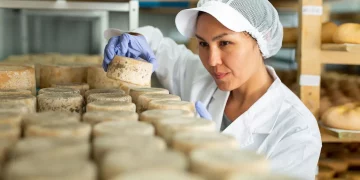
The specific conditions in which cheese is aged—temperature, humidity, and air circulation—can dramatically impact its development. Cheese aging rooms (or caves) are carefully controlled environments designed to allow the cheese to mature in optimal conditions.
For example, cheeses like Parmigiano-Reggiano are traditionally aged in cool, humid environments, which helps the cheese lose moisture slowly while still encouraging the development of complex flavors. Conversely, cheeses like Gouda are often aged in drier, warmer conditions, which leads to a firmer, more crystalline texture.
In some cases, the cheese is washed with brine, beer, or wine during the aging process, which can create a unique flavor profile. This practice is commonly seen with cheeses like Limburger or Munster, where the washing of the rind helps encourage the growth of specific bacteria that impart a distinctive flavor.
The Role of Mold and Bacteria
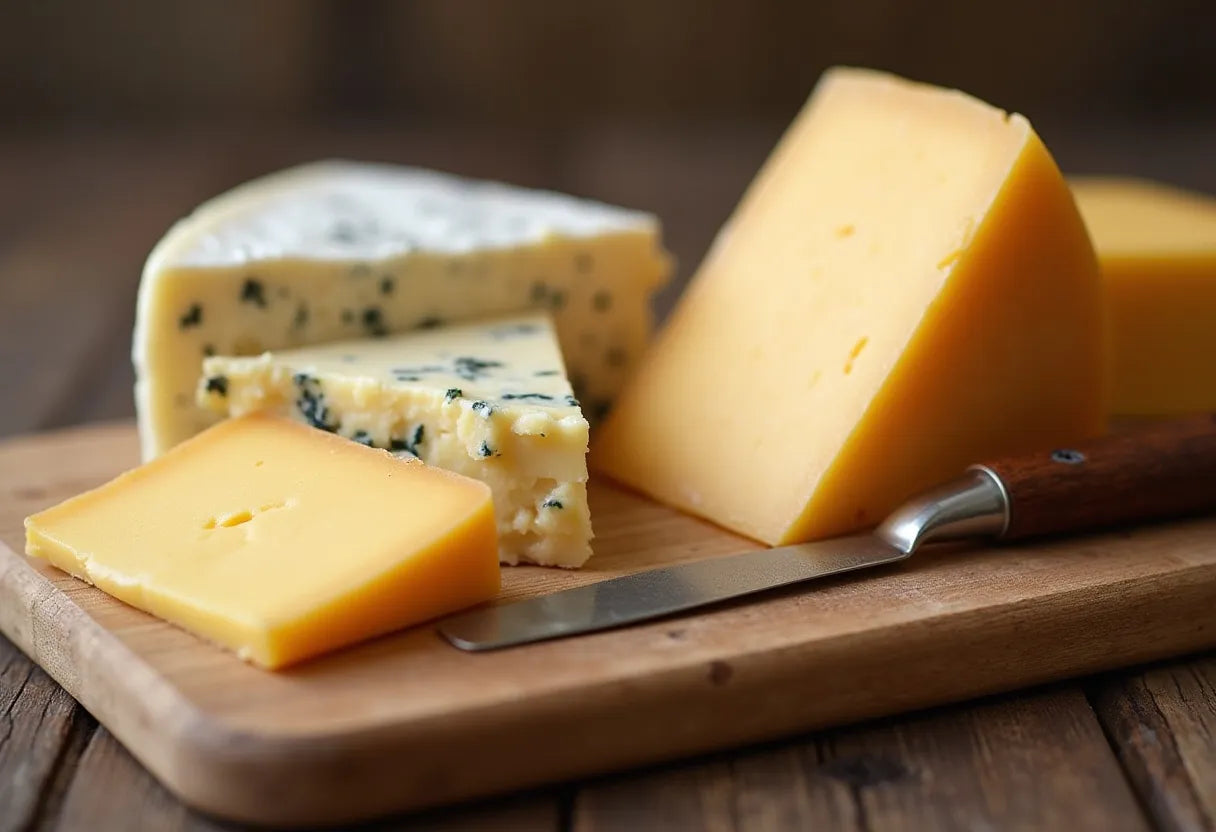
For certain cheeses, molds and bacteria play a major role in flavor and texture development. A good example is the blue veins that run through cheeses like Roquefort or Stilton. These cheeses rely on the introduction of specific molds (Penicillium roqueforti or Penicillium glaucum) to develop their signature blue veins. These molds produce enzymes that break down the fats and proteins in the cheese, leading to an intensely pungent and tangy flavor profile.
In other cheeses, molds such as Penicillium camemberti or Geotrichum candidum create a white, bloomy rind. This rind protects the cheese from spoilage and encourages the breakdown of the cheese’s interior, resulting in the creamy texture of a Brie or Camembert. The bacteria and molds that grow on the surface or throughout the cheese help to develop the complex flavor and aromas associated with many aged cheeses.

The Influence of Time
It’s often said that time is the ultimate ingredient in cheese aging. As cheese matures, it loses moisture and undergoes further microbial and enzymatic activity. The longer a cheese is aged, the more intense the flavors tend to become. Aged Cheddar, for instance, has a sharper, more pronounced flavor than its younger counterpart, which is milder and creamier.
The aging process can be divided into stages. Early on, cheese is often milder, with the milk’s inherent sweetness and creaminess shining through. As time passes, the cheese begins to develop a deeper, more complex flavor profile. Depending on the cheese, this might mean an increase in savory, nutty, or even spicy notes. For example, aged Gruyère may develop sweet, caramel-like undertones, while Parmigiano-Reggiano can become more umami-rich, with notes of toasted nuts and brown butter.
Interestingly, some cheeses reach a point where further aging results in diminishing returns. Over-matured cheeses may lose their complexity and turn overly dry, brittle, or overly sharp. That’s why cheese producers often determine a “sweet spot” for aging, balancing flavor development with texture and moisture content.
Why Some Cheeses Are Better with Age
The reason some cheeses are better with age lies in the combination of chemistry, biology, and craftsmanship. As cheeses age, they go through a transformation, and the longer this transformation continues, the more developed the flavors become. Aging allows for the breakdown of proteins and fats, which leads to the creation of new compounds that contribute to a more complex, nuanced flavor profile.
Additionally, the loss of moisture intensifies the remaining flavors, while the breakdown of fats and proteins creates a smoother, creamier texture or a crumblier, more granular consistency. The result is often a cheese that is more dynamic and interesting than its younger counterpart.
Moreover, aging is not just about the passage of time—it’s about control. Cheese-makers can manipulate the aging process through careful environmental factors such as temperature, humidity, and air circulation. The role of molds, bacteria, and yeasts also helps create distinctive flavors that wouldn’t be present in younger cheeses. Essentially, aging allows for a deeper expression of the cheese’s character.
Conclusion
Aging cheese is a delicate balance of nature and science. The transformation that occurs as cheese matures is the result of a complex interplay of microbial activity, enzymatic breakdown, moisture loss, and environmental factors. The end result is often a product that is more flavorful, aromatic, and texturally interesting than its younger counterparts. While not all cheeses benefit from aging, many—especially hard and semi-hard varieties—reach their peak flavor and texture after months or even years of maturation.
Understanding the aging process behind cheese is like uncovering a hidden world of flavors, aromas, and textures that would otherwise remain undiscovered. So, the next time you enjoy a piece of well-aged cheese, remember that its complexity is the result of time, careful craftsmanship, and an ongoing relationship between nature and the art of cheese-making.