










Cooking is both an art and a science. While chefs often make it look effortless, the delicate balance of heat, time, and ingredients is where true flavor magic happens. But here’s a little secret: the temperature at which you cook plays an enormous role in how your food tastes. Whether you’re grilling, searing, baking, or simmering, getting the temperature just right can elevate your meal from good to extraordinary.
In this article, we’ll explore why temperature matters, how different cooking methods influence flavor, and how you can harness the power of heat to create the best dishes possible. So, let’s dive into the sizzling world of temperature control in cooking!
The Science of Heat and Flavor
Before we get into the specifics of cooking temperatures, let’s quickly touch on the science behind heat and flavor. When heat is applied to food, chemical reactions occur, transforming raw ingredients into the delicious, mouth-watering dishes we love. These reactions include:
- Maillard Reaction: This is the browning reaction that occurs when sugars and amino acids in food react under heat, creating complex, savory flavors. It’s what gives grilled steak or toasted bread its deep, rich taste.
- Caramelization: The process where sugar molecules break down under heat, producing sweet, nutty flavors. Think about the rich, golden crust on a caramelized onion or the sweetness in a perfectly roasted vegetable.
- Protein Denaturation: Heat causes proteins in meat, eggs, and dairy to unfold and bond in new ways, changing their texture and making them more flavorful.
Understanding these reactions is key to mastering temperature. The temperature you choose determines how much of these reactions occur, and in what way, which directly impacts the texture and flavor of your food.
The Ideal Temperature Range for Common Cooking Methods
Each cooking method has its own ideal temperature range that can bring out the best in your ingredients. Here’s a breakdown of common cooking methods and the best temperature ranges for each.
1. Grilling and Searing: High Heat, Big Flavor
When grilling or searing, you’re aiming for high heat to create a flavorful, crispy exterior while keeping the inside juicy. The high temperature ensures a quick Maillard reaction, which is essential for rich, umami flavors.
- Grilling temperature: 450°F to 500°F (232°C to 260°C)
- Searing temperature: 400°F to 450°F (204°C to 232°C)
For meats like steak, burgers, and chicken, this high heat helps lock in moisture while developing a flavorful crust. Just be sure not to overdo it—cooking at excessively high temperatures can lead to a burnt outside and an undercooked inside.
2. Roasting and Baking: Moderate Heat for Even Cooking
:max_bytes(150000):strip_icc()/meat-temp-chart-and-safety-tips-3056800_FINAL-5c6ed3b346e0fb00014ef553.png)
Roasting and baking require a moderate heat that allows food to cook evenly and develop a rich, deep flavor. Vegetables, meats, and even baked goods benefit from this steady, enveloping heat. While the ideal temperature can vary depending on the specific dish, most roasted items should be cooked at temperatures between 325°F and 450°F (163°C to 232°C).
- Roasting temperature: 375°F to 425°F (190°C to 220°C)
- Baking temperature: 325°F to 375°F (163°C to 190°C)
A golden brown exterior, caramelized sugars, and tender interiors are the hallmarks of well-roasted food. The slow, even heat distribution allows the Maillard reaction to work its magic while preventing burning.
3. Simmering and Stewing: Low and Slow for Tenderness
Simmering and stewing rely on lower temperatures to coax out the full flavor of ingredients without overcooking or toughening them. The gentle heat helps break down fibers in meats and vegetables, resulting in tender textures and rich, complex flavors.
- Simmering temperature: 185°F to 205°F (85°C to 96°C)
- Stewing temperature: 180°F to 200°F (82°C to 93°C)
For soups, stews, and sauces, simmering at the right temperature allows ingredients to release their flavors into the broth or sauce without turning mushy. It’s a slow process, but one that rewards you with deeply flavorful dishes.
4. Poaching: Gentle Heat for Delicate Ingredients
Poaching is a delicate cooking method used primarily for eggs, fish, poultry, and fruits. The goal here is to cook food gently, without causing it to break apart or toughen.
- Poaching temperature: 160°F to 180°F (71°C to 82°C)
Since the food is submerged in water or broth, it cooks slowly and evenly. Poaching allows the natural flavors of the food to shine through while maintaining moisture and tenderness.
5. Frying: Crisp and Golden at the Right Heat
Frying is a method that depends on very hot oil to cook food quickly, resulting in a crisp, golden exterior and a tender interior. Whether you’re deep-frying, shallow frying, or stir-frying, oil temperature is crucial.
- Deep-frying temperature: 350°F to 375°F (175°C to 190°C)
- Shallow frying temperature: 325°F to 375°F (163°C to 190°C)
- Stir-frying temperature: 375°F to 400°F (190°C to 204°C)
Frying at the right temperature prevents greasy, soggy food while ensuring that the outer layer crisps up perfectly. Too low, and the food absorbs too much oil; too high, and it may burn before the inside cooks through.
6. Sous Vide: Precision Cooking for Perfect Results
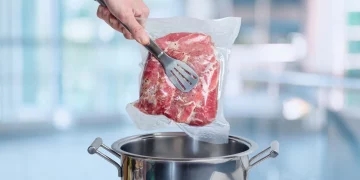
Sous vide cooking is all about precision, where food is sealed in a vacuum bag and cooked in a water bath at a very controlled temperature. This method is great for meats, vegetables, and even eggs, as it allows for even cooking and excellent flavor retention.
- Sous vide temperature: 120°F to 185°F (49°C to 85°C), depending on the dish
Sous vide is a game-changer for tenderness and flavor. Cooking at lower temperatures for long periods helps meat retain its juices, while vegetables maintain their natural sweetness.

How to Control Temperature in Your Kitchen
Knowing the right cooking temperatures is only half the battle; controlling temperature in your kitchen is where the real skill comes in. Whether you’re using a stovetop, oven, grill, or even a slow cooker, mastering temperature control is essential to achieving your desired results.
1. Invest in a Good Thermometer
A digital instant-read thermometer is your best friend when cooking meat, baked goods, or any dish where precise temperature control is key. It takes the guesswork out of cooking, ensuring your food reaches the perfect temperature every time.
- For meats, aim for:
- 145°F (63°C) for medium-rare steak
- 160°F (71°C) for ground meats
- 165°F (74°C) for poultry
- For baked goods:
- 190°F (88°C) for bread
- 200°F (93°C) for cakes
2. Preheat Your Oven and Pan
One of the most common mistakes in cooking is not allowing your oven or pan to fully preheat before cooking. Whether you’re baking cookies, roasting vegetables, or searing meat, a preheated pan ensures that the food starts cooking immediately at the correct temperature.
- For ovens, always preheat at least 10-15 minutes before placing food inside.
- For pans, allow them to heat for several minutes before adding your ingredients.
3. Adjust Cooking Times Based on Altitude and Environment
Did you know that cooking times and temperatures can vary based on your altitude? At higher elevations, water boils at lower temperatures, so you may need to adjust your cooking times or temperatures slightly to compensate. The same goes for cooking in humid environments, where moisture can affect heat distribution.
The Bottom Line: Temperature Is Key to Flavor
As we’ve explored, cooking at the right temperature is essential for maximizing flavor. Whether you’re creating a crispy sear on a steak, roasting vegetables to perfection, or simmering a rich stew, the temperature you use directly impacts the taste and texture of your food.
Mastering the art of temperature control takes practice, but it’s well worth the effort. By understanding the science behind heat and flavor and using the right temperatures for different methods, you’ll be able to elevate your cooking and impress your guests with perfectly cooked meals every time.