










When it comes to kitchen cookware, two heavyweights often emerge in the discussion: cast iron pans and non-stick pans. These kitchen staples each have their strengths, but when it comes to professional kitchens and culinary experts, cast iron tends to steal the spotlight. From chefs on TV shows to those working behind the scenes in Michelin-starred restaurants, cast iron often finds its way into their daily repertoire, while non-stick pans sit on the shelf.
But why? What makes cast iron so much more appealing to chefs? It’s not just about tradition or nostalgia—there’s an array of reasons that professionals favor cast iron over its sleek, modern counterpart. In this article, we’ll explore the key reasons why cast iron pans hold a special place in the hearts (and kitchens) of chefs around the world.
1. Exceptional Heat Retention and Distribution
One of the most significant advantages of cast iron is its superior heat retention. Once a cast iron pan reaches a high temperature, it holds onto that heat incredibly well. This makes it perfect for tasks that require even, consistent heat, like searing meat, caramelizing onions, or browning bread.
In contrast, non-stick pans, which are typically made from aluminum or other metals, can lose heat quickly when food is added or the heat is turned down. As a result, food can cook unevenly, and chefs may struggle to maintain precise control over their cooking. With cast iron, however, the heat distribution is more uniform, which gives chefs confidence that their dishes will turn out as expected every time.
For high-heat cooking techniques like frying or searing, cast iron’s heat retention ensures a perfectly browned crust or crisp exterior, without having to worry about the pan cooling down too rapidly.
2. Versatility in Cooking
Cast iron pans can go from stovetop to oven without any problem. They can withstand extremely high temperatures and maintain those temperatures evenly throughout the cooking process. This makes cast iron ideal for dishes that require both stovetop cooking and finishing in the oven, such as skillet cornbread, roast chicken, or even frittatas.
Non-stick pans, while great for low-heat tasks like sautéing or scrambling eggs, are not always oven-safe, and they tend to degrade in high-heat environments. Chefs who use cast iron appreciate the seamless transition between various cooking techniques, whether it’s sautéing, frying, baking, or broiling.
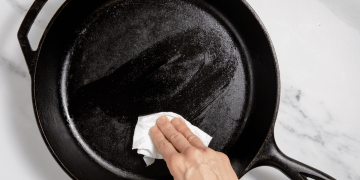
Moreover, cast iron pans develop a “seasoning” over time—a natural, non-stick coating formed by the oils used in cooking. This improves their cooking surface and enhances the flavor of food. As this seasoning builds up, cast iron pans become even better at delivering crispy exteriors and golden-brown finishes.
3. Durability and Longevity
One of the biggest draws of cast iron pans is their durability. With proper care, a well-maintained cast iron skillet can last a lifetime—and even be passed down to future generations. This longevity is a sharp contrast to non-stick pans, which typically have a limited lifespan. Over time, the non-stick coating can wear down, especially if subjected to high heat or improper cleaning. Scratches, peeling, and chipping are common issues with non-stick cookware, making it necessary to replace them frequently.
In professional kitchens, the idea of replacing cookware every few years is not only wasteful but also impractical. Chefs prefer cast iron for its enduring quality, and many chefs argue that the more a cast iron pan is used, the better it gets.
4. Healthier Cooking
The seasoning on a cast iron pan isn’t just for improved cooking performance—it can also offer some health benefits. When properly seasoned, cast iron pans can leach small amounts of iron into food. While this is unlikely to cause any harm, some studies suggest that this additional iron intake may be beneficial for individuals with iron deficiency.
Non-stick pans, on the other hand, often contain chemicals like PTFE (polytetrafluoroethylene), commonly known by the brand name Teflon. Under high heat, these chemicals can break down and potentially release harmful fumes. This is why professional chefs often avoid non-stick pans for high-heat cooking or when using the pans for extended periods of time.
:max_bytes(150000):strip_icc()/butter-basted-pan-seared-steaks-recipe-step-03-3024420bf23746aca7fe479ca87840d1.jpg)
While the risks associated with non-stick cookware are relatively low when used properly, many chefs feel more comfortable cooking with cast iron, especially for longer cooking sessions or at high temperatures.
5. Aesthetic Appeal and Cooking “Character”
There’s something undeniably satisfying about cooking with a cast iron skillet. The dark, matte finish of cast iron, the satisfying weight, and the sound of food sizzling in a hot pan create a culinary experience that feels more connected to the food being prepared. Chefs who favor cast iron often mention the “feel” of the pan—it offers tactile feedback that makes the cooking process more engaging.
Additionally, cast iron pans, over time, develop what is called “patina”—a natural layer of seasoning built from repeated cooking. This seasoning adds character to the pan and to the cooking experience. Every time a chef uses the pan, it becomes a part of the dish’s history. The longevity and evolving nature of a well-used cast iron skillet imbue the cooking process with a sense of tradition and craftsmanship.
In contrast, non-stick pans have a more sterile, impersonal feel. They don’t develop any history or character over time. While they are functional and easy to clean, they lack the charm and personality that many chefs appreciate in their tools.
6. Environmental Considerations
Another reason why cast iron is often the preferred choice for many chefs is its environmental impact. Cast iron pans, when properly cared for, can last for generations, which is a stark contrast to non-stick pans, which often need to be replaced every few years. Non-stick pans, especially those made with synthetic coatings, contribute to more waste and are not always recyclable.

Furthermore, as awareness of sustainability increases, chefs are increasingly turning to tools that will last longer and leave less of a carbon footprint. Cast iron, being a naturally occurring material, can be a more eco-friendly option compared to pans made with synthetic chemicals or plastic components.
7. Flavor Development
As mentioned earlier, cast iron pans develop seasoning over time. But it’s not just the physical properties that enhance cooking—it’s the flavor. Cast iron contributes to the flavor profile of dishes in a way that non-stick pans can’t. Because cast iron retains and radiates heat more effectively, it caramelizes and browns food to a greater extent. This enhances the Maillard reaction (the chemical process that creates flavor when food is browned), which is responsible for creating rich, complex flavors in cooked food.
Non-stick pans, while excellent at preventing food from sticking, are not conducive to the same level of browning. They are also typically made from materials that don’t conduct heat as effectively as cast iron, resulting in a less flavorful cooking process. When chefs use cast iron, they often remark on how the pan itself “adds” to the flavor, creating deeper, more nuanced dishes.
8. Cost Efficiency
While cast iron pans may have a higher initial cost than non-stick pans, their durability and longevity often make them more cost-effective in the long run. Non-stick pans, as mentioned, need to be replaced frequently due to wear and tear, while cast iron pans can last for decades with proper care. Many chefs consider the cost of a high-quality cast iron pan an investment in their kitchen’s future, as it will continue to deliver great results for years to come.
9. The Chef’s Connection to Tradition
Chefs don’t just cook with cast iron because of its practical benefits—they do so because of the rich culinary tradition it represents. Cast iron pans have been a staple in kitchens for centuries. From humble home kitchens to the kitchens of grand restaurants, cast iron has been used to prepare everything from simple one-pot meals to gourmet dishes. The timeless nature of cast iron cookware appeals to many chefs who appreciate the continuity of their craft.
Using cast iron is, in a way, a connection to the past. It’s a tool that has served cooks for generations, and many chefs feel a sense of responsibility to honor that legacy. By choosing cast iron over modern, non-stick alternatives, chefs continue a tradition of craftsmanship and attention to detail that has stood the test of time.
10. Learning Curve and Skill Development
For chefs, cooking with cast iron can be a valuable learning experience. Cast iron requires more attention than non-stick pans. The pan needs to be preheated properly, and its seasoning needs to be maintained to ensure its non-stick properties. This extra level of care requires a certain amount of skill and practice, and many chefs enjoy the challenge. It forces them to be more aware of temperature control, cooking times, and the overall process of preparing a dish.
While non-stick pans are easy to use and require little attention, they can be forgiving to the point of offering less opportunity for skill development. Cast iron, on the other hand, rewards chefs for their experience and care, helping them become better at their craft over time.
Conclusion
While non-stick pans certainly have their place in many kitchens, especially for tasks requiring gentle heat and easy cleanup, it’s clear why so many chefs prefer cast iron. From its superior heat retention to its unmatched versatility, durability, and flavor-enhancing properties, cast iron offers numerous advantages that make it a staple in professional kitchens. It’s not just a tool; it’s a tradition, a connection to the past, and a symbol of culinary craftsmanship.
The next time you find yourself in a kitchen, whether you’re cooking for yourself or preparing a gourmet meal, consider reaching for the cast iron. It may just become your kitchen companion for years to come.