










Herbs are the secret ingredients that elevate dishes, bringing vibrant flavors and aromas to everyday meals. From the delicate perfume of basil to the earthy scent of rosemary, fresh herbs are essential in both home kitchens and gourmet restaurants. But one problem that many of us face is how to keep these precious herbs fresh for as long as possible. How can you extend their shelf life and preserve their flavor, so you can enjoy them in your dishes for more than just a few days? In this guide, we’ll explore some of the best techniques for storing fresh herbs, ensuring their longevity while retaining their flavors and textures.
The Importance of Storing Fresh Herbs Properly
Fresh herbs are sensitive to the environment around them. If not stored properly, they wilt quickly, lose their color, and their essential oils—those compounds that give herbs their distinctive aroma and taste—evaporate, leaving behind a dull, lackluster version of the herb. The good news is that with the right storage techniques, fresh herbs can last for several days or even weeks, allowing you to keep them at their peak for longer.
Key Factors Affecting Herb Longevity
Before we dive into the best methods for storing herbs, it’s essential to understand the factors that affect their freshness:
- Moisture: Too much moisture can lead to mold, while too little can cause herbs to dry out and lose their flavor.
- Temperature: Fresh herbs generally prefer a cool environment but not too cold. Freezing can ruin their texture, while leaving them at room temperature can cause them to wilt.
- Light: Herbs, like most plants, do best in low-light environments once they’re harvested. Too much exposure to sunlight can cause them to dehydrate quickly.
- Oxygen: Exposure to air accelerates the degradation of fresh herbs. The less exposure they have to oxygen, the longer they will stay fresh.
The Best Methods for Storing Fresh Herbs
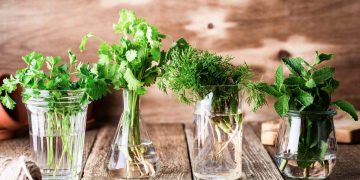
1. In the Fridge – The Jar Method (For Soft Herbs)
Soft herbs, like basil, parsley, cilantro, mint, dill, and tarragon, are often the first to wilt because they contain a lot of water and are more delicate. One of the best ways to store them is to treat them like fresh flowers.
How it Works:
- Trim the ends of the herb stems, similar to how you would trim the stems of flowers.
- Place the stems in a jar or a glass of water, ensuring the stems are submerged.
- Cover the herbs loosely with a plastic bag or a damp paper towel.
- Store the jar in the fridge.
The jar method provides the herbs with hydration while preventing them from drying out. The plastic bag or damp towel helps maintain moisture without creating a soggy environment. Herbs stored this way can stay fresh for up to a week or even longer, depending on the herb.
Tip: Change the water in the jar every couple of days to keep it fresh.

2. In the Fridge – The Paper Towel and Plastic Bag Method (For Soft Herbs)
If you prefer not to keep herbs in water, another option for soft herbs is wrapping them in a slightly damp paper towel and placing them in a plastic bag or container.
How it Works:
- Gently wash and dry your herbs to remove any dirt.
- Lightly moisten a paper towel and wrap it around the herbs.
- Place the wrapped herbs in a ziplock bag or container with some air circulation (don’t seal it too tightly).
- Store them in the crisper drawer of the fridge.
This method helps maintain a delicate balance of moisture, which prevents the herbs from wilting. Make sure not to over-moisturize the paper towel, as excess moisture can cause mold to develop.
3. In the Fridge – The Air-Tight Container Method (For Hardy Herbs)
Hardy herbs, such as rosemary, thyme, sage, and oregano, are more robust than soft herbs and can tolerate slightly drier conditions. One of the best ways to store these herbs is by using an airtight container.
How it Works:
- Gently wash and dry the herbs.
- Place the herbs in an airtight container lined with a paper towel to absorb excess moisture.
- Seal the container and store it in the fridge.
Hardy herbs generally stay fresh for about one to two weeks when stored this way. Make sure to check for any signs of moisture build-up and remove any excess to prevent mold growth.
4. Freezing – The Ice Cube Tray Method (For Long-Term Storage)
If you’ve harvested a large batch of herbs or you simply won’t be able to use them all before they spoil, freezing can be an excellent option. While freezing can alter the texture of fresh herbs, it retains their flavor and aroma, which is crucial for cooking later on.
How it Works:
- Chop your herbs into small pieces.
- Place the chopped herbs into an ice cube tray.
- Fill each cube with water or olive oil (if you want to use the herbs for cooking later, oil works best).
- Freeze the tray, and once the cubes are solid, transfer them into a freezer bag for long-term storage.
This method works particularly well for herbs like basil, thyme, and rosemary. You can simply pop out a frozen cube and toss it directly into a pot of soup or stew, keeping the flavor intact.
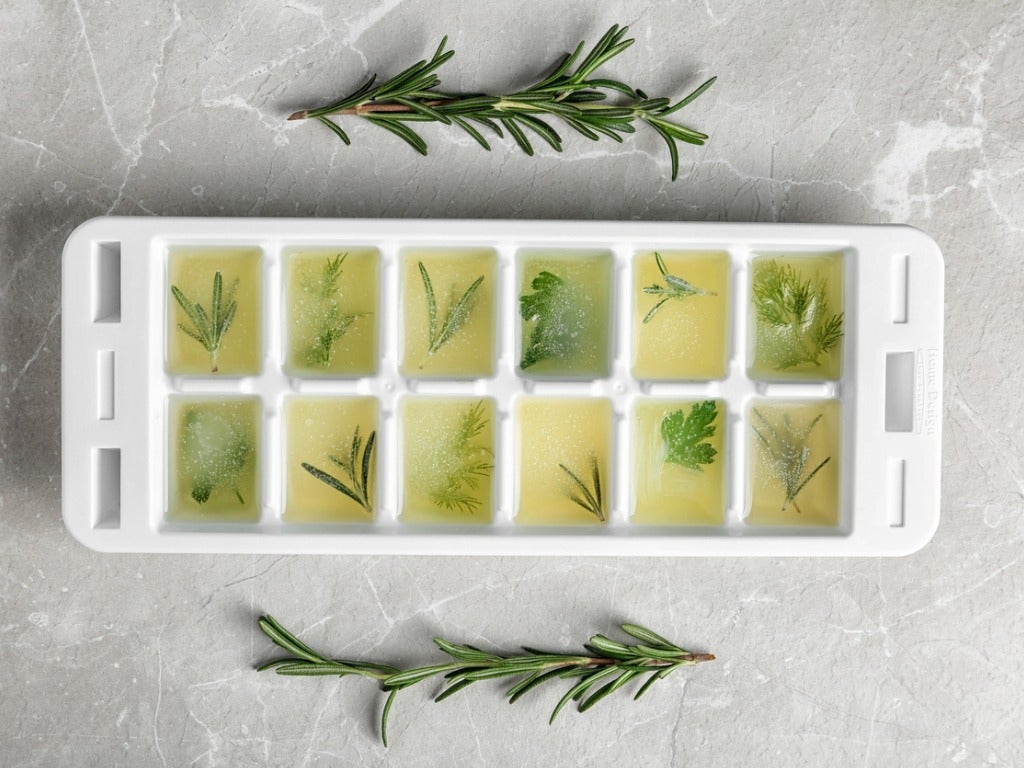
Tip: Freezing herbs in oil is especially useful for herbs that you’ll want to use in cooking since it preserves their flavor without losing their oils in the process.
5. Drying – For Long-Term Storage and Seasoning
Drying herbs is another fantastic way to store them for long periods, especially for herbs like oregano, thyme, rosemary, and sage. Drying concentrates the flavor of herbs, making them perfect for long-term use.
How it Works:
- Tie the stems of the herbs together with string and hang them upside down in a dry, warm place (a kitchen, pantry, or well-ventilated area works best).
- Allow them to dry for a couple of weeks until the leaves feel brittle and crumbly.
- Gently remove the leaves from the stems and store them in airtight containers, away from direct light and heat.
If you prefer to dry herbs faster, you can use a food dehydrator or even an oven on a low heat setting. Once dried, herbs can be stored in jars or sealed bags for several months.
Tip: Dried herbs work best in recipes where texture isn’t as important, such as in soups, stews, and sauces.
6. Herb Pots – Grow Your Own for Continuous Freshness
One of the best ways to always have fresh herbs available is to grow them yourself. Having a small herb garden or pots on your kitchen windowsill allows you to harvest only what you need, ensuring you always have fresh herbs on hand without worrying about storage.
How it Works:
- Choose herbs that you frequently use in cooking, such as basil, thyme, parsley, or cilantro.
- Grow them in small pots near a sunny spot in your home, or on your balcony or porch if you have access to outdoor space.
- Harvest leaves regularly by pinching them from the top, encouraging new growth.
Growing your own herbs not only ensures freshness but also adds a little greenery to your home.
Common Mistakes to Avoid When Storing Fresh Herbs
- Over-Washing Herbs: Excess moisture from washing can lead to mold and spoilage. Only wash herbs when you’re ready to use them.
- Using Plastic Bags Without Ventilation: While plastic bags can help keep herbs fresh, using an airtight bag can trap moisture and cause them to rot. Always leave a bit of room for airflow.
- Storing Different Types of Herbs Together: Some herbs release moisture, while others prefer dry conditions. It’s best to store soft herbs and hardy herbs separately to prevent cross-contamination.
- Storing Fresh Herbs in the Freezer Without Preparation: Freezing fresh herbs without any preparation can result in clumped-up herbs that are difficult to use later. Always chop and prepare herbs before freezing them.
Conclusion: Storing Herbs for Maximum Freshness
By following the right techniques, you can enjoy fresh herbs all year round, whether you’re using them in your latest culinary creation or adding them to a simple salad. Whether you store them in the fridge, freeze them, dry them, or even grow your own, proper storage ensures that your herbs retain their flavor, aroma, and texture.
Fresh herbs are a versatile and essential component of a well-stocked kitchen, so taking a little extra care with storage can save you both time and money. Now that you know the best ways to store fresh herbs, you can confidently extend the life of your herbs and keep your meals bursting with fresh flavor, no matter the season.