










The modern lifestyle has made it common for many people to have late-night snacks or meals. Whether it’s a late dinner after work, a midnight craving for a snack, or the temptation of dessert after a late movie, eating late at night seems harmless, right? But could this seemingly innocent habit actually be doing more harm than good, particularly when it comes to digestion? Let’s explore the science behind eating late at night and its effects on your digestive system.
The Science of Digestion
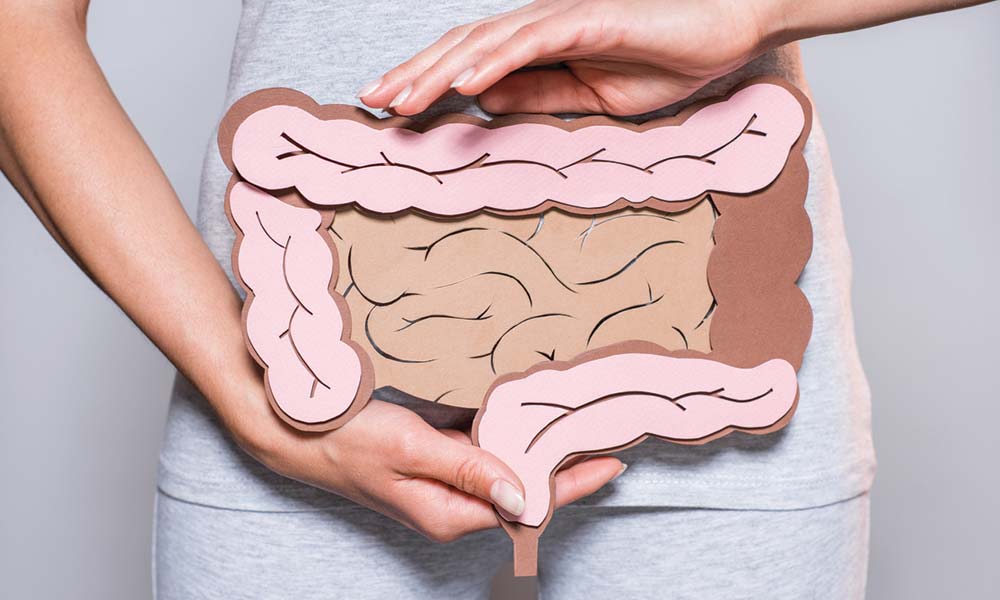
To understand how late-night eating affects digestion, we need to start with the basics of how digestion works. Digestion is a complex process that begins the moment food enters your mouth and continues all the way through your stomach, small intestine, and large intestine. When you eat, your body starts breaking down food into nutrients and energy, a process that requires both time and effort.
At night, your body enters a resting phase, and many of the metabolic processes slow down to allow for rejuvenation and repair. This includes digestion. Your stomach empties more slowly at night, and the production of digestive enzymes and gastric acids decreases. This biological shift can make late-night meals more challenging to digest properly, which may cause discomfort or other issues.
How Late-Night Eating Affects Digestion
- Slower Digestion at Night Your digestive system follows a natural circadian rhythm. Just like the rest of your body, it is designed to operate optimally during the day. When night falls, digestion tends to slow down as your body prepares for rest. If you eat right before bed, your body may not be able to process the food efficiently. This could lead to indigestion, bloating, and discomfort. Since digestion is slower, food may stay in the stomach longer, which increases the likelihood of acid reflux. As the stomach empties slowly, it can cause a build-up of gastric acid, which might flow back into the esophagus, resulting in that uncomfortable burning sensation known as heartburn.
- Increased Risk of Acid Reflux One of the most common complaints of late-night eating is acid reflux, which occurs when the contents of the stomach, including acid, move back into the esophagus. This typically happens when you lie down soon after eating. When you’re upright, gravity helps food move down your digestive tract. But when you lie down, gravity no longer works to push the food down, making it easier for stomach acid to travel back up. The risk of experiencing acid reflux increases if you eat foods that are rich in fat, caffeine, or spice—typical late-night cravings. Eating these foods before bedtime can aggravate acid reflux, leading to a restless night and poor digestion.
- Impact on the Gut Microbiome The gut microbiome, which refers to the trillions of bacteria that live in your digestive tract, plays a critical role in digestion and overall health. These microbes work in harmony to break down food, produce essential vitamins, and regulate metabolism. However, late-night eating can disrupt the balance of these microbes. Research suggests that eating at irregular hours can disturb the circadian rhythms of the gut microbiome, which could negatively impact the digestion of food and the absorption of nutrients. A disrupted microbiome may also contribute to digestive issues, such as bloating, constipation, and gas.
- Potential Weight Gain While the focus here is on digestion, it’s important to note that eating late at night can also have indirect consequences on digestion through weight gain. Studies show that people who eat late at night tend to consume more calories, which can lead to an increase in body fat over time. Excess weight can then contribute to further digestive problems, such as slower digestion and an increased risk of developing gastroesophageal reflux disease (GERD). In addition, late-night eating can disturb the natural release of insulin. When you eat too close to bedtime, your body has to work harder to regulate blood sugar levels, which may interfere with the natural fasting period that occurs while you sleep. This disruption can lead to insulin resistance, a precursor to metabolic disorders like diabetes.
What Are the Consequences of Poor Digestion at Night?
Eating late at night and disturbing your digestion can lead to a variety of unpleasant side effects. Some of these consequences are immediate, while others may develop over time.
- Indigestion and Discomfort As your stomach works overtime to break down food while you sleep, you might experience feelings of fullness, bloating, or a heavy stomach. This can make it difficult to fall asleep or stay asleep through the night. In severe cases, indigestion can lead to nausea, heartburn, and a general feeling of unease.
- Interrupted Sleep Digesting food requires energy. If your body is working hard to process food late at night, it might interfere with the quality of your sleep. Since your body cannot fully focus on rest and repair while digesting, your sleep cycles could be disrupted, resulting in less restorative sleep. This lack of sleep can cause fatigue, irritability, and even cognitive impairments the following day.
- Increased Risk of Gastrointestinal Disorders Regular late-night eating can increase the risk of developing chronic gastrointestinal issues, such as acid reflux, gastritis, and peptic ulcers. If food is consistently left undigested in the stomach, it can lead to inflammation of the stomach lining, causing discomfort and digestive issues.
- Impact on Metabolism Metabolism slows down at night, which is why eating too much or too late may cause the body to store food as fat instead of burning it for energy. This can interfere with weight management and make it harder for the body to maintain a healthy balance.
- Reduced Nutrient Absorption Late-night meals may not allow your body enough time to properly absorb the nutrients in food. The digestive enzymes and stomach acids required for effective digestion are less active at night, which can impair nutrient absorption and lead to deficiencies over time.
What Types of Foods Are Worst for Digestion Late at Night?
Certain foods can exacerbate the digestive issues mentioned above, especially when consumed right before bed. If you must eat late, it’s essential to choose foods that are gentle on the digestive system.
- Fried and Fatty Foods Fried foods, fast food, and fatty dishes are harder to digest, and they take longer to move through your digestive system. If consumed late at night, they can sit in your stomach, increasing the likelihood of bloating, indigestion, and heartburn.
- Spicy Foods Spicy foods can irritate the lining of your stomach and increase the production of gastric acid, making them a common culprit for nighttime acid reflux. If you eat spicy foods late at night, the acidity can cause discomfort and disrupt your sleep.
- Caffeine While caffeine is a stimulant that can keep you awake, it can also affect digestion. Caffeine stimulates the production of stomach acid, which can contribute to acid reflux if you eat late at night. Additionally, caffeine can interfere with sleep patterns, leaving you feeling more restless.
- Heavy Proteins Foods like red meat and cheese can be hard on your digestive system. Proteins take a long time to break down, and eating them late at night means they will remain in your stomach for hours, leading to discomfort.
- Sugary Snacks and Desserts Sugary foods can spike your blood sugar and then cause a rapid drop, which could wake you up in the middle of the night. Additionally, desserts like chocolate and pastries are often high in fat, making them difficult to digest late in the evening.

How to Minimize the Negative Effects of Eating Late
If you find that you often eat late at night, there are a few strategies to help reduce the impact on digestion:
- Eat Smaller, Lighter Meals
If you must eat before bed, opt for lighter meals that are easier to digest, such as vegetables, fruits, and lean proteins. Avoid foods that are high in fat, spice, or sugar. - Allow Time for Digestion
Try to eat at least 2-3 hours before lying down. This gives your body a chance to digest the food before sleep, reducing the risk of heartburn and acid reflux. - Stay Upright After Eating
After eating, try to remain upright for at least 30 minutes. This will help the food move through your digestive system more efficiently and reduce the risk of acid reflux. - Focus on Hydration
Drinking plenty of water throughout the day can support digestion. However, try to avoid drinking large quantities of fluids right before bed, as this could disrupt your sleep by causing frequent trips to the bathroom. - Choose Digestive-Friendly Foods
Some foods are gentler on the digestive system and may promote better digestion. Consider including foods that are rich in fiber, like whole grains, or foods that are known to be calming, like bananas and ginger tea.
Conclusion
Eating late at night is a habit that many people have, but it may not be as harmless as it seems. The body’s digestive system is designed to function optimally during the day, and eating late can interfere with its natural rhythm. From acid reflux to disrupted sleep and potential weight gain, the consequences of eating too late can be far-reaching. To protect your digestive health, it’s best to limit late-night eating or at least choose lighter, easier-to-digest foods.
In the end, being mindful of what you eat and when you eat it can significantly improve both your digestion and your overall health.