









Building a personal brand from scratch can feel a little like walking onto a vast stage with a spotlight blazing in your face while the audience waits for something—anything—to happen. You know the role is yours, the stage is yours, and the spotlight is yours, but the script? You have to write that yourself.
The good news: building a personal brand today isn’t only possible—it’s practical, powerful, and in many cases, essential. A strong personal brand helps you attract opportunities, grow your career, build a following, and create authority that compounds over time.
The better news: you do not need fame, an enormous audience, a glamorous lifestyle, or a fancy website to start.
What you do need is clarity, consistency, and a strategy you can maintain for years.
Below is a comprehensive, engaging, highly practical 3100+ word guide that shows you exactly how to build your personal brand from zero—without fluff, without clichés, and without shortcuts that collapse under real-world pressure. Just strategy, psychology, positioning, and execution.
Table of Contents
- The Real Meaning of a Personal Brand
- The First Step: Understanding What Makes You “You”
- Positioning: The Sharpest Tool in Your Branding Toolkit
- Crafting a Brand Identity People Can Instantly Recognize
- Building Your Digital Home
- Social Presence: How to Choose Your Platforms
- The Content Engine: What to Create, How to Create It, and How Often
- Becoming Discoverable: Visibility Mechanics
- Relationship Capital: Networking as a Brand Strategy
- Reputation: How to Build It, Keep It, and Protect It
- Monetization: Turning Brand into Income Streams
- The Long Game: Psychological Skills for Staying Consistent
- A Step-by-Step Roadmap for Your First 180 Days
- Six Search Keywords for Images
1. The Real Meaning of a Personal Brand
Before we get tactical, let’s cut through the noise.
A personal brand is not:
- A logo
- A perfect social feed
- A tagline
- A polished set of professional photos
- A vibe or aesthetic alone
A personal brand is:
The story people tell about you when you’re not in the room.
It’s the collection of perceptions, memories, feelings, and associations connected to your name.
Your brand exists whether you intentionally shape it or not.
So the real question isn’t:
“How do I create a personal brand?”
It’s:
“How do I take control of the narrative instead of leaving it to chance?”
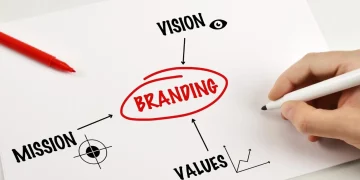
Once you understand that personal branding is reputation engineering—not self-promotion—the process becomes less intimidating and far more strategic.
2. The First Step: Understanding What Makes You “You”
To build a brand, you need raw material. That raw material is self-understanding:
your strengths, your quirks, your goals, your worldview, and the problem you want to help people solve.
Below is a structured way to distill your brand DNA.
2.1 Identify Your Core Strengths
Ask yourself:
- What do people naturally come to you for advice about?
- What topics do you understand at a deeper level than most?
- What tasks feel easy to you but hard to others?
Your strengths don’t need to be extraordinary. They just need to be useful and authentic.
2.2 Find Your Differentiators
Brands become memorable because they are different—not because they are better.
Reflect on:
- What opinions do you have that deviate from the mainstream?
- What unique experiences shaped your perspective?
- What combination of skills do you have that uncommon together?
This is where you start building positioning power.
2.3 Define Your Purpose
A brand without purpose drifts.
A brand with purpose leads.
Your purpose answers:
“What do I want my brand to do for others?”
Examples:
- Teach
- Inspire
- Entertain
- Challenge thinking
- Solve problems
- Build community
Purpose becomes your magnetic field. It guides decisions, tone, content, and direction.
2.4 Craft Your Brand North Star
Combine your strengths, differentiators, and purpose into a simple sentence:
“I help X do Y so they can Z.”
This becomes your early-stage messaging anchor.
It is not your final tagline. It’s your compass.
3. Positioning: The Sharpest Tool in Your Branding Toolkit
Positioning is not what you say about yourself.
Positioning is what you cause your audience to believe about you.
A strong position does three things:
- Defines your category (what kind of expert or creator you are)
- Identifies your target audience
- States the value you provide
But great positioning goes further:
It makes you the only choice for a specific type of person.
3.1 The Three Positioning Models
A. Hyper-Specific Expertise
You focus on one narrow domain.
Examples:
- “The designer who teaches devs to design.”
- “The career coach for software testers.”
Advantage: Fast authority building
Disadvantage: Smaller audience (but usually higher value)
B. The Hybrid Generalist
You blend two disciplines.
Examples:
- Finance + psychology
- Fitness + neuroscience
- AI + education
Advantage: Unique differentiation
Disadvantage: Requires more explanation early on
C. Personality-Driven Brand
Your personality becomes the product.
Example: A charismatic storyteller or entertainer.
Advantage: Huge potential audience
Disadvantage: Long runway before monetization
Positioning is not permanent.
But you need a temporary niche to gain traction.
Think of it as the on-ramp, not the highway.
4. Crafting a Brand Identity People Can Instantly Recognize
Identity creates recognition. Recognition creates trust.
Brand identity includes:
- Name: Usually your own
- Visual style: Colors, typography, layout
- Tone of voice: Playful? Professional? Bold? Calm?
- Signature phrases: Repeatable language builds familiarity
- Values: What you stand for and won’t compromise
You don’t need a full brand kit or designer.
You need consistency, not complexity.
4.1 Your Visual Identity (Keep It Simple)
Choose:
- One primary color
- One accent color
- One or two fonts
- A clean layout style (minimal, bold, textured, etc.)
Consistency across platforms makes your brand feel intentional and cohesive.
4.2 Tone of Voice
A brand’s voice is a personality in text form.
Choose the traits you want to embody:
- Humorous
- Straightforward
- High-energy
- Analytical
- Calm
- Motivational
- Intellectual
A consistent tone becomes your invisible signature.
4.3 Name and Tagline
For personal brands, your name is enough.
If you choose a tagline, keep it functional, not fancy.
Example:
- “Helping people build brands they’re proud of.”
- “Turning complex ideas into simple actions.”
Remember: clarity > cleverness.
5. Building Your Digital Home
Platforms are rented land.
Your digital home is owned land.
This includes:
- Your website or portfolio
- An email newsletter
- A simple landing page if you’re just starting
Your website does not need to be flashy.
It needs to be:
- Clear
- Organized
- Representative of your value
If social media disappears tomorrow, your personal brand survives if you have owned channels.
6. Social Presence: How to Choose Your Platforms
Don’t be everywhere.
Be where your audience already gathers and where your strengths show.
6.1 Platform-by-Platform Breakdown
Best for: Professionals, coaches, consultants, B2B brands
Advantage: Organic reach still exists
Style: Educational, professional storytelling

Best for: Lifestyle brands, visuals, behind-the-scenes
Style: Personal, aesthetic, human-first
TikTok
Best for: Personality-driven, fast growth
Style: Short, punchy, authentic, humorous or highly practical
X (Twitter)
Best for: Writers, thought leaders, entrepreneurs
Style: Fast insights, threads, ideas, opinions
YouTube
Best for: In-depth content, evergreen growth
Style: Tutorials, storytelling, long-form authority
6.2 How Many Platforms Should You Start With?
One main platform.
One secondary platform.
More than two at the beginning spreads your energy too thin.
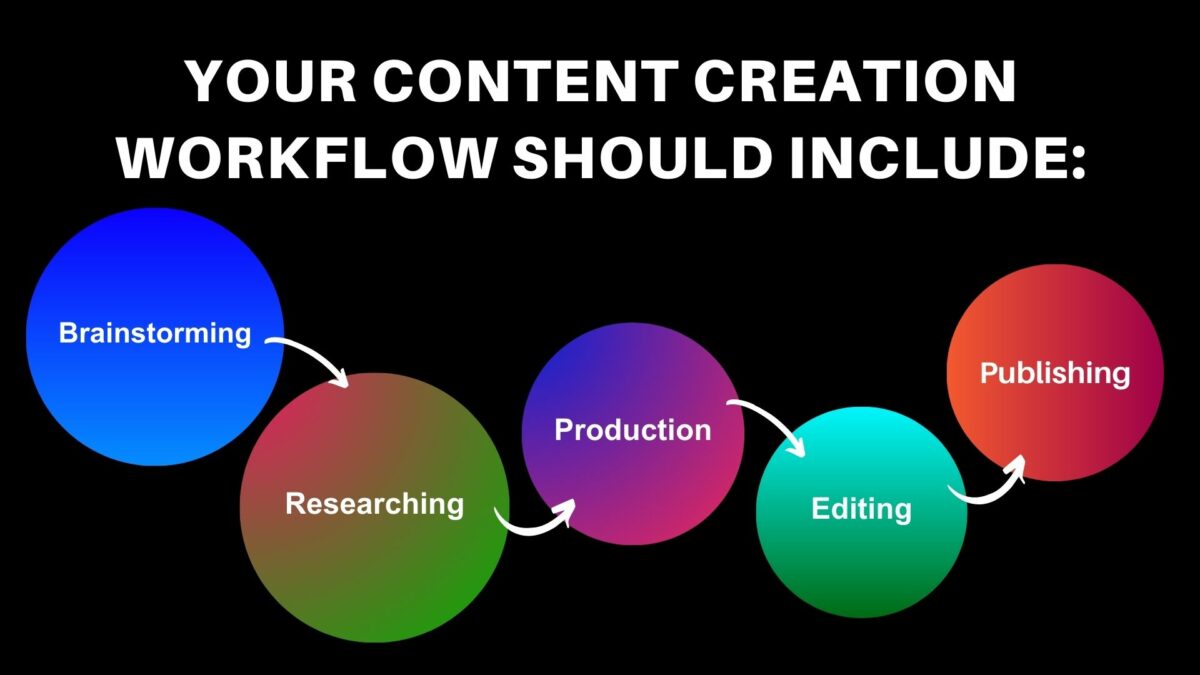
7. The Content Engine: What to Create, How to Create It, and How Often
Content is the engine of your personal brand.
But content doesn’t mean posting everything you think.
It means creating aligned value that builds your reputation.
7.1 The Four Types of High-Impact Content
A. Educational Content
Teaches your audience something useful
Builds authority
B. Inspirational Content
Motivates, encourages, or reframes thinking
Builds emotional connection
C. Aspirational Content
Shows what’s possible
Builds identity alignment
D. Personality Content
Shows your humor, quirks, and perspective
Builds relatability
Your best brand blends all four.
7.2 The “3 Content Pillars” Technique
Define 3 main topics you will talk about regularly.
Examples:
- Personal branding
- Content strategy
- Creative psychology
These create consistency without limiting you.
7.3 How Often Should You Post?
Quality beats quantity.
But consistency beats both.
Minimum: 2–3 posts per week
Ideal: 5+ posts per week for faster growth
Critical: 1–2 long-form pieces per month
Your schedule should feel sustainable, not overwhelming.
8. Becoming Discoverable: Visibility Mechanics
Visibility is not luck.
Visibility is engineered.
8.1 Collaborations
When you collaborate with others, you borrow their audience’s attention.
Formats:
- Co-videos
- Podcast appearances
- Joint threads or posts
- Shared newsletters
- Guest articles
8.2 Search Optimization
Search platforms like Google, YouTube, Pinterest, and even TikTok index content.
Basic optimization includes:
- Clear titles
- Relevant keywords
- Descriptive captions
- Consistent topics
8.3 Shareability
People share content that is:
- Relatable
- Surprising
- Useful
- Emotionally charged
- Beautifully designed
Create content that feels “saveable” and “sendable.”
9. Relationship Capital: Networking as a Brand Strategy
Personal branding is not only about content.
It’s also about relationships.
Think of people as long-term partners in your journey—not stepping stones.
9.1 How to Build Relationship Capital
- Leave thoughtful comments
- Support others’ work
- Send value-adding messages
- Participate in meaningful conversations
- Join communities
- Attend industry events (virtual or physical)
When people know you, like you, and trust you, your brand grows exponentially.
10. Reputation: How to Build It, Keep It, and Protect It
Reputation is the currency of your personal brand.
It builds slowly—but can shatter quickly.
10.1 How to Build Reputation
- Tell the truth
- Deliver value
- Show up consistently
- Follow through on commitments
- Behave the same online and offline
10.2 How to Maintain Reputation
- Keep learning
- Be transparent about mistakes
- Treat people with respect
- Guard your emotional responses
- Avoid unnecessary conflicts
10.3 How to Protect Reputation
- Don’t argue with trolls
- Don’t chase viral moments that contradict your values
- Don’t promise more than you can deliver
- Don’t make emotional decisions publicly
Reputation is your most valuable brand asset. Protect it ruthlessly.
11. Monetization: Turning Brand into Income Streams
A strong personal brand becomes a business engine.
Common monetization methods:
- Coaching or consulting
- Courses
- Digital products
- Books or guides
- Freelance services
- Partnerships
- Speaking engagements
- Affiliates
- Community memberships
You do not monetize immediately.
Monetization is the result of value and trust, not the starting point.
12. The Long Game: Psychological Skills for Staying Consistent
Brand building is a marathon you run indefinitely.
It requires psychological endurance.
These mental skills help you last:
12.1 Detaching from Perfectionism
Your first content will be rough.
Your early positioning will evolve.
Your first website will be simple.
This is normal.
Consistency is perfection’s better cousin.
12.2 Not Taking Engagement Personally
Your value is not measured in likes.
Your potential is not measured in followers.
Engagement is information—not judgment.
12.3 Handling Comparison
You will see people with bigger audiences, nicer visuals, better videos, stronger storytelling.
You must remind yourself:
You’re not competing.
You’re coexisting.
12.4 Staying Curious
Curiosity keeps your content fresh.
Curiosity keeps you improving.
When you’re curious, you can never run out of ideas.
13. A Step-by-Step Roadmap for Your First 180 Days
Here is a practical timeline you can follow starting today.
Month 1: Foundation
- Clarify strengths and differentiation
- Define your core purpose
- Craft your brand message
- Choose your niche and positioning
- Select your primary and secondary platforms
Month 2: Identity
- Establish your visual style
- Finalize voice and tone
- Build simple website or landing page
- Create content pillars
- Publish your first 6–10 posts
Month 3: Content Engine
- Increase posting consistency
- Refine writing or video style
- Start using data from engagement to guide topics
- Engage with community daily
Month 4: Visibility Boost
- Begin collaborations
- Join relevant communities
- Explore long-form content (blogs, videos, newsletters)
Month 5: Reputation Building
- Share deeper insights and signature frameworks
- Show behind-the-scenes work
- Strengthen relationships with supporters
Month 6: Monetization Foundations
- Identify early monetizable expertise
- Test small offers
- Build waitlist for future products or services
By month six, your personal brand should feel real, directional, and recognized by others.