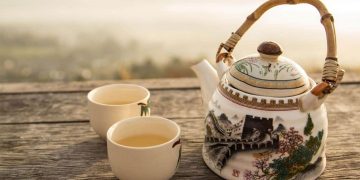











Tea, often regarded as one of the world’s oldest and most beloved beverages, is enjoyed in countless cultures for its soothing properties and wide variety of flavors. From green and black teas to oolong and herbal infusions, the taste of tea can range from delicate to bold, refreshing to rich. But there’s one common problem that many tea drinkers face at one point or another: bitterness. You may have brewed the perfect cup of tea, only to find yourself grimacing at an unexpectedly bitter taste.
Why does tea sometimes turn bitter? And more importantly, how can you fix it? This article will explore the root causes of bitterness in tea and provide practical solutions to help you achieve the perfect, smooth cup every time.
Understanding the Causes of Bitterness in Tea
Bitterness in tea typically arises due to specific compounds that are released during the brewing process. Understanding the science behind this can help you prevent and fix bitterness in your cup.
1. Over-Steeping
The most common culprit of bitter tea is over-steeping. When tea leaves are left in hot water for too long, they release excessive amounts of tannins and catechins, both of which contribute to a bitter taste.
- Tannins: These are polyphenols found in tea that have astringent qualities. They bind with proteins in your mouth, causing that dry, puckering sensation. While tannins are responsible for some of the health benefits of tea, too much of them leads to unpleasant bitterness.
- Catechins: A type of antioxidant found particularly in green tea, catechins are responsible for the sharp bitterness. Over-brewing the tea results in an abundance of catechins being released, giving your tea an unpleasantly bitter flavor.
2. Water Temperature
Tea brewing isn’t just about steeping time—it’s also about water temperature. If the water is too hot for the type of tea you’re brewing, it will extract too many bitter compounds from the leaves. For example:
- Black Tea: Requires water between 200°F and 212°F (93°C to 100°C). If brewed with water that’s too hot, it can easily become bitter.
- Green Tea: Needs cooler water, usually between 160°F and 180°F (71°C to 82°C). If brewed with boiling water, it can cause a sharp, bitter taste.
- White Tea: This delicate tea benefits from water at 160°F to 170°F (71°C to 77°C), and using water that’s too hot can lead to bitterness.
3. Poor-Quality Tea Leaves
Not all tea leaves are created equal. The quality of your tea plays a significant role in the flavor. Low-quality or stale tea leaves are often packed with dust and smaller broken pieces, which release more tannins when steeped, resulting in a more bitter flavor. Fresh, whole leaves typically release a smoother, more balanced taste.
4. Incorrect Tea-to-Water Ratio
Another key factor is the amount of tea you use relative to the water. If you use too many tea leaves for the amount of water, you might find your tea becoming bitter. The more tea leaves that come into contact with water, the more compounds are extracted, which can easily lead to an overpowering and unpleasantly bitter brew.
5. Hard Water
The quality of your water can also influence the taste of your tea. Hard water, which contains high levels of minerals like calcium and magnesium, can interact with the tea leaves and produce a more astringent, bitter taste. Using soft or filtered water can result in a smoother brew.
6. Tea Additives
Certain additives, like sweeteners or milk, can also bring out bitterness in tea. Some people add sugar or honey to tea in an attempt to balance the bitterness, but depending on the amount and the type of sweetener, it can actually enhance the bitter flavors rather than masking them. Similarly, adding milk can sometimes interact with the compounds in tea in ways that bring out a bitterness.
How to Fix Bitter Tea: Practical Tips
If your tea has turned bitter, don’t give up hope just yet! There are several ways to adjust your brewing method to avoid bitterness and create a smoother, more enjoyable cup. Below are some easy fixes for bitter tea.
1. Adjust the Steeping Time
The first and easiest fix for bitter tea is to adjust the steeping time. Most tea types have an optimal steeping time that balances flavor and minimizes bitterness:
- Black Tea: Steep for 3-5 minutes.
- Green Tea: Steep for 2-3 minutes.
- Oolong Tea: Steep for 3-5 minutes.
- Herbal Tea: Steep for 5-7 minutes.
To prevent over-steeping, set a timer to ensure you don’t leave the tea leaves in the water too long. If you’re using a loose leaf tea infuser, make sure it’s not overcrowded, as this can lead to over-extraction of bitter compounds.
2. Lower the Water Temperature
If your tea tastes bitter, chances are the water was too hot. Consider adjusting the temperature of your water based on the type of tea you’re brewing. For delicate teas like green or white tea, use water that is just below boiling (around 160°F to 180°F). For more robust teas like black tea, water that’s near boiling (200°F to 212°F) works best.
3. Use Fresh, High-Quality Tea Leaves
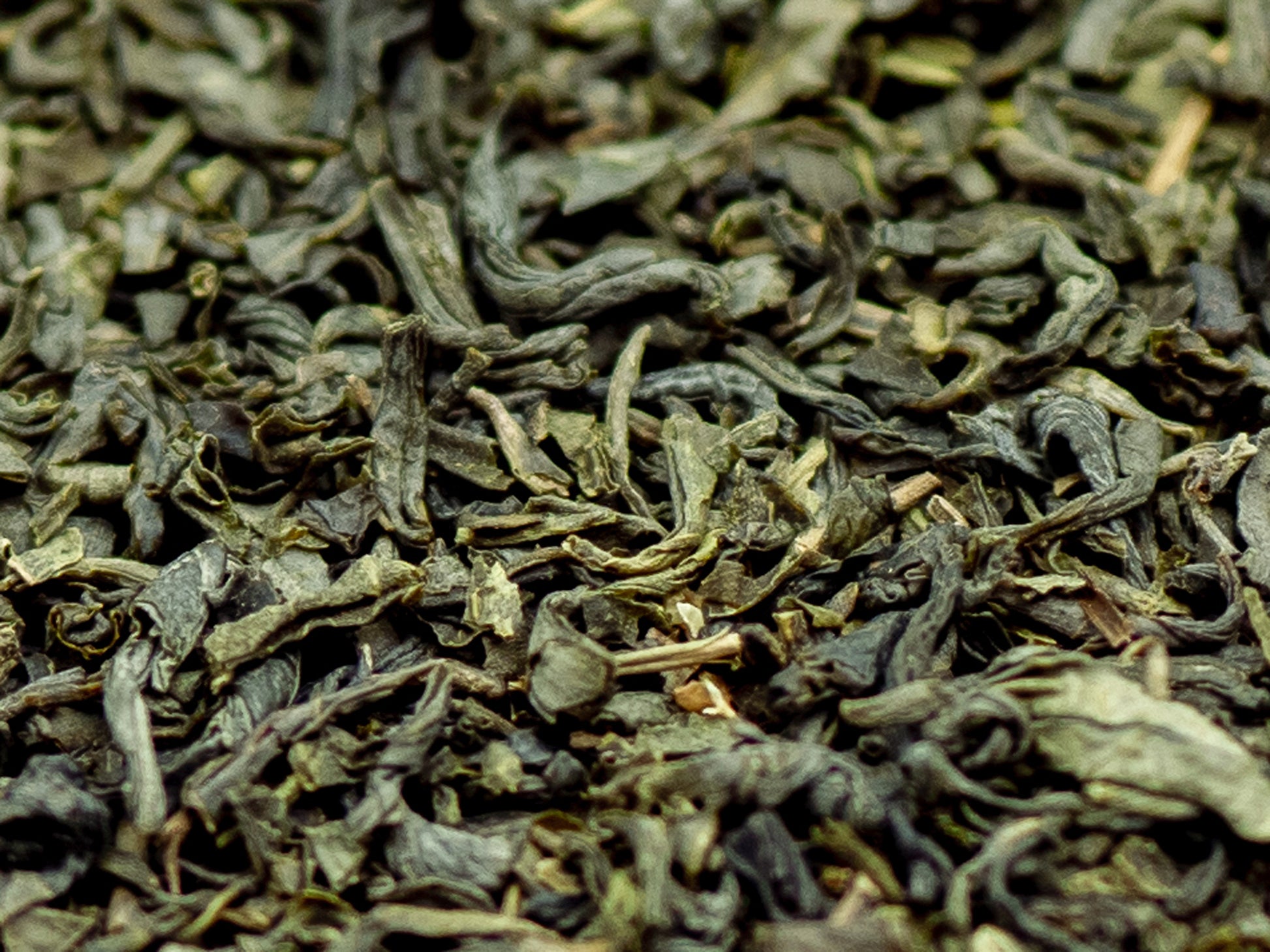
Switching to a higher quality tea can significantly reduce bitterness. Loose-leaf tea, especially whole leaves, generally results in a more flavorful and less bitter brew. Avoid buying pre-packaged, bagged teas, which often contain dust and broken tea leaves that can make the tea taste harsh.
4. Use the Right Tea-to-Water Ratio
To ensure the right balance of flavors, use the proper amount of tea leaves for the amount of water. As a general guideline:
- For black tea: Use 1 teaspoon of leaves per 8 ounces of water.
- For green tea: Use 1 teaspoon of leaves per 8 ounces of water.
- For oolong tea: Use 1 teaspoon per 8 ounces of water.
- For herbal tea: Use 1 tablespoon of leaves per 8 ounces of water.

If you prefer a stronger brew, it’s better to steep the tea for a bit longer rather than using more leaves. Too many leaves will make the tea taste overly bitter.
5. Use Filtered or Soft Water
As mentioned earlier, hard water can exacerbate the bitterness of your tea. If possible, use filtered water or bottled spring water to brew your tea. This can greatly improve the flavor and reduce any undesirable bitterness. If you must use tap water, let it sit for a few hours to allow some of the minerals to settle out.
6. Sweeteners and Milk: Use Sparingly
If you find your tea bitter, you might be tempted to add sugar, honey, or milk to soften the taste. However, these additions can sometimes exacerbate bitterness. Instead of adding too much sweetener or milk, consider a small drizzle of honey or a dash of milk to balance the flavor. Experiment with different types of sweeteners like agave nectar, stevia, or brown sugar, as these may work better than regular white sugar in certain teas.
7. Try Re-brewing the Leaves
For some teas, particularly high-quality loose-leaf varieties like oolong or certain green teas, you can re-brew the same leaves multiple times. Each subsequent brew will be less bitter and more balanced, giving you multiple cups of tea from the same leaves. To do this, simply steep the tea for a shorter time on the second or third infusion.
Choosing the Right Tea for Your Taste Preferences
Sometimes, the bitterness you experience in tea might simply be due to personal taste preferences. Not everyone enjoys the same level of astringency or bitterness in their tea. If you’re consistently finding certain teas bitter, it may be worth exploring other varieties that offer a gentler or more balanced flavor profile.
Tea Recommendations for Smooth Flavors
- Green Tea: If you’re after a smoother, less bitter flavor, try Sencha or White Peony tea, both of which have a lighter, more delicate taste. Avoid over-brewing them, as green tea is particularly sensitive to steeping time and temperature.
- Black Tea: For a milder, smoother black tea, try Darjeeling or Ceylon. These teas are known for their fruity, floral flavors and tend to be less bitter than stronger black teas like Assam or English Breakfast.
- Oolong Tea: If you love complexity but don’t want bitterness, try a lightly oxidized oolong, such as Tie Guan Yin. These teas offer floral and sweet notes without the sharp astringency that some more heavily oxidized oolongs have.
Herbal Teas: Naturally Smooth and Bitter-Free
If you’re sensitive to bitterness in regular tea, herbal teas can be an excellent alternative. Since herbal teas do not contain traditional tea leaves, they tend to have a more naturally smooth and mellow flavor. Popular herbal teas such as chamomile, peppermint, and rooibos are great choices for those who prefer a less bitter cup.
Final Thoughts
Tea is a beverage of great complexity, offering a diverse array of flavors and health benefits. However, bitterness is an issue that can plague even the most avid tea drinkers. By paying attention to factors like steeping time, water temperature, tea quality, and the right ratio of tea to water, you can fix bitter tea and enjoy a perfect cup every time.
Experiment with the brewing techniques mentioned above to find the right combination for your taste preferences. Remember, even small adjustments can make a huge difference in the overall flavor profile of your tea.