










Leftovers—whether from a hearty family dinner, a takeout feast, or that delicious dish you made last night—are a life-saver. However, reheating them can often lead to a sad, flavorless, and dry version of the original meal. It’s a dilemma we’ve all faced: the desire to enjoy yesterday’s dinner, but without sacrificing taste or texture. So, what’s the best way to reheat leftovers without losing flavor? The key is knowing how to properly handle various types of food, using the right methods and tools to retain moisture, avoid overcooking, and preserve the richness of the original flavors.
In this guide, we’ll explore the best ways to reheat different types of food—whether it’s pasta, pizza, meats, or grains—and provide you with practical tips, tools, and techniques that will elevate your reheating game. Let’s dive in!
The Science Behind Reheating: Why It Matters
Before we jump into the reheating methods, let’s take a moment to understand why reheating can sometimes cause food to lose its flavor. The problem stems from two primary factors: moisture loss and temperature changes.
- Moisture loss: When food is reheated, moisture can evaporate, leaving dishes dry or tough. This is especially problematic with foods like rice, pasta, and meats. Foods that are high in moisture, such as soups and stews, can also lose their savory depth if not reheated carefully.
- Temperature fluctuations: Rapid or uneven reheating can cause some parts of the food to overcook, while others remain underheated. This leads to inconsistent texture and taste.
To minimize these effects, we’ll focus on methods that preserve moisture and evenly distribute heat.
1. Reheating Pizza: The Crispy Crust Dilemma
Pizza is a classic leftover that can be easily ruined if reheated improperly. Reheating pizza in the microwave often leaves it soggy and limp, while reheating it in the oven can dry out the crust.
The Best Method: Use a Skillet
One of the best ways to reheat pizza while retaining its crispy crust and gooey cheese is by using a skillet. Here’s how:
- Preheat a non-stick skillet over medium heat.
- Place the pizza slice in the skillet. Don’t add any oil—just the pizza as is.
- Cover the skillet with a lid. This helps trap heat and ensures the cheese melts evenly without overcooking the crust.
- Heat for about 3-5 minutes, depending on the size and thickness of the pizza slice. If you want a softer crust, you can add a small splash of water to the skillet before covering it. This will create steam, which helps keep the pizza moist.
Why It Works:
The skillet gives you the perfect balance between a crispy bottom and a melty top. The lid traps heat, allowing the cheese to re-melt without drying out the crust.
2. Reheating Pasta: The Battle Against Dryness
Pasta is another food that can quickly become dry and unappetizing when reheated. The problem usually arises from the starch in the pasta, which absorbs moisture and turns gummy or tough.
The Best Method: Stovetop with a Splash of Liquid
For pasta, it’s all about adding moisture back into the dish while gently reheating it. Here’s a step-by-step method:

- Place the pasta in a saucepan or skillet.
- Add a small amount of liquid—this can be water, broth, or even a little bit of olive oil or cream, depending on the sauce used. Around 2-3 tablespoons should be enough for a single serving.
- Cover the pan with a lid and heat over medium-low heat.
- Stir occasionally, ensuring the pasta doesn’t stick to the pan and the sauce doesn’t scorch.
- Heat until warm, but don’t let it boil. You want to gently reheat it without overcooking the pasta.
Why It Works:
The liquid rehydrates the pasta and keeps the sauce from drying out, while the low heat ensures the noodles don’t become mushy or overcooked.
3. Reheating Rice: The Fragrance of Freshness
Reheating rice without losing its original flavor and texture can be tricky. Rice often dries out when reheated, becoming tough and rubbery.
The Best Method: Steaming or Stovetop with Water
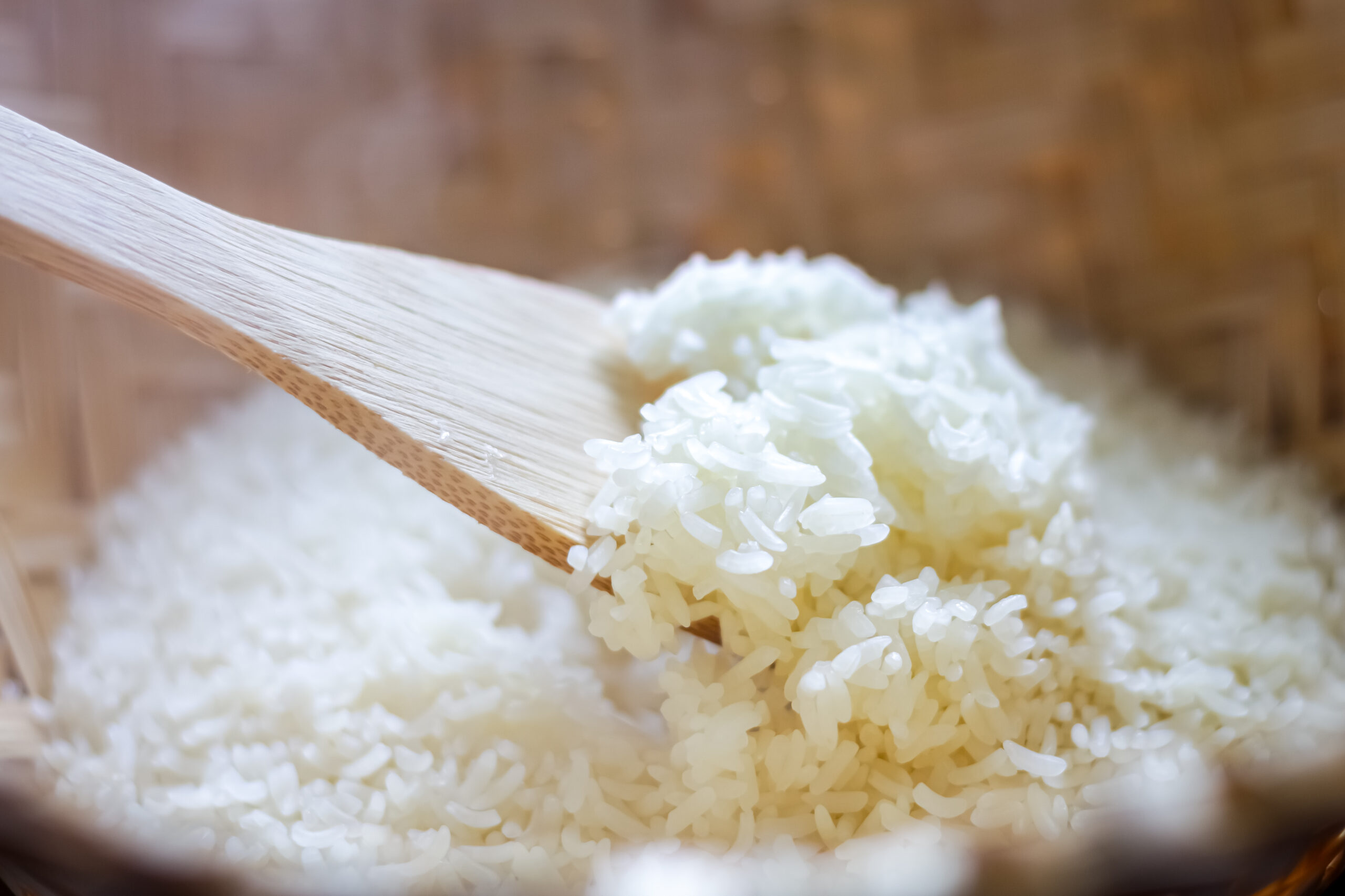
- Place the rice in a heatproof bowl or pan.
- Add a splash of water or broth (about a tablespoon for each cup of rice).
- Cover the rice with a damp paper towel or lid.
- Heat in the microwave for 1-2 minutes, or steam over the stovetop on low heat for about 5 minutes.
Why It Works:
The added moisture helps the rice rehydrate, and the steaming method creates gentle heat that prevents the rice from becoming dry. The steam also helps to preserve the fragrance and flavor.
4. Reheating Meats: Keeping It Juicy
Meat, especially cuts like chicken, steak, or pork, can become dry, tough, and flavorless if reheated incorrectly. The key is to avoid overcooking and to ensure even heating.
The Best Method: Oven or Stovetop with a Little Fat
For most meats, the oven or stovetop is your best bet. Here’s how:
- Preheat your oven to 250°F (120°C).
- Place the meat on a baking sheet and cover it with aluminum foil to lock in moisture.
- Heat for 10-15 minutes, checking occasionally until it’s warmed through.
- If reheating steak or chicken, you can use a stovetop method. Heat a skillet over medium heat and add a small amount of oil or butter. Place the meat in the pan and cover with a lid. Heat for a few minutes on each side.
Why It Works:
Low-and-slow heating ensures the meat warms evenly without becoming overcooked. Covering the meat keeps moisture in, preserving its juiciness.
5. Reheating Soups and Stews: A Perfect Warm-Up
Soups and stews often taste better the next day as the flavors have had time to develop. However, they can lose their richness if reheated improperly.
The Best Method: Stovetop with a Slow Simmer
- Pour the soup or stew into a pot.
- Add a splash of water or broth to thin it out, if necessary.
- Heat over low to medium heat, stirring occasionally.
- Simmer gently for 10-15 minutes until warmed through.
Why It Works:
Gently simmering soups and stews allows the flavors to re-blend and prevents the dish from becoming too thick or burnt. Adding a bit of liquid helps restore the original consistency.
6. Reheating Vegetables: Retaining Freshness
Reheating vegetables can be tricky because they often become mushy or lose their vibrant color.
The Best Method: Steaming or Stovetop Sauté
- Stovetop Sauté: If the vegetables are sautéed or stir-fried, heat a pan over medium heat and add a little oil. Toss the veggies until warmed through.
- Steaming: If they’re steamed or boiled vegetables, consider reheating them in a steamer or a microwave-safe bowl with a little water. Steam them for a couple of minutes until just warmed.
Why It Works:
Both methods help maintain the texture of the vegetables and retain their nutritional value. Steaming preserves their moisture and color, while sautéing adds a bit of crispness and flavor.
7. Reheating Sauces: Avoiding Curdling or Separation
Sauces, especially creamy or dairy-based ones, can separate or curdle when reheated incorrectly.
The Best Method: Gentle Heat with Whisking
- Place the sauce in a pan over low heat.
- Whisk constantly, adding small amounts of cream, milk, or broth if needed to bring it back to the right consistency.
- Heat slowly until warm, but do not let it boil.
Why It Works:
Gentle heat helps prevent curdling, while constant whisking ensures that the sauce stays smooth and emulsified.
Conclusion: Reheat Like a Pro
Reheating leftovers doesn’t have to result in a flavorless or dry meal. By following the right methods for each type of food, you can enjoy your leftovers almost as much as the original dish. Whether you’re bringing your pizza back to life in a skillet, reheating rice with a splash of water, or slowly warming up a rich stew, the secret lies in applying gentle heat and preserving moisture.
So, next time you’re faced with leftover food, skip the microwave and opt for these tried-and-true methods that will bring back the flavor and texture you loved in the first place. Happy reheating!