







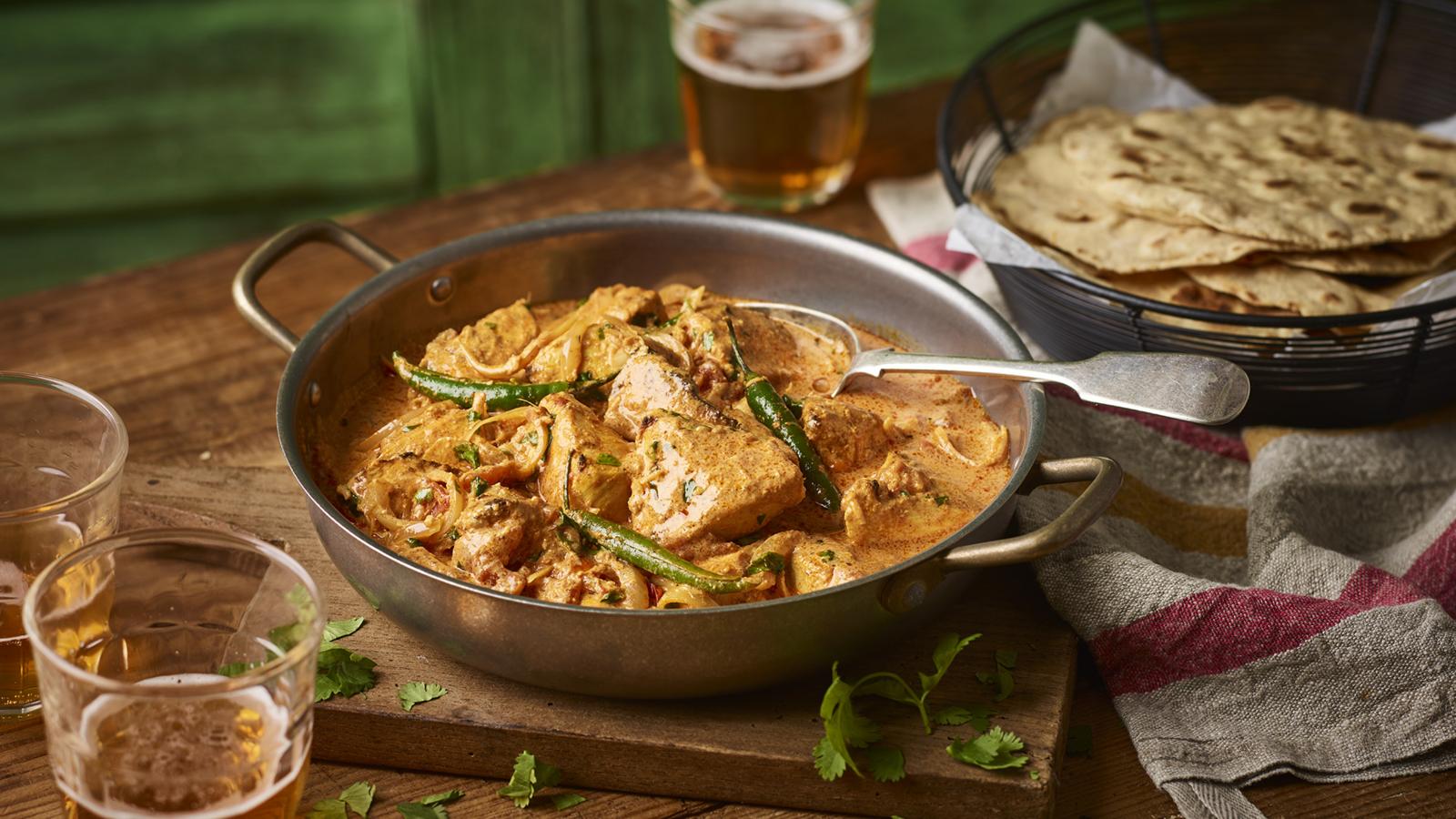
Spicy food—whether it’s the bold, peppery heat of Indian curry, the kick of chili in Mexican dishes, or the tongue-tingling burn of Sichuan cuisine—can leave your taste buds tingling and your palate on high alert. But when it comes to pairing wine with such fiery fare, many of us are left scratching our heads. The task feels elusive, almost impossible at times. Why is it so hard to pair wine with spicy dishes, and what can we do about it?
In this article, we’ll delve deep into the science and art of pairing wine with spicy food. By the end, you’ll understand why this task is so tricky, and—more importantly—how to approach it with confidence, armed with a few guidelines to elevate your dining experience.
The Key Challenge: Competing Sensations
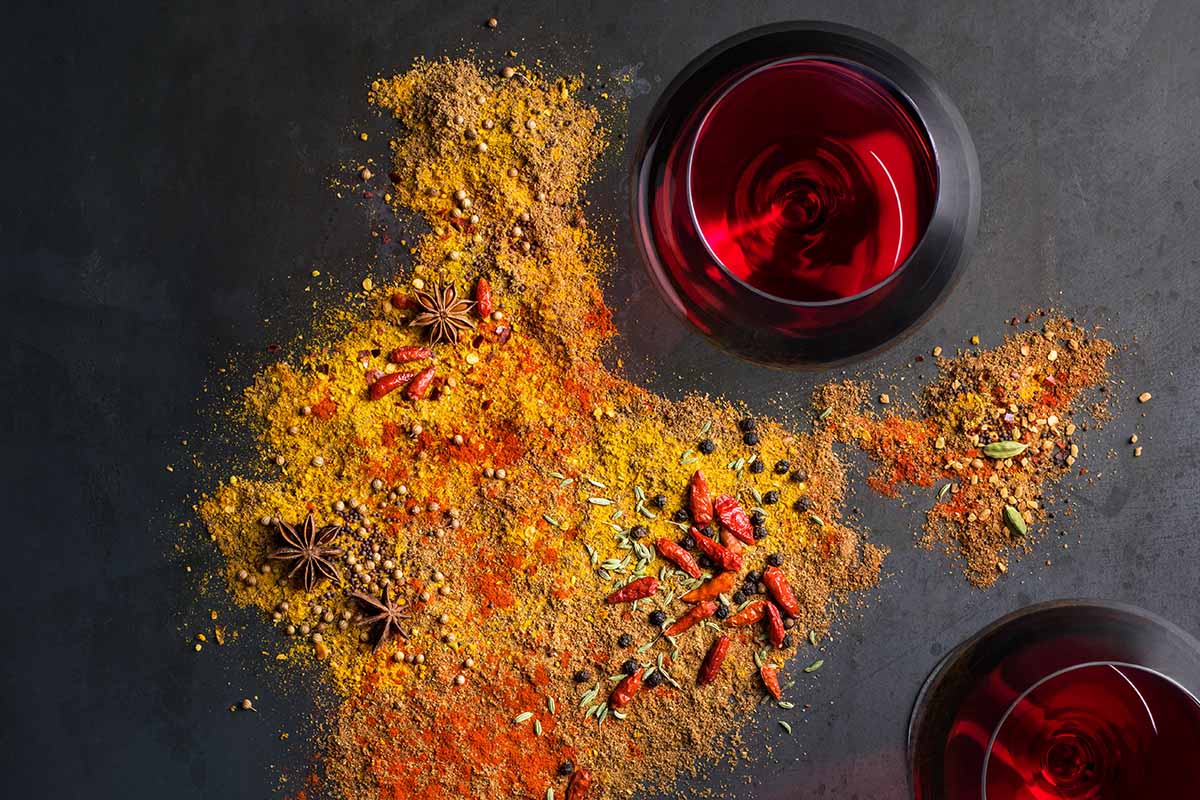
At the heart of the difficulty lies a fundamental problem: spicy food and wine often have competing sensations on the palate. The intense heat from spicy dishes, which is typically derived from capsaicin (the compound responsible for the sensation of heat in peppers), can overwhelm the more subtle and nuanced flavors of wine. In contrast, wine is often crafted with an intricate balance of acidity, tannins, sweetness, and alcohol. The natural complexity of these elements can clash with the overwhelming heat of spicy foods.
1. Capsaicin and the Burn Factor
Capsaicin, the heat component in spicy food, doesn’t just trigger your mouth’s pain receptors; it also desensitizes them. When you eat spicy food, your mouth becomes less responsive to the taste sensations in general, including the flavors of wine. This creates a frustrating challenge, as the spicy dish can dull the subtleties of the wine, while the wine might not fully complement or even amplify the heat from the spice.
2. Wine’s Tannins and Spiciness
Tannins, the compounds found in the skins, seeds, and stems of grapes, give red wines their characteristic astringency. While tannins can enhance the mouthfeel and aging potential of wine, they don’t get along well with spice. When combined with spicy foods, tannins can make the heat feel even more intense. The result is a sharp, uncomfortable contrast rather than a harmonious pairing.
3. Alcohol and Sensory Amplification
Alcohol is another factor that complicates wine and spice pairing. Higher levels of alcohol can intensify the burning sensation caused by capsaicin. If you’re sipping a bold, high-alcohol red wine with a fiery dish, the heat may feel amplified, turning a pleasant tingle into an overwhelming burn. This is especially true with wines that have alcohol content above 14%, which is common in many full-bodied reds.
Strategies for Successful Pairing
While pairing wine with spicy food can be difficult, it’s not impossible. By understanding the dynamics at play, you can start to choose wines that have qualities which complement or at least balance the spiciness of the dish. Here are a few strategies to make your wine pairing experience more successful.
1. Choose Low-Tannin Wines
To avoid the aggressive clash between tannins and spice, opt for wines with lower tannin content. Pinot Noir, Gamay (the grape behind Beaujolais wines), and Grenache are all good options. These wines are typically fruit-forward and have softer tannins, making them less likely to exacerbate the burn of spicy food. Light reds and rosés also tend to work better because they don’t have the weight that can clash with spiciness.
2. Embrace Off-Dry Wines
The key to balancing the heat of spicy food is often sweetness. Off-dry wines, which have a slight residual sugar content, can provide a buffer between the spice and your palate. Sweetness doesn’t mean the wine is overly sugary—it just softens the heat and helps create a more enjoyable dining experience. Riesling is a classic example of a white wine with enough sweetness to pair well with spicy dishes like Thai or Indian food. Likewise, Moscato d’Asti and Gewürztraminer can also provide an aromatic, slightly sweet contrast to spiciness.
3. Look for High Acidity
Wines with high acidity, such as Sauvignon Blanc, Champagne, and Albariño, work well with spicy foods because they refresh the palate, cutting through the richness and heat of the dish. The bright acidity can help balance the boldness of spicy flavors, giving your taste buds a much-needed break between bites. These wines also tend to have crisp, citrus-forward flavors that contrast nicely with the savory elements of the food without clashing with the spice.
4. Consider Carbonic Wines
The latest trend in the wine world involves carbonic maceration, a technique that produces wines that are light, fruity, and easy-drinking. These wines, such as Beaujolais Nouveau or natural wines made using this method, tend to have a soft, almost effervescent quality that pairs well with spice. The fruitiness of these wines complements the rich flavors of spicy dishes without getting overshadowed by the heat. Plus, their lower tannin content and lively character make them refreshing after each bite.
5. Sparkling Wines to the Rescue
Sparkling wines are a bit of a secret weapon when it comes to spicy food. Their bubbles help cleanse the palate, while their acidity and light profile keep the spice in check. Prosecco, Cava, and Champagne can all be excellent choices when paired with spicy food. The effervescence works to neutralize the heat of the dish, providing a refreshing contrast and allowing you to enjoy both the wine and the food in harmony.
What About the Food?
Wine and food pairing is a two-way street. It’s not only the wine that needs to work with the dish but also the way the dish is prepared and seasoned. There are a few key things to consider when preparing or ordering spicy dishes that can make wine pairing easier.
1. Balance the Spice Level
Spicy food comes in varying degrees of heat. If you’re planning to pair wine with spicy cuisine, consider the intensity of the spice. If the dish is too spicy, the heat may overpower the wine, making any pairing seem off. Ideally, aim for a moderate level of spice to allow both the wine and food to shine. If you’re cooking, you can also tone down the heat slightly to create a more balanced experience.
2. Consider the Other Flavors
Spicy food is often more than just “hot.” There are layers of flavor, such as tangy, sweet, umami, or earthy notes, that can enhance the pairing experience. For example, a dish with sweet chili sauce might pair well with an off-dry Riesling, while a smoky barbecue could be complemented by a fruity Zinfandel. When choosing wine, take into account the other elements of the dish beyond just the spice level.
3. Take Regional Cues
Many wine experts suggest looking to the regions where spicy cuisines originate for wine pairing inspiration. Riesling, for instance, works well with Asian food, especially spicy Thai and Chinese dishes, because it’s frequently grown in regions with a similar flavor profile. Similarly, Shiraz from Australia, known for its bold, peppery flavors, pairs wonderfully with Indian cuisine.
Common Pairing Mistakes to Avoid
While there’s no “one size fits all” when it comes to pairing wine with spicy food, there are a few common mistakes to watch out for:
- Choosing Heavy Wines: Full-bodied wines like Cabernet Sauvignon or Syrah, which are high in tannins, tend to clash with spicy dishes, especially those that are extremely hot. These wines don’t mesh well with capsaicin and can amplify the heat.
- Going Too Dry: Very dry wines, like a bone-dry Chardonnay or a tannic red, can leave you reaching for a glass of water after just one sip. The dryness can accentuate the heat, making the whole experience uncomfortable.
- Ignoring Acidity: Wines with low acidity will likely feel flabby when paired with spicy foods, as they won’t be able to cut through the richness or heat of the dish.
Conclusion
Pairing wine with spicy food may seem like a daunting task, but armed with the right knowledge, it’s entirely possible to find that sweet spot where wine and spice coexist harmoniously. The key is to understand the complex dynamics at play, like balancing heat with sweetness, acidity, and low tannins. By choosing wines that complement or neutralize the spiciness, you can enhance the overall dining experience and discover new, exciting flavor combinations.
So next time you’re facing a spicy dish, don’t shy away from experimenting with different wines—whether you’re reaching for a crisp, effervescent sparkling wine or a refreshing off-dry white, there’s a wine out there that will make your spicy meal sing.