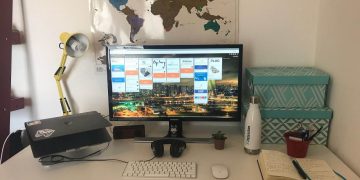











The workplace is evolving, and nowhere is this more evident than in the widespread adoption of remote work. What was once considered a temporary solution has now become a defining feature of modern employment. As companies and employees continue to adapt to a digital-first world, the question arises: Is remote work the future of the workplace?
The Rise of Remote Work: A Catalyst for Change
Remote work is not a new concept, but its surge in popularity can be traced back to the early days of the COVID-19 pandemic. When businesses were forced to close their offices and employees were sent home, remote work became the norm rather than the exception. This sudden shift forced organizations to adopt new technologies and strategies to maintain productivity and engagement while working outside traditional office spaces.
While some feared that remote work would result in a loss of productivity, the opposite proved true for many. Studies have shown that remote employees often experience higher levels of productivity, due to fewer distractions, more flexible schedules, and the ability to create a personalized work environment. Moreover, remote work offers companies the opportunity to tap into a global talent pool, hiring employees regardless of location.
The Benefits of Remote Work
1. Increased Flexibility
One of the most compelling reasons for remote work’s popularity is its flexibility. Employees no longer need to follow rigid office hours or commute for hours to reach their workplace. Instead, they can design their day around their personal and professional commitments. This flexibility often leads to higher job satisfaction, as employees feel empowered to balance work and life on their own terms.
2. Cost Savings for Employers and Employees
Remote work brings significant financial benefits for both employers and employees. For companies, the need for large office spaces diminishes, leading to cost savings on rent, utilities, and office supplies. Additionally, employers can save on commuting subsidies, healthcare costs, and other overheads associated with maintaining a physical workspace.
For employees, the financial savings are even more direct. Commuting costs, such as gas, public transportation, and car maintenance, are eliminated. Moreover, employees can potentially reduce spending on work attire, lunches, and other daily expenses tied to office life.
3. Better Work-Life Balance
The balance between work and personal life is perhaps one of the most significant benefits remote work offers. Employees no longer have to juggle the demands of the office with family obligations, hobbies, or personal errands. The ability to work from home provides more control over one’s environment and schedule, leading to reduced stress and increased overall well-being.
4. Access to a Global Talent Pool
For companies, the shift to remote work has made it easier to hire top talent from anywhere in the world. No longer limited by geography, organizations can find skilled workers who align with their needs, regardless of location. This ability to access a broader talent pool increases the potential for innovation, diversity, and creativity within a team.

The Challenges of Remote Work
While remote work offers significant benefits, it is not without its challenges. These obstacles require careful consideration and strategy to ensure long-term success.
1. Communication Breakdowns
In traditional office settings, face-to-face interactions foster immediate communication and collaboration. In remote work environments, however, teams must rely heavily on digital communication tools such as email, chat apps, and video conferences. Although these tools are effective, they often lack the nuance and spontaneity of in-person conversations, which can lead to misunderstandings or delays.
To combat this, companies must prioritize clear communication practices and invest in platforms that promote collaboration and transparency. Virtual team-building activities and regular check-ins can also help maintain strong connections between team members.
2. Isolation and Loneliness
Remote work can lead to feelings of isolation, as employees miss out on the social interactions that come with working in an office. The lack of physical presence can make employees feel disconnected from their colleagues, leading to lower morale and a sense of detachment from the organization.
Employers must take proactive steps to combat loneliness by fostering a supportive company culture. Virtual happy hours, team chats, and in-person meetups (when possible) can help employees feel more connected to their coworkers.
3. Maintaining Company Culture
Company culture is a key driver of employee engagement and satisfaction. However, building and maintaining a cohesive culture can be difficult when employees are scattered across different locations. Without the daily in-person interactions, it can be challenging for remote teams to bond and share the same values and goals.
Organizations can overcome this by intentionally creating opportunities for employees to engage with one another beyond work tasks. Regular virtual meetings, online social events, and company-wide initiatives can help employees stay aligned with the company’s mission and vision.

4. Managing Performance and Accountability
One of the most common concerns about remote work is how to manage performance and ensure employees remain accountable for their work. Without direct supervision, some may struggle to stay focused, leading to concerns about productivity. On the flip side, remote workers may also face pressures to be constantly “on,” as they feel the need to prove their value in a less visible environment.
To address this, companies should establish clear expectations, measurable goals, and performance tracking systems. Trust, autonomy, and clear communication are essential in maintaining a productive and motivated workforce.
Is Remote Work Here to Stay?
Given the myriad benefits of remote work, it is clear that it is not just a passing trend. However, whether it will become the future of work remains to be seen. Many companies are choosing to adopt hybrid work models, which combine remote work with in-office time. This model offers employees flexibility while maintaining some level of in-person interaction, making it an attractive option for many organizations.
For some industries, such as tech, marketing, and customer service, remote work may become the default. In contrast, other sectors, such as healthcare, retail, and manufacturing, may face more challenges in fully adopting remote work due to the nature of their work.
The Hybrid Work Model: A Middle Ground
As the world continues to grapple with the future of work, hybrid models are emerging as a potential solution. A hybrid approach allows employees to split their time between remote and in-office work, offering the flexibility of remote work without completely sacrificing the benefits of physical presence.
Hybrid work also allows organizations to tap into both the productivity benefits of remote work and the collaboration advantages of in-person interactions. With this model, businesses can strike a balance between flexibility and structure, offering employees the best of both worlds.
The Technology Driving Remote Work
The success of remote work hinges on the tools and technologies that enable it. From video conferencing platforms like Zoom to collaboration tools like Slack and Microsoft Teams, technology plays a critical role in bridging the gap between remote employees and their organizations.
Cloud computing, file-sharing systems, and project management software are also essential in ensuring smooth communication and efficient workflows. As technology continues to evolve, remote work will become even more seamless, making it easier for employees to stay connected and productive, no matter where they are.
The Future of Remote Work: A New Era for the Workplace
Remote work has already reshaped the traditional work model in profound ways. As businesses and employees continue to embrace digital transformation, the future of work will undoubtedly be more flexible, accessible, and technology-driven. The key will be finding a balance between flexibility and structure, collaboration and autonomy, in a way that benefits both employees and employers.
Remote work is not just a passing trend—it is a significant shift in how we view work itself. Whether remote, hybrid, or in-person, the future of work will be defined by the need for adaptability, connectivity, and innovation.
As we move forward, one thing is clear: the workplace will never be the same again. And for many, that’s a welcome change.