











Creating a marketing plan that converts is a challenge that many businesses face. A well-crafted marketing plan can drive sales, build brand loyalty, and engage the audience in a way that feels both natural and valuable. But with the rise of digital marketing, social media, and content-driven strategies, it’s easy for businesses to become overwhelmed and unsure where to start.
So, how do you create a marketing plan that actually converts? It’s about striking the right balance between strategy, creativity, and execution. It’s not just about having a plan — it’s about having the right plan that resonates with your audience, pushes them to take action, and ultimately turns leads into loyal customers.
In this article, we will walk you through the key components of a marketing plan that delivers results. From setting clear objectives to understanding your target audience, from choosing the right channels to analyzing data — we’ll cover it all. Let’s dive in.
1. Define Your Objectives Clearly
Before diving into the tactics and execution, you need a crystal-clear understanding of what you’re trying to achieve with your marketing plan. Are you aiming to increase brand awareness? Drive more sales? Build an email list? Whatever your goals are, they need to be specific, measurable, and achievable.
SMART Goals: To ensure you set effective objectives, use the SMART framework — Specific, Measurable, Achievable, Relevant, and Time-bound. For example, instead of saying “I want to increase sales,” a SMART goal would be: “I want to increase sales by 15% within the next three months through a targeted social media campaign.”
These goals will serve as the foundation for the entire marketing strategy, and every tactic and action you take will be aligned with achieving them.
2. Know Your Audience Inside Out
Understanding your target audience is the heart of any effective marketing strategy. You need to know who they are, what they care about, where they hang out online, and what problems they’re trying to solve.
Start by creating buyer personas — detailed profiles of your ideal customers. These should include:
- Demographics (age, gender, location, etc.)
- Psychographics (interests, values, motivations)
- Pain points and challenges
- Buying behavior (where do they shop? What influences their purchasing decisions?)
Once you have these insights, you’ll know exactly how to craft messages that resonate with them and where to find them.
3. Choose the Right Channels
With your audience in mind, it’s time to decide where to focus your efforts. You don’t need to be everywhere; in fact, spreading yourself too thin can lead to diluted results. Instead, concentrate your efforts on the platforms and channels where your audience spends the most time.
- Social Media: Whether it’s Instagram, TikTok, LinkedIn, or Facebook, different platforms cater to different types of audiences. Use your buyer personas to determine which platforms align best with your goals.
- Email Marketing: Email is one of the most effective conversion tools. Create segmented email lists and personalized campaigns to nurture leads through the sales funnel.
- Content Marketing: Blogging, videos, webinars, or podcasts — content is a great way to build trust and provide value. It can also be a powerful tool for SEO.
- Paid Ads: Platforms like Google Ads, Facebook Ads, or LinkedIn Ads can help you reach a highly targeted audience quickly, but they should be used strategically.
Choosing the right channels ensures that your resources are being spent efficiently, reaching the right people at the right time with the right message.
4. Craft Compelling Content That Engages
In today’s crowded market, your audience is constantly bombarded with content. To stand out, your content needs to be not only high-quality but also genuinely useful to your audience.
- Focus on Value: Your content should solve problems, educate, entertain, or inspire. The goal is to provide something your audience can’t easily get elsewhere.
- Create a Story: People connect with stories more than they connect with dry, factual content. Whether it’s through a blog post, video, or social media update, try to weave a compelling narrative that grabs attention and keeps them engaged.
- Use Visuals: Humans are visual creatures. Infographics, videos, and images are far more engaging than plain text. They also have the added benefit of being highly shareable, expanding your reach organically.
- Calls-to-Action (CTAs): A great piece of content should never leave your audience hanging. Always include clear and compelling CTAs that guide them toward the next step, whether it’s downloading a resource, signing up for a newsletter, or making a purchase.
5. Leverage Social Proof
One of the most powerful tools in your marketing arsenal is social proof. People are more likely to trust your brand if others have had positive experiences. Incorporating testimonials, case studies, reviews, and user-generated content can significantly boost your conversion rates.
- Customer Testimonials: Featuring real feedback from happy customers builds trust and credibility.
- Case Studies: Showcase how your product or service has solved specific problems for clients.
- Influencer Partnerships: If it makes sense for your brand, collaborating with influencers can expand your reach and increase trust.
Remember, social proof is not just about quantity — it’s about quality. A few genuine testimonials can do more for your brand than hundreds of fake reviews.
6. Monitor, Measure, and Optimize Your Efforts
A marketing plan that converts isn’t set in stone. It’s a constantly evolving process. The key to sustained success lies in measuring your results, learning from them, and making adjustments as needed.
- Analytics Tools: Platforms like Google Analytics, social media insights, and email marketing metrics can provide real-time feedback on how your campaigns are performing. Track metrics like website traffic, bounce rate, conversion rate, and ROI to gauge success.
- A/B Testing: Try testing different headlines, email subject lines, CTA buttons, or even social media copy to see what resonates best with your audience.
- Optimize for Conversions: Use data to improve your conversion rate. Maybe your landing page isn’t compelling enough, or your email subject line isn’t grabbing attention. Continuous optimization ensures that you’re always improving.
7. Create a Realistic Budget and Stick to It
A marketing plan without a budget is like sailing without a map. You’ll end up wasting resources on channels that don’t deliver. It’s essential to allocate your marketing budget wisely across different channels based on their potential for conversion.
For example, paid ads might have an immediate impact, but content marketing could build long-term value. A mix of both is often the best approach.
8. Consider the Customer Journey
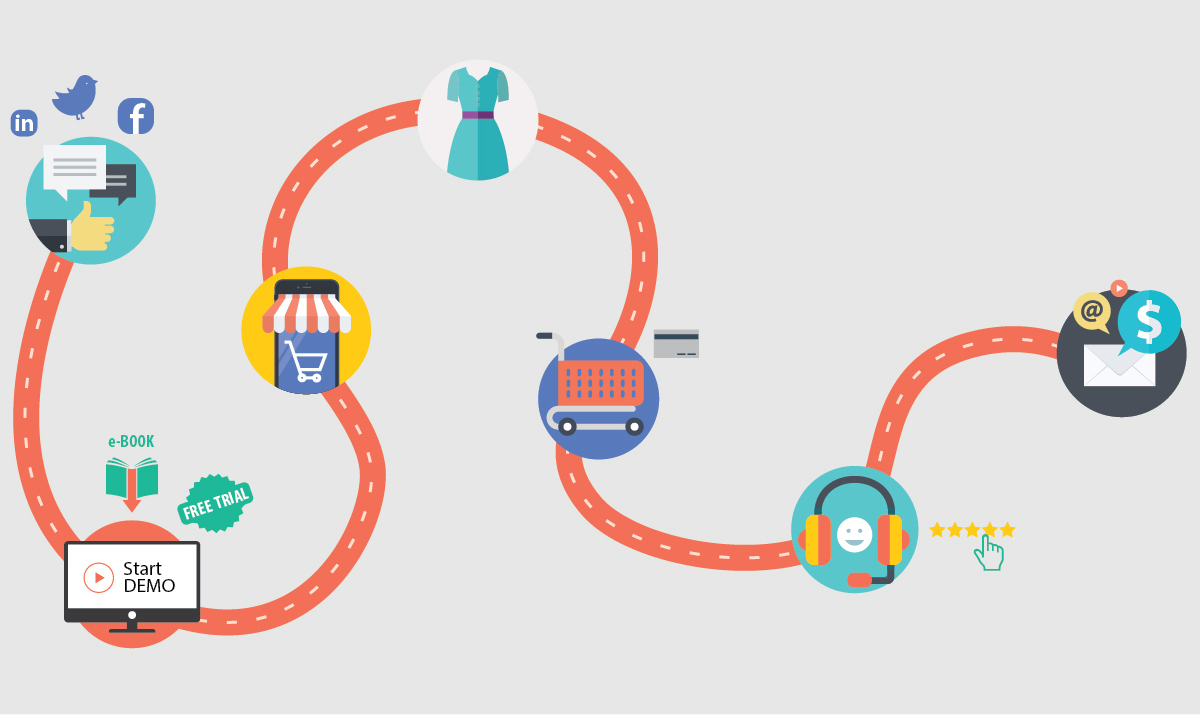
When developing your marketing plan, always keep the customer journey in mind. Your audience is likely to move through several stages before they make a purchase:
- Awareness: At this stage, potential customers are just becoming aware of your brand. Content like blog posts, social media posts, and videos can help introduce them to your business.
- Consideration: Here, your audience is evaluating their options. This is where product comparisons, testimonials, case studies, and webinars can help sway their decision.
- Decision: At this final stage, your leads are ready to make a purchase. Clear CTAs, limited-time offers, and targeted emails can encourage them to take action.
Mapping out your marketing efforts with these stages in mind ensures you’re delivering the right message at the right time.
9. Stay Flexible and Adaptable
One of the most important elements of any marketing plan is the ability to adapt. The marketing landscape is constantly changing, and new trends, tools, and tactics are emerging every day. Don’t be afraid to pivot if something isn’t working.
For example, if your target audience isn’t engaging with your social media posts but is actively interacting with your email campaigns, it might be time to shift focus and put more resources into email marketing.
A marketing plan that converts must be flexible enough to evolve with your audience’s needs and the market landscape.
Conclusion
Creating a marketing plan that converts is not an overnight process. It requires clear objectives, an in-depth understanding of your audience, compelling content, and constant monitoring. When all of these elements come together, the results can be transformative for your business.
A solid marketing plan should focus on value, establish trust, and lead your audience through the customer journey with a clear and compelling call to action. Don’t forget to track your progress and be ready to adjust based on real-time data and feedback.
So, are you ready to create a marketing plan that actually converts? The first step is clear: Start by defining your goals, understanding your audience, and choosing the right channels. From there, let creativity, data, and optimization guide you to success.