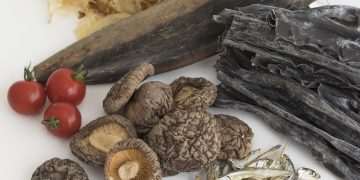











The word “umami” may sound unfamiliar or even foreign to some, but its influence in the world of flavor is undeniable. Umami, often referred to as the “fifth taste,” is an essential component that elevates the complexity and depth of food. Yet, despite its powerful presence in global cuisines, many home cooks and even some professional chefs may not fully harness its potential. This article will delve into the nature of umami, how it plays a crucial role in cooking, and practical ways you can unlock its full potential in your own kitchen. So, are you overlooking the power of umami in your cooking? Let’s find out.
What Is Umami?
Before we dive into how to use umami effectively in your cooking, it’s important to understand what it actually is. Umami, a term coined by Japanese scientist Kikunae Ikeda in 1908, refers to one of the five basic tastes alongside sweet, sour, salty, and bitter. The word itself is Japanese, translating to “pleasant savory taste.”
Umami is often associated with the sensation of savoriness—rich, mouthwatering, and satisfying. It can best be described as a flavor that makes your mouth water and gives you that irresistible desire to take another bite. Think of the depth of flavor in a bowl of miso soup, the heartiness of a beef broth, or the intense richness of a perfectly ripe tomato. These are prime examples of umami at work.
At the molecular level, umami is the taste of glutamate, a naturally occurring amino acid found in many foods. Glutamate is often present in the form of monosodium glutamate (MSG), which is used as a seasoning to enhance umami. It’s important to note that while MSG has been the subject of controversy in the past, research has shown that it is safe when consumed in reasonable amounts. Umami is also enhanced by other compounds like inosinate and guanylate, which work together to create that irresistible savory flavor.
The Umami Flavor Profile in Different Foods
Umami can be found in a wide variety of foods, both animal and plant-based. While the classic umami-rich foods like meat, cheese, and soy sauce may come to mind first, there’s an incredible range of ingredients that deliver this savory punch. Here’s a breakdown of where you can find umami in both familiar and unexpected places:
Animal-based Sources:
- Meat: Particularly red meats like beef, pork, and lamb. These contain naturally occurring glutamates and provide a rich, deep flavor.
- Fish and Shellfish: Anchovies, tuna, sardines, and even seaweed like nori are packed with umami. Fermented fish products such as fish sauce and shrimp paste are also powerhouses of umami.
- Cheese: Aged cheeses like Parmesan, Gouda, and Roquefort have a concentrated umami flavor due to the breakdown of proteins during aging.
- Broths and Stocks: Homemade or well-crafted stocks, particularly those made from bones (like chicken or beef stock), have a savory depth thanks to the umami-enhancing amino acids released during cooking.
Plant-based Sources:
- Tomatoes: Ripe tomatoes, particularly sun-dried tomatoes, contain high levels of glutamate, contributing to their rich, savory flavor.
- Mushrooms: Certain varieties, like shiitake, maitake, and porcini, are packed with natural umami and can be used to enhance the flavor of vegetarian and vegan dishes.
- Soy Products: Fermented soy products like soy sauce, miso, and tempeh are staples in Asian cuisines and provide a significant umami kick.
- Seaweed: Nori, kombu, and wakame are packed with glutamates and are commonly used in Japanese and Korean cuisine to impart umami.
- Fermented Foods: Sauerkraut, kimchi, and pickled vegetables often contain high levels of umami due to the fermentation process.
By incorporating these ingredients into your cooking, you can boost the umami content of any dish, whether it’s a hearty stew, a simple salad, or a delicate fish dish.

Why Umami Matters in Cooking
Umami isn’t just another flavor; it’s a key to balancing the complexity of a dish. Every great recipe depends on an intricate balance of the basic tastes. Too much sweetness or salt can overpower the other flavors. Bitter or sour notes can make a dish feel unbalanced. But when you add umami, it serves as a harmonizing force. It rounds out flavors, making the overall experience more satisfying and savory.
Enhancing Texture and Mouthfeel
Umami can also impact the texture and mouthfeel of a dish. The savory nature of umami has a luxurious, smooth quality that can elevate a dish from ordinary to extraordinary. This is why broths, stocks, and sauces that are rich in umami tend to coat your palate in a way that feels satisfying and full-bodied. It’s not just about flavor; it’s about the way the food makes you feel as you eat it.
Stimulating Appetite and Enjoyment
Interestingly, the presence of umami is known to stimulate appetite. It awakens taste buds and encourages the body to seek more, which is why we often reach for another bite of something savory. This makes it an invaluable tool in cooking, as it naturally increases the perceived enjoyment of food. Umami-rich dishes are often more filling, providing a sense of contentment and satiety with fewer ingredients or excessive seasonings.
How to Maximize Umami in Your Cooking
Now that you understand the basics of umami, how can you harness its power in your cooking? There are a variety of techniques and tips to ensure you’re making the most of this savory flavor profile.

1. Use Broths and Stocks
One of the easiest ways to infuse umami into your dishes is by using rich broths or stocks. Whether you’re making a soup, stew, or sauce, a flavorful broth is a game-changer. Instead of reaching for store-bought options that often contain artificial flavorings, try simmering bones, vegetables, and herbs for hours to extract the natural umami compounds. Bone broths, in particular, are an excellent source of glutamates.
2. Embrace Fermentation
Fermentation is one of the best ways to amplify umami. Fermented foods like soy sauce, miso, kimchi, sauerkraut, and even sourdough bread bring a deep, complex savoriness to dishes. Whether you’re adding a spoonful of miso to a soup or tossing kimchi into a stir-fry, the umami from fermented foods brings a bold, multidimensional flavor that is hard to replicate.
3. Get Creative with Mushrooms
Mushrooms, particularly dried varieties like shiitake or porcini, are loaded with umami. They can be rehydrated and used in sauces, soups, or risottos to impart a deep, earthy flavor. Even fresh mushrooms, when sautéed or grilled, release their natural umami. Don’t forget about mushroom powders or extracts, which can be sprinkled into any dish for an extra umami boost.
4. Experiment with Seaweed
If you’re looking to add some umami to your vegetarian or vegan dishes, seaweed is an excellent option. Kombu, for example, is commonly used in dashi, a traditional Japanese broth, and brings a significant amount of glutamate. Try incorporating seaweed into salads, broths, or even sushi rolls to enhance the savory taste.
5. Age Your Cheeses
Aged cheeses like Parmesan, Manchego, and Pecorino Romano are packed with umami. The longer a cheese is aged, the more concentrated its savory flavor becomes. Grating or shaving aged cheese over dishes like pasta, risotto, or salads can instantly elevate the overall taste. If you’re making a cheese sauce or a béchamel, opt for aged cheese to deepen the flavor.
6. Add Anchovies or Fish Sauce
Anchovies and fish sauce are often considered secret weapons in professional kitchens. A small amount of these ingredients can transform a dish from bland to boldly savory. Use anchovies in pasta sauces, salad dressings, or even on pizzas. A splash of fish sauce can enrich everything from stir-fries to soups to vinaigrettes, providing a deep umami note without overtly tasting “fishy.”
7. Pair Tomatoes with Other Umami-Rich Ingredients
Tomatoes, particularly sun-dried tomatoes, are a fantastic natural source of umami. Pairing them with other umami-rich ingredients like olives, Parmesan, or anchovies can create a powerful flavor profile. For example, a simple pasta with tomatoes, garlic, olives, and Parmesan is a savory, umami-packed dish that requires minimal effort but delivers exceptional taste.
8. Use MSG Responsibly
If you want a quick and effective way to enhance umami, you can use monosodium glutamate (MSG). While often misunderstood, MSG is simply a seasoning that amplifies the natural umami flavors in food. Just a pinch can elevate soups, stews, sauces, or even homemade popcorn. However, be sure to use it sparingly, as too much can overwhelm the dish.
Conclusion: Unlock the Full Potential of Umami
The power of umami in cooking is undeniable, yet often overlooked. By embracing umami-rich ingredients like aged cheese, fermented foods, mushrooms, and broths, you can create dishes with deeper flavors and greater complexity. Whether you’re a home cook or a professional chef, learning to harness the power of umami can transform your culinary creations, taking them from ordinary to extraordinary.
So, next time you’re in the kitchen, consider how you can incorporate more umami into your meals. The savory goodness of umami will not only make your food more flavorful but will also enhance the overall experience, leaving your guests or family members satisfied with every bite.