










The connection between diet and skin health has long been a subject of fascination for health enthusiasts, dermatologists, and nutritionists alike. While there’s no miracle food that guarantees perfect skin, there’s growing evidence that the foods you eat can play a significant role in determining the appearance and health of your skin. In particular, the plant-based diet — characterized by the elimination of animal products and a focus on vegetables, fruits, grains, legumes, nuts, and seeds — has gained widespread attention for its potential skin benefits.
But how exactly can eating a plant-based diet improve your skin? This question is increasingly relevant, as people search for natural and sustainable ways to enhance their skin without relying on chemical-laden products or expensive treatments. In this article, we will explore the science behind the plant-based diet’s effects on skin health, how plant-based foods promote clear and youthful skin, and whether this diet truly lives up to its skin-improving reputation.
Understanding the Role of Nutrition in Skin Health
Your skin, the body’s largest organ, is a complex structure made up of multiple layers, each serving vital functions. It acts as a barrier to protect against environmental damage, regulates body temperature, and allows sensations like touch and pressure. To maintain its health and appearance, your skin requires a variety of nutrients, including vitamins, minerals, antioxidants, fatty acids, and hydration.
The foods you eat provide these vital nutrients, which directly influence the skin’s ability to repair itself, retain moisture, fight inflammation, and protect against oxidative stress. A diet rich in processed foods, sugars, and unhealthy fats can promote inflammation and oxidative damage, leading to conditions like acne, premature aging, and skin irritation. On the other hand, a balanced diet filled with fresh, plant-based foods can support skin health by providing the necessary building blocks for healthy skin function.
The Benefits of Plant-Based Diets for Skin
A plant-based diet is inherently packed with skin-friendly nutrients that promote healthy, glowing skin. Some of these include:
- Antioxidants: Found abundantly in fruits and vegetables, antioxidants protect your skin from the damaging effects of free radicals, which are unstable molecules that can accelerate skin aging. Free radicals are generated by environmental factors like pollution, UV rays, and toxins. Antioxidants neutralize these free radicals, preventing oxidative stress, which is one of the primary causes of premature aging.
- Vitamins and Minerals: Vitamins A, C, E, and K, as well as minerals like zinc and selenium, are critical for skin health. Vitamin A supports skin cell turnover and repair, vitamin C boosts collagen production and protects from UV damage, while vitamin E acts as a powerful antioxidant. Vitamin K is essential for wound healing and maintaining the skin’s elasticity. Plant-based foods like leafy greens, bell peppers, citrus fruits, and berries are rich in these vitamins and minerals.
- Healthy Fats: Healthy fats, particularly omega-3 fatty acids, are crucial for maintaining the skin’s moisture barrier. These fats help reduce inflammation, which can alleviate skin conditions such as eczema, acne, and psoriasis. Omega-3 fatty acids are abundant in plant-based sources like flaxseeds, chia seeds, walnuts, and algae-based supplements.
- Fiber: A high-fiber diet improves digestion and supports detoxification, which can help clear up skin issues like acne. Fiber-rich plant foods, such as whole grains, legumes, and vegetables, promote a healthy gut microbiome, which in turn influences skin health. A balanced gut leads to reduced inflammation and a more vibrant complexion.
How a Plant-Based Diet Impacts Specific Skin Conditions
Now that we’ve discussed the general benefits of plant-based foods, let’s take a closer look at how this diet may help with specific skin conditions.
Acne
Acne is a common skin condition that results from clogged pores, inflammation, and overproduction of sebum (skin oils). While hormones and genetics play a significant role, diet can also contribute to acne development. Foods high in refined sugars, dairy, and unhealthy fats can trigger hormonal imbalances and increase inflammation, exacerbating acne.
A plant-based diet, on the other hand, is low in dairy and processed foods, both of which have been linked to acne. Moreover, plant-based foods are rich in antioxidants, vitamins, and minerals that help regulate sebum production, fight inflammation, and promote the healing of existing acne. The fiber content in plant foods also supports gut health, which is increasingly thought to play a role in managing acne.
Dry Skin
Dry, flaky skin can result from several factors, including dehydration, harsh weather, and a lack of essential fatty acids in the diet. Plant-based diets that include plenty of hydrating fruits and vegetables, such as cucumbers, watermelon, and oranges, can help to replenish moisture levels in the skin.
Additionally, plant-based sources of omega-3 fatty acids, such as flaxseeds, chia seeds, and walnuts, provide the fats necessary for maintaining a healthy skin barrier that locks in moisture. Unlike animal-derived fats, plant-based fats are less likely to contribute to inflammation or clog pores, making them a healthier choice for those with dry or sensitive skin.
Wrinkles and Premature Aging
Premature skin aging is a concern for many people, and while we can’t completely halt the natural aging process, diet plays a critical role in slowing it down. A plant-based diet, rich in antioxidants, vitamins, and healthy fats, can help protect the skin from oxidative damage that accelerates aging.
Vitamin C, which is abundant in citrus fruits, strawberries, and bell peppers, is essential for collagen production. Collagen is a protein that gives the skin its structure and elasticity. As we age, collagen production slows down, leading to wrinkles and sagging skin. By eating foods rich in vitamin C, you can support collagen synthesis and improve the skin’s firmness and elasticity.
In addition, plant-based diets are typically low in inflammatory foods, which helps prevent chronic inflammation — one of the primary drivers of premature aging.
Eczema and Psoriasis
Eczema and psoriasis are chronic skin conditions that cause dry, inflamed, and irritated skin. Both conditions are linked to inflammation and the immune system’s response to triggers. A plant-based diet can be beneficial for people with eczema and psoriasis, as it is anti-inflammatory and rich in nutrients that support skin healing.
For instance, plant-based foods high in omega-3 fatty acids, such as flaxseeds, chia seeds, and walnuts, can help reduce the inflammation associated with eczema and psoriasis. Additionally, plant-based diets can provide a wealth of antioxidants that help protect the skin from environmental damage and support the skin’s natural healing processes.
Essential Plant-Based Foods for Glowing Skin
To maximize the skin benefits of a plant-based diet, it’s essential to include the following foods:
- Leafy Greens: Kale, spinach, and swiss chard are packed with vitamins A, C, and K, as well as antioxidants that help fight skin aging and inflammation.
- Berries: Blueberries, strawberries, and raspberries are rich in vitamin C and antioxidants, which protect the skin from oxidative damage and support collagen production.
- Nuts and Seeds: Walnuts, flaxseeds, chia seeds, and almonds are excellent sources of omega-3 fatty acids, zinc, and vitamin E, all of which contribute to skin hydration, elasticity, and anti-aging.
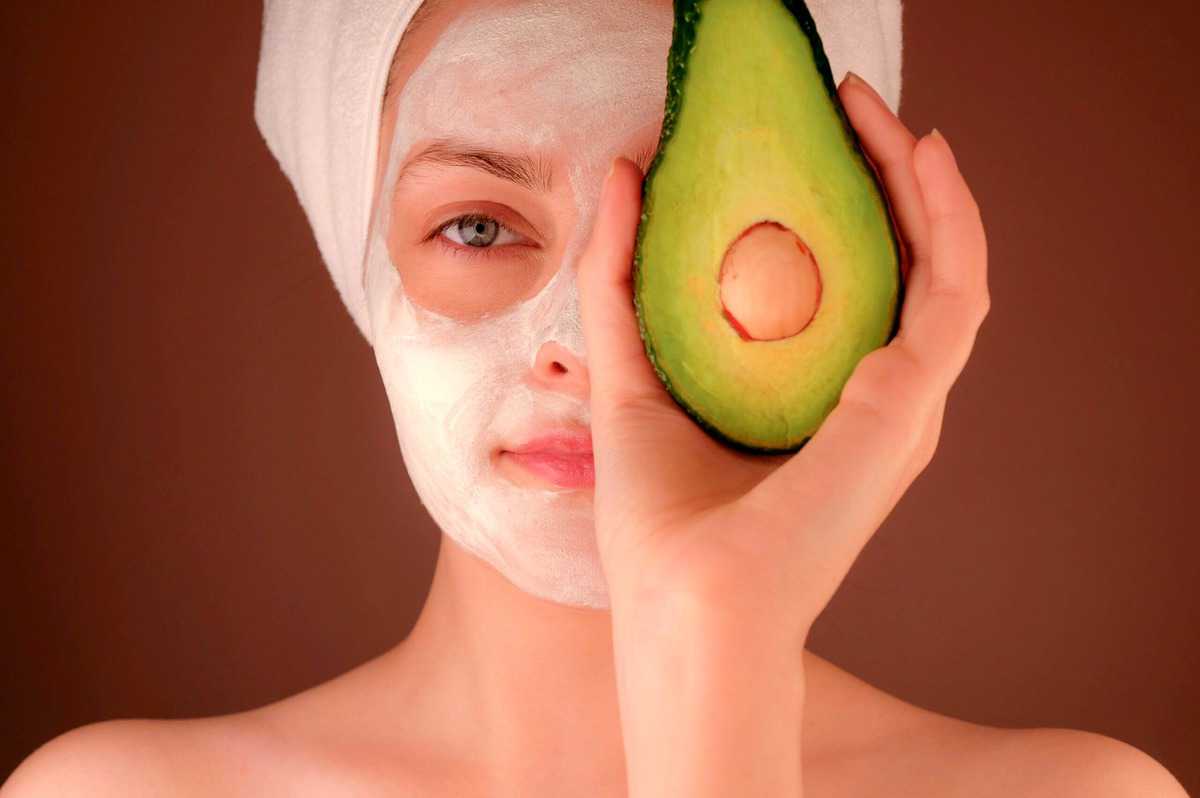
- Avocados: Avocados are rich in healthy fats and antioxidants, particularly vitamin E, which helps protect and nourish the skin.
- Tomatoes: Rich in lycopene, tomatoes provide protection against sun damage and may reduce the appearance of wrinkles.
- Sweet Potatoes: High in beta-carotene, a precursor to vitamin A, sweet potatoes help improve skin texture and protect against premature aging.
- Citrus Fruits: Oranges, lemons, and grapefruits are loaded with vitamin C, which supports collagen synthesis and brightens the skin.
The Role of Hydration in Skin Health
While eating plant-based foods can provide many skin benefits, hydration is equally important. Dehydrated skin can look dull, feel tight, and develop fine lines more quickly. In addition to drinking plenty of water, eating hydrating fruits and vegetables like cucumbers, watermelon, and celery can help maintain your skin’s moisture balance.
A plant-based diet that includes water-rich foods can help improve skin texture and ensure your skin retains its plump, youthful appearance. Remember, healthy skin starts from the inside, and maintaining proper hydration supports the skin’s ability to function properly.
Is a Plant-Based Diet Right for Everyone?
While a plant-based diet offers numerous skin benefits, it may not be suitable for everyone. For those with certain food allergies, sensitivities, or nutritional deficiencies, a plant-based diet should be approached with careful planning. It’s essential to ensure you’re getting all the necessary nutrients, such as vitamin B12, iron, calcium, and omega-3 fatty acids, which are typically found in animal products but can be sourced from fortified foods or supplements on a plant-based diet.
If you’re considering adopting a plant-based diet for its skin benefits, it’s always a good idea to consult with a healthcare provider or nutritionist to ensure you’re meeting your nutritional needs.
Conclusion
A plant-based diet can indeed improve your skin by providing essential nutrients that support skin health, fight inflammation, and protect against oxidative damage. From boosting collagen production with vitamin C to promoting healthy fats for moisture retention, the foods you eat can make a noticeable difference in the appearance and texture of your skin. Whether you’re dealing with acne, dry skin, premature aging, or conditions like eczema, a plant-based diet offers a natural and effective approach to improving your skin’s health and radiance.
However, it’s important to remember that diet alone is not a magic solution. A holistic approach, including adequate hydration, proper skincare, and a healthy lifestyle, is key to achieving and maintaining beautiful, glowing skin.