




The Faroe Islands, a collection of 18 rugged, windswept islands scattered across the North Atlantic, may be small in number but are immense in character. With a population of just over 50,000, these islands offer a fascinating study in isolation, self-sufficiency, and beauty that seems to transcend the ordinary. But more than just picturesque landscapes and a lifestyle that runs at its own pace, the Faroe Islands invite us to reflect on the meaning of isolation and its relationship to beauty, culture, and resilience.
In this article, we explore how the Faroe Islands stand as a beacon of how isolation can enhance beauty, foster a unique cultural identity, and offer a deeper understanding of human perseverance in an often indifferent world.
The Faroe Islands: Geography and Isolation
Nestled between Iceland and Norway, the Faroe Islands are part of the Kingdom of Denmark. However, they are far from being a typical Danish possession. The archipelago’s remote location in the North Atlantic Ocean means that its inhabitants live far from the bustling centers of civilization. There is no easy access to major cities or international travel hubs. In fact, the Faroe Islands are only connected to the outside world by ferries, small planes, and a few tunnels cutting through steep mountainsides.
But in many ways, this geographic isolation shapes the very identity of the Faroe Islands. With no easy access to the mainland, the Faroese people have carved out a way of life that revolves around a deep connection to the land and sea, as well as the ever-present need for self-reliance. While the isolation might initially seem like a hindrance, it has paradoxically become a source of strength and inspiration.
The Beauty of Isolation
On the surface, the Faroe Islands might seem inhospitable. Windswept cliffs, jagged mountains, and towering rock formations characterize the landscape, while the unpredictable weather and brief daylight hours make living here a challenge. Yet, it is precisely this harsh environment that gives the islands their unique beauty.
The isolation of the Faroe Islands creates a landscape where nature’s raw power is front and center. The crashing waves, the fog that rolls in and out of the valleys, and the cascading waterfalls that drop from great heights—all of this creates a sense of awe that one cannot experience in more heavily populated regions of the world. The beauty is not in perfect symmetry or manicured landscapes; it’s found in the chaos of nature, where jagged rocks meet the sea and the wild weather shifts constantly, creating new scenes with each passing moment.
In addition to this dramatic scenery, the islands are home to rich wildlife. Puffins, seabirds, and seals are often seen along the cliffs, while the surrounding waters teem with fish. The isolation of the Faroe Islands allows these creatures to thrive undisturbed by the pressures of human activity, adding an untouched, natural beauty to the environment. It’s a kind of beauty that speaks to the timelessness of nature—an ever-present reminder of what the world once was before human hands reshaped it.
The Faroese People: Resilience Through Isolation
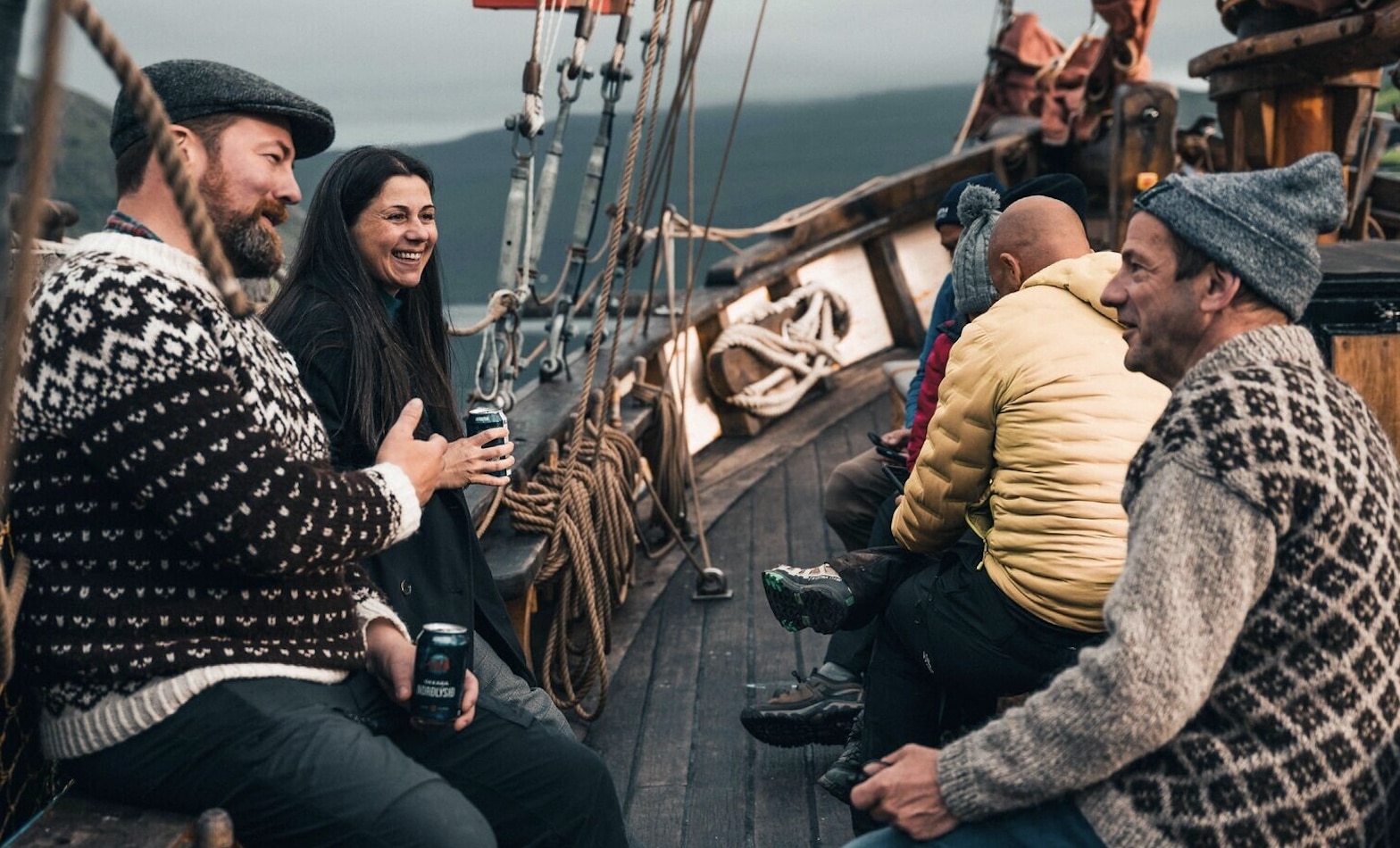
In addition to the natural beauty of the Faroe Islands, the resilience of the people who live there adds another layer to the story of isolation. Living in a place that is so far removed from the global stage requires a special kind of adaptability. The Faroese have long relied on the sea for their livelihoods, traditionally fishing and hunting for food, as well as maintaining a distinct farming culture that has adapted to the challenging climate.
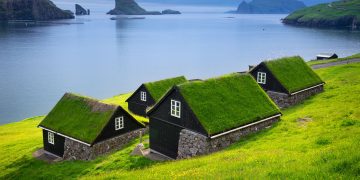
Throughout their history, the Faroese people have developed a robust sense of community, with a deep commitment to maintaining their heritage while adapting to the modern world. Despite their small numbers, the Faroese have managed to retain a unique language (Faroese), distinct customs, and a rich cultural life. The traditional grass-roofed houses that dot the landscape are not just picturesque relics—they are symbols of how the Faroese have learned to live in harmony with their environment. The practice of using local materials and building with natural insulation allows these homes to withstand the harsh weather conditions that are typical of the islands.
The Faroese are also fiercely protective of their cultural heritage, and many modern Faroese artists draw inspiration from the natural environment and their people’s connection to it. Music, literature, and art play significant roles in preserving the story of this small, isolated community.
Isolation as a Catalyst for Creativity
Interestingly, isolation has also fostered a unique environment for artistic expression. With limited access to the global flow of ideas, Faroese artists have developed their own creative styles that reflect the challenges and beauty of their surroundings. Music, particularly, has flourished, with traditional Faroese folk music remaining an important cultural touchstone, while younger generations experiment with global sounds.
The country’s isolation fosters a kind of creative freedom that artists may not experience in larger, more connected cities. The Faroese aren’t constantly influenced by the trends and pressures of mainstream culture. Instead, they look inward, exploring themes of self-sufficiency, nature, and the daily struggle of life in a harsh environment. It’s no surprise that many Faroese musicians and artists draw inspiration from the rugged beauty of their homeland, using their work to express what words often cannot.
The Faroese Way of Life: A Model of Sustainability

One of the most remarkable aspects of life in the Faroe Islands is the deep-seated commitment to sustainability. With such a small population, it’s easier for the Faroese to live in harmony with their environment, using the land’s resources carefully and intentionally. Fishing remains a central pillar of the economy, with the Faroese carefully managing fish stocks to ensure that they are sustainable for future generations.
In addition, the culture of self-sufficiency is alive and well in the Faroe Islands. Many families grow their own food, raise livestock, and make use of traditional methods to preserve food for the long, dark winters. There is a strong emphasis on community and resource sharing, with local food markets and co-ops being common ways for people to come together.
This commitment to sustainability is not only rooted in necessity but also in a deep cultural respect for the land. The Faroese understand that their very survival is intertwined with the health of their environment, and as a result, they have developed a culture of conservation that places long-term ecological balance above short-term gain.
The Importance of Solitude and Reflection
Isolation, in its truest sense, can be an opportunity for personal reflection. In the Faroe Islands, the long, dark winters and the relatively small population offer individuals the chance to disconnect from the distractions of modern life and reconnect with themselves. For many Faroese people, living in such isolation allows them to cultivate a deep sense of introspection, which often translates into a more meaningful relationship with the land and with others.
In a world where social media and constant connectivity are often seen as essential, the Faroe Islands remind us of the value of solitude. The islands provide the perfect setting for slowing down and rediscovering the importance of quiet, reflection, and time spent with loved ones. The lack of distractions also offers a rare opportunity to truly appreciate the beauty of the world around you.
Lessons from the Faroe Islands: Embracing Isolation and Beauty
So, what can the Faroe Islands teach us about isolation and beauty? The answer is multifaceted.
First, isolation can lead to an appreciation of raw, untamed beauty. The Faroe Islands may be isolated, but they are far from ugly. The landscape, shaped by wind and water, is both beautiful and humbling. In the Faroe Islands, beauty is not perfect or pristine; it is wild, organic, and real.
Second, isolation breeds resilience. The Faroese people have learned to adapt to their environment in ways that have allowed them to thrive despite their isolation. They have created a self-sufficient culture rooted in community, sustainability, and a deep connection to the land and sea.
Third, isolation offers an opportunity for creativity and reflection. In the absence of global trends and constant connectivity, the Faroese have carved out a creative space for themselves, where they can explore their heritage, connect with nature, and express their unique cultural identity.
Finally, the Faroe Islands offer a model of sustainability and balance that many modern societies could learn from. In an age of environmental degradation and overconsumption, the Faroese remind us that living in harmony with nature is not only possible but essential for long-term survival.
In conclusion, the Faroe Islands are a testament to the beauty and value of isolation. They are a place where nature’s power is on full display, where culture and tradition are preserved, and where the human spirit has adapted to one of the most challenging environments on Earth. In an increasingly connected world, the Faroe Islands offer a much-needed reminder of the importance of slowing down, reflecting, and finding beauty in the unexpected places.