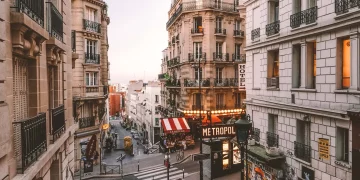










When most people think of Paris, the iconic Eiffel Tower instantly comes to mind. Towering above the city at 330 meters, it is not only the tallest structure in Paris but also a symbol of French culture, innovation, and romance. Yet, despite its global fame, the Eiffel Tower represents only a fraction of what the French capital has to offer. Paris is a city brimming with history, art, culinary delights, and hidden gems waiting to be explored. Beyond the Eiffel Tower, Paris is a dynamic, ever-evolving metropolis where each district offers something unique, and every corner tells a different story.
In this article, we will explore the rich and varied experiences that make Paris one of the world’s most captivating destinations—beyond the ever-present shadow of the Eiffel Tower. From historical landmarks to vibrant neighborhoods, culinary adventures to serene green spaces, there is so much more to discover in this enchanting city.
1. Parisian Landmarks Beyond the Eiffel Tower
While the Eiffel Tower is often the first stop on a tourist’s itinerary, Paris boasts a wide range of other monumental landmarks that deserve just as much attention.
The Louvre Museum
As one of the largest and most famous art museums in the world, the Louvre is an essential destination for art lovers. Originally a royal palace, the Louvre houses over 380,000 works of art, including iconic pieces such as the “Mona Lisa,” “The Winged Victory of Samothrace,” and “Venus de Milo.” Its sheer size and historical significance make it an overwhelming yet fascinating place to visit. What many visitors don’t realize is that the Louvre itself is a masterpiece, with its glass pyramid entrance designed by architect I. M. Pei, contrasting beautifully with the classical architecture of the building.
Notre-Dame Cathedral
The Notre-Dame de Paris is a masterpiece of Gothic architecture that dates back to the 12th century. Its intricate façade, stunning stained glass windows, and soaring spires make it one of the most recognizable cathedrals in the world. While the cathedral was severely damaged by a fire in 2019, restoration efforts are well underway, and visitors can still appreciate the grandeur of the structure from the outside. The cathedral’s location on the Île de la Cité also offers a charming setting, perfect for a leisurely stroll along the Seine.
The Arc de Triomphe
Located at the top of the Champs-Élysées, the Arc de Triomphe stands as a symbol of French national pride. Commissioned by Napoleon Bonaparte after his victory at Austerlitz, the monument honors those who fought and died for France during the French Revolutionary and Napoleonic Wars. Visitors can climb to the top for a panoramic view of Paris, including a direct line of sight down the famous Champs-Élysées, which is one of the most luxurious and wide boulevards in the world.
2. Discovering Paris’s Vibrant Neighborhoods
Paris is a city of neighborhoods, each with its own distinctive character and charm. While tourists often flock to the central landmarks, some of the most rewarding experiences can be found by venturing off the beaten path.
Le Marais
Le Marais is one of Paris’s oldest and most atmospheric districts. With its narrow, winding streets, beautiful historic mansions, and trendy boutiques, the Marais blends old-world charm with modern sophistication. The neighborhood is also home to a large Jewish community and is known for its vibrant cultural life, with numerous galleries, cafés, and restaurants. Don’t miss the Place des Vosges, one of the oldest and most beautiful squares in Paris, which offers a peaceful retreat from the bustling city.
Montmartre
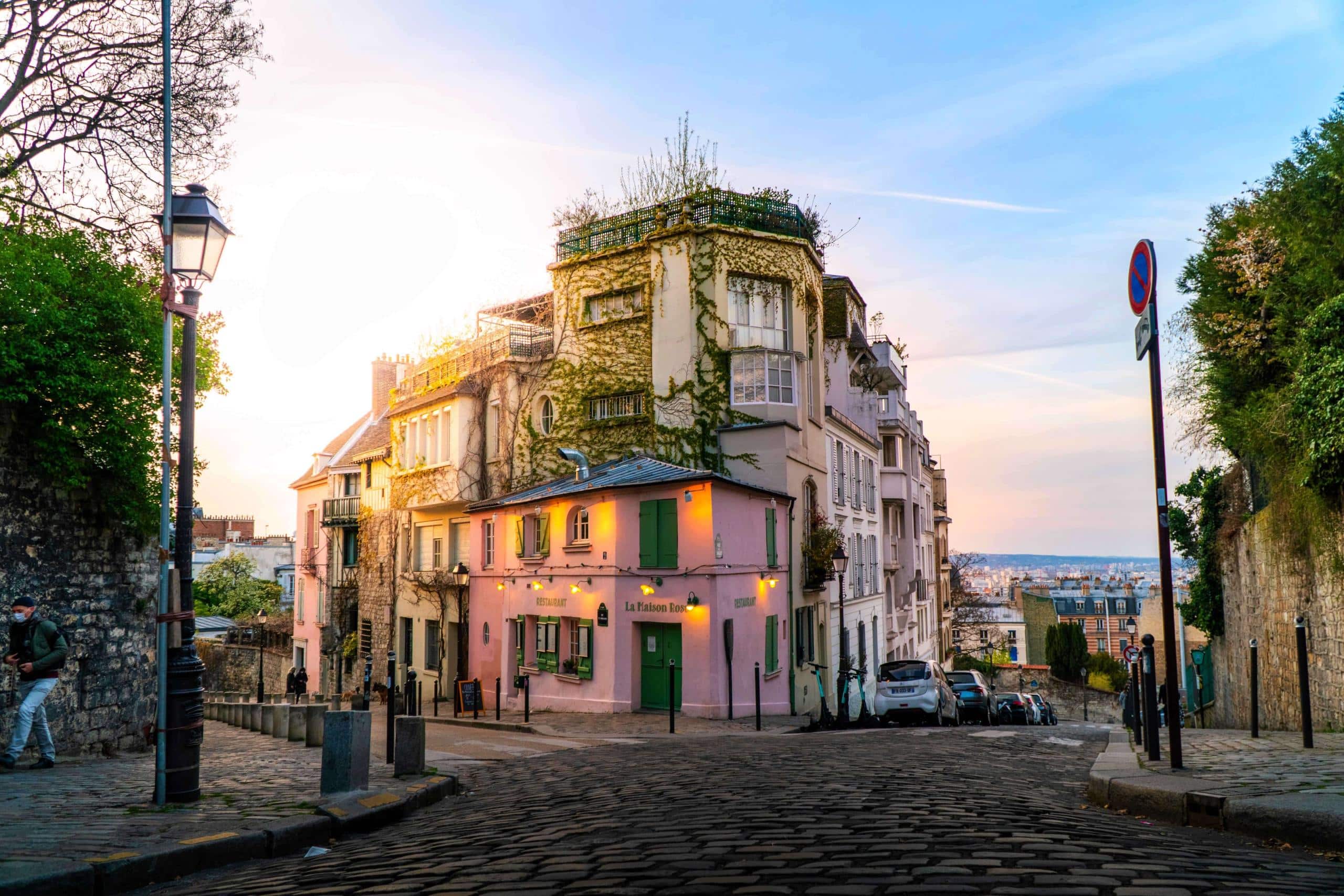
Once home to artists like Picasso and Van Gogh, Montmartre retains a bohemian spirit that continues to draw visitors. At the top of the hill, the Sacré-Cœur Basilica offers a stunning view of the city, while the surrounding area is filled with charming cafés, art studios, and cobblestone streets. Montmartre’s winding alleys and hidden courtyards are perfect for a leisurely walk, and the lively Place du Tertre, where local artists display their work, is a must-see.
The Latin Quarter
The Latin Quarter, situated on the Left Bank of the Seine, is synonymous with intellectual and artistic life. Home to the famous Sorbonne University, this historic district has long been a hub for writers, philosophers, and students. The neighborhood is filled with charming bookshops, cafés, and narrow streets lined with centuries-old buildings. Visitors can explore landmarks such as the Panthéon, where many of France’s most notable figures are buried, and the beautiful Jardin des Plantes, one of the oldest botanical gardens in the world.
3. Exploring Parisian Parks and Gardens
While Paris is often associated with its urban landscape, the city is also home to an impressive array of parks and gardens that offer a respite from the hustle and bustle of everyday life. These green spaces allow visitors to experience Paris in a more relaxed and tranquil way.
Luxembourg Gardens
The Luxembourg Gardens are a perfect example of Paris’s ability to balance nature with urban beauty. Located in the heart of the Left Bank, these gardens feature manicured lawns, tree-lined paths, and a large central fountain. The gardens are ideal for a leisurely stroll or a quiet afternoon picnic. The Palais du Luxembourg, which houses the French Senate, provides a striking backdrop to the lush surroundings. The park is also home to a picturesque pond where children can sail miniature boats, a charming activity that adds to the garden’s family-friendly atmosphere.
Bois de Boulogne
For a more expansive escape, head to the Bois de Boulogne, a vast park located on the western edge of Paris. With over 2,000 acres of forested land, lakes, and open fields, the Bois de Boulogne offers plenty of opportunities for outdoor activities, including boating, cycling, and picnicking. The park also contains several cultural attractions, such as the Fondation Louis Vuitton, a contemporary art museum housed in a striking glass building designed by Frank Gehry.
Parc des Buttes-Chaumont
Parc des Buttes-Chaumont, located in the 19th arrondissement, is one of the most picturesque parks in Paris. With its dramatic cliffs, a large artificial lake, and a charming suspension bridge, the park provides a sense of escape from the city. Visitors can explore the park’s winding pathways, relax by the lake, or climb to the top of the hill for panoramic views of Paris. The park’s peaceful atmosphere and unique landscape make it a hidden gem that is often overlooked by tourists.
4. Parisian Cuisine: A Feast for the Senses
Paris is a city that takes its food seriously, and for good reason. French cuisine is known for its sophistication, variety, and quality. Whether you’re enjoying a casual croissant at a café or indulging in a Michelin-starred meal, Paris offers something for every palate.
Bakeries and Pastries
No trip to Paris would be complete without sampling the city’s famous pastries. From buttery croissants to delicate macarons, Parisian bakeries offer a dizzying array of sweet and savory treats. Head to a traditional patisserie, such as Pierre Hermé or Ladurée, to try some of the city’s most renowned pastries. Don’t miss the éclair, a cream-filled pastry that has become a quintessential part of Paris’s culinary identity.

Bistros and Brasseries
For a more substantial meal, visit one of Paris’s classic bistros or brasseries. These casual eateries offer hearty French dishes like coq au vin, beef bourguignon, and duck confit. The atmosphere is relaxed and inviting, making it the perfect spot to enjoy a leisurely meal with a glass of wine. If you’re feeling adventurous, try escargots (snails) or foie gras—two dishes that are considered delicacies in French cuisine.
Fine Dining and Michelin Stars
For those looking to indulge in a world-class dining experience, Paris is home to numerous Michelin-starred restaurants. From Alain Ducasse at the Plaza Athénée to Guy Savoy, Paris is a mecca for gastronomes seeking the finest culinary creations. These restaurants offer a unique combination of innovation, artistry, and technique, and dining in them is an experience that will stay with you long after you’ve left the table.
5. The Art of Paris: Museums and Galleries
Paris is often referred to as the art capital of the world, and it’s not hard to see why. From the grandiose halls of the Louvre to the avant-garde exhibitions in contemporary galleries, Paris offers something for every type of art lover.
Musée d’Orsay
Located in a former railway station, the Musée d’Orsay houses an extensive collection of Impressionist and Post-Impressionist art. Works by Monet, Degas, Renoir, and Van Gogh can be found in its vast galleries. The museum’s stunning interior, with its soaring glass roof and ornate architecture, provides the perfect backdrop for the masterpieces within. For lovers of 19th-century art, the Musée d’Orsay is a must-visit.
Centre Pompidou
For a taste of contemporary art, the Centre Pompidou is the place to be. This striking building, designed by architects Renzo Piano and Richard Rogers, is a work of art in itself, with its exposed pipes and colorful exterior. Inside, the Centre Pompidou houses an impressive collection of modern and contemporary art, including works by Picasso, Kandinsky, and Duchamp. The museum also hosts regular exhibitions, performances, and screenings.
Musée de l’Orangerie
Situated in the Tuileries Gardens, the Musée de l’Orangerie is known for its collection of Monet’s “Water Lilies.” The museum’s intimate setting allows visitors to appreciate these iconic works up close, as well as other pieces by painters such as Cézanne, Renoir, and Matisse. The museum’s serene atmosphere and its focus on Impressionist and Post-Impressionist art make it a wonderful place to explore at a leisurely pace.
6. Hidden Gems and Quirky Experiences
Beyond the well-known landmarks, Paris is filled with quirky and lesser-known spots that are just waiting to be discovered. These hidden gems provide a glimpse into the city’s more unconventional side.
The Catacombs of Paris
For a truly unique experience, venture underground to the Catacombs of Paris, a network of tunnels that house the remains of over six million people. These eerie catacombs were created in the 18th century to address overcrowded cemeteries. Today, visitors can tour the underground ossuary, which is both macabre and fascinating. It’s a must-see for those interested in Paris’s darker history.
Musée des Arts Forains
The Musée des Arts Forains, or the Museum of Fairground Arts, is a hidden gem located in the Bercy district. This quirky museum showcases the history of French carnival and fairground culture, with vintage amusement rides, games, and circus artifacts. It’s a fun, interactive experience that provides a unique perspective on Parisian culture.
Conclusion: A City of Infinite Possibilities
Paris is a city that defies easy categorization. While the Eiffel Tower may be the city’s most famous landmark, it is by no means the only attraction worth seeing. From historic landmarks to artistic treasures, vibrant neighborhoods to lush gardens, Paris offers a seemingly endless array of experiences. Whether you’re a first-time visitor or a seasoned traveler, Paris always has something new to discover, and each visit offers a chance to uncover another layer of its charm and mystery.
Paris is more than just the Eiffel Tower—it is a city that invites you to explore, experience, and fall in love with its many facets. So the next time you find yourself in Paris, take a moment to step beyond the iconic tower and delve into the city’s heart and soul. The possibilities are endless.