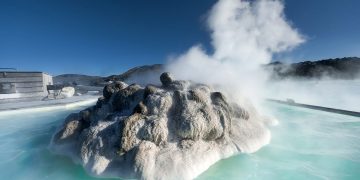










New Zealand, a land of vast, untamed landscapes, is a nation deeply connected to its wilderness. From the soaring peaks of the Southern Alps to the lush rainforests of the West Coast and the geothermal activity of the Rotorua region, the country’s natural environment has played an integral role in shaping its culture, identity, and worldview. This relationship between wilderness and culture is not merely symbolic; it is a living, breathing force that continues to influence New Zealand’s people, traditions, and creative expressions.
The Wilderness as a Cultural Keystone
At the heart of New Zealand’s culture is the concept of Whenua—land, which is sacred and alive with spiritual significance. This deep connection to the land is rooted in Māori traditions and extends to all who call New Zealand home. The Māori, the indigenous people of Aotearoa, have a profound connection to the land that permeates their language, art, and worldview. The wilderness, in all its forms, has shaped the Māori’s relationship with the natural world, from the mountains (known as maunga) to the seas (moana) and the forests (wao).
For Māori, the wilderness is not something to be conquered or tamed, but something to be respected and revered. This reverence for nature, which can be seen in the Māori concept of kaitiakitanga (guardianship), has influenced modern New Zealand society, fostering an environmental consciousness that permeates both public policy and personal values.
Environmental Stewardship and National Identity
New Zealanders, or Kiwis, take immense pride in their natural heritage. The country’s isolation, both geographically and historically, has created a unique sense of place and identity. The wilderness is seen as a defining feature of New Zealand, influencing everything from national branding to tourism and local customs. The distinctive flora and fauna, such as the kiwi bird, the haka, and the giant ferns, are not only symbols of the nation but also a reflection of the people’s deep connection to the land.
New Zealand’s environmental consciousness is also embedded in its political landscape. The country’s commitment to environmental sustainability and conservation is evident in its robust laws, such as the Resource Management Act and the Conservation Act, which protect both natural and cultural heritage. This responsibility to care for the land has been passed down through generations, and modern Kiwis continue to prioritize sustainability through practices such as waste reduction, organic farming, and renewable energy use.
The wilderness also plays a crucial role in New Zealand’s national consciousness during times of crisis or celebration. Whether it’s the nation rallying together after a natural disaster like the Christchurch earthquakes or celebrating the resilience and achievements of New Zealanders on the world stage, the wilderness serves as a reminder of the land’s power and beauty.
Māori Mythology and the Sacredness of Nature
Māori mythology is steeped in stories of the natural world, where mountains, rivers, and forests are personified and revered. The mountains of New Zealand are not just geographical features; they are ancestors. For example, Tongariro, one of New Zealand’s most iconic volcanoes, is considered a living, breathing entity in Māori culture. According to Māori legend, Tongariro was the battleground for a great fight between the gods, and its eruptions are seen as expressions of divine will. Such stories are intertwined with the land, giving each location its own sacred significance.
The Māori belief in the interconnection of all living things—people, animals, and nature—shapes not only their religious practices but also their everyday lives. This sense of spiritual kinship with nature encourages a worldview in which every interaction with the environment is one of respect and mutual care. These teachings have not only influenced Māori but have found a resonance with New Zealanders of all backgrounds. Today, environmental activism, rooted in these traditions, is a major force in the country, driving initiatives like the Zero Carbon Act and large-scale conservation efforts such as the Save the Kiwi program.

Adventure, Sport, and the Spirit of the Outdoors
The allure of New Zealand’s wilderness is not limited to its spiritual and cultural significance; it is also a source of adventure and physical challenge. The country’s rugged landscape provides the perfect playground for outdoor enthusiasts, from hiking and mountain climbing to bungee jumping and white-water rafting. The New Zealand identity is inextricably linked to the outdoors and the sense of adventure that it inspires.
The global appeal of New Zealand’s adventure tourism industry is a direct result of the nation’s breathtaking wilderness. The country’s natural beauty has become a backdrop for popular movies, including The Lord of the Rings trilogy, which catapulted New Zealand onto the world stage as a center of cinematic wonder. The landscapes showcased in the films, such as the dramatic fjords, rolling hills, and vast plains, have become synonymous with the country’s adventurous spirit.
But beyond tourism and filmmaking, adventure is also part of New Zealand’s national psyche. Kiwis are known for their love of sports, many of which are deeply rooted in the natural environment. Rugby, New Zealand’s national sport, is often played in outdoor arenas, while cricket and rowing are popular summer activities. Additionally, the culture of tramping (hiking) through the country’s extensive network of tracks, including the famed Routeburn Track and Tongariro Alpine Crossing, is a national pastime. These outdoor activities are not merely about recreation; they are ways to reconnect with the land and experience its transformative power.

The Role of Wilderness in Art and Literature
The wilderness has also played a prominent role in shaping New Zealand’s artistic and literary traditions. New Zealand writers, poets, and artists have long drawn inspiration from the country’s stunning landscapes. Writers such as Janet Frame and Keri Hulme have explored themes of isolation, belonging, and the interplay between people and the land in their works. For them, the wilderness is both a place of personal reflection and a source of creative energy.
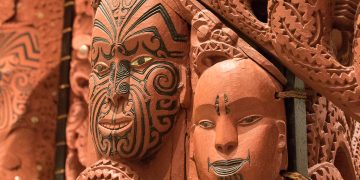
In the visual arts, painters like Colin McCahon and Ralph Hotere have used New Zealand’s natural world as the focal point of their works. McCahon’s minimalist landscapes, which often feature dark, moody skies and dramatic light, evoke the raw power of the New Zealand wilderness. Similarly, the Māori tradition of whakairo (carving) often depicts natural forms and motifs that reflect the sacred relationship between people and the land.
The wilderness continues to influence contemporary New Zealand artists, including those working in film and photography. The country’s remote, awe-inspiring locations provide the perfect canvas for capturing the emotions and stories that define the human experience. Whether it’s in literature, visual art, or film, the wilderness remains a powerful and enduring theme in New Zealand’s creative culture.
Indigenous Knowledge and Environmental Sustainability
As the world grapples with the challenges of climate change and environmental degradation, New Zealand’s indigenous Māori knowledge offers valuable lessons in sustainability. The Māori tradition of kaitiakitanga emphasizes the role of humans as guardians of the Earth, rather than exploiters of its resources. This concept has become increasingly relevant as New Zealand faces environmental challenges such as water pollution, deforestation, and the loss of biodiversity.
Incorporating traditional Māori environmental knowledge into modern sustainability practices is an ongoing effort in New Zealand. The resurgence of Māori language and culture, combined with an increasing awareness of indigenous knowledge systems, is reshaping how Kiwis think about conservation and environmental stewardship. Māori principles of tapu (sacredness) and mana (spiritual authority) are increasingly being applied to modern conservation efforts, from the protection of native species to the restoration of freshwater ecosystems.
The concept of mātauranga Māori (Māori knowledge) is now recognized as an essential component of New Zealand’s environmental policy, contributing to the country’s efforts to balance development with sustainability. It serves as a reminder that the wilderness is not something to be merely exploited, but something to be protected and nurtured for future generations.
Conclusion: A Living Relationship with the Land
New Zealand’s wilderness is far more than just a backdrop to the nation’s cultural identity; it is an active, vital force that shapes the lives and values of its people. From the Māori traditions of environmental guardianship to the global appeal of its natural beauty, the country’s wilderness is woven into the fabric of its culture. The land provides not only the raw materials for art, sport, and industry but also the spiritual and philosophical grounding for a society that values sustainability, adventure, and respect for nature.
The ongoing dialogue between the people of New Zealand and their wilderness is a testament to the enduring power of the natural world in shaping human culture. As New Zealand continues to grapple with the challenges of the modern world, its relationship with its wilderness will remain a source of strength, inspiration, and renewal.