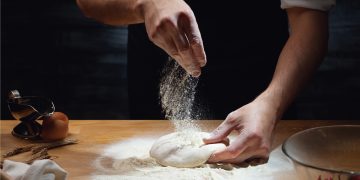











There’s something magical about pizza. The golden crust, the bubbling cheese, the tantalizing aroma—it’s comfort, joy, and culinary mastery all wrapped into one circular masterpiece. While toppings and sauce often steal the spotlight, the unsung hero of any exceptional pizza is the dough. Perfecting homemade pizza dough is both an art and a science, a delicate balance between chemistry, technique, and intuition. In this guide, we’ll unravel every secret, tip, and technique you need to turn your kitchen into a pizzeria.
Understanding the Foundation: Ingredients Matter
The journey to pizza perfection begins with understanding the building blocks of dough. Each ingredient plays a crucial role in structure, texture, and flavor.
Flour: The Backbone of Dough
Flour isn’t just flour. The type you choose affects gluten development, elasticity, and chewiness.
- High-Protein (Bread) Flour: Ideal for classic chewy pizza crusts. High gluten content creates stretch and structure.
- All-Purpose Flour: More versatile, produces a softer, lighter crust, slightly less chewy.
- 00 Flour: Italian specialty flour, finely milled, produces silky, thin-crust pizzas with an almost pillow-like chew.
Pro Tip: For maximum flavor, try blending flours—70% 00 flour, 30% bread flour offers a perfect balance of stretch and bite.
Yeast: The Engine of Rise
Yeast is alive, and it’s the heart of dough fermentation. Understanding yeast behavior can elevate your pizza from good to spectacular.
- Active Dry Yeast: Needs to be dissolved in warm water before mixing. Classic choice for home bakers.
- Instant Yeast: Can be added directly to flour; faster fermentation.
- Fresh Yeast: Highly perishable but imparts deep flavor.
Secret Tip: Don’t rush yeast. A slow, cold fermentation (12–48 hours in the fridge) develops complex flavors and a light, airy crumb.
Water: More Than Just Hydration
Water quality and temperature matter. Soft water (low mineral content) is ideal. Too hot, and you risk killing the yeast; too cold, and fermentation slows.
Magic Ratio: Most traditional pizza doughs use 60–65% hydration (water weight as a percentage of flour weight). Higher hydration yields a more open, airy crumb, but can be trickier to handle.
Salt: Small But Mighty
Salt is critical for flavor and dough structure. It tightens gluten networks, controls yeast activity, and enhances taste. Don’t skip it—your pizza will taste flat without it.
Rule of Thumb: 2% of flour weight. Too much, and yeast slows down; too little, and the dough loses structure and flavor.
Olive Oil: Optional, but Often Essential
Olive oil softens the dough, improves elasticity, and adds subtle flavor. Some traditional Neapolitan recipes skip it, but most home bakers benefit from a splash.
Technique Is Everything: From Mixing to Kneading
Even the best ingredients fail without proper technique. Let’s break it down step by step.
Mixing: The First Step to Harmony
Mixing combines ingredients evenly and starts gluten development. You can mix by hand or with a stand mixer.
- Hand Mixing: Allows tactile control, feeling the dough texture.
- Stand Mixer: Efficient and consistent, especially for higher hydration doughs.
Pro Tip: Mix until ingredients are just combined, then let the dough rest for 15–20 minutes (autolyse). This rest period helps gluten relax, making kneading easier and improving dough extensibility.
Kneading: Developing Structure
Kneading is where magic happens. Gluten strands align, trapping gas for airy, chewy crusts.
- By Hand: Fold, push, and stretch. About 10 minutes for medium hydration dough.
- With Mixer: 6–8 minutes on low-medium speed.
Key Indicator: Dough should be smooth, elastic, and slightly tacky, not sticky. The “windowpane test”—stretch a small piece of dough; it should form a thin, translucent membrane without tearing.
Bulk Fermentation: Patience Pays Off
Let the dough rise in a lightly oiled bowl. This is where flavor and texture develop.
- Room Temperature: 1–2 hours for fast dough.
- Cold Fermentation: 12–48 hours in the fridge for complex flavor.
Pro Tip: Turn the dough gently during fermentation to redistribute gases and promote uniform texture.
Shaping: The Art of Stretching Dough
:max_bytes(150000):strip_icc()/neapolitan-pizza-recipe-2708789-step-06-01bc9823ce9c4487820bbb522d1db3d1.jpg)
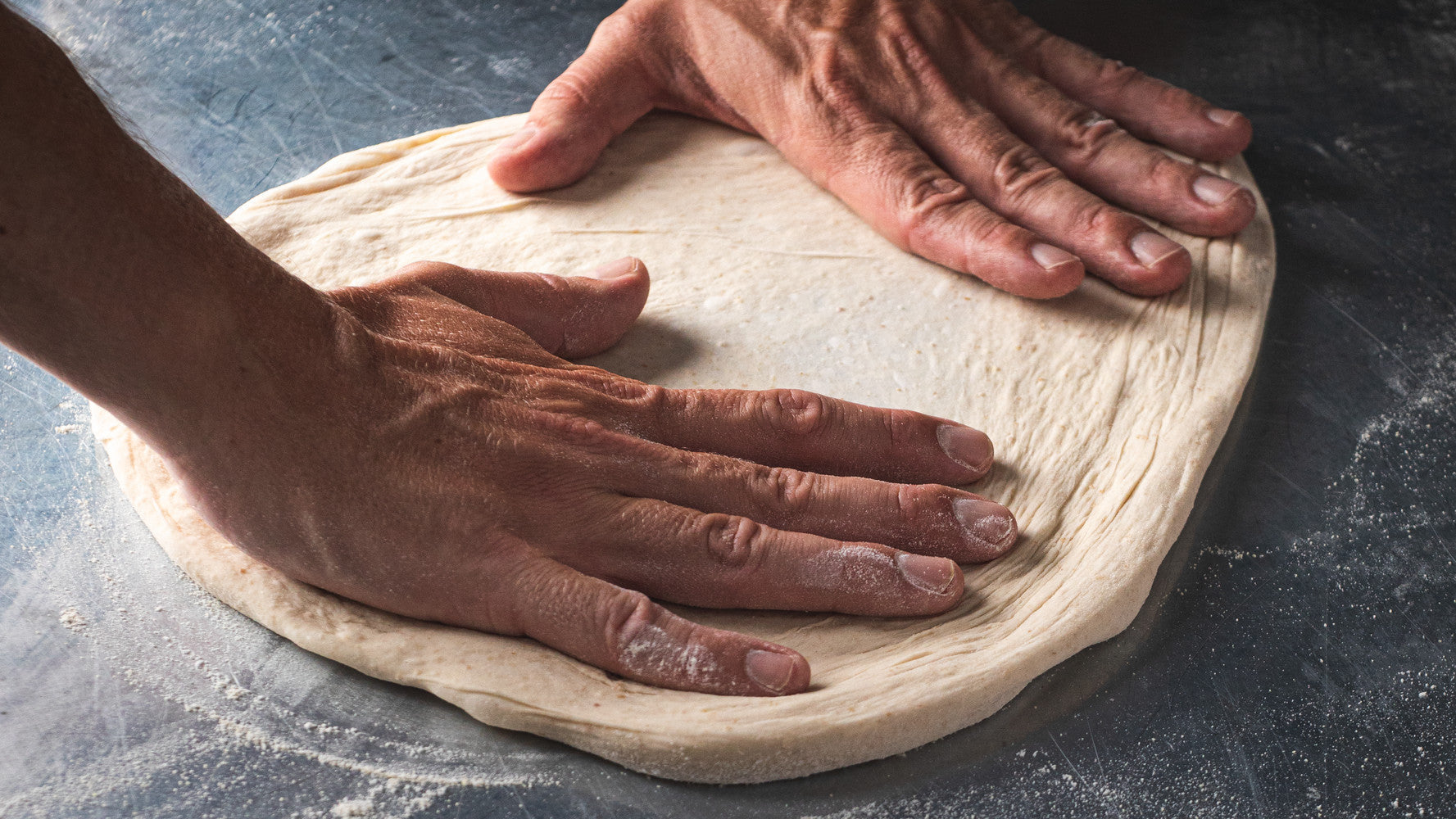
Perfect shaping preserves air pockets and creates the ideal crust.
- Traditional Toss: For confident hands; preserves bubbles.
- Hand Stretching: Use fingertips, not a rolling pin. Press from the center out, leaving a thicker edge for the crust.
Warning: Overworking deflates the dough. Handle gently and respect its airiness.
Baking: The Fiery Finale
Your oven choice and baking method can make or break your pizza.
- Home Oven: Preheat to maximum (usually 250–275°C / 480–520°F). Use a pizza stone or steel for direct heat transfer.
- Wood-Fired Oven: Produces signature leopard-spotted crust and smoky flavor.
- Baking Steel: Excellent for crispy, evenly baked crusts.
Pro Tip: Bake pizza at the highest possible temperature. A hotter oven = crispier crust, beautifully caramelized cheese, and faster bake time.
Troubleshooting Common Dough Problems
Even experienced bakers face challenges. Here’s how to fix them:
- Dense Crust: Likely under-proofed. Give dough more time to rise.
- Too Sticky: Add flour gradually; don’t overdo it. Could also indicate high hydration—practice handling wet dough.
- Tough Crust: Over-kneaded or too little hydration. Relax dough with a rest period.
- Flat Pizza: Yeast may be dead, or dough overworked. Check yeast freshness and fermentation time.
Flavor Hacks: Elevate Your Dough
- Autolyse: Rest flour and water before adding yeast and salt for better extensibility.
- Preferments (Biga or Poolish): Add complexity and depth of flavor.
- Sugar or Honey: Small amounts feed yeast and enhance browning.
Pairing Dough with Pizza Styles
Different pizzas demand different dough styles:
- Neapolitan: High hydration, soft, airy, cooked at extreme heat.
- New York-Style: Medium hydration, chewy, slightly crisp, ideal for folding.
- Sicilian: Thick, airy, slightly oily, baked in a pan.
- Detroit-Style: High hydration, crispy edges, rectangular pan baking.
Storing and Freezing Dough
- Short-Term: Room temperature 1–2 hours or fridge 24 hours.
- Long-Term: Freeze portions in airtight bags for up to 3 months. Thaw slowly in the fridge before shaping.
The Final Secret: Experimentation and Intuition
The most important secret? Trust your senses. Feel the dough, smell the fermentation, observe color and texture. Baking is as much intuition as science. Adjust hydration, fermentation, and handling based on experience and desired results.
Perfecting pizza dough is a journey. Every batch teaches something new. With patience, attention, and a pinch of creativity, your homemade pizza can rival any pizzeria’s. Remember, it’s not just about following a recipe—it’s about understanding the ingredients, respecting the process, and having fun along the way.