










Wine and cheese. It’s one of the most celebrated combinations in the culinary world. Yet, despite its widespread appeal, many people still struggle to achieve the perfect pairing. Some gravitate toward a standard bottle of red or white wine, while others rely on their gut instinct. However, the secret to a truly satisfying pairing lies in the delicate art of matching the nuances of both the cheese and the wine.
In this article, we will explore the essential principles of pairing wine with cheese, delve into the science behind these pairings, and offer practical tips to help elevate your next cheese and wine experience. Whether you’re a novice or a seasoned connoisseur, there’s always more to learn when it comes to the rich tapestry of flavors that can be achieved through the right wine and cheese pairing.
Understanding the Basics: How Wine and Cheese Interact
The first step in pairing cheese with wine is understanding how the two interact. Both wine and cheese are complex foods that undergo fermentation. They are products of living cultures, each with their own distinct textures, flavors, and aromas. This complexity makes pairing an exciting challenge.
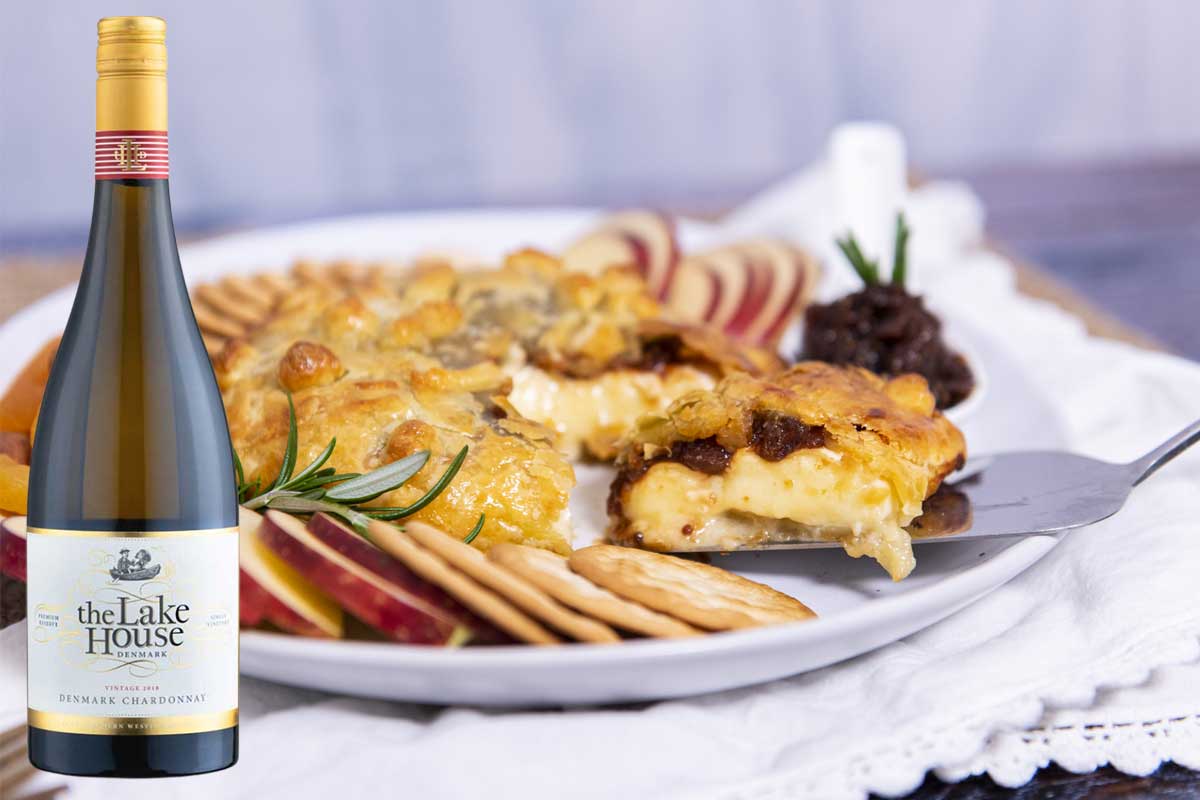
The general principle when pairing wine and cheese is balance. You want the flavors of both to complement each other, not overpower. As a rule of thumb, a good pairing enhances the experience of both the wine and the cheese without one dominating the other. For example, a rich, creamy cheese like Brie pairs wonderfully with a crisp, acidic white wine like Chardonnay, as the acidity cuts through the cheese’s richness, creating harmony.
The Role of Tannins
One important element to consider when pairing wine and cheese is tannins. Tannins are compounds found in wine that contribute to its bitterness and astringency. These compounds come primarily from the skins, seeds, and stems of grapes. Wines like Cabernet Sauvignon, which have a higher tannin content, may seem harsh or overly dry on their own, but when paired with a cheese high in fat, like aged cheddar, the fat can mellow out the bitterness of the wine.
Acidity in Wine and Cheese
Acidity is another critical factor in pairing wine with cheese. High-acid wines, such as Sauvignon Blanc or a young Riesling, work well with cheeses that also have a tangy or slightly acidic flavor. Goat cheeses, for example, often have a tang that pairs wonderfully with acidic wines, creating a vibrant contrast that highlights the best qualities of both. Similarly, a sharp, acidic wine can balance out the richness of a creamy cheese, providing a refreshing counterpoint to its heaviness.
Salt and Sweetness
Salt is a key player in the cheese world. Many cheeses, particularly aged ones, have a salty kick that can influence how they pair with wine. Sweet wines, such as Port or Sauternes, can work wonders with salty cheeses like Roquefort or blue cheese. The sweetness of the wine helps to soften the saltiness of the cheese, creating a delightful contrast. This balance between sweet and salty is one of the reasons why wine and cheese pairings are so universally enjoyed.
The Cheese Selection
To make the best wine pairings, it’s crucial to understand the different types of cheese and their characteristics. Cheese can be broadly categorized based on texture, age, and milk type. Here’s a quick guide to some of the most popular cheese varieties and how to pair them with wine.
Soft Cheeses
Soft cheeses, such as Brie, Camembert, and goat cheese, have a creamy texture and a delicate flavor profile. Because these cheeses are often mild in taste, they tend to pair best with wines that are light, crisp, and have moderate acidity.
- Brie and Camembert: These soft, creamy cheeses pair wonderfully with white wines like Chardonnay or Sauvignon Blanc. A lightly oaked Chardonnay offers a good balance of acidity and creaminess.
- Goat Cheese: The tangy, earthy notes of goat cheese are complemented by a wine with good acidity. A Sauvignon Blanc or a crisp, dry rosé enhances the cheese’s flavors while providing a refreshing contrast to its richness.
Semi-Hard Cheeses
Semi-hard cheeses like Gruyère, Comté, and Jarlsberg have a firmer texture and a more complex flavor. Their nutty, savory profile makes them versatile for pairing with both red and white wines.
- Gruyère and Comté: These nutty cheeses pair excellently with wines that have a bit more body, such as a Pinot Noir or a Chardonnay. Both these wines have enough structure to support the cheese’s complex flavors without overpowering them.
- Jarlsberg: A slightly sweet and nutty cheese, Jarlsberg is a great match for a wine like a Merlot, whose soft tannins complement the mild, milky flavors of the cheese.
Hard Cheeses
Hard cheeses, such as Parmesan, Pecorino, and Manchego, have intense flavors and are often quite salty. These cheeses tend to pair best with full-bodied red wines that can stand up to their bold flavors.
- Parmesan: A classic pairing with an Italian red like Chianti, or even a rich, robust Cabernet Sauvignon. The umami flavor of Parmesan is nicely enhanced by the tannins in these wines.
- Pecorino: The saltiness and sharpness of Pecorino are balanced by a red wine like Sangiovese or a medium-bodied Chianti.
Blue Cheeses
Blue cheeses, such as Roquefort, Gorgonzola, and Stilton, are pungent and complex, with a salty and tangy profile. These cheeses require a wine with enough sweetness and body to balance their bold flavors.
- Roquefort and Gorgonzola: Both of these cheeses are perfectly paired with a sweet wine, such as a Port or Sauternes. The sweetness of the wine helps to mellow the saltiness of the blue cheese, while the wine’s richness complements the cheese’s intensity.
Fresh Cheeses

Fresh cheeses like mozzarella, ricotta, and burrata have a delicate, mild flavor that pairs well with wines that are light and not too overpowering.
- Mozzarella: This soft, fresh cheese pairs well with a light, fruity white wine like Pinot Grigio or a light rosé. These wines accentuate the mild flavor of the cheese without overshadowing it.
- Ricotta and Burrata: With their fresh and creamy texture, both cheeses pair best with a crisp, bright white wine like Sauvignon Blanc or an Italian white such as Vermentino.
Matching Wine to Cheese: A Practical Guide
Now that we understand the characteristics of various cheeses, let’s dive into the practical aspect of wine and cheese pairing. Here’s a quick guide to help you make delicious pairings based on the type of cheese you’re serving.
Red Wines
Red wines are often associated with heartier cheeses, particularly the harder varieties. The tannins in red wines like Cabernet Sauvignon, Syrah, and Merlot provide a good balance for the fat in these cheeses.
- Cabernet Sauvignon: Pairs well with aged cheddar, Gruyère, and Parmesan.
- Merlot: A versatile red that complements both semi-soft cheeses like Havarti and firmer cheeses like Gouda.
- Pinot Noir: A lighter red that goes well with Brie, Camembert, and Gruyère.
White Wines
White wines tend to be lighter and more acidic than reds, making them great choices for pairing with soft cheeses and fresh cheeses.
- Chardonnay: The creaminess of oaked Chardonnay works well with rich cheeses like Brie, Camembert, and even soft blue cheeses.
- Sauvignon Blanc: Pairs well with tangy cheeses like goat cheese and feta, as the wine’s acidity balances the cheese’s richness.
- Riesling: A versatile white that can pair with both salty cheeses like blue cheese and mild, creamy cheeses like mozzarella.
Sparkling Wines
Sparkling wines like Champagne or Prosecco are ideal for pairing with cheeses that have a creamy or fatty texture. The bubbles and acidity in these wines help cleanse the palate between bites.
- Champagne: Pairs well with soft cheeses like Brie and Camembert, as well as with salty blue cheeses.
- Prosecco: Works wonderfully with fresh cheeses like ricotta and mozzarella, or even light soft cheeses like cream cheese.
Dessert Wines
For a sweet treat, dessert wines like Sauternes, Port, and Ice Wine are the perfect companions for salty or sharp cheeses. These wines are rich, sweet, and have enough body to stand up to the intensity of blue cheeses or aged varieties.
- Port: A classic pairing for blue cheeses such as Roquefort or Stilton.
- Sauternes: Pairs beautifully with sweet and tangy blue cheeses, as well as rich, creamy cheeses.
Final Tips for Successful Pairing
- Consider Intensity: When pairing, make sure the intensity of the wine matches the intensity of the cheese. A delicate cheese deserves a delicate wine, while a strong, aged cheese can handle a robust wine.
- Balance Fat with Acidity: Rich, fatty cheeses pair beautifully with wines that have high acidity. This helps cut through the fat and refreshes the palate.
- Experiment: Don’t be afraid to try unconventional pairings. Wine and cheese pairing is as much about personal preference as it is about tradition. Experiment with different combinations to find what works best for your taste.
Conclusion
Pairing wine with cheese may seem like an intimidating task, but with a bit of understanding and experimentation, anyone can master it. By considering the cheese’s texture, flavor profile, and intensity, and pairing it with a wine that complements or contrasts those qualities, you can unlock a whole new world of culinary pleasure. So the next time you’re preparing a cheese board or enjoying a glass of wine, put a little more thought into your pairing—it might just elevate the experience.