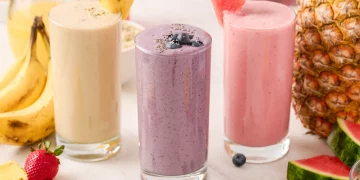











Smoothies have become a go-to option for busy individuals looking to fuel their bodies with essential nutrients on the go. They’re quick, convenient, and easy to consume—perfect for a fast-paced lifestyle. But with the growing popularity of pre-packaged smoothies, many people are left wondering: Are pre-packaged smoothies as nutritious as freshly made ones?
While the convenience of pre-packaged smoothies can’t be denied, questions around their nutritional content, taste, and quality remain. Are they really a healthy choice, or are we being sold a version of convenience at the cost of nutrition? To answer this question, let’s break down the pros and cons of both pre-packaged and fresh smoothies, comparing them on factors like nutritional value, ingredients, storage, and overall health impact.
The Basics of Smoothie Nutrition
Before diving into the comparison, it’s important to understand what makes a smoothie nutritious in the first place. A well-balanced smoothie typically contains a combination of:
- Fruits and Vegetables – These provide essential vitamins, minerals, and fiber.
- Proteins – This could come from dairy, plant-based protein powders, or nut butters.
- Healthy Fats – Sources like avocados, chia seeds, or coconut oil can give the smoothie a satisfying texture and help with nutrient absorption.
- Liquids – Water, milk, or plant-based milks are often used as a base.
- Sweeteners – Naturally occurring sweeteners like honey or maple syrup are sometimes added, though many opt for sugar-free versions for a healthier approach.
Fresh Smoothies: The Gold Standard?
When we talk about freshly made smoothies, we’re referring to smoothies that you make at home or order freshly prepared from a café. The key advantage of these is that you have total control over what goes into your smoothie. You can use the freshest ingredients available, adjust the proportions to your taste, and even substitute any ingredients you prefer.
Nutritional Benefits of Fresh Smoothies
- Fresh Ingredients: Homemade smoothies often contain high-quality, fresh fruits and vegetables, which retain most of their nutrients. Fresh produce has not been processed or stored for long periods, so it typically has a higher vitamin and antioxidant content.
- No Additives: Making your own smoothies means you’re free from any preservatives, added sugars, or stabilizers. You can opt for organic or locally sourced ingredients to maximize the nutrient density of your smoothie.
- Customization: Fresh smoothies offer the flexibility to customize ingredients based on dietary needs, whether you’re looking to boost protein, increase fiber, or lower sugar intake.
Drawbacks of Fresh Smoothies
- Time-Consuming: Preparing fresh smoothies can take time—washing, chopping, and blending all the ingredients requires effort, especially if you’re trying to create a more elaborate recipe.
- Short Shelf Life: A freshly made smoothie can’t be stored for too long. It’s best consumed right away, and if you don’t finish it, you risk losing some of the nutritional value over time.

The Appeal of Pre-Packaged Smoothies
Pre-packaged smoothies are a relatively new innovation in the health food industry, but their popularity is growing fast. These smoothies are typically sold in single-serving bottles or pouches and can be found in grocery stores, health food stores, and even convenience stores. The convenience of grabbing one off the shelf and drinking it immediately is undeniable, but how do they stack up in terms of nutrition?
Nutritional Benefits of Pre-Packaged Smoothies
- Convenience: The primary advantage of pre-packaged smoothies is their ease of use. You can grab one from the fridge and enjoy it on the go—no prep time or clean-up required. This is a significant draw for busy professionals, travelers, or anyone who needs a quick, nutritious snack.
- Consistency: Pre-packaged smoothies provide a consistent taste and texture. You don’t have to worry about your smoothie being too thick or too watery since manufacturers ensure the recipe is just right.
- Long Shelf Life: Unlike fresh smoothies, which need to be consumed immediately, pre-packaged smoothies have a longer shelf life. They’re often pasteurized, meaning they can be stored in the fridge for several weeks without spoiling.
Drawbacks of Pre-Packaged Smoothies
- Processing: Most pre-packaged smoothies undergo some form of processing, which can reduce their overall nutrient content. Even though they may contain many of the same ingredients as a fresh smoothie, the heat or cold processing can destroy certain vitamins, such as Vitamin C, and break down antioxidants.
- Additives: Pre-packaged smoothies often contain preservatives, flavorings, and stabilizers to maintain their shelf life and ensure the taste remains consistent. Some also include added sugars or sweeteners, which can add empty calories.
- Less Customization: Pre-packaged smoothies are limited to the ingredients selected by the manufacturer. You may not have the option to adjust the recipe to your liking or dietary needs (for example, swapping a fruit for another, or adding a protein boost).
A Nutritional Breakdown: Fresh vs. Pre-Packaged Smoothies
Vitamins and Minerals

One of the most significant differences between fresh and pre-packaged smoothies lies in their vitamin content. Freshly prepared smoothies typically retain a higher concentration of vitamins, particularly those that are sensitive to heat and light, such as Vitamin C and certain B vitamins. The process of pasteurization used to extend the shelf life of pre-packaged smoothies can degrade these vitamins, meaning you may not get the full benefit from a store-bought version.
For example: Fresh berries are rich in antioxidants and Vitamin C, but when subjected to heat processing, much of the vitamin C can be lost. While the antioxidant content may still be present, it might not be as potent as in a freshly made smoothie.
Fiber Content
Fiber is another crucial element in smoothies, as it aids digestion and helps maintain a healthy gut. Fresh fruits and vegetables, especially those that are blended whole, retain the most fiber. Pre-packaged smoothies, however, may lose some fiber during processing. Some manufacturers may even add fiber powders to compensate, but this doesn’t always have the same health benefits as the fiber in whole fruits.
Protein and Healthy Fats
Both fresh and pre-packaged smoothies can be a good source of protein and healthy fats, depending on the ingredients you choose. Fresh smoothies offer more flexibility when it comes to adding protein sources (such as Greek yogurt, protein powder, or nut butters) or healthy fats (like chia seeds, flaxseeds, or avocado). Pre-packaged smoothies, on the other hand, may contain a set amount of protein and fats that might not align with your dietary preferences.
Taste and Texture: Fresh vs. Pre-Packaged
When it comes to taste, this is where personal preference plays a significant role. Fresh smoothies are typically thicker, more vibrant, and full of natural flavor, especially if you use high-quality fruits and vegetables. You can customize the texture and flavor to suit your needs, adjusting sweetness levels or adding flavor-enhancing ingredients like mint, cinnamon, or vanilla.
Pre-packaged smoothies, while convenient, may sometimes have a slightly different taste or texture due to the inclusion of preservatives or added sweeteners. While manufacturers aim to make their smoothies as delicious as possible, it’s not uncommon for the flavor to feel less “fresh” than a homemade version. However, they often have a smoother consistency, and their ingredients are blended to a fine, uniform texture, making them easier to drink quickly.
How to Make the Healthiest Choice?
If you’re wondering whether to reach for a pre-packaged smoothie or prepare one fresh, here are some key factors to consider:
- Your Lifestyle: If you lead a busy lifestyle with limited time for meal prep, pre-packaged smoothies might be a practical solution. They’re a quick way to get nutrients on the go. However, if you have the time and enjoy experimenting with ingredients, a freshly made smoothie offers more control over your health choices.
- Nutritional Goals: If you’re looking to maximize the nutritional value of your smoothie, fresh ingredients are typically the best option. You can use organic produce, add superfoods, and adjust the ingredients to suit your specific health goals. For example, if you’re working on building muscle, you can add extra protein, or if you’re trying to lose weight, you can control the number of calories and sugar in your smoothie.
- Ingredient Quality: Not all pre-packaged smoothies are created equal. Some brands focus on high-quality, organic ingredients, while others may contain unnecessary fillers or added sugars. If you opt for pre-packaged, always check the ingredient list to ensure you’re getting a product that aligns with your health values.
Conclusion
So, are pre-packaged smoothies as nutritious as fresh ones? The answer depends on your individual needs, lifestyle, and preferences. Fresh smoothies are generally more nutrient-dense, free from additives, and customizable, making them the healthier choice for those who have the time to prepare them. However, pre-packaged smoothies can be a convenient, viable alternative for those who prioritize convenience over perfect nutrition, provided you choose a high-quality product.
Ultimately, the most important factor is incorporating more fruits, vegetables, and healthy ingredients into your diet. Whether fresh or pre-packaged, a smoothie can be a delicious, easy way to nourish your body and stay on track with your health goals.