









Transylvania, a name that conjures images of foggy castles, eerie forests, and the shadow of Count Dracula lurking in the night, has long been associated with the famous literary vampire. However, this region of central Romania, nestled between the Carpathian Mountains and the Transylvanian Alps, offers much more than its fictional dark past. From its rich cultural heritage to its remarkable natural beauty, Transylvania is a destination brimming with history, folklore, and landscapes that stretch far beyond the realm of Dracula.
The Heart of Romania: A Region Rich in History and Culture
Transylvania’s history dates back over 2,000 years, long before Bram Stoker’s Dracula brought it to the world’s attention. The region has been home to numerous civilizations, from the ancient Dacians to the Romans, the medieval Saxons, and Hungarians. Its diverse past is reflected in the architecture, the people, and the language that binds the region together.
A Land of Conquerors and Kingdoms
The Dacians, an ancient civilization, were the first to establish a lasting presence in Transylvania. They built impressive fortresses that are still visible today, like those in the Orăștie Mountains, which are UNESCO World Heritage Sites. Following the Roman conquest in 106 AD, the Romans left behind their own legacy, including roads, fortresses, and the introduction of Latin-based language that laid the foundation for the Romanian language spoken today.
By the medieval era, Transylvania was a contested region, often controlled by Hungarian and Ottoman powers. The Hungarian Kingdom established settlements, and the Saxons, a German-speaking group, were invited to fortify the region and establish towns. The fortified churches and medieval towns built by the Saxons—like Sighișoara, Brașov, and Sibiu—are some of the most picturesque and historically significant spots in Transylvania today.
Transylvania’s Unique Ethnic Blend
A defining feature of Transylvania’s identity is its ethnic diversity. While Romanians are the majority, the region is also home to significant Hungarian, German, and Roma populations, all of whom have contributed to Transylvania’s rich tapestry of traditions, festivals, and languages. The region’s towns and villages reflect this eclectic mix of cultures. For example, Sibiu, one of the best-preserved medieval cities, retains a strong Saxon influence, while Cluj-Napoca is a vibrant university city where Hungarian and Romanian communities coalesce.
Dracula’s Shadow: Myth, Legend, and Reality
While Transylvania’s rich history is filled with layers of fact and myth, it is most famously known as the birthplace of Dracula. The character of Count Dracula, created by Irish author Bram Stoker in his 1897 novel Dracula, is loosely based on Vlad III, also known as Vlad the Impaler or Vlad Dracula, a 15th-century prince notorious for his cruelty and brutality. Vlad ruled Wallachia, a region just south of Transylvania, and is said to have committed horrific acts of violence, including impaling his enemies on long spikes.
The Real Vlad Dracula
Vlad III was born in 1431 in the town of Sighișoara, which is now a UNESCO World Heritage Site and a popular tourist destination for those interested in the Dracula legend. The real Vlad is a figure shrouded in both legend and historical fact. His father, Vlad II, was a member of the Order of the Dragon, a chivalric order dedicated to fighting the Ottoman Empire. Vlad III adopted the name “Dracula,” meaning “son of the dragon,” and gained a reputation for his ruthless tactics in his struggle to retain control of his principality.
Despite his brutal methods, Vlad was seen by some as a defender of Christianity and a ruler who protected his people from foreign invaders. His connection to Transylvania is more symbolic than geographical, but the legend has rooted itself deeply in the region’s identity. Bram Stoker’s novel, which introduces Dracula as a vampire lord, did much to cement Transylvania as the home of Dracula in popular culture, even though Stoker never visited the region.
A Land of Natural Beauty: The Carpathian Mountains and Beyond
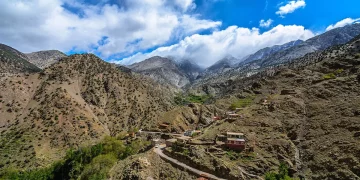
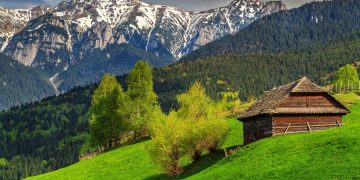
Transylvania is not only a land of myth and history but also one of exceptional natural beauty. The Carpathian Mountains, which surround the region, are one of Europe’s last wildernesses, home to rare wildlife, dense forests, and scenic landscapes that attract hikers, nature lovers, and adventurers from around the world.
The Carpathian Wilderness
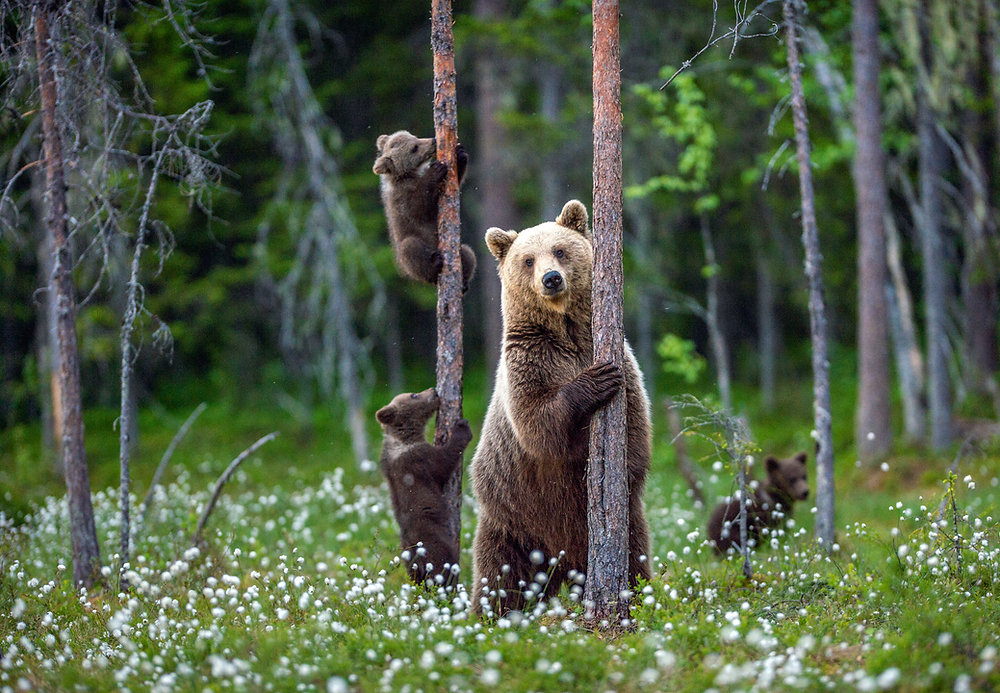
The Carpathians form a natural barrier that has protected the region for centuries. These mountains are rich in biodiversity, home to some of Europe’s last wild brown bears, wolves, and lynxes. The forests are thick with ancient trees, creating an air of mystery and wonder that seems to seep into the region’s folklore. The region’s vast protected areas, such as the Făgăraș Mountains and Piatra Craiului National Park, are perfect for trekking, offering dramatic views and a sense of immersion in the wild.
Transylvania’s Lakes and Rivers
In addition to the mountains, Transylvania is dotted with serene lakes and winding rivers that add to its natural charm. Lake Sfânta Ana, a volcanic lake in the Harghita Mountains, is one of the region’s most beautiful and mystical places, steeped in local legend. The Mureș and Olt rivers, among others, provide opportunities for rafting and kayaking, offering another layer of adventure to the region’s natural appeal.
The Architecture of Transylvania: A Blend of Old and New
Transylvania’s cities and villages are steeped in history, and its architecture speaks volumes about the region’s diverse cultural influences. From medieval fortresses to Baroque churches, Transylvania’s buildings embody the region’s tumultuous past.
Medieval Fortresses and Citadels
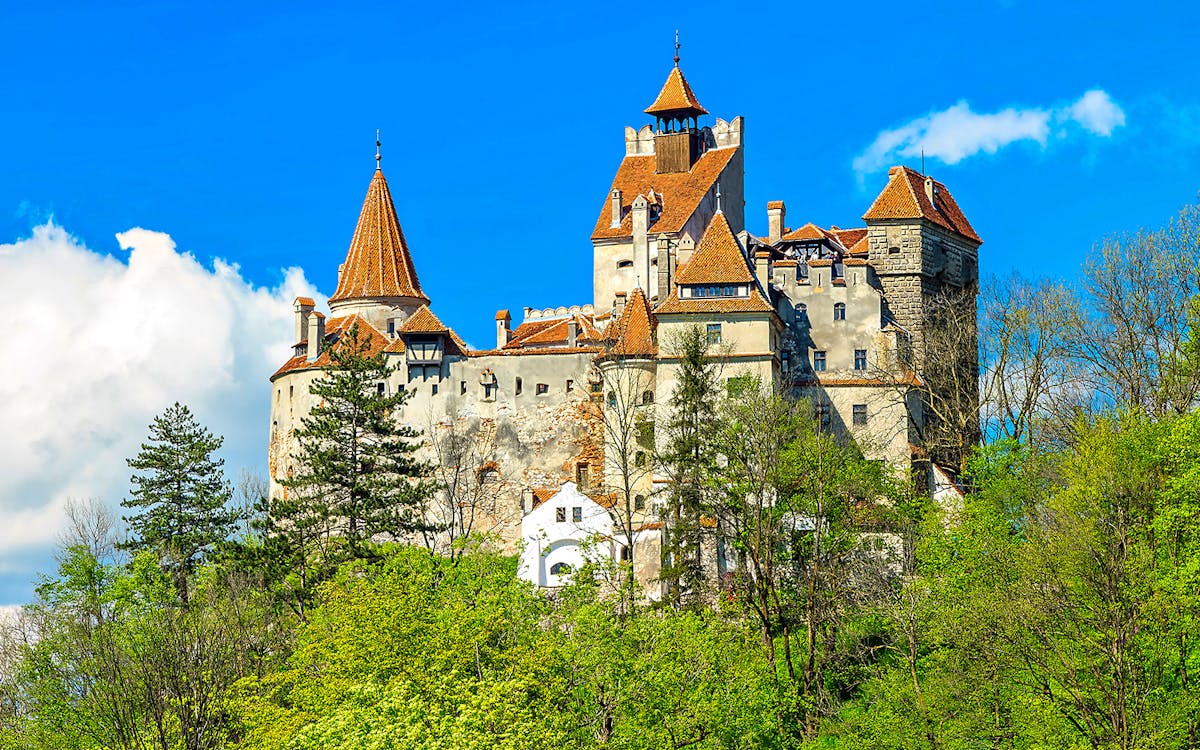
Perhaps the most iconic of Transylvania’s architectural marvels are its fortified churches and castles. Bran Castle, often associated with the Dracula legend, is an imposing fortress perched on a cliff overlooking the surrounding countryside. While it has little historical connection to Vlad the Impaler, it has become a symbol of the Dracula myth. Further south, the stunning Peles Castle, built in the late 19th century, showcases neo-Renaissance style at its finest and is a must-see for any visitor.
The region’s medieval towns—Brașov, Sibiu, and Sighișoara—are rich in well-preserved architecture. Brașov, for example, is known for its Black Church, a Gothic-style monument that dates back to the 14th century. Sibiu, with its large town squares and fortified walls, offers a glimpse into Transylvania’s Saxon heritage. Sighișoara, the birthplace of Vlad the Impaler, features cobbled streets and colorful houses that look like they’ve been frozen in time.
Transylvanian Villages: The Soul of the Region
Transylvania’s rural villages are a world apart from the bustling cities. These picturesque settlements have retained much of their traditional charm, with wooden houses, thatched roofs, and narrow lanes that are still used by locals today. The village of Viscri, a UNESCO World Heritage Site, is an example of traditional Saxon architecture and is famous for its fortified church. Here, time seems to move slowly, allowing visitors to experience the authentic rural life of Transylvania.
The Modern Face of Transylvania: A Region in Transition
Today, Transylvania is undergoing a transformation. The region, once seen as a remote, mysterious land, is slowly but surely embracing modernity. With an increasing number of tourists visiting for both its historical and natural attractions, Transylvania is becoming a hub for sustainable tourism, with a growing focus on preserving its cultural heritage while offering visitors a unique and authentic experience.
Transylvania as a Cultural Center
In recent years, Transylvania has also emerged as a cultural center in Romania. Sibiu was designated a European Capital of Culture in 2007, and the region continues to host numerous cultural events, including the Transylvanian International Film Festival and the Medieval Festival in Sighișoara. These events bring together artists, musicians, and filmmakers from across the world, highlighting Transylvania’s diverse and evolving cultural scene.
A Future of Sustainability
Transylvania’s future looks bright, with a growing emphasis on preserving its natural beauty and cultural heritage. Many rural communities are turning to sustainable practices, such as organic farming and eco-tourism, to ensure that their traditions and landscapes are protected for future generations. The region is increasingly seen as a model for sustainable development in Eastern Europe, balancing modern needs with a respect for the environment.
Conclusion: More Than Just Dracula’s Home
Transylvania is a land of contrasts—a place where the myths of the past intertwine with the realities of the present. While the figure of Dracula continues to haunt the region’s cultural identity, Transylvania’s true essence lies in its rich history, its stunning natural landscapes, and its vibrant culture. Whether you’re exploring its medieval towns, trekking through its wild mountains, or experiencing its lively festivals, Transylvania offers something for every type of traveler.
So, is Transylvania more than just Dracula’s home? Absolutely. It is a land of myths and legends, but also a place where the past and present coexist in perfect harmony, creating a region that is as captivating as it is diverse.