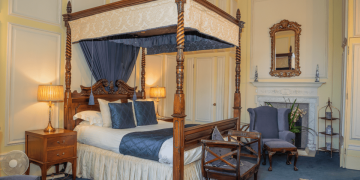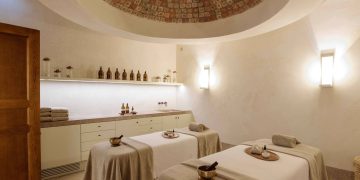











In today’s fast-paced world, relaxation has become more of a luxury than a necessity. As the global tourism and hospitality industry continues to boom, hotels are increasingly focusing on creating the perfect environment for relaxation and well-being. Whether it’s a beach resort in the Caribbean or a chic urban retreat in Paris, the atmosphere of a hotel plays a significant role in transforming a guest’s stay into a rejuvenating experience. But how do hotels do this? What specific strategies, design choices, and elements are used to create an ambience of tranquility and comfort? Let’s take a closer look.
1. The Power of Design: Creating a Visual Experience
The design of a hotel is the first thing guests interact with. It’s the visual starting point for the entire experience. From the color palette to the layout, design has the power to evoke emotions. Hotels that specialize in relaxation know the importance of creating a space that feels harmonious and balanced.
Minimalism: Less is More
The principle of minimalism is often the go-to strategy for hotel interiors designed for relaxation. This design philosophy eliminates visual clutter, creating a sense of order and tranquility. Simple furniture, open spaces, and clean lines help guests feel at ease. When a room isn’t crowded with unnecessary decorations, the mind has space to relax. The beauty of minimalism lies in its subtlety: everything is functional and purposeful.
Natural Light and Open Spaces
Natural light is a fundamental component of relaxation. It boosts mood, regulates the circadian rhythm, and can make even the most ordinary spaces feel warm and inviting. Many hotels utilize large windows to let in abundant sunlight, often paired with soft, neutral-colored walls to enhance the brightness of the space. Open-plan layouts further amplify this effect by making spaces feel larger and less confined.
Moreover, open spaces encourage movement and exploration within the hotel. Wide corridors, spacious lobbies, and fluid transitions between indoor and outdoor areas all add to a sense of openness. When guests feel as though they are not restricted by tight spaces or dark corners, their minds are less likely to feel tense.
Incorporating Nature: Biophilic Design
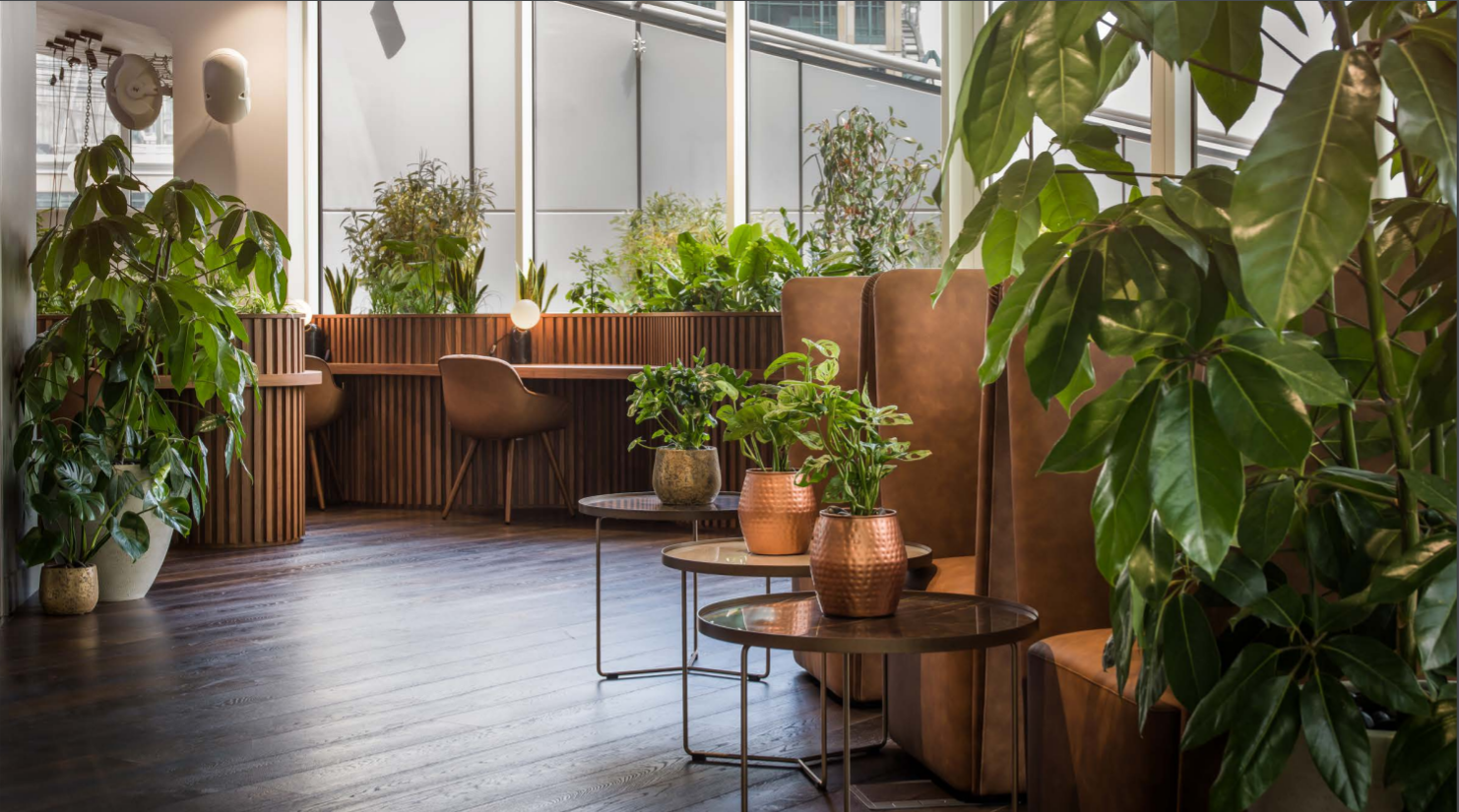
Biophilic design is the practice of integrating natural elements into indoor environments. Hotels often incorporate indoor plants, water features like fountains or small ponds, and even natural materials like wood or stone to connect guests with nature. This approach not only elevates the aesthetic appeal of the space but also taps into the therapeutic benefits of nature. Studies have shown that natural environments reduce stress and promote a sense of well-being.
Rooms might feature plant life, driftwood sculptures, or stone accents, giving guests a sensory connection to the outdoors. A view of a natural landscape—whether a serene beach, a lush forest, or a tranquil garden—can instantly calm the mind and make a hotel feel like a true sanctuary.
2. Sensory Experience: Sound, Smell, and Touch
Creating the perfect relaxation environment in a hotel involves more than just the visual aspects of design. Sensory elements such as sound, smell, and touch are crucial in fostering a sense of calm.
Soundscapes: The Art of Silence
Sound is one of the most influential aspects of relaxation. Noise can easily become a source of irritation and stress, which is why many hotels emphasize soundproofing their rooms and common areas. High-end hotels often use noise-canceling technologies or design techniques such as thick carpets, heavy curtains, and insulated windows to keep outside sounds from penetrating the room.
In addition to eliminating unwanted noise, many hotels enhance the soundscape with calming elements. Soft background music in the lobby, gentle sounds of nature (like running water or birdsong), and even strategically placed white noise machines can all contribute to a tranquil environment. The key is not to overwhelm the senses, but to provide a subtle background hum that complements the overall peaceful ambiance.
Aromatherapy: Scent for the Soul
Aromatherapy has long been known to reduce stress, improve mood, and promote relaxation. Hotels are increasingly using fragrance to evoke specific emotional responses from guests. Scents such as lavender, eucalyptus, and sandalwood are known for their calming effects, while citrus and mint can energize and uplift.
Many hotels offer signature scents that fill the lobby, hallways, and guest rooms. Sometimes, the scent of a luxury hotel is so distinctive that it becomes a part of the brand’s identity. In guest rooms, diffusers or candles might be used to subtly infuse a soothing fragrance that helps guests unwind after a long day.
The Power of Touch: Textures and Fabrics
The tactile experience of a hotel is just as important as its visual and auditory qualities. Touch contributes directly to comfort, and luxurious hotels understand the significance of textures. Plush bedding, soft towels, and high-quality fabrics are essential elements that contribute to a sense of indulgence.
Fabrics like Egyptian cotton sheets, cashmere throws, and high-thread-count linens invite guests to sink into comfort, promoting a sense of relaxation. In spa-like settings, textures play a vital role in both the experience and perception of luxury. Even in the design of hotel furniture, tactile qualities are considered, with velvet cushions, leather armchairs, and smooth wooden surfaces designed for maximum comfort.
3. Lighting: The Subtle Art of Illumination
Lighting is one of the most powerful tools for creating atmosphere. It can set the mood of a space and even influence a person’s internal clock, helping to regulate sleep patterns and circadian rhythms.
Layered Lighting for Mood Control
Hotels that focus on relaxation often use layered lighting—combining ambient, task, and accent lighting—to create versatile environments that can be adjusted based on guest needs. For example, bright lighting might be used during the day to provide clear visibility, while softer, warmer lighting is used at night to promote restfulness.
Room lighting is often adjustable, allowing guests to control the brightness and tone of their environment. Warm lighting, typically achieved through soft yellow or orange bulbs, is more soothing than harsh white light, which can feel sterile and cold.
The Magic of Candlelight
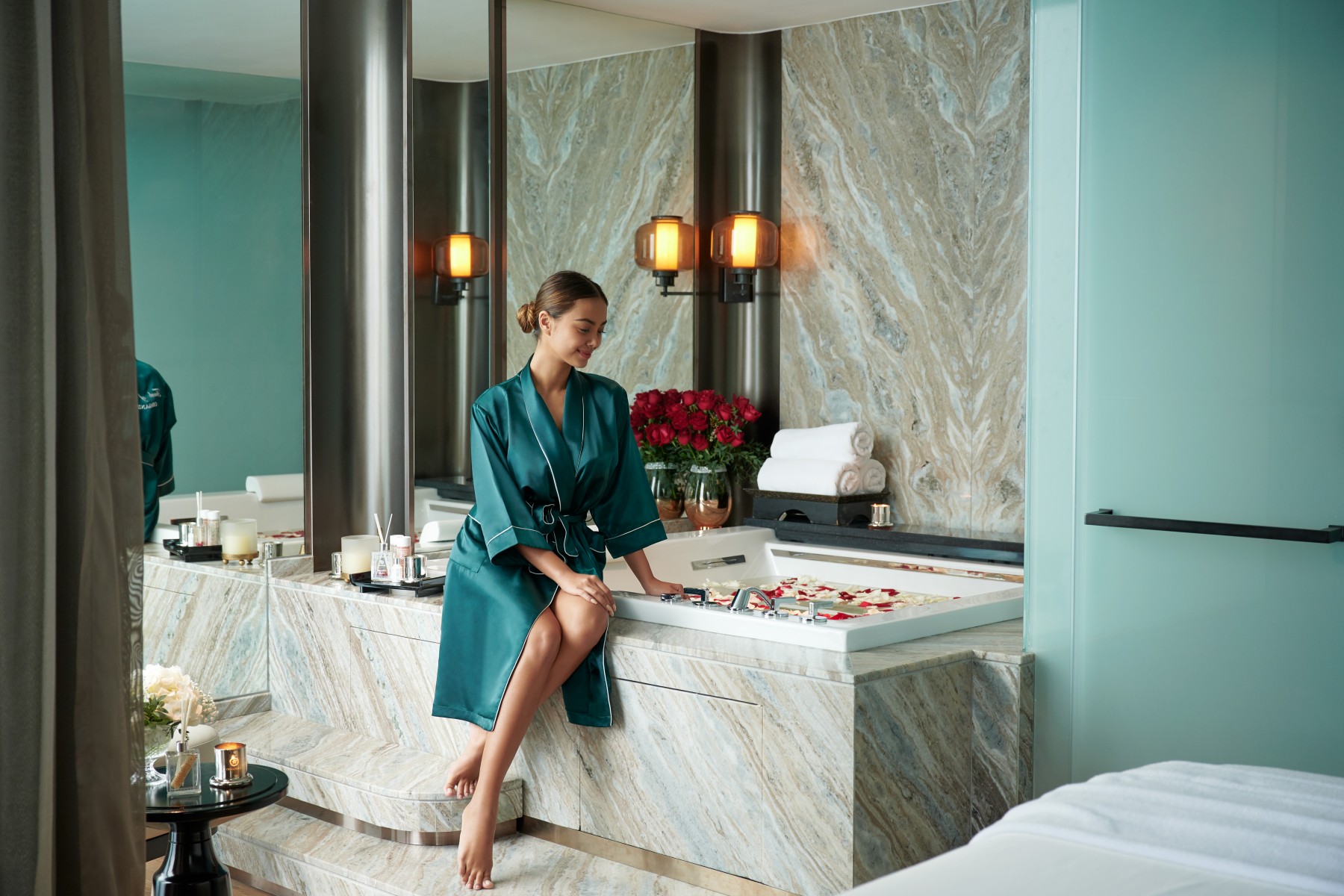
Candles are often used in high-end hotels to create a sense of serenity and luxury. The flickering of candlelight has a calming effect on the brain, invoking feelings of warmth and intimacy. Many hotels incorporate candles in bathrooms, bedrooms, or even in the lobby for guests to enjoy. Some hotels even offer bespoke, eco-friendly candles infused with calming essential oils, further elevating the relaxation experience.
4. Wellness and Spa: The Ultimate Retreat
Many hotels, especially those catering to luxury travelers, have integrated wellness into their core offerings. The rise of spa tourism and wellness retreats is a testament to the growing importance of relaxation in the hotel industry. These wellness-focused hotels provide guests with opportunities to de-stress, rejuvenate, and restore balance.
The Spa Experience: A Multi-Sensory Escape
Spas in luxury hotels are more than just places to receive a massage—they are sanctuaries of peace designed to engage the senses and promote complete relaxation. From the moment guests enter, they are immersed in a sensory experience that is designed to calm the mind and body. Soft lighting, soothing sounds, aromatic scents, and tactile sensations create an environment where guests can let go of stress and rejuvenate.
The spa menu often includes a variety of treatments that cater to individual needs, from soothing massages to detoxifying body wraps. Many hotels offer specialized therapies such as hot stone massages, aromatherapy facials, and hydrotherapy circuits. All of these treatments are designed to help guests disconnect from the demands of daily life and reconnect with their own sense of well-being.
Yoga and Meditation
In addition to traditional spa services, many hotels now offer wellness programs that include yoga and meditation sessions. These practices have long been associated with relaxation and mindfulness, and many hotels now offer daily classes or private sessions to guests. The serene surroundings of a hotel combined with the mindfulness cultivated during yoga or meditation provide the perfect environment for mental and physical relaxation.
5. Service: Hospitality with a Personal Touch
In luxury hotels, service plays a pivotal role in creating an atmosphere of relaxation. The way guests are treated, the attention to detail, and the overall level of hospitality can significantly influence their experience. Personalized service—whether it’s a welcome drink, a customized pillow menu, or a personal concierge—is integral to creating an environment of relaxation.
Anticipating Needs: A Key to Comfort
One of the most effective ways to enhance relaxation is by anticipating the needs of guests before they even have to ask. For instance, knowing when a guest prefers to have their room cleaned, or offering a soothing cup of tea at the right time, can make all the difference. The most luxurious hotels strive to ensure that their guests feel both pampered and taken care of, without overwhelming them with unnecessary attention.
6. Conclusion: The Total Experience
Creating the perfect ambience for relaxation in a hotel is not just about a few key design choices or amenities. It’s about creating a total sensory experience—one that blends sound, sight, touch, and even smell into a harmonious whole. Hotels understand that the key to relaxation is not just about luxury, but about creating an atmosphere that helps guests escape from their everyday stresses and recharge both mentally and physically. Whether through minimalist design, soothing scents, therapeutic lighting, or personalized service, hotels create environments where relaxation is not just an option but an experience that immerses the guest from the moment they arrive until the time they depart.