









In the past decade, the world of hotel design has been undergoing a profound shift. Guests no longer want to be overwhelmed by lavish décor, garish colors, or outdated aesthetics. Instead, a rising trend has emerged, one that emphasizes clean lines, simplicity, and functionality: minimalism. This design philosophy has gained significant traction not only in residential spaces but in the hospitality industry as well. But as hotels around the world embrace minimalist concepts, one pressing question arises—Is minimalism the future of hotel room design?
Understanding Minimalism in Hotel Design
Minimalism, at its core, is a design philosophy that prioritizes simplicity. It’s about stripping away the non-essential, leaving only what is truly necessary and beautiful. The goal is to create a serene, uncluttered environment that fosters calm and allows the mind to focus. In hotel room design, this can be seen in everything from the choice of materials to the layout and the absence of excessive decoration.
Minimalism in hotel design isn’t about stark, cold spaces but rather creating a sense of tranquility. It’s about choosing quality over quantity, favoring subtlety over extravagance. It’s a form of design that values open spaces, neutral color palettes, and multifunctional furniture—elements that come together to provide a calm, restorative environment for guests.
Why Minimalism is Gaining Popularity
Several factors have contributed to the growing popularity of minimalist hotel room design. The following are some key drivers behind this shift:
1. Changing Guest Expectations
Today’s travelers, especially Millennials and Gen Z, are seeking experiences over opulence. They are more interested in the feeling a space gives them than in its excess. Many guests now prefer quiet, clean, and simple spaces where they can truly unwind after a day of exploring or business activities. This has led to an increased demand for minimalist designs that emphasize comfort, peace, and functionality rather than lavishness.
2. Influence of Technology
As technology becomes more integrated into everyday life, the demand for streamlined, organized spaces has grown. People are surrounded by screens, devices, and gadgets that often add to mental clutter. Minimalist hotel room design offers a reprieve from this constant bombardment of information. The focus on clean spaces helps travelers disconnect, giving them an opportunity to recharge both mentally and physically.
3. The Rise of Sustainability
Minimalism aligns well with the growing trend of sustainability in design. Fewer materials mean less waste, and more hotels are opting for high-quality, sustainable products that last longer, reducing their environmental footprint. Minimalist designs typically avoid excess ornamentation, which often involves the use of non-durable or wasteful materials.
4. Wellness and Mental Health Focus
Many hotel chains have increasingly recognized the impact their designs have on guests’ well-being. A minimalist environment, with its emphasis on open spaces and calm, helps reduce stress and creates an atmosphere conducive to relaxation. In a world where mental health is an increasing concern, the calming effects of minimalist design can be a selling point for many hotels.
Key Elements of Minimalist Hotel Room Design
To understand whether minimalism is truly the future of hotel room design, it’s essential to explore the fundamental elements that characterize minimalist interiors.
1. Clean Lines and Open Space
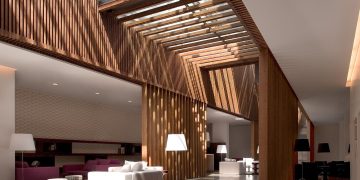
Minimalism is synonymous with simplicity, which is often achieved by removing unnecessary furniture or decor. Hotel rooms that embody this style feature sleek, clean lines in their furniture and fixtures. The space is open and airy, often with fewer partitions and an emphasis on natural light. There’s a deliberate absence of clutter, and rooms are arranged in a way that encourages movement and ease.

2. Neutral and Soothing Color Palettes
Color plays a key role in minimalist design. Hotel rooms with minimalist designs typically use a neutral color palette—whites, greys, soft beiges, and earth tones are common choices. These colors create a calming atmosphere and ensure that the space feels open and uncluttered. Occasionally, a bold accent color or natural element (like wood or stone) is used to add warmth and texture, but the overall effect remains understated.
3. Functional, High-Quality Furniture
In minimalist hotel rooms, every piece of furniture serves a specific function. Rather than an assortment of decorative pieces, you’ll find furniture that is practical, functional, and often multipurpose. For example, a bed frame with built-in storage, a small desk that can double as a vanity, or a minimalist lounge chair that offers both comfort and style. The emphasis is always on quality over quantity, ensuring that each item adds value to the space.
4. Smart Use of Lighting
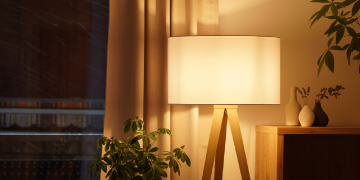
Lighting is another crucial element in minimalist design. The goal is to create an environment that feels both welcoming and soothing. Soft, indirect lighting, such as recessed lighting, floor lamps, or LED strips, can create a calming ambiance without overwhelming the space. Natural light also plays an important role, with large windows or glass doors allowing natural light to flood the room during the day. In minimalist design, the play of light and shadow is often used strategically to highlight certain design elements and create a sense of depth.
5. Natural Materials and Textures
Minimalism often incorporates natural materials that enhance the calming, earthy vibe of the room. Wood, stone, metal, and glass are frequently used for furniture, flooring, and accents. These materials not only look beautiful but also add texture to an otherwise simple space. For example, a wood headboard can serve as a focal point in an otherwise minimalist room, providing both function and beauty.
6. Hidden Technology
Modern hotel rooms are increasingly tech-savvy, but in a minimalist design, technology is often discreetly integrated into the space. Wall-mounted tablets for controlling lighting and temperature, smart TVs that blend seamlessly into the wall, and hidden charging stations are common features. The goal is to keep the technology from disrupting the serene atmosphere while still offering all the modern conveniences that today’s travelers expect.
The Benefits of Minimalist Hotel Room Design
There are clear benefits to adopting minimalist design principles in hotel rooms. These include:
1. Enhancing Guest Experience
A minimalist hotel room can provide a sense of peace and calm that is often missing from more heavily decorated spaces. The simplicity and open nature of the room allow guests to focus on relaxation and comfort, ultimately improving their overall experience. When guests feel comfortable and at ease, they are more likely to return to the hotel and recommend it to others.
2. Improving Functionality
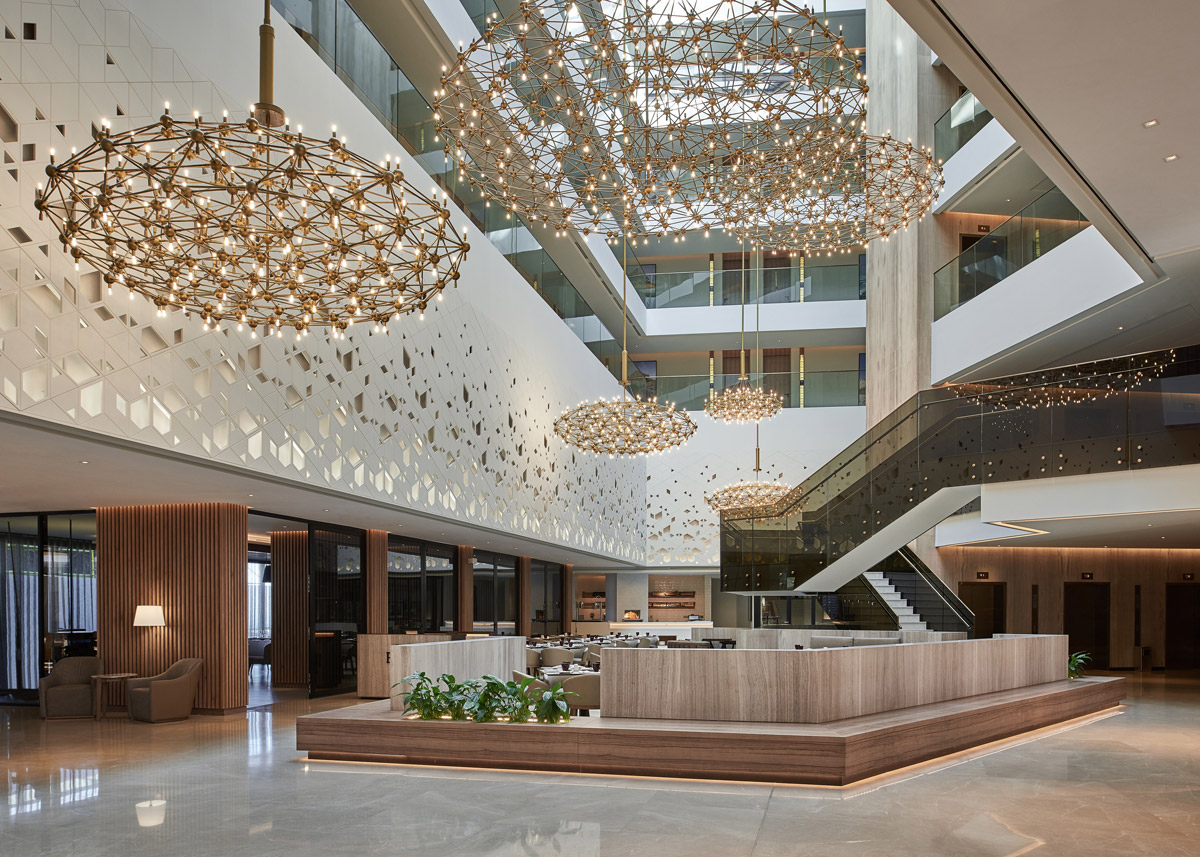
By reducing the number of items in the room, minimalist design can actually improve functionality. Rooms feel less cluttered, and there is more space for guests to move around. This creates a more intuitive flow within the room and ensures that guests can access everything they need without confusion. Multifunctional furniture helps maximize space, which is particularly beneficial in small hotel rooms.
3. Cost Efficiency
Minimalism can also result in cost savings for hotel operators. Fewer materials and simpler designs can mean lower construction and maintenance costs. High-quality furniture and finishes, though sometimes more expensive upfront, tend to last longer and require less frequent replacement. Over time, the reduction in wasted materials and the longevity of minimalist designs can make the investment more cost-effective.
4. Strong Brand Identity
Hotels that adopt minimalist design often create a unique and memorable brand identity. The clean, modern aesthetic can become synonymous with the hotel brand, setting it apart from competitors. For boutique hotels or chains that want to emphasize modern luxury and comfort, minimalist design can be an excellent way to communicate these values to guests.
Challenges of Minimalist Hotel Room Design
While the benefits of minimalism are clear, there are challenges to implementing it in hotel design.
1. Balancing Comfort and Simplicity
One of the main challenges of minimalist design is ensuring that the room feels comfortable and inviting. It’s easy for minimalist spaces to feel cold or sterile if not executed properly. Designers must be careful to balance the simplicity of the room with elements that provide warmth, comfort, and personality.
2. Appeal to a Broader Audience
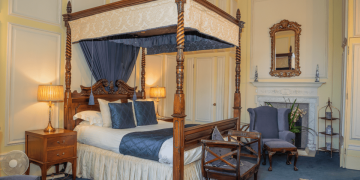
While minimalist design has a growing fanbase, it’s not for everyone. Some guests may find minimalist rooms too sparse or uncomfortable, preferring the warmth and ornamentation of more traditional hotel rooms. For hotel chains that want to appeal to a broader demographic, it can be challenging to strike the right balance between modern minimalism and more conventional aesthetics.
3. Maintenance and Cleanliness
Minimalist rooms require a high level of cleanliness to truly shine. Without excessive décor or clutter to distract the eye, any dirt, dust, or imperfection becomes much more noticeable. Hotels must maintain a high standard of cleanliness and care to ensure that the minimalist aesthetic isn’t undermined by untidy spaces.
Will Minimalism Become the Standard?
Minimalism in hotel room design is not just a passing trend. It reflects a broader cultural shift toward simplicity, sustainability, and well-being. However, whether it will become the standard for all hotel room designs remains to be seen.
The rise of minimalist design is likely to continue, especially in boutique and luxury hotels where the focus is on creating unique, tranquil spaces. For larger chains, the transition may be slower, as they strive to cater to a wider range of tastes and preferences. However, as guest expectations evolve, it is likely that minimalist principles will become more mainstream across the hospitality industry.
Minimalism offers a powerful solution to the clutter and complexity of modern life, providing spaces that foster calm, comfort, and functionality. Whether it’s the future of hotel room design depends on how well it can adapt to the needs and desires of travelers worldwide.