










Iceland, a land of stunning contrasts—where fire and ice coexist harmoniously—has become a dream destination for adventurers, nature lovers, and wellness seekers alike. Amid its rugged landscapes, towering waterfalls, and otherworldly geothermal phenomena lies one of the country’s most famous attractions: the Blue Lagoon. Despite its popularity, it has often faced criticism for being a “tourist trap.” So, why is Iceland’s Blue Lagoon not just another overhyped destination? In this article, we’ll dive into the rich history, unique experiences, and scientific intrigue that make the Blue Lagoon much more than a mere spectacle for visitors.
1. The Origins of the Blue Lagoon: A Geothermal Miracle
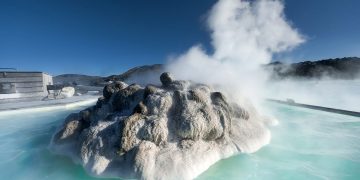
The Blue Lagoon’s reputation isn’t just built on its striking beauty but also on the unique way it came into existence. Located in a lava field on the Reykjanes Peninsula, the Lagoon is fed by geothermal seawater sourced from the nearby Svartsengi Power Station. Unlike most natural hot springs, which are found in isolated areas away from human activity, the Blue Lagoon’s creation is tied to human ingenuity.
In the 1970s, the Svartsengi Power Station began extracting steam from the geothermal reserves to generate electricity and hot water. Over time, the byproducts—rich in minerals like silica, sulfur, and algae—began to accumulate in the surrounding area. People soon realized that the minerals in the water had beneficial effects on the skin, particularly for conditions like psoriasis. Thus, the Blue Lagoon was born, with its therapeutic waters being harnessed both for health and leisure.
2. The Healing Waters: A Natural Spa with Scientific Backing
What sets the Blue Lagoon apart from other tourist attractions is its emphasis on wellness, backed by science. The water is naturally rich in silica, sulfur, and other minerals, all of which are known to have therapeutic properties. Silica, for example, is believed to help with skin rejuvenation and has been used for centuries in various cultures for its healing properties. Sulfur, on the other hand, has antimicrobial effects and has been used in dermatological treatments for skin disorders.
Researchers have even studied the lagoon’s waters to understand their impact on human health. The Blue Lagoon’s association with treating conditions like psoriasis and eczema has led to a growing body of evidence supporting its role as a therapeutic destination. Visitors not only come for relaxation but for the potential health benefits they can gain from the mineral-rich waters, which sets it apart from the more conventional tourist hotspots.
3. Sustainable Tourism and Environmental Consciousness
Many tourists today are more environmentally conscious and look for sustainable destinations that align with their values. Here, the Blue Lagoon stands out. The site is not just a passive consumer of geothermal energy but actively promotes sustainability. The lagoon’s geothermal power plant supplies clean, renewable energy to the surrounding areas, and the Lagoon itself takes steps to reduce its environmental impact.
The facility is built with an environmentally friendly mindset. It uses Iceland’s abundant geothermal resources responsibly and has developed a robust system for water recycling and treatment. Moreover, the construction of the Blue Lagoon respects the local volcanic terrain, integrating the spa seamlessly into the natural surroundings.

4. A Luxurious Experience: Beyond the Water
While the lagoon’s therapeutic waters are undoubtedly its primary draw, the Blue Lagoon offers a host of other experiences that go beyond the ordinary spa visit. The entire facility has been designed with luxury in mind, creating an atmosphere of relaxation and tranquility.
The spa area is a modern architectural marvel, with clean lines and minimalist design that mirror the surrounding Icelandic landscape. Visitors can enjoy exclusive skin treatments using Blue Lagoon’s own product line, which is formulated with the same natural minerals found in the waters. There are also a variety of massage options available, from traditional to the more unique “in-water” massages that allow guests to stay immersed in the soothing warmth of the lagoon while enjoying their treatments.
Additionally, the Blue Lagoon offers gourmet dining options, where visitors can savor local Icelandic cuisine while taking in the breathtaking views. Whether it’s a romantic dinner by the water or a light lunch after a rejuvenating soak, the dining experience elevates the entire visit.
5. The Blue Lagoon as a Cultural and Historical Hub
The Blue Lagoon is more than just a modern spa; it is deeply embedded in Iceland’s cultural and historical landscape. Icelanders have a long tradition of bathing in natural hot springs, which dates back to the settlement era. The Blue Lagoon is an extension of this cultural heritage, combining old Icelandic customs with modern-day science and technology.
Visitors can explore the origins of the Blue Lagoon through its informative visitor center, which provides insight into the history of geothermal energy in Iceland, the development of the spa, and its broader connection to the country’s renewable energy sources. The lagoon is also a symbol of Iceland’s commitment to sustainability and environmental awareness, reflecting the nation’s forward-thinking approach to harnessing natural resources responsibly.
6. Exclusive Experiences: The Blue Lagoon for Special Occasions
The Blue Lagoon isn’t just a place for day trips or casual visits; it also caters to those looking for a more exclusive experience. For example, the Retreat at the Blue Lagoon offers an upscale, boutique hotel experience that allows guests to stay on-site in luxury suites with private access to the lagoon. The Retreat Spa, a world-class facility, provides ultra-luxury wellness treatments, including facials, massages, and full-body experiences that use local ingredients like algae and volcanic ash.
For those seeking an even more personalized experience, the Blue Lagoon also offers private tours and access to exclusive areas of the lagoon. Whether you’re planning a romantic getaway, a corporate retreat, or a special event, the Blue Lagoon provides an atmosphere of serenity and privacy that can’t be found at more crowded destinations.
7. Cultural and Artistic Collaborations
The Blue Lagoon has become more than just a destination for relaxation; it has also evolved into a cultural space. Icelandic art, music, and literature have found a home at the Blue Lagoon, as the site regularly hosts art installations, performances, and exhibitions that celebrate the country’s creative spirit. This focus on artistic expression elevates the Blue Lagoon beyond its status as a tourist spot, making it a place for intellectual and cultural engagement.
One of the more prominent examples of this is the Blue Lagoon’s partnership with local artists and designers to create unique, art-inspired environments. The spa’s minimalist design, combined with occasional art exhibits, provides visitors with a stimulating aesthetic experience that complements the natural beauty of the lagoon. These cultural collaborations highlight Iceland’s commitment to nurturing its artistic heritage while enhancing the overall visitor experience.
8. A Connection to Nature: The Lagoon’s Spiritual Aspect
For many, the Blue Lagoon is more than just a therapeutic retreat; it’s a spiritual journey. The interplay between the warm, mineral-rich waters and the stark Icelandic landscape creates a powerful contrast that evokes a deep sense of connection to the natural world. The surrounding lava fields, volcanic mountains, and the expansive sky make the experience of soaking in the lagoon feel almost otherworldly, as if you’re suspended in time.
The peaceful atmosphere, combined with the benefits of the lagoon’s waters, allows visitors to relax not just physically but mentally and emotionally as well. For those looking to disconnect from the stresses of modern life and reconnect with nature, the Blue Lagoon offers an unparalleled escape that nourishes the body, mind, and soul.
9. An Icon of Icelandic Tourism
As one of the most iconic attractions in Iceland, the Blue Lagoon draws visitors from all over the world. It is the perfect blend of natural beauty, scientific intrigue, luxury, and cultural significance. Its success lies not just in the allure of the blue water but in the way it represents Iceland’s innovative approach to tourism and sustainability.
Although the Blue Lagoon has become increasingly popular, it has managed to maintain a balance between attracting large numbers of tourists and preserving its reputation as a place of healing and tranquility. Its continued focus on sustainable practices, wellness, and luxury ensures that it will remain a sought-after destination for years to come.
Conclusion: Why the Blue Lagoon is Not Just a Tourist Trap
In a world where many tourist attractions are overhyped and underwhelming, the Blue Lagoon stands as a rare example of a destination that lives up to its reputation. With its unique combination of geothermal health benefits, cultural significance, luxurious amenities, and commitment to sustainability, the Blue Lagoon is far more than just a place to check off the list. It’s an immersive experience that allows visitors to connect with Iceland’s natural beauty, rich heritage, and innovative spirit.
For those willing to look beyond the surface, the Blue Lagoon is a testament to how thoughtful development, scientific research, and cultural respect can transform a seemingly ordinary destination into an extraordinary one.