








The Arctic Circle, often seen as a land of extremes, is one of the most enigmatic regions on Earth. From its haunting, ethereal landscapes to its barely touched ecosystems, this vast area draws adventurers, photographers, scientists, and nature lovers from across the globe. Despite its isolation and challenging conditions, the Arctic Circle holds an undeniable beauty that has captured the imaginations of many. The question is: could you fall in love with this remote beauty?
In this article, we explore the stunning contrasts that define the Arctic, diving into its climate, wildlife, and the way people experience its isolation and charm. We will take a journey through ice and snow, meet the people who have made this place home, and examine how this frozen world offers a unique kind of allure.
The Geography: A World Untouched
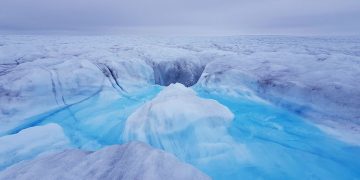
The Arctic Circle spans across northern regions, circling the globe at a latitude of approximately 66.5° N. It marks the boundary where, depending on the season, the sun never rises or never sets. This phenomenon creates the polar day and polar night — natural events that influence every aspect of life in this region. The Arctic includes vast stretches of land, like Greenland, northern parts of Canada, Scandinavia, Russia, and Alaska, as well as the icy waters of the Arctic Ocean. Here, you’ll find snow-capped mountains, massive glaciers, frozen seas, and barren tundras where life ekes out an existence in the most extreme conditions.
The Arctic’s remote nature has kept much of it pristine, offering a glimpse into an ancient world where human activity has had little impact. Vast stretches of wilderness are protected by international agreements and national laws, giving this fragile ecosystem a chance to thrive.
The Climate: A Land of Extremes
The Arctic Circle is synonymous with harsh conditions. The average temperature in the region can drop to -30°C during the winter months, and it’s not uncommon for it to reach even lower extremes. The air is dry, and the wind can cut through clothing with unforgiving precision. Yet, these inhospitable conditions are part of what makes the Arctic so captivating.
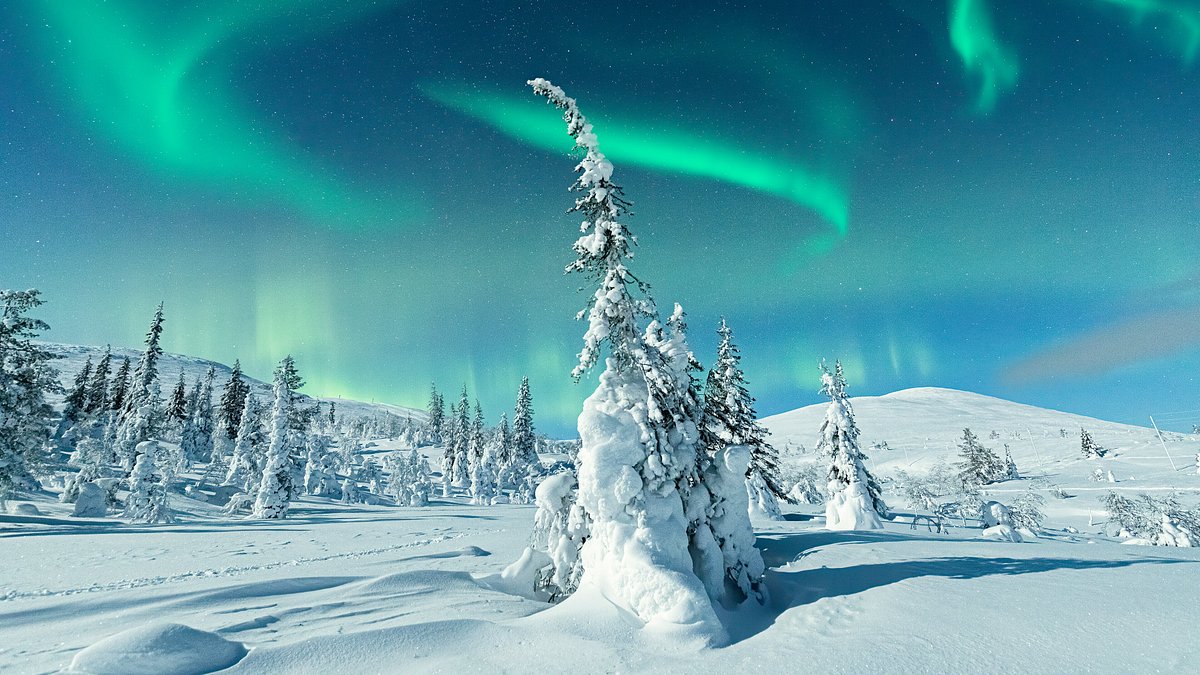
The dramatic seasonal changes are equally fascinating. In the summer, the sun never sets, casting a surreal, golden light on the icy terrain. It’s a time when the land is at its most alive, with the brief but spectacular bloom of Arctic wildflowers and migratory birds filling the skies. In winter, darkness reigns, but the Northern Lights bring an enchanting, otherworldly glow to the landscape. This dance of light against the frozen backdrop is like nature’s finest performance.
The region’s stark contrasts — long days followed by endless nights — have shaped the lives of its inhabitants, both human and animal. But the extreme cold and ever-changing light patterns also serve as a reminder of the wild beauty and unpredictable nature of this remote place.
The Wildlife: Adaptation to the Frozen World
Life in the Arctic Circle is a lesson in resilience and adaptation. Despite the frigid temperatures, a wide range of species have made the region their home, each evolving unique strategies to survive.
Mammals of the Arctic
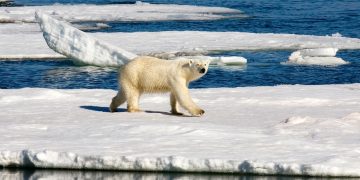
The Arctic is home to some of the world’s most iconic species, many of which are specially adapted to its extreme conditions. Polar bears, the region’s most famous residents, are powerful predators that rely on sea ice to hunt seals. Their thick fur and a layer of blubber keep them insulated against the cold, and their white coats allow them to blend seamlessly with the icy landscape. However, the warming climate is reducing their habitat, putting their survival at risk.
Another well-known mammal is the Arctic fox, a small yet hardy animal with thick fur that changes color with the seasons — from white in the winter to brown or gray in the summer. The Arctic wolf, caribou, and musk oxen also roam the tundra, each specially adapted to the cold and capable of enduring the harsh conditions that would cripple other species.
Marine life in the Arctic is equally extraordinary. Walruses, seals, and narwhals thrive in the icy waters. The narwhal, known for its long, spiral tusk, is often referred to as the “unicorn of the sea.” In addition to these larger creatures, the waters of the Arctic are home to a variety of fish species, krill, and plankton, which form the base of the food web that supports life in this cold realm.
Birds of the Arctic
The Arctic is also a critical habitat for migratory birds. Each year, thousands of species, including Arctic terns, puffins, and snow geese, migrate to the region to breed and raise their young. These birds thrive during the short summer months, taking advantage of the abundance of food and the long daylight hours to build nests and raise their offspring. Their arrival is a sign of life returning to the land after months of dormancy.
The connection between the birds and the environment is deeply intertwined. The return of birds marks a renewal of life in the Arctic — a fleeting moment of vibrancy in a world that is otherwise dominated by silence and stillness.
The People: Resilience and Connection to the Land
Though sparsely populated, the Arctic Circle is home to a variety of indigenous peoples who have lived here for centuries. These communities, including the Sámi in Scandinavia, the Inuit in Canada and Greenland, and the Chukchi in Russia, have developed ways of life that are deeply connected to the land and its resources.
Indigenous Cultures and Traditions
For these indigenous peoples, survival in the Arctic is about more than just physical endurance. It’s about maintaining a deep spiritual connection to the environment. In these cultures, the land, animals, and weather are seen as powerful forces to be respected and revered. Traditions of hunting, fishing, and reindeer herding are passed down through generations, ensuring that the people remain in tune with the natural rhythms of the region.
.jpg)
The Sámi, for example, are known for their reindeer herding culture, which has adapted to the challenges of the Arctic for thousands of years. These herders live in harmony with the land, using traditional knowledge of the weather, the stars, and the animals to guide their movements across the frozen landscape.
Despite the encroaching impacts of modernity, many indigenous peoples are fiercely protective of their cultural heritage. The Arctic is an essential part of their identity, and they continue to fight for the preservation of their way of life against pressures like climate change, mining, and resource extraction.
The Challenges of Living in the Arctic
Living in the Arctic isn’t for everyone. The isolation, extreme weather, and limited resources make everyday life a challenge. Yet, for those who call the Arctic home, it offers a unique, quiet beauty that is hard to find anywhere else. The silence of the snow-covered landscapes, the vastness of the horizon, and the ever-changing light provide a profound sense of peace.
For travelers, though, the Arctic offers an experience unlike any other. Visitors who journey to places like Svalbard, Iceland, or Alaska are often struck by the feeling of being in the “end of the world.” The remoteness creates a sense of adventure and discovery, while also forcing a deeper connection with nature. There are few distractions in this region, allowing people to focus on the natural world around them.
The Allure of the Arctic: A Place for Adventure and Reflection
Could you fall in love with the Arctic Circle’s remote beauty? For some, the answer is clear. The solitude, the stark landscapes, the unique wildlife — all of these elements come together to create a place that is unlike any other. The Arctic can evoke a sense of awe and wonder, as well as humility. In a world increasingly defined by rapid technological progress and environmental degradation, the Arctic represents something pure and untamed.
Adventurers, photographers, and dreamers flock to the Arctic for different reasons: the challenge of surviving in one of the harshest environments, the opportunity to witness the majesty of the Northern Lights, or the chance to experience the thrill of exploration in one of the last frontiers of the Earth. But it’s not just the wild beauty that captivates people — it’s the quiet and reflective moments that can arise in such a remote, untouched place.
A Modern-Day Wonderland
For those who venture into the Arctic, the region offers a sense of discovery that is difficult to replicate elsewhere. Whether it’s the thrill of seeing polar bears in the wild, experiencing the serenity of snowshoeing across the tundra, or simply watching the dance of the Northern Lights, the Arctic provides moments of wonder that can leave lasting impressions. But, beyond the thrill of adventure, the Arctic is also a place for personal reflection.
The silence of the Arctic is a powerful antidote to the noise of modern life. In this remote environment, stripped of distractions, you are left to face yourself and the natural world in its most primal form. This is perhaps the true magic of the Arctic: it’s a place where you can both lose yourself in nature and discover parts of yourself you never knew existed.
Conclusion: The Call of the Arctic
The Arctic Circle is a place of extremes, of breathtaking beauty and stark contrasts. Its remote landscapes, extreme weather, and unique wildlife make it a truly captivating destination. But it’s not just the surface beauty that draws people in — it’s the deep connection to the land, the animals, and the people that makes this place so special.
The question remains: could you fall in love with the Arctic Circle’s remote beauty? For those who seek adventure, reflection, and the raw power of nature, the answer is likely yes. For others, the Arctic may remain a place of curiosity — distant, untouchable, and forever beyond reach.