










Indonesia, a sprawling archipelago of over 17,000 islands, offers some of the world’s most untamed and unexplored territories. The remote islands of Indonesia, with their rich biodiversity, rugged landscapes, and deep-rooted cultural heritage, have long captured the imaginations of adventurers. For those seeking a blend of natural beauty, mystery, and excitement, these islands are the ultimate destination. But why are they so appealing to those with a thirst for adventure? Let’s explore the factors that make Indonesia’s remote islands a haven for thrill-seekers, wanderers, and explorers.
1. Untouched Wilderness and Pristine Beaches
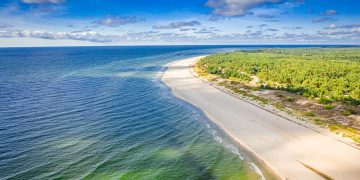
One of the key draws to the remote islands of Indonesia is the sheer wilderness and untouched beauty they offer. These islands often remain relatively undeveloped, with minimal human presence. For adventurers, this provides the perfect opportunity to explore landscapes that remain in their natural state.
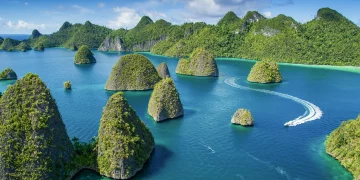
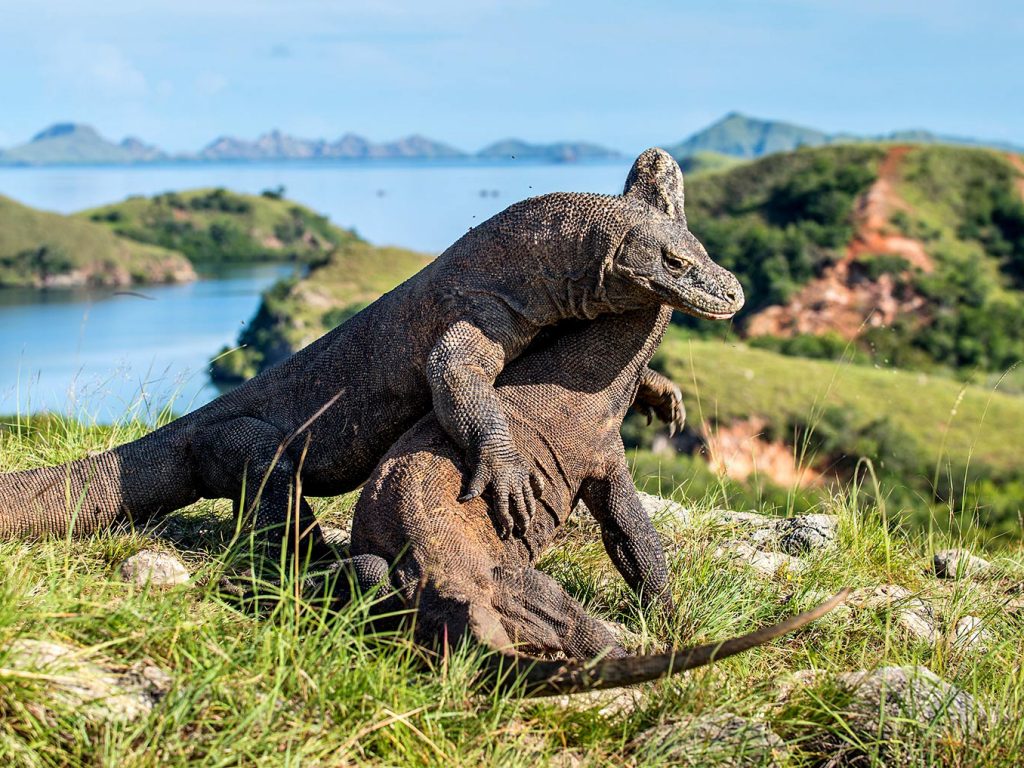
In places like Raja Ampat, located in the remote corners of West Papua, one can experience some of the world’s most pristine coral reefs. Surrounded by turquoise waters, divers and snorkelers can witness an underwater paradise teeming with marine life—something that few places on Earth can boast. Other islands, such as the remote shores of Komodo, offer equally untouched landscapes, home to the famous Komodo dragons and some of the most breathtaking trekking routes.
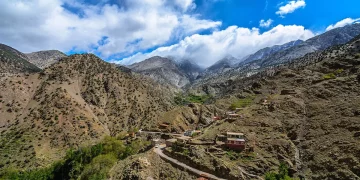
On land, these islands are often covered by dense rainforests, towering volcanoes, and rugged mountains. Trekking through these dense jungles or scaling an active volcano like Mount Rinjani on Lombok provides an adrenaline rush and a sense of accomplishment. For adventurers who crave exploration away from crowds and civilization, Indonesia’s remote islands are a paradise of raw nature.
2. Cultural Mystique and Indigenous Communities
Beyond the natural allure, Indonesia’s remote islands are home to fascinating indigenous communities, each with its own unique culture, traditions, and way of life. Many of these communities have lived in isolation for centuries, maintaining their customs and beliefs, making them incredibly intriguing for those interested in anthropology, history, and culture.
In places like the island of Nias, the indigenous people are known for their elaborate megalithic structures and traditional stone jumping rituals, a practice passed down through generations. Similarly, the Mentawai tribes of Siberut Island continue to practice animism, with their intricate tattoos and elaborate ceremonies offering a window into an ancient way of life.
For adventurers who seek a deeper cultural understanding, these remote communities provide an opportunity to witness time-honored traditions and gain insights into how these islanders have managed to maintain their cultures in an increasingly globalized world.
3. A Playground for Water Sports Enthusiasts
Indonesia’s remote islands are famous for their world-class watersports opportunities. From surfing to scuba diving, kayaking to paddleboarding, these islands are a paradise for anyone passionate about water sports. Indonesia’s diverse geography creates a variety of conditions perfect for a wide range of aquatic activities.
Bali may be Indonesia’s most famous destination for surfers, but other remote islands like Mentawai in West Sumatra and Sumbawa in East Nusa Tenggara are renowned for their exceptional surf breaks, attracting some of the world’s top surfers. The crystal-clear waters of Raja Ampat, Togean Islands, and Wakatobi offer unbeatable conditions for divers and snorkelers. These areas are home to vibrant coral reefs, incredible biodiversity, and even the chance to swim with large marine creatures like manta rays and sea turtles.
The isolation of these islands only adds to their appeal. Many of these locations are far from the well-trodden tourist paths, meaning that adventurers can enjoy world-class watersports without the hassle of overcrowded beaches or overdeveloped resorts.
4. Mystery and Seclusion
There’s an undeniable sense of mystery and allure surrounding the remote islands of Indonesia. For those who thrive on exploration and discovery, the remoteness and relative inaccessibility of these islands only add to their mystique.
The Togean Islands, for example, are known for their rare and unusual marine life, including some species of fish and coral that exist nowhere else on Earth. The islands’ remote location, combined with limited accessibility, makes them an ideal destination for those seeking to experience something truly unique. Similarly, the island of Alor, in the eastern part of Indonesia, offers a sense of seclusion. With few visitors and limited infrastructure, travelers can expect to explore its hidden beaches, untouched coral reefs, and dramatic landscapes in near solitude.
This sense of isolation isn’t just about getting away from civilization. It’s about stepping into a world where exploration feels like a journey into the unknown, where adventurers can discover rare natural phenomena or immerse themselves in the rhythms of an untouched environment.
5. Active Volcanic Landscapes and Geological Wonders
Indonesia’s remote islands are home to some of the most active and dramatic volcanoes in the world. For adventurers with a fascination for geology, the region offers an unparalleled opportunity to witness volcanic activity firsthand and trek through the aftermath of eruptions. Indonesia sits on the Pacific “Ring of Fire,” a zone of intense seismic activity that has shaped the islands’ landscapes.

Mount Rinjani on Lombok, with its massive crater lake, is one of Indonesia’s most famous volcanoes. Trekking to the summit of Rinjani provides adventurers with spectacular views and a chance to witness volcanic activity up close. Similarly, Mount Merapi on Java is one of the most active volcanoes in the world, regularly spewing ash and lava. The surrounding landscapes, though often dangerous, offer a raw and dramatic setting for those who want to experience the power of nature.
In addition to these active volcanoes, Indonesia’s islands are also home to incredible geological formations like the sulfuric lakes of Kawah Ijen, known for their mesmerizing blue flames at night, and the bizarre landscapes of the volcanic island of Krakatoa, where one of the largest volcanic eruptions in recorded history occurred.
6. A Hub for Wildlife Enthusiasts
The remote islands of Indonesia offer some of the richest biodiversity on the planet. Many of the islands have remained isolated from the mainland for millennia, leading to the evolution of unique species found nowhere else on Earth. These islands are a haven for wildlife enthusiasts and photographers seeking to capture some of the world’s rarest and most elusive creatures.
The island of Borneo, for example, is home to orangutans, pygmy elephants, and proboscis monkeys, while the island of Sumatra is home to tigers, rhinos, and elephants. In the islands of Maluku and the Papuan region, you can find the exotic bird of paradise, which has become a symbol of Indonesia’s wildlife.
These islands are also a haven for underwater life. As mentioned earlier, Raja Ampat is one of the most biodiverse marine environments on the planet. This diversity is due to the islands’ location at the intersection of the Pacific and Indian Oceans, where the warm waters create a rich environment for marine life to thrive.
For wildlife enthusiasts, these remote islands offer an unparalleled opportunity to witness animals in their natural habitats, and for photographers, they present a chance to capture rare species in stunning, unspoiled environments.
7. Eco-Tourism and Sustainable Travel Opportunities
The appeal of Indonesia’s remote islands also lies in their growing focus on eco-tourism and sustainable travel practices. As more travelers seek out adventure while minimizing their impact on the environment, many of Indonesia’s remote islands are leading the way in terms of responsible tourism initiatives.
In places like Komodo National Park and Wakatobi, local communities and conservation organizations are working together to protect the delicate ecosystems while providing tourists with the opportunity to explore the region sustainably. Eco-lodges, responsible diving practices, and community-based tourism efforts are becoming increasingly popular on these islands, offering travelers a chance to engage with the environment in a meaningful way.
For adventurers who want to experience the wild beauty of these remote islands while minimizing their footprint, the focus on sustainability in these regions offers a unique opportunity to balance adventure with environmental consciousness.
8. The Quest for Authenticity
In today’s world of over-commercialized destinations, adventurers often seek something more authentic and genuine. Indonesia’s remote islands offer exactly that—an opportunity to experience places that have largely remained untouched by mass tourism and commercialization.
Whether it’s the minimalist charm of a village on an isolated island in the Sunda Strait or the unspoiled coastlines of the Tanimbar Islands, Indonesia’s remote islands provide a rare chance to step into a world where life unfolds at a slower pace, and cultural traditions are still deeply embedded in daily life. For many, this authenticity is what makes the adventure so appealing. It’s about discovering places that feel like a hidden treasure, where every moment feels like a new chapter in a personal journey.
Conclusion
Indonesia’s remote islands are undeniably appealing to adventurers seeking something extraordinary. From their untouched wilderness and pristine beaches to the rich cultures and untamed landscapes, these islands offer unparalleled opportunities for exploration, discovery, and excitement. Whether you’re diving in some of the world’s most biodiverse waters, hiking to the summit of an active volcano, or immersing yourself in indigenous traditions, Indonesia’s remote islands provide an adventure unlike any other. With their beauty, mystery, and opportunity for adventure, it’s no wonder that these islands continue to captivate the hearts of travelers around the world.