









Nestled in the Pacific Ocean, about 600 miles off the coast of Ecuador, the Galápagos Islands are one of the most extraordinary places on Earth. Known for their unique biodiversity and role in Charles Darwin’s theory of evolution, these islands have long captivated the imagination of scientists, conservationists, and travelers alike. However, as we move further into the 21st century, the future of the Galápagos Islands appears to be at a crossroads. The delicate balance between preserving their natural beauty and biodiversity while accommodating growing human activity is becoming increasingly difficult to manage. But what does the future really hold for this ecologically significant archipelago?
In this article, we explore the various factors that will shape the future of the Galápagos Islands, examining everything from climate change and conservation efforts to tourism, invasive species, and local governance. By understanding these challenges and opportunities, we can gain insight into the potential trajectory of this iconic location.
1. The Galápagos Islands: A Natural Treasure
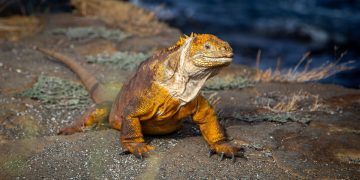
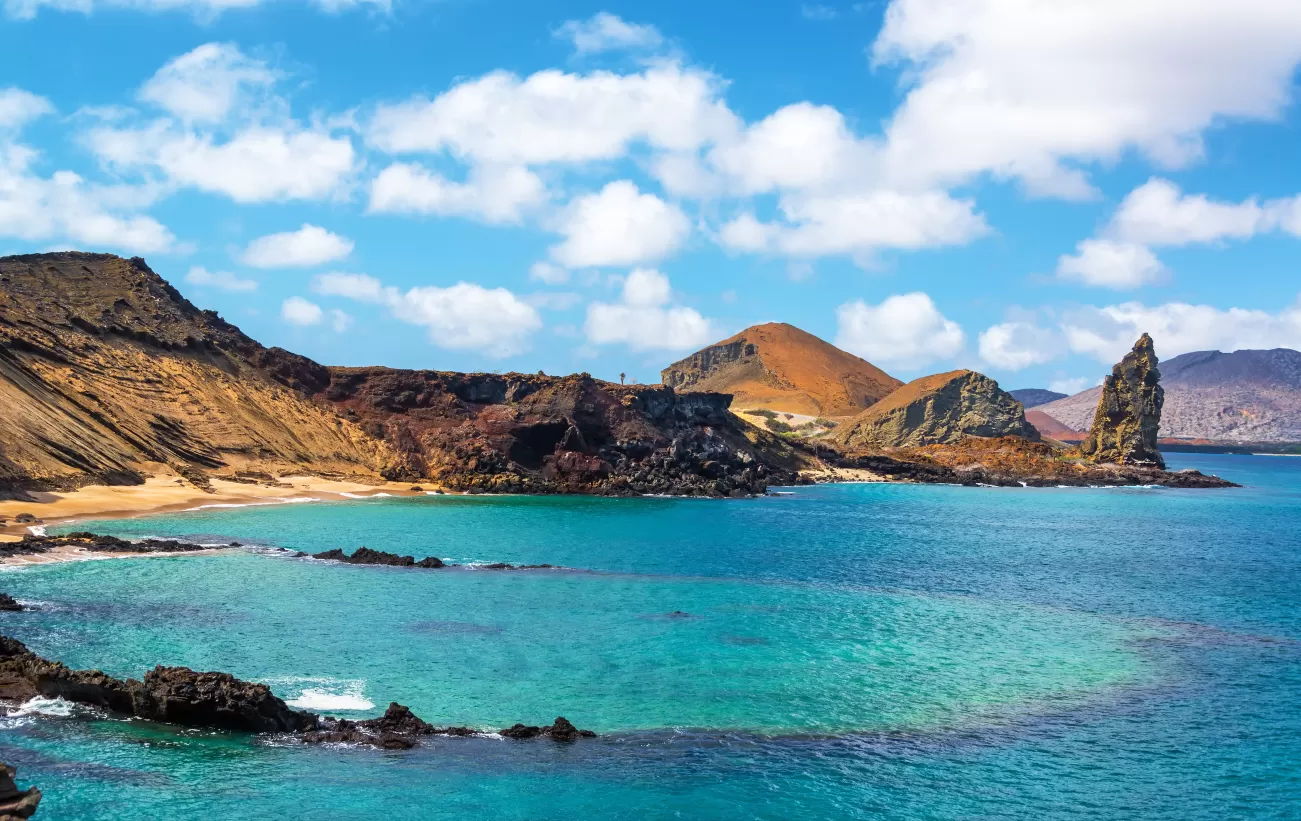
The Galápagos Islands are made up of 13 large islands, 6 smaller islands, and more than 100 rocks and islets. This remote archipelago is home to a remarkable array of species, many of which are found nowhere else on Earth. From the famous giant tortoises to marine iguanas and the strikingly diverse birdlife, the Galápagos Islands have long been an important center of study for evolutionary biology.
Charles Darwin visited the islands in 1835, where his observations of finch species on different islands contributed to the development of his theory of natural selection. Since then, the Galápagos have been recognized not only as a haven for scientific study but also as a symbol of the Earth’s rich and varied biodiversity. Today, the islands are a UNESCO World Heritage Site, a designation that highlights their global significance.
2. Tourism: A Double-Edged Sword
Tourism has long been a major contributor to the Galápagos economy, providing jobs and income for local communities while raising global awareness about the region’s importance. The islands attract tens of thousands of visitors each year, drawn by their pristine beaches, unique wildlife, and the opportunity to explore a living laboratory of evolution.
However, this influx of tourists also poses significant challenges. Increased human activity can lead to habitat destruction, pollution, and the spread of invasive species, all of which threaten the delicate ecosystems of the islands. Moreover, the sheer volume of visitors can lead to overcrowding, placing pressure on infrastructure and creating tension between conservation efforts and economic interests.
In response to these concerns, local authorities have implemented measures to limit the number of tourists, including a cap on visitor numbers and restrictions on where tourists can go and what they can do. Still, balancing the economic benefits of tourism with the need for conservation remains an ongoing challenge.
3. Invasive Species: A Persistent Threat
One of the most significant threats to the Galápagos Islands is the introduction of invasive species. Over the centuries, non-native plants, animals, and pathogens have made their way to the islands, often unintentionally by human activity. These invaders can disrupt the delicate ecological balance, outcompeting native species for resources, spreading disease, or directly preying on indigenous creatures.
For example, the introduction of rats to the islands has caused significant harm to ground-nesting birds like the Galápagos petrel and the Waved Albatross. Invasive plant species, such as blackberry and guava, have overtaken native flora, displacing the island’s unique vegetation. The control and eradication of these invasive species are crucial to maintaining the health of the islands’ ecosystems.
Efforts to control invasive species have been ongoing for decades. The Galápagos National Park Directorate, in collaboration with international organizations, has implemented eradication programs targeting invasive animals and plants. These programs have met with some success, but the challenge remains immense, and the islands’ isolation often makes it difficult to monitor and control these threats effectively.
4. Climate Change: An Uncertain Future
The impacts of climate change are already being felt in the Galápagos Islands, and these effects are expected to intensify in the coming decades. Rising sea levels, changing ocean temperatures, and increased frequency of extreme weather events all pose significant risks to the islands’ ecosystems.
One of the most visible signs of climate change is the warming of ocean temperatures, which affects the distribution of marine species around the islands. For instance, the Galápagos penguin, the only penguin species to live north of the equator, is highly vulnerable to temperature fluctuations in the surrounding waters. Similarly, the archipelago’s coral reefs, which are home to many marine species, are increasingly threatened by ocean acidification and rising temperatures.
On land, climate change may lead to shifts in the habitats of many species, including the iconic Galápagos tortoises. Changes in rainfall patterns could alter the availability of food and water sources for these ancient reptiles, potentially leading to a decline in their populations.
In response to these challenges, conservationists are working to monitor climate change impacts and implement adaptive management strategies. This includes studying species migration patterns, developing climate-resistant ecosystems, and strengthening conservation efforts to help species cope with environmental changes.
5. Conservation Efforts: A Global Responsibility
The future of the Galápagos Islands hinges in large part on continued and enhanced conservation efforts. Both local and international organizations have been working tirelessly to protect the islands’ biodiversity and ensure that future generations can enjoy the unique wildlife and landscapes they offer.
The Galápagos National Park, which covers around 97% of the land area of the islands, is at the forefront of these efforts. The park is home to numerous conservation initiatives, including the restoration of native species, the eradication of invasive species, and the monitoring of key environmental indicators. The Charles Darwin Foundation also plays a vital role in research and conservation, funding projects that aim to conserve endangered species and protect natural habitats.

One of the most successful conservation programs has been the Galápagos tortoise breeding and restoration project. By captive-breeding and reintroducing tortoises to the wild, the program has helped restore the populations of several critically endangered species. Similarly, efforts to restore native plant communities have made significant strides, with large-scale eradication programs targeting invasive species like rats, goats, and pigs.
International support is crucial to the success of these initiatives. Partnerships with global conservation organizations, as well as financial backing from governments and private donors, are necessary to ensure that the Galápagos Islands remain protected for future generations. The islands are a global treasure, and their conservation should be seen as a shared responsibility.
6. Local Governance and Sustainable Development
A key factor in the future of the Galápagos Islands is the role of local governance. The Galápagos Archipelago is a province of Ecuador, but its governance is somewhat unique. The islands are managed by the Galápagos National Park Directorate, the Charles Darwin Foundation, and the local government of Santa Cruz Island. Balancing conservation efforts with local development needs is a delicate task.
The economic situation of local residents plays an important role in shaping the future of the islands. Many islanders depend on tourism, fishing, and agriculture for their livelihoods. However, these industries are increasingly at odds with environmental sustainability. Overfishing, for example, threatens marine life, while unregulated agricultural practices can contribute to soil erosion and the spread of invasive species.
To address these issues, local authorities have been promoting sustainable development practices that seek to balance human needs with environmental protection. These include initiatives aimed at reducing the carbon footprint of tourism, improving waste management systems, and supporting local farmers and businesses in adopting sustainable practices.
One of the most significant challenges for local governance is ensuring that the people who live in the Galápagos are adequately educated and involved in conservation efforts. Community engagement and public awareness are critical to ensuring that the population supports the measures necessary to protect the islands’ natural heritage.
7. The Role of Technology and Research
As technology continues to evolve, it offers new tools and methods to address the challenges faced by the Galápagos Islands. Advances in remote sensing, satellite monitoring, and genetic research can provide valuable insights into the health of ecosystems and the behavior of species. For example, researchers are using drones to monitor wildlife populations, track changes in vegetation, and identify signs of ecological stress.
Genetic research is also playing a crucial role in the conservation of species like the Galápagos tortoises. By studying the genetic diversity of tortoises across the islands, scientists are better able to understand the factors that contribute to their survival and guide breeding programs.
Additionally, new technologies are helping to combat the spread of invasive species. DNA barcoding and environmental DNA (eDNA) sampling allow scientists to detect the presence of invasive species in hard-to-reach areas, helping to target eradication efforts more effectively.
8. The Path Forward
The future of the Galápagos Islands will be shaped by a complex interplay of factors: climate change, tourism, invasive species, conservation efforts, local governance, and scientific research. While the challenges are immense, there is also great potential for positive change. By continuing to invest in conservation, developing sustainable tourism practices, and using technology to monitor and protect the islands, it is possible to ensure that the Galápagos remain a living testament to the wonders of evolution.
In conclusion, the Galápagos Islands stand at a pivotal moment in their history. The decisions made today will determine the trajectory of this unique archipelago for generations to come. If managed carefully and thoughtfully, the Galápagos can continue to thrive as both a natural wonder and a symbol of global conservation efforts. But to achieve this, the world must unite in its commitment to safeguarding one of the most ecologically significant places on Earth.