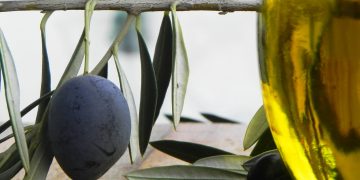










Olive oil is often regarded as the gold standard of healthy fats. It’s a cornerstone of the Mediterranean diet, praised for its heart-healthy benefits and rich flavor. However, with the growing popularity of olive oil, there’s a rising concern: is the bottle you’re holding actually the genuine article, or is it just an imitation, diluted with other oils? Authenticity is a pressing issue in the olive oil world, and understanding how to tell if your olive oil is authentic can save you from wasting money and missing out on the health benefits. In this guide, we’ll take a deep dive into how to identify whether your olive oil is authentic and explain why this matters.
What Does “Authentic” Olive Oil Mean?
Before we dive into how to check for authenticity, it’s important to understand what “authentic” olive oil really means. Authentic olive oil is produced from the first cold-pressing of fresh olives and contains no added ingredients, other than the natural oil extracted from the olive fruit. It should also be free of contaminants, artificial additives, or cheaper oils blended in. These oils are typically labeled “extra virgin” or “virgin,” indicating that they meet specific standards in terms of flavor, acidity, and production methods.
So, what’s the problem? Olive oil fraud is rampant, and studies suggest that up to 80% of olive oils on the market are misrepresented in some form. Misleading labels, blending with lower-quality oils, and poor storage practices all contribute to the confusion. To help you navigate the maze of olive oil choices, here’s how you can tell whether your olive oil is truly authentic.
1. Check the Label for Quality Indicators
The first step in determining whether your olive oil is authentic is to check the label. The label can provide you with a lot of useful information if you know what to look for.
Look for the “Extra Virgin” Label
“Extra virgin” is the highest grade for olive oil and guarantees that the oil has been made with the highest quality olives, processed without chemicals, and has a low acidity (below 0.8%). This oil is cold-pressed, meaning the olives are crushed without the use of heat or chemicals, which helps preserve their taste and nutritional benefits. If you see “extra virgin” on the label, you’re starting off on the right foot.
However, be aware that some brands use the term “extra virgin” loosely, and it might not always meet the strict requirements. This is why it’s essential to look for more indicators on the label.
Harvest Date and Best-By Date
An authentic bottle of olive oil should include both a harvest date and a “best by” date. Freshness is critical in olive oil; older oils lose their flavor and health benefits. If the bottle you’re considering doesn’t include a harvest date, it may be a sign that it’s not fresh or, worse, it could be counterfeit. The best by date should be within 18 months of the harvest date.
Country of Origin
An authentic olive oil should clearly list its country of origin. Since olive oil is produced all over the world, knowing where the olives are sourced can give you a sense of the quality standards in that region. Many top-tier olive oils come from specific countries like Italy, Spain, and Greece. Keep in mind that some countries, like Italy, have strict regulations governing the labeling of olive oil, so you can often trust oils from these regions.
Organic Certifications
While not all authentic olive oil is organic, an organic certification can be a good indicator that the oil hasn’t been adulterated with pesticides or chemicals. Look for certification logos like USDA Organic or EU Organic to ensure that the oil was produced without harmful synthetic inputs.
2. The Sensory Test: Smell, Taste, and Appearance
Once you’ve checked the label and are confident in the quality of the oil, it’s time to evaluate it through your senses. Authentic olive oil has a unique profile that sets it apart from imitations or lower-quality oils.

Smell
Authentic olive oil has a fresh, grassy, or fruity aroma. It should smell like the olives it was made from—green, herbaceous, and slightly bitter. If your olive oil has no smell or a rancid, musty odor, it could be a sign that it’s old or fake.
Taste
The flavor of genuine extra virgin olive oil should be complex and robust. It might have a slightly bitter, peppery, or spicy kick, especially when swallowed. This is due to the high levels of polyphenols—antioxidants found in olives that provide numerous health benefits. If your olive oil tastes flat, greasy, or overly mild, it may have been mixed with lower-quality oils or gone rancid.
Appearance
Authentic olive oil is usually a rich golden or greenish hue, depending on the type of olives used. However, the color alone isn’t a foolproof indicator since olive oil can vary in color based on olive variety, ripeness, and the region it’s from. Still, clear, pale oils that look overly processed should raise a red flag. Olive oil should never be crystal clear; a slight cloudiness is natural, especially if the oil is unfiltered.
3. The “Fridge Test”: Will It Solidify?
One of the simplest ways to test if your olive oil is authentic is through the fridge test. This test isn’t 100% foolproof, but it can give you a rough idea of whether your oil has been mixed with other oils.
How It Works
Place a small amount of olive oil in a clear container and refrigerate it overnight. Extra virgin olive oil contains monounsaturated fats, which will cause it to solidify or become cloudy at low temperatures. If the oil becomes cloudy or solidifies in the fridge, it’s likely to be authentic.
However, it’s important to note that some high-quality olive oils, especially those with high polyphenol content, may not solidify as much as others. The fridge test works best as a rough guideline but is not a definitive indicator of authenticity.
4. Price: The True Cost of Authenticity
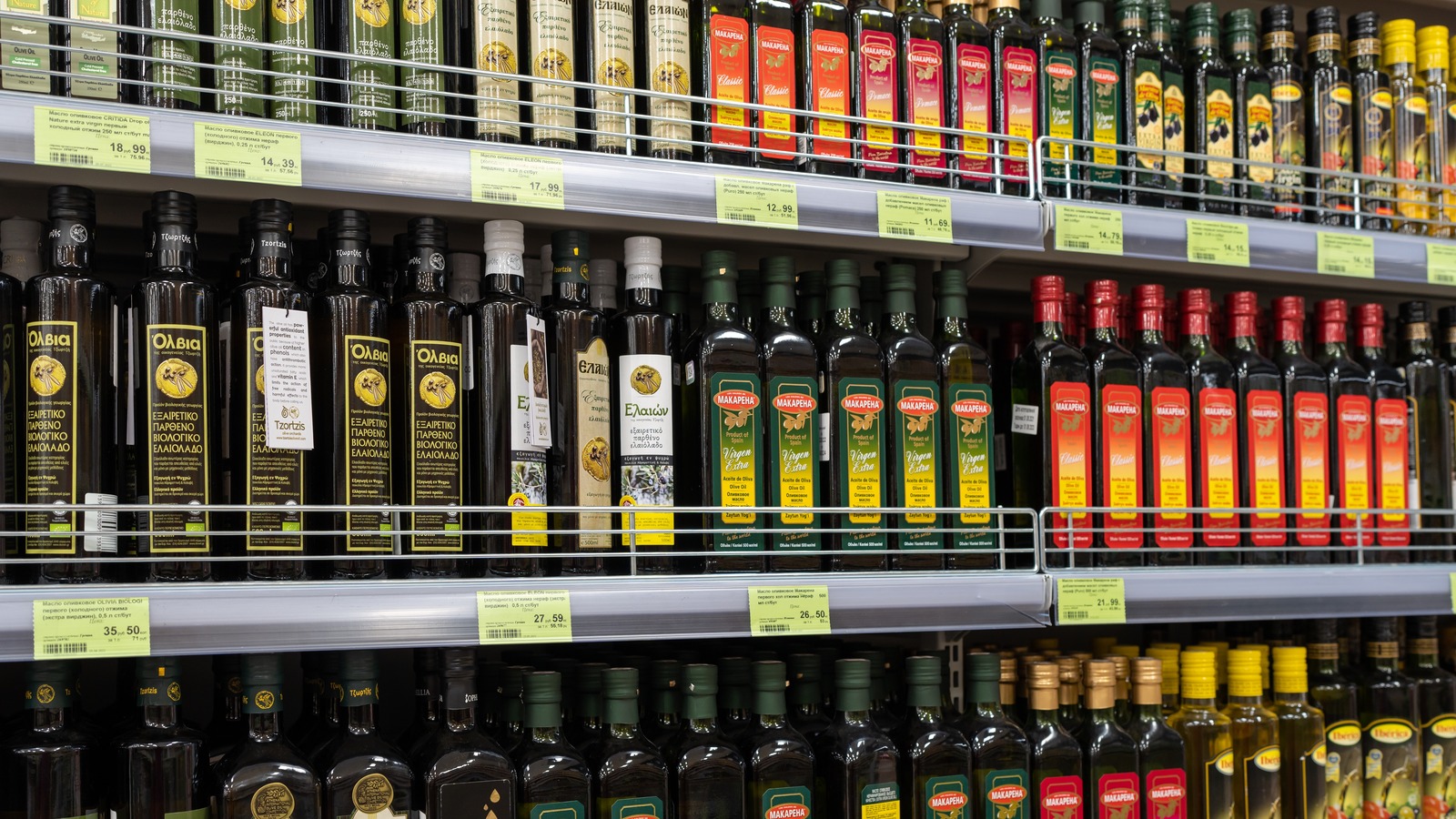
If the price of olive oil seems too good to be true, it probably is. Authentic, high-quality olive oil comes with a higher price tag due to the labor-intensive production process and the quality of the olives used. Genuine extra virgin olive oil can cost anywhere from $15 to $30 per liter, depending on the region and the brand.
Be wary of extremely cheap olive oil. Olive oil can be blended with cheaper oils like soybean, sunflower, or palm oil, which lowers production costs. If you find an olive oil bottle with an unusually low price, it could be an indicator that it’s not entirely pure or that it has been diluted.
5. Be Cautious of the “Imported” Label
The term “imported” on a bottle of olive oil might sound promising, but it can sometimes be misleading. Olive oil producers often blend oils from different countries, so just because an oil is labeled “imported” doesn’t mean it’s pure or of high quality. For example, an olive oil might be labeled as “Italian” but could be blended with oils from other countries like Tunisia or Turkey.
To avoid confusion, look for oils that are clearly labeled with a specific country of origin, or even better, a specific region. High-quality olive oil producers often print the name of the region or even the specific estate where the olives were harvested.
6. Trust Verified Brands and Certifications
The olive oil industry is rife with fraud, but there are ways to trust certain brands. Look for producers with a strong reputation and those who have been certified by recognized authorities like the International Olive Council (IOC). The IOC is a global body that sets quality standards for olive oil production and trade, and their seal of approval can help guide you towards authentic oils.
Additionally, various countries and regions offer certification programs. For example, Italy offers the “DOP” (Denominazione di Origine Protetta) certification, which ensures that the oil was produced in a specific region following strict quality standards.
7. Authentic Olive Oil in the Marketplace
Finding authentic olive oil can be challenging, but it’s possible with a bit of effort. By being aware of the common signs of fraud, such as misleading labels, suspicious pricing, and poor sensory qualities, you can make a more informed choice when shopping for olive oil.
Where to Buy?
To ensure you’re getting authentic olive oil, consider purchasing from trusted specialty stores, farmers’ markets, or online retailers known for their high standards. Avoid buying olive oil from big-box stores where products can often be stored for long periods, losing freshness and quality.
Conclusion
The quest for authentic olive oil may seem like a daunting one, but by following these steps, you’ll be better equipped to identify the real deal. Always scrutinize labels, conduct sensory tests, and be aware of pricing to avoid falling victim to fraudulent practices. Remember, the flavor, aroma, and health benefits of genuine extra virgin olive oil are worth the investment. Armed with this knowledge, you can confidently add that liquid gold to your pantry—knowing you’re getting the purest, most authentic product available.